
The New Frontier of Digital Visibility: Why LLM Rankings are the Next SEO
The digital landscape is undergoing its most radical transformation since the invention of the search engine. For two decades, "Search Engine Optimization" (SEO) has been the north star of digital marketing, dictating how brands survive in a world governed by Google’s blue links. However, the rise of Large Language Models (LLMs)—including ChatGPT, Gemini, Claude, and Perplexity—has fundamentally shifted the paradigm.
LLMs are no longer just chatbots; they are the new intermediaries of information. When a user asks a complex question, these models don’t just provide a list of links; they synthesize, curate, and recommend. In this new era, visibility is defined by your brand’s presence within the AI’s generated response. This is the era of LLM Rankings, and for businesses, the stakes could not be higher.
The Evolution of Search: From Maps to Tour Guides
If traditional Google Search was a map, requiring the user to navigate through multiple sources to find an answer, LLMs act as a private tour guide. They understand intent, context, and nuance, delivering a singular, authoritative response that often satisfies the user’s query before they ever click a link.
For brands, this creates a "winner-take-all" dynamic. If your product, service, or thought leadership isn’t surfacing within the AI’s answer, you are effectively invisible to a growing segment of high-intent consumers. You are no longer competing for a spot on Page 1 of Google; you are competing for "inclusion" in the definitive answer provided by an AI.
The Chronology of the Shift
The transition toward AI-driven discovery did not happen overnight, but it has accelerated with unprecedented speed:
- 2022: The public release of ChatGPT acted as the "Big Bang" moment. For the first time, users realized they could get direct answers rather than a list of websites.
- 2023: Google introduced Search Generative Experience (SGE), acknowledging that the future of search was not just crawling, but synthesizing.
- 2024: Market share for LLM-based queries began to cannibalize traditional search traffic. Users started favoring the efficiency of Perplexity and ChatGPT for product research and comparative shopping.
- 2025: We have entered the "Optimization Phase." Brands are moving from passive observation to active "AI Optimization" (AIO), treating LLM presence as a key performance indicator (KPI) alongside traditional organic traffic.
Supporting Data: The Impact on Traffic and Intent
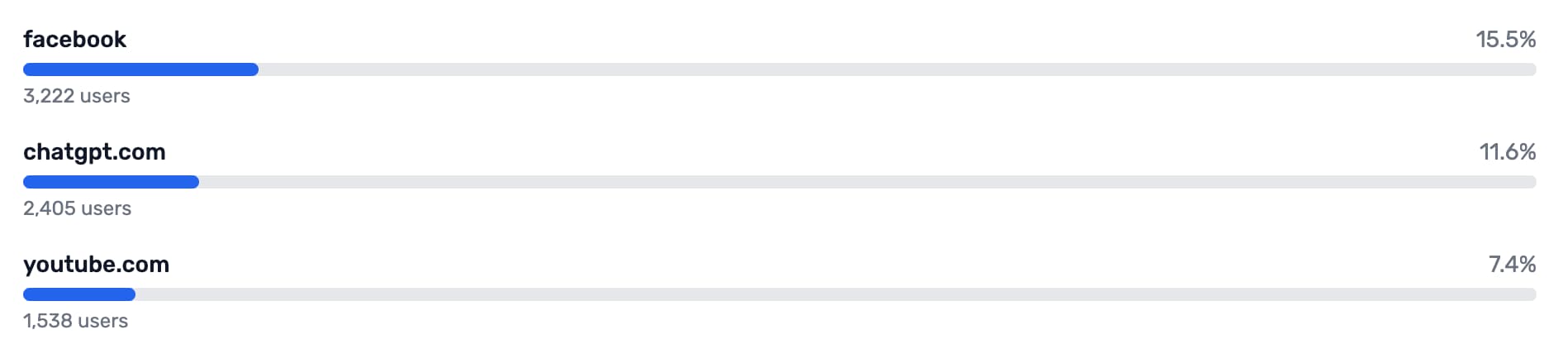
Current data suggests that LLM-driven traffic already accounts for 10% to 13% of total inbound visits for early-adopting brands. While this percentage may seem smaller than traditional search, it is the quality of that traffic that matters.
AI-driven recommendations function like high-authority, long-tail SEO. When a user asks an AI, "What is the best CRM for a small architecture firm?" and your brand is recommended, that user has bypassed the "research" phase and moved straight into "consideration." This leads to higher conversion rates compared to traditional searchers who may be browsing generic keywords.
The "Big Four" Landscape
While there are dozens of models, the competitive landscape is dominated by four players, each with a different approach to surfacing brand information:
- OpenAI (ChatGPT): The market leader in consumer mindshare. Its ability to integrate browsing data makes it a primary research tool for professionals.
- Google Gemini: Holds a massive advantage due to its deep integration into the Google ecosystem and existing SERP (Search Engine Results Page) data.
- Anthropic (Claude): Known for its focus on safety, nuanced writing, and reasoning, often favored by power users and enterprises.
- Perplexity: The "answer engine." Perplexity is arguably the most dangerous competitor to traditional SEO, as its entire value proposition is citing sources directly within a conversational UI.
Because you cannot predict which AI tool your customer will use, relying on one model is a strategy for failure. You must track your brand’s performance across all four to ensure consistent visibility.
The Methodology: How to Track LLM Rankings
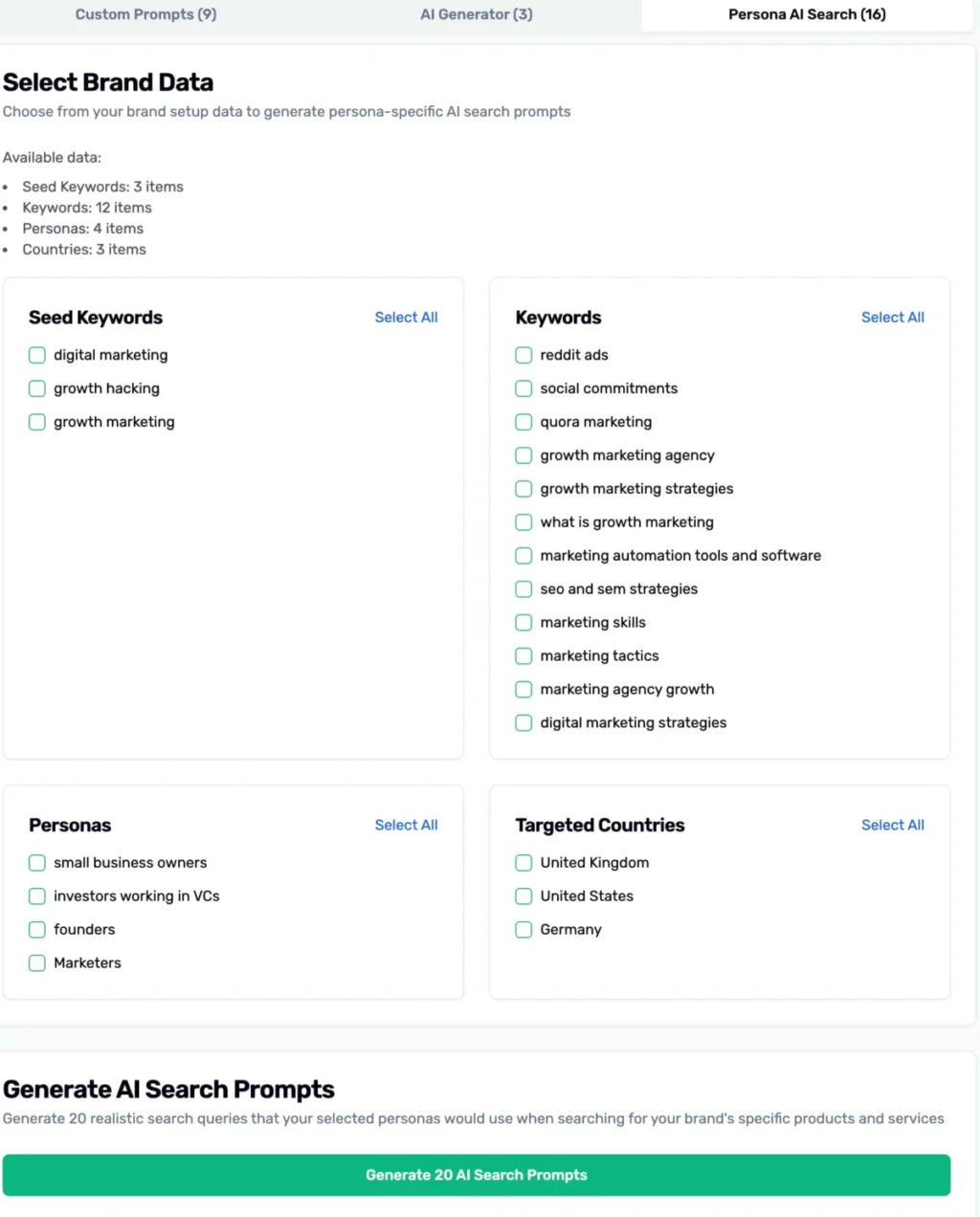
Because there is currently no "LLM Search Console," businesses must adopt a rigorous, often manual or automated process to track their presence:
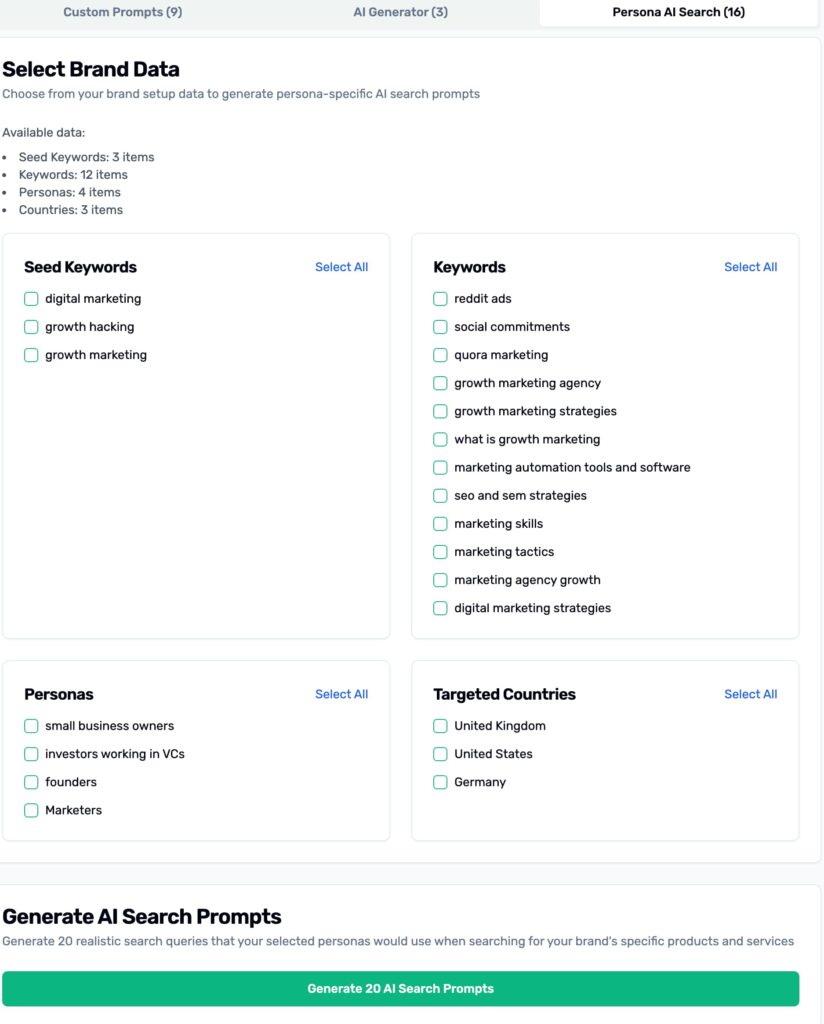
- Define the Prompt Set: You must build a library of prompts that represent how your customers think. This includes navigational, informational, and transactional queries.
- Execution: Use API-based access to run these prompts across models. It is crucial to use the most current versions (e.g., GPT-4o, Gemini 1.5 Pro) because older models do not reflect how users are currently interacting with the tools.
- Sentiment and Context Analysis: Don’t just look for your name. Analyze how you are mentioned. Are you in the top three recommendations? Is the sentiment positive? Are you being compared unfavorably to a competitor?
- Pattern Recognition: Because LLMs are probabilistic, they may change their answers slightly. Tracking over time is essential to differentiate between a "hallucination" and a consistent ranking signal.
Implications for Modern Marketing
The rise of AIO has profound implications for brand strategy. First, your content must be "AI-readable." This means moving away from keyword stuffing and toward answering questions with high-quality, data-backed, and expert-verified information. AI models prioritize information that is clear, authoritative, and structured.
Second, the cost of being absent is rising. As AI tools gain more users, the "cost of acquisition" through traditional channels will likely spike, while the "cost of influence" inside AI models will become the new standard for success.
Official Responses and Industry Outlook
While tech giants remain guarded about their specific ranking algorithms, the consensus is clear: Quality, Citation, and Authority are the pillars of the new era.
Google has hinted that its future search results will increasingly rely on the "Gemini" engine, forcing SEO professionals to rethink their reliance on simple link-building. Meanwhile, OpenAI’s partnerships with publishers indicate that the future of LLM visibility will be built on a mix of direct indexing and verified content partnerships.
Conclusion: From SEO to AIO
Ignoring LLM rankings in 2025 is the equivalent of ignoring the importance of search engines in 2005. It is a strategic blind spot that will inevitably lead to a loss of market share.
Brands that start auditing their presence now—building the prompt libraries, tracking the sentiment, and optimizing their content for machine consumption—will own the conversation in the AI-powered future. The battle for the user’s attention has moved from the browser tab to the chat window. Those who adapt to this new interface will not just survive; they will define the next decade of digital growth.
The question is no longer "Are we ranking on Google?" but "Are we the answer the AI gives?" If the answer is no, your competition is likely already writing the script for your demise.
