
Beyond the Spreadsheet: Why Python is the New Growth Engine for Modern Marketers
In the fast-paced world of digital growth, the line between marketing and data science is blurring. For years, the growth marketer’s toolkit was synonymous with Excel spreadsheets, pivot tables, and manual data entry. However, as the volume of consumer data explodes and the complexity of multi-channel attribution increases, these legacy tools are proving insufficient. Enter Python—a versatile, powerful programming language that is rapidly becoming the secret weapon for marketers looking to automate workflows, derive actionable insights, and achieve scale.
The Paradigm Shift: Why Python?
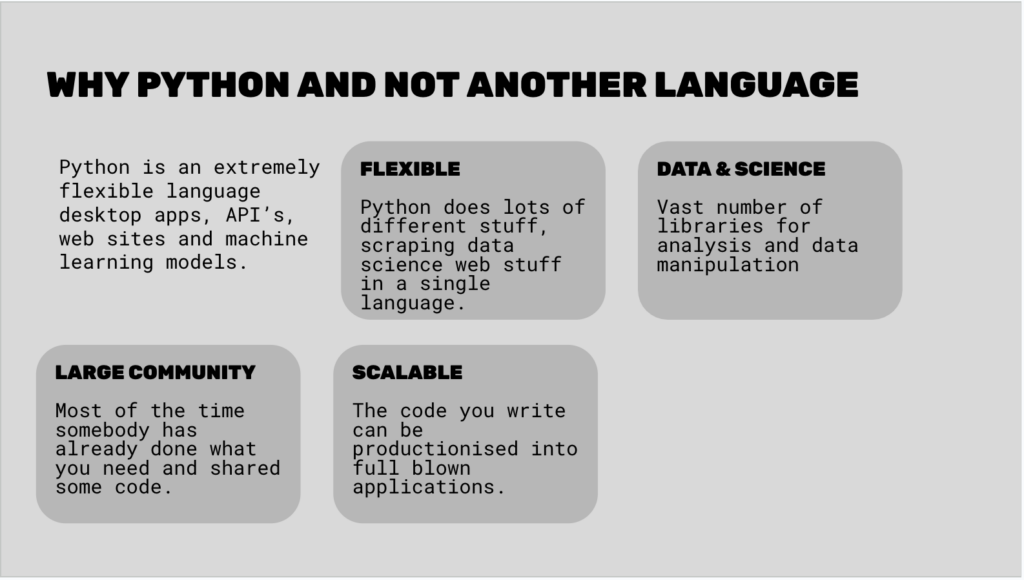
At its core, Python is more than just a coding language; it is an ecosystem. Unlike specialized software that traps data within proprietary silos, Python is platform-agnostic, open-source, and infinitely extensible.
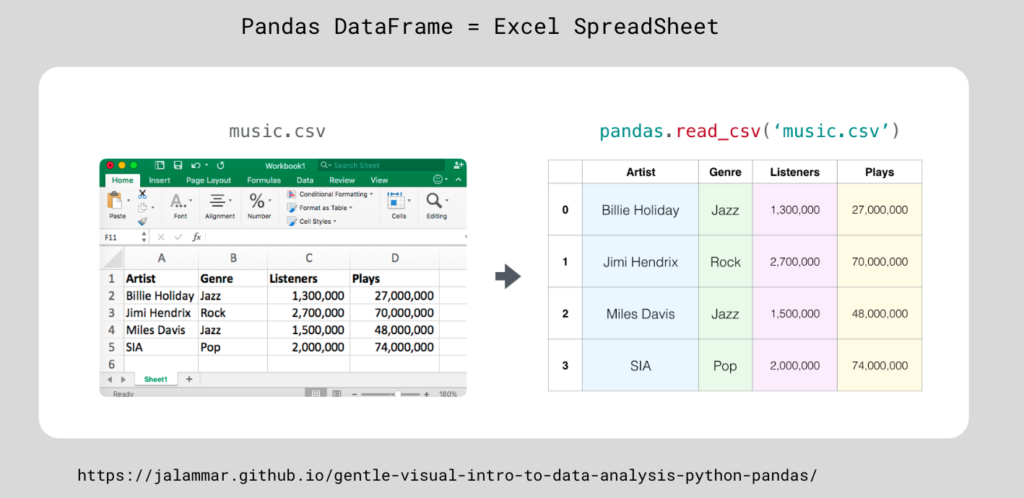
For many organizations, the decision to adopt Python is driven by the need for scalability. While a marketing analyst might spend hours cleaning a dataset in a spreadsheet, a Python script can process millions of rows in seconds, handle repetitive tasks, and integrate seamlessly with external APIs. Furthermore, because Python is the industry standard for data science teams, adopting it bridges the communication gap between marketing departments and engineering teams. When marketers and developers speak the same language, collaboration becomes more fluid, and data-driven projects move from ideation to deployment significantly faster.
The community support for Python is equally unparalleled. Whatever marketing challenge you are facing—be it sentiment analysis of social media mentions or real-time bidding optimization—it is highly probable that a developer or marketer has already built a solution. This vast repository of shared knowledge allows even non-technical marketers to stand on the shoulders of giants.
Chronology of a Data-Driven Evolution
To understand the necessity of Python, one must look at the historical trajectory of marketing analytics:
- The Era of Manual Tracking (2000–2010): Marketers relied on basic web analytics and manual report generation. Success was measured in vanity metrics, and data processing was primarily done by hand or through simple desktop software.
- The Rise of SaaS and Silos (2010–2018): As the marketing stack expanded to include dozens of platforms (CRM, email automation, social ads, analytics), data became fragmented. The "Excel era" peaked as marketers struggled to reconcile data from disparate sources.
- The Python Integration (2018–Present): Forward-thinking growth teams began incorporating Python to bypass the limitations of GUI-based tools. By automating API connections, these teams moved away from static reporting and toward dynamic, automated dashboards and predictive modeling.
The Marketer’s Toolkit: Key Capabilities
Python empowers growth marketers to move from being reactive to proactive. By utilizing specialized libraries, marketers can perform tasks that were previously reserved for dedicated data science departments.
1. Automation and API Integration
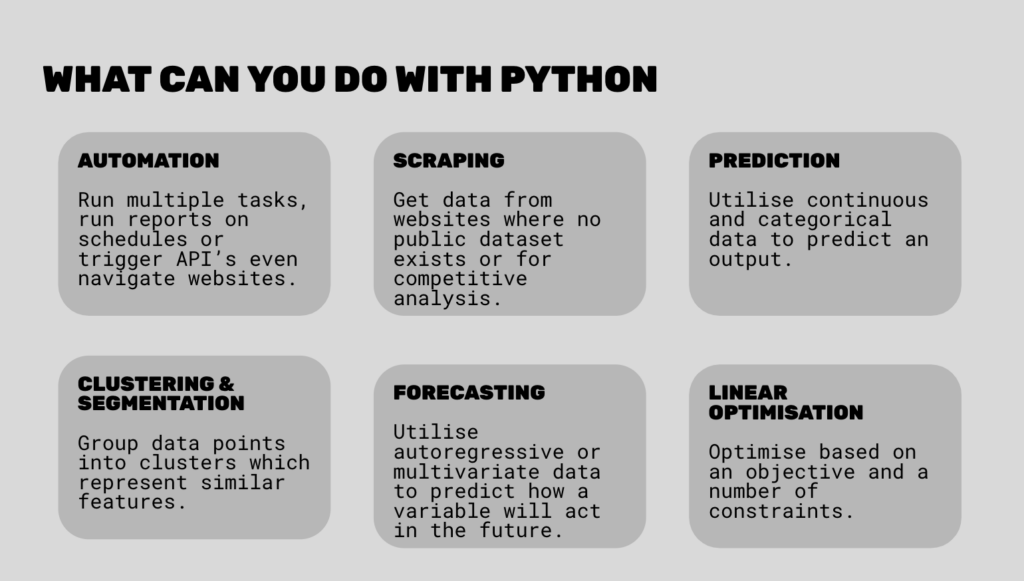
Growth is rarely a linear process. It requires constant monitoring and adjustment. Python scripts can be programmed to pull data from Google Analytics, Facebook Ads, or Search Console automatically. More importantly, these scripts can act on that data: for instance, automatically pausing an underperforming ad campaign or increasing the budget for a high-converting keyword without human intervention.
2. Advanced Web Scraping
In a competitive landscape, the ability to monitor competitors in real-time is vital. Python allows for the systematic extraction of data from public websites. Whether it is tracking a competitor’s pricing strategy or monitoring industry trends via news aggregators, Python-based scraping ensures that the marketer has the most up-to-date intelligence to inform strategy.
3. Predictive Analytics and Forecasting
The future of growth is predictive. Using libraries like Prophet, marketers can forecast seasonal trends or customer lifetime value (CLV) based on historical patterns. By moving beyond simple linear projections, Python allows for complex time-series analysis, helping teams anticipate market fluctuations before they occur.
4. Clustering and Customer Segmentation
Generic targeting is a relic of the past. Python’s machine learning libraries (such as Scikit-learn) allow for sophisticated customer segmentation. By analyzing behavioral data, Python can identify hidden clusters within an audience—grouping users by purchasing habits, engagement levels, or churn probability—allowing for highly personalized and effective messaging.
5. Linear Optimization and Spend Efficiency
One of the most profound applications of Python is in budget allocation. Through linear optimization, marketers can solve for the "optimal" spend across multiple channels. Given a set of constraints (e.g., minimum ROAS, maximum budget, platform caps), Python algorithms can calculate the precise distribution of funds that maximizes total conversions, effectively taking the guesswork out of media buying.
Insights from the Field: The "Share of Search" Case Study
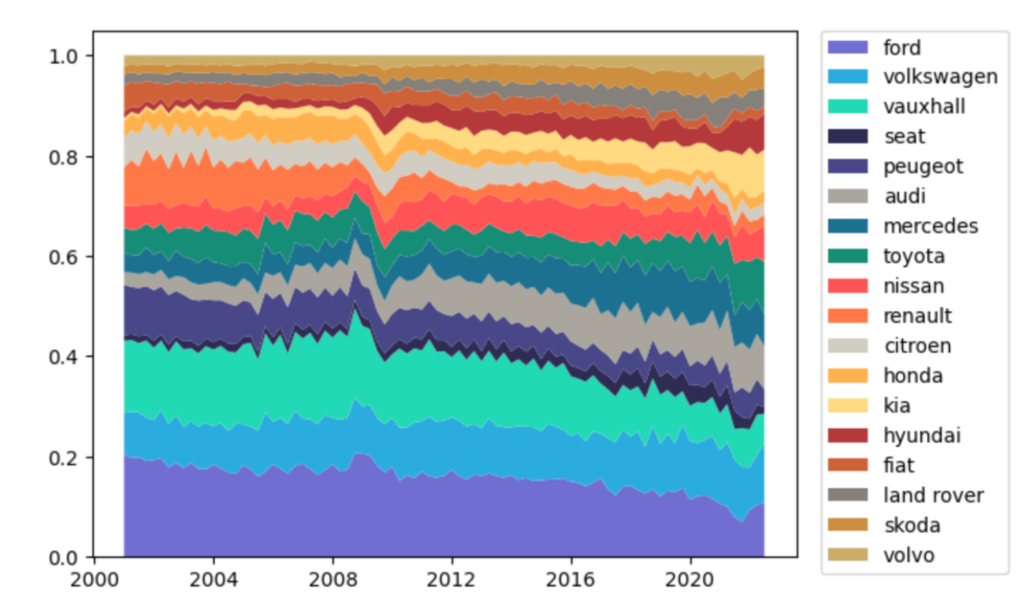
The power of this approach is best illustrated by the theory of "Share of Search." By utilizing Python to ingest and process massive volumes of search volume data over time, marketers can create a reliable proxy for market share. This is a classic example of using Python to "connect the dots." While an Excel user might struggle to normalize search data across different regions and timeframes, a Python script can ingest the raw data, perform the necessary statistical smoothing, and generate a visualization that reveals the correlation between search visibility and actual market penetration.
Expert Perspective: Connecting the Dots
Alistair Allan, a prominent voice in the growth community, emphasizes that growth is the "crossover of data, analytics, and testing." According to Allan, the primary value proposition of Python is its ability to remove the "human in the loop" from mundane data tasks. "Python is a way to save time, it’s a way to connect the dots between disparate systems, it’s a way to get out of Excel spreadsheets and huge formulas," he notes.
This sentiment is echoed by many who have transitioned to Python-based workflows. The goal is not to turn marketers into software engineers, but to provide them with the technical fluency required to leverage their data assets fully.
The Democratization of Coding: Getting Started
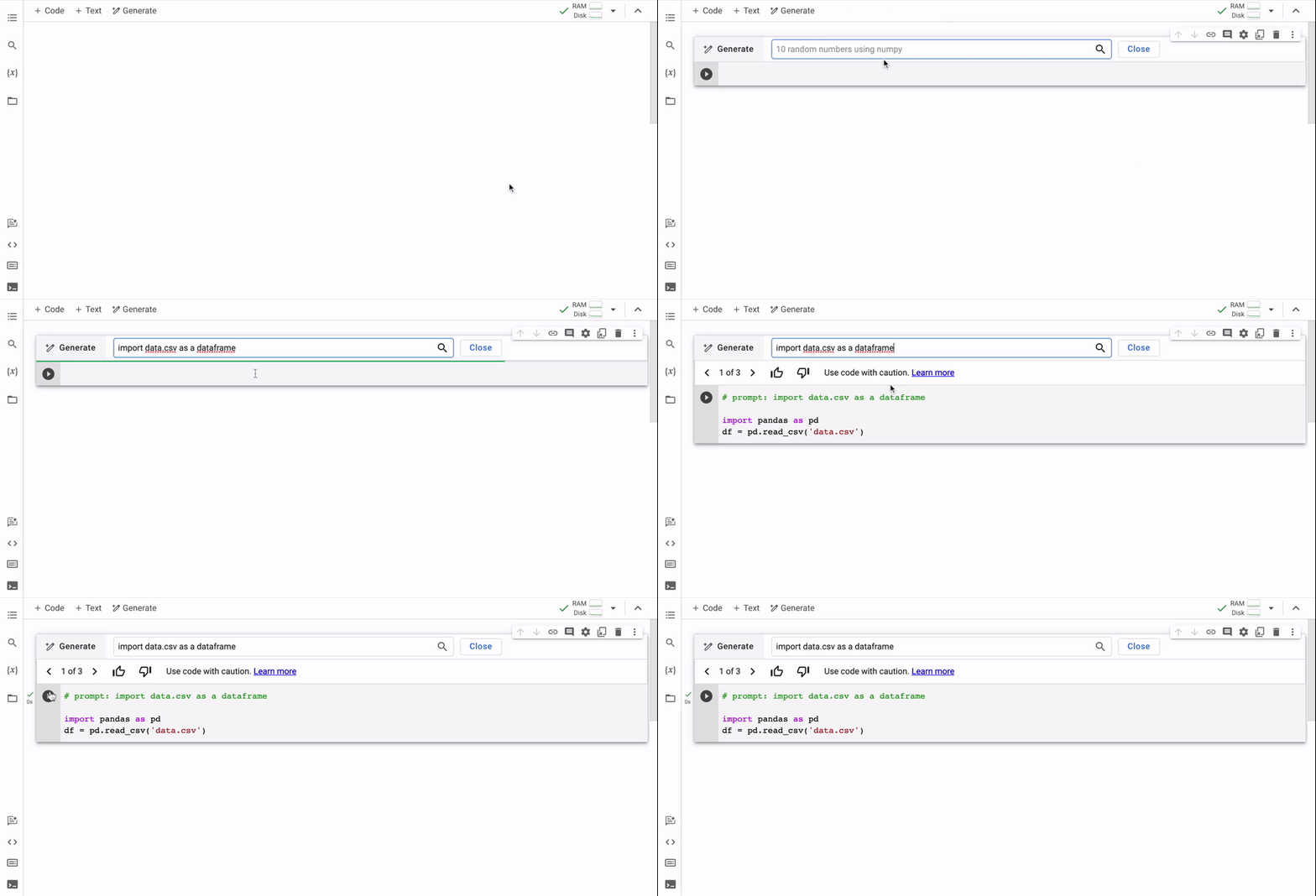
The barrier to entry for Python has never been lower. For beginners, the best approach is to avoid complex local environment setups and dive straight into cloud-based notebooks.
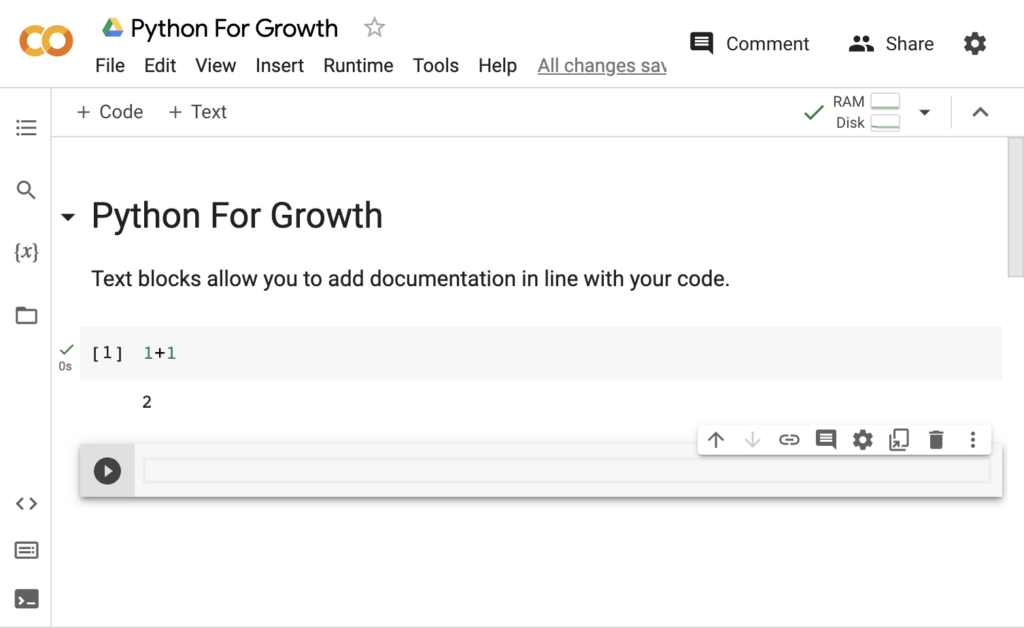
- Google Colab: This is perhaps the most accessible starting point. Functioning like a Google Doc for code, it requires no installation. You can write, execute, and document your code in a single browser tab.
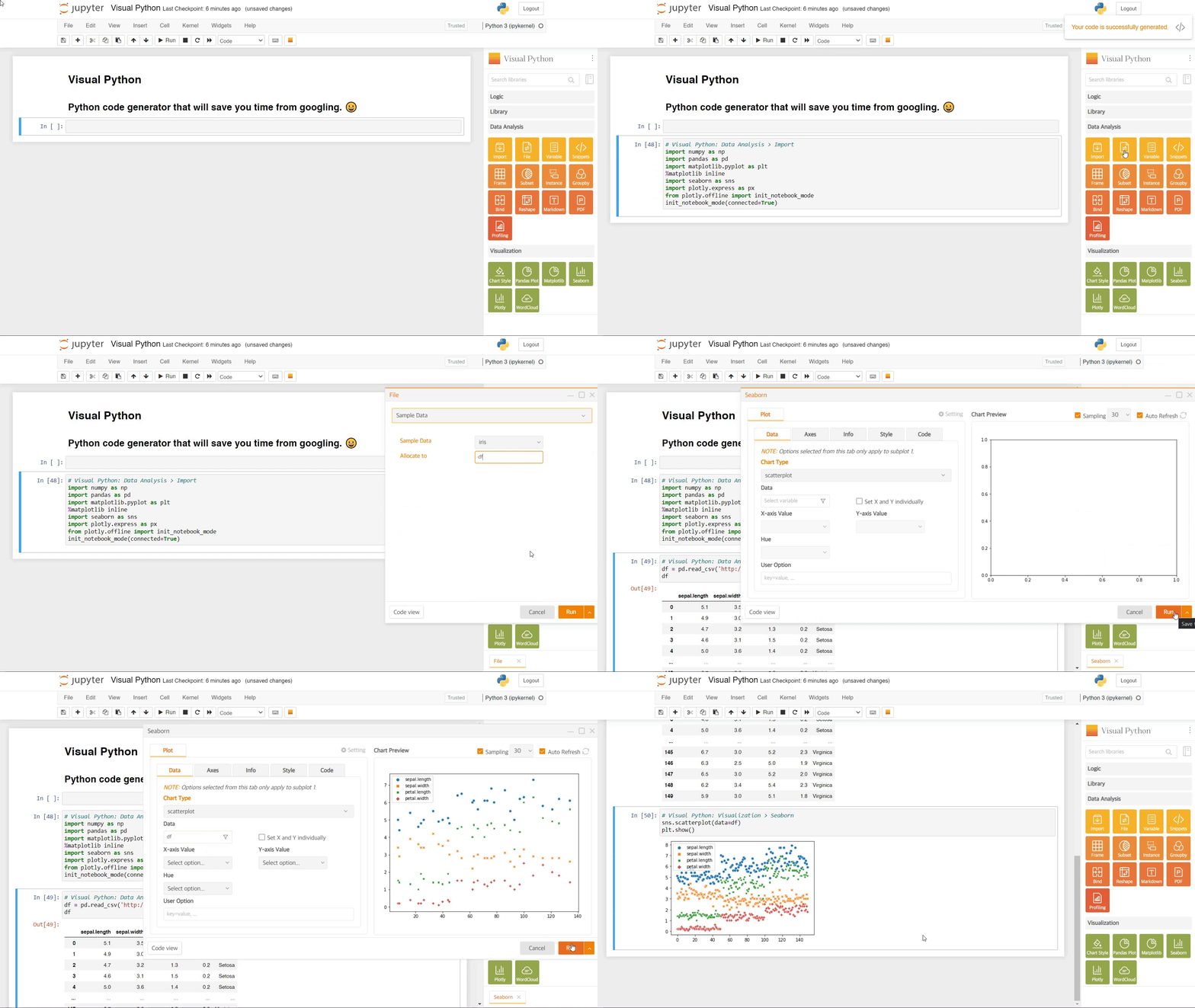
- Visual Python: For those who find syntax intimidating, tools like Visual Python (a Google Colab extension) provide a drag-and-drop interface to generate code blocks, helping users learn by doing.
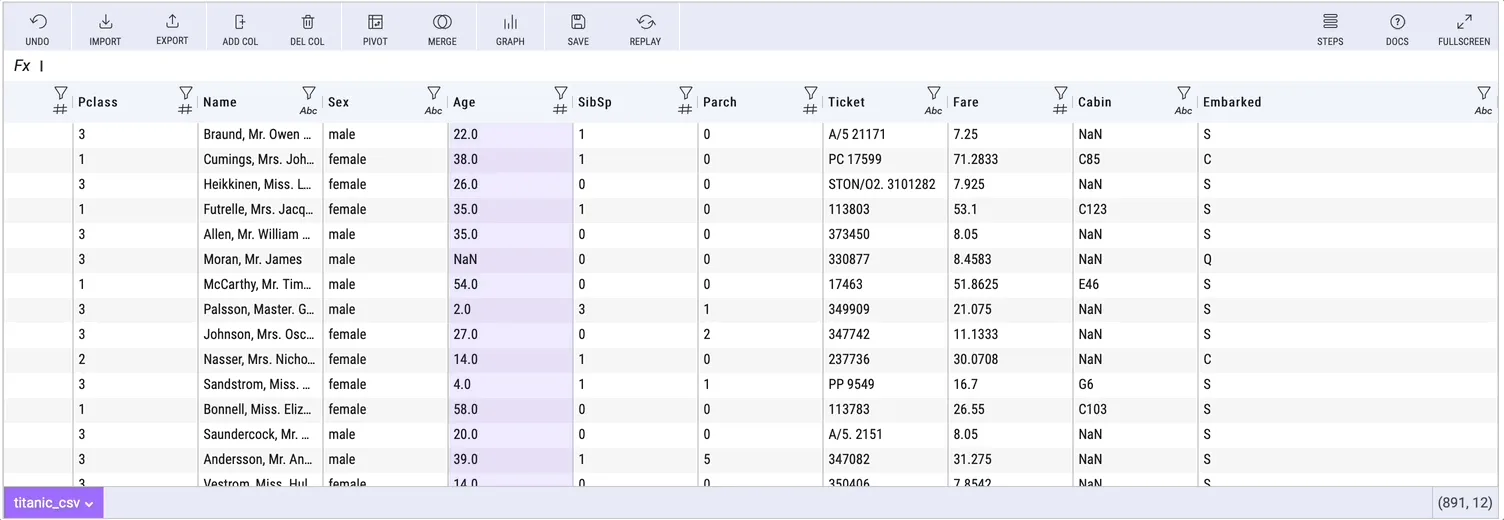
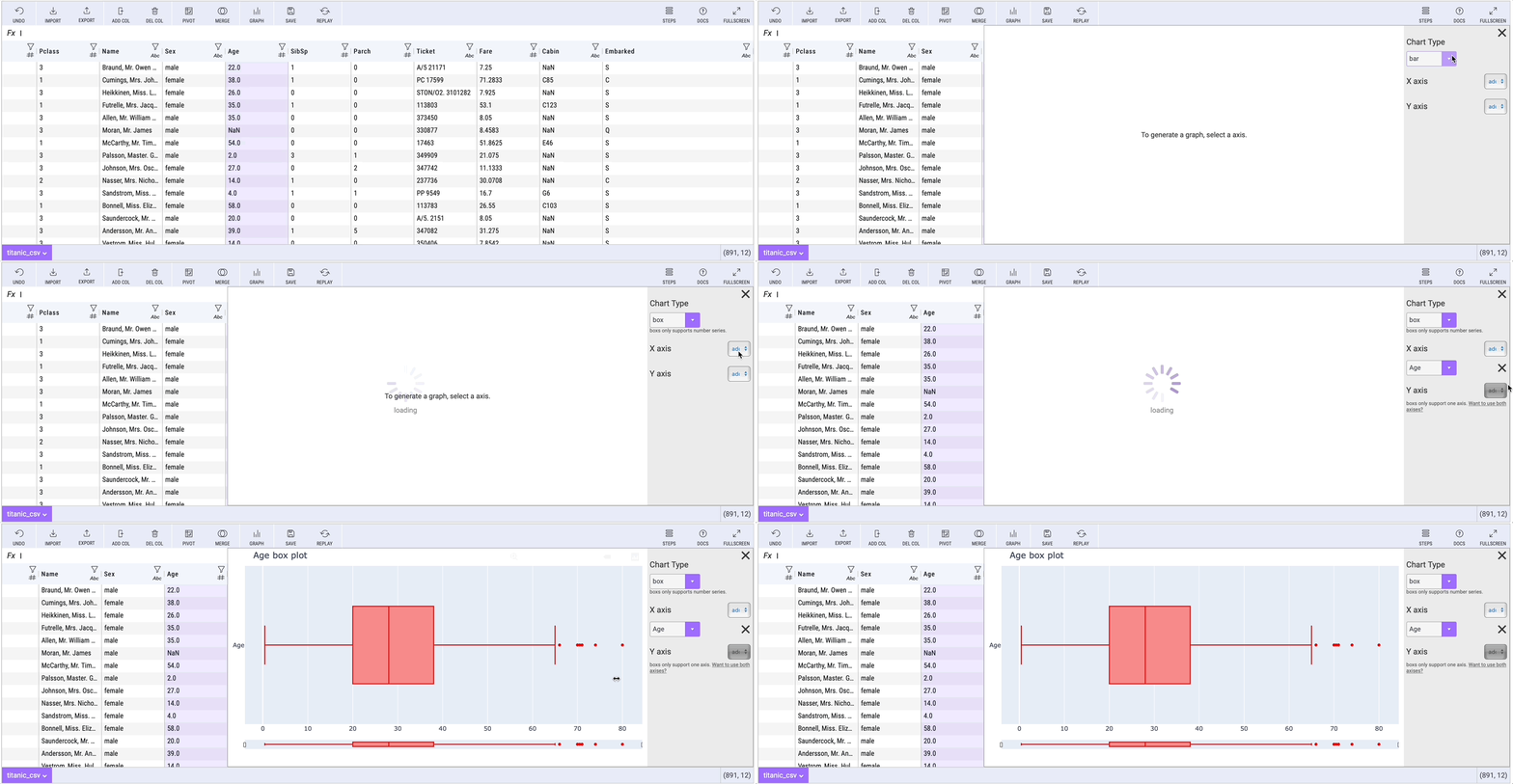
- Mito: For those who still love the interface of a spreadsheet, Mito allows you to perform data transformations in a familiar grid view while simultaneously generating the underlying Python code. It is an excellent bridge for those transitioning from Excel to a programming-first mindset.
Implications for the Future of Marketing
The shift toward Python-enabled growth signifies a broader trend in the industry: the rise of the "Full-Stack Marketer." As artificial intelligence and machine learning become deeply embedded in the marketing stack, those who can programmatically manipulate data will possess a distinct competitive advantage.
Implications for Talent Acquisition
We are already seeing a shift in job descriptions for marketing roles. Skills that were once "nice-to-have"—SQL, Python, and API management—are becoming standard requirements for senior growth positions. Organizations are increasingly prioritizing candidates who can build their own analytical tools rather than those who rely solely on third-party SaaS platforms.
Implications for ROI
The bottom-line impact of adopting Python is clear: improved efficiency and better decision-making. By automating reporting, companies save thousands of man-hours annually. By optimizing spend through algorithmic models, businesses often see a significant uptick in ROAS (Return on Ad Spend).
Conclusion: The Path Forward
The journey from a spreadsheet-bound marketer to a Python-literate growth strategist is not an overnight transition. It requires curiosity, a willingness to fail, and a commitment to learning. However, the investment pays off in the form of deeper insights, more agile experimentation, and the ability to operate at a scale that was previously impossible.
As the digital marketing landscape continues to evolve, those who embrace Python will not just be keeping up with the industry—they will be defining the future of how we understand and influence consumer behavior. The data is already there; the only question is whether you have the tools to unlock it. It is time to move beyond the cell formulas and start building the future of growth.
