
Beyond the Pipeline: How to Choose the Right CRM for Your Agency in 2026
The adage "pick a CRM and the rest will follow" is a seductive promise for agency owners. It suggests that a single piece of software can solve the chaotic friction of scaling a business. However, the reality for most agencies is far more complex. When onboarding slows down, pipelines become cluttered with stagnant leads, and critical client communications remain siloed across disparate platforms, the "cost" of the CRM is no longer the monthly subscription fee—it is the compounded loss of time, focus, and billable output.
In 2026, a Customer Relationship Management (CRM) platform is not merely a digital Rolodex. For the modern agency, it is the nervous system of the organization. Selecting the wrong one creates "operational drag," while selecting the right one—paired with a robust communication stack—can transform your agency from a group of siloed departments into a synchronized, high-velocity machine.

The Core Functions: What Agencies Actually Require
Before evaluating features, one must define the operational requirements. Agencies differ from traditional B2B sales organizations because they manage a dual-sided ecosystem: internal delivery teams and external client expectations.
Standardizing the Onboarding Lifecycle
Onboarding is the most critical juncture in the client-agency relationship. A superior CRM must be able to capture leads from disparate sources, qualify them, and automatically trigger an onboarding pipeline. This includes automated requests for access, scheduling kickoff calls, and centralizing the collection of digital assets to ensure no momentum is lost during the transition from "sold" to "serviced."
Coordinating the Sales-to-Delivery Handoff
One of the most common points of failure in agency operations is the "black hole" between the sales department and the delivery team. A CRM should act as the bridge, ensuring that project scopes, budget constraints, and client expectations are transparent. By eliminating the reliance on scattered direct messages and disconnected documents, agencies can prevent the "re-selling" of services that were already defined in the contract.
Pipeline, Capacity, and Revenue Forecasting
For agency leadership, a CRM must provide a bird’s-eye view of capacity. Beyond tracking revenue, it must identify which service lines are underutilized and which client accounts are approaching a "high-risk" status. This visibility allows for proactive resource allocation before a team member burns out or a client churns.
The 2026 Agency CRM Landscape: A Comparative Analysis
To identify the best tools for the modern agency, we evaluated platforms based on five critical pillars: usability, customization, integration capabilities, reporting depth, and the ability to handle multi-client complexity.
| CRM | Best For | Key Strengths |
|---|---|---|
| HubSpot Sales Hub | Scaling multi-service agencies | Deep automation, enterprise reporting |
| Pipedrive | Sales-centric teams | Visual, intuitive pipeline management |
| Zoho CRM | Value & Customization | Highly modular, AI-driven insights |
| monday sales CRM | Integrated work & CRM | Cross-functional visibility |
| Salesforce | Enterprise operations | Unrivaled custom objects and governance |
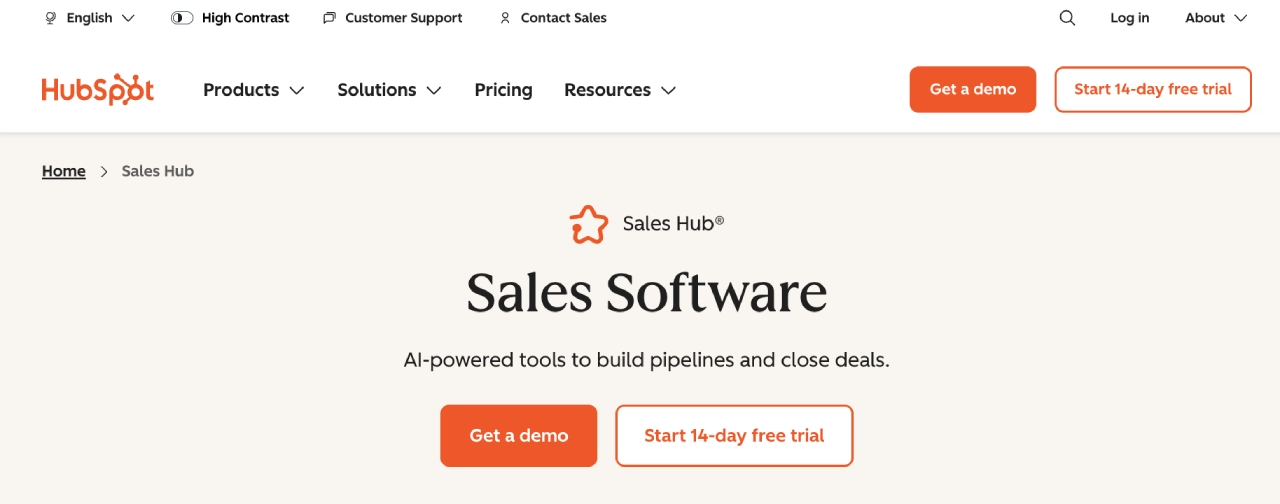
1. HubSpot Sales Hub: The Scalability Powerhouse
HubSpot remains the gold standard for agencies that require a sophisticated "all-in-one" experience. Its strength lies in its ability to handle complex sequences and Playbooks while maintaining a user-friendly interface. It is ideal for agencies that want to pair their CRM with native email marketing and advanced lead scoring.
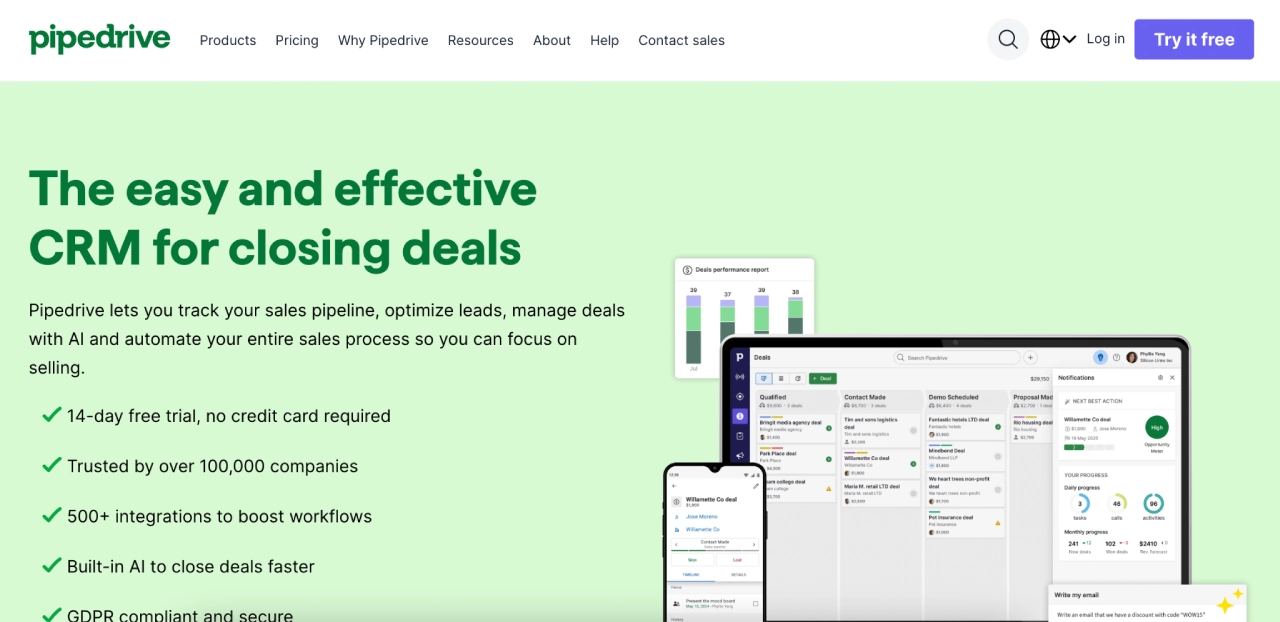
2. Pipedrive: The Sales Execution Specialist
For smaller, sales-driven agencies, Pipedrive offers a refreshing lack of bloat. By focusing on visual pipeline management and activity tracking, it reduces the learning curve for new hires. While it lacks some of the deep marketing automation found in larger suites, its ease of use is its greatest competitive advantage.
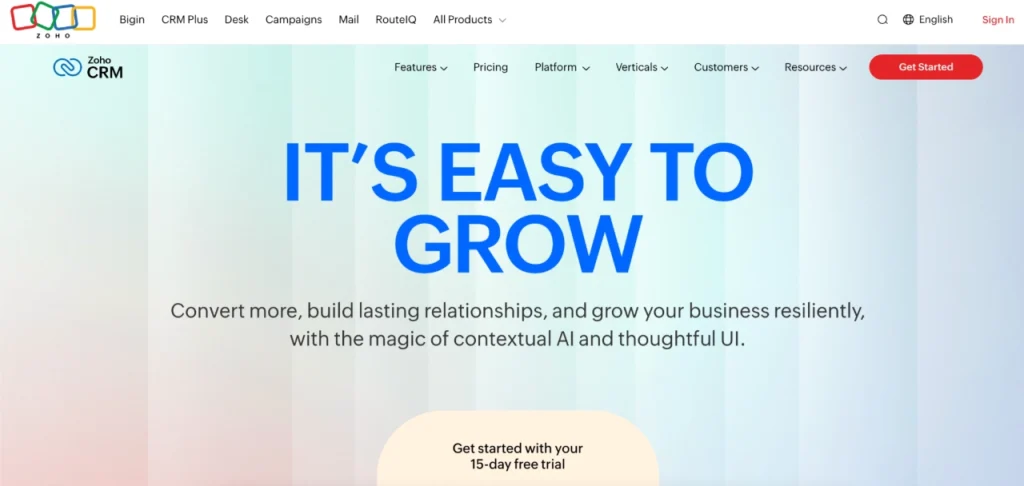
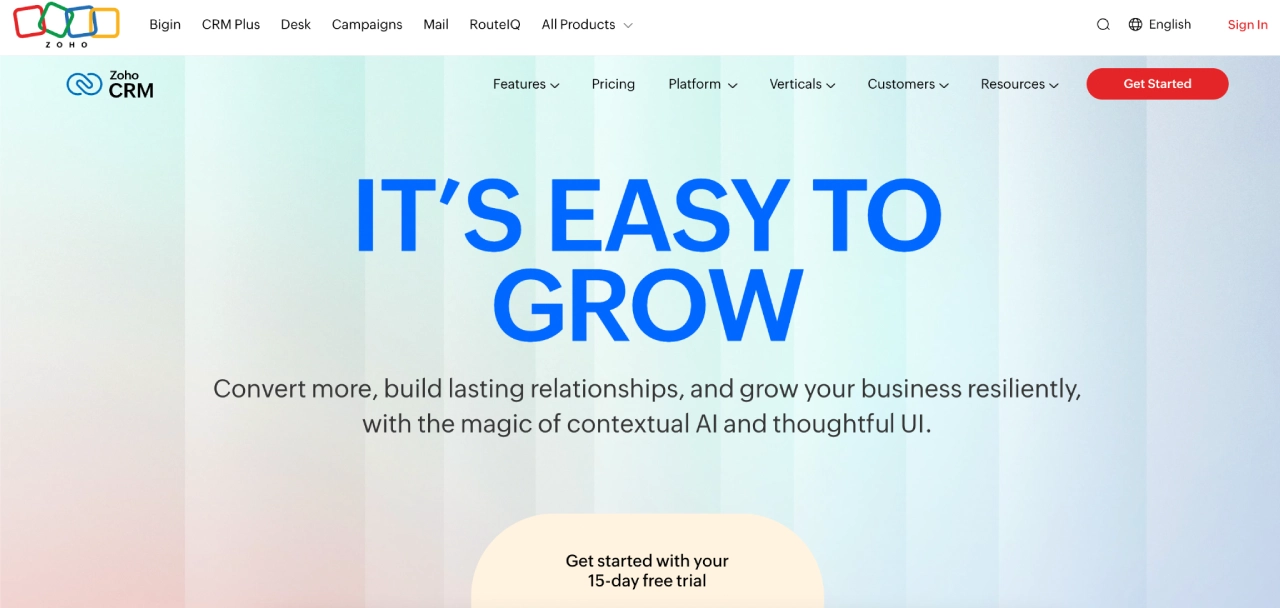
3. Zoho CRM: The Customizer’s Choice
Zoho provides an extensive array of features—including their proprietary AI assistant, "Zia"—at a price point that is accessible to mid-sized agencies. Its ability to create custom modules means that an agency can build a system that mirrors their unique project management style rather than forcing their team to adapt to rigid, pre-built templates.
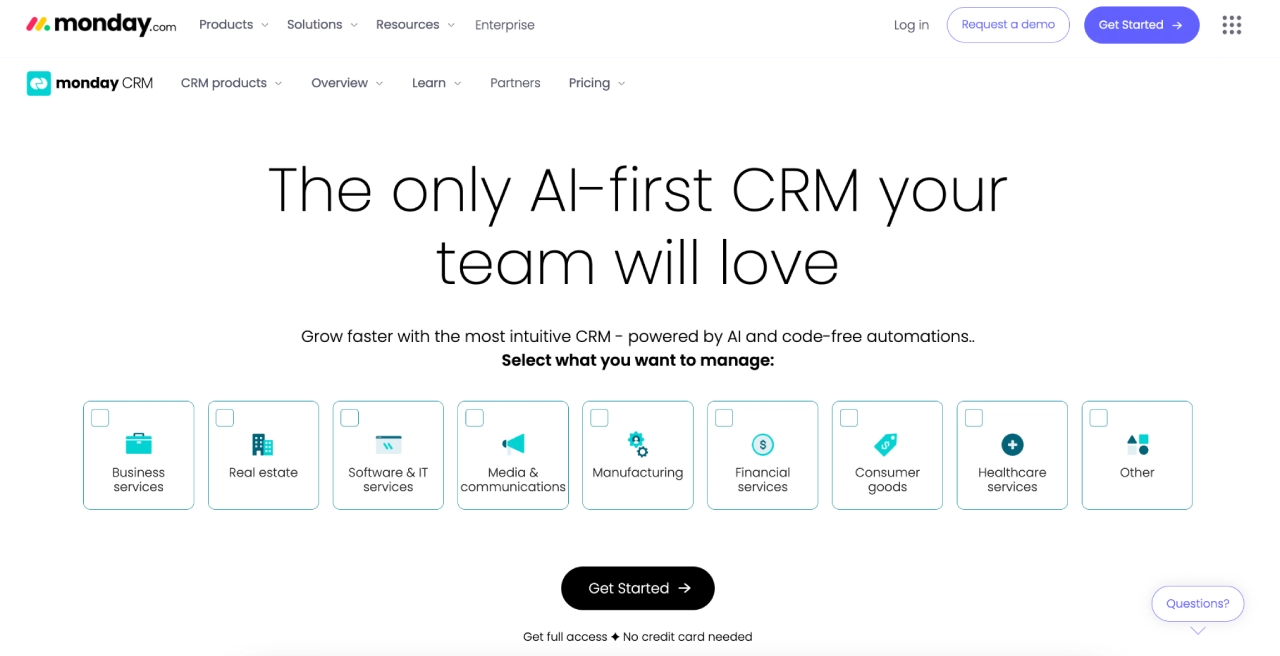
4. monday sales CRM: The Unified Workspace
monday.com has evolved from a simple project management tool into a formidable CRM. Its greatest appeal is the elimination of the "context switch." When a sales representative updates a deal status, the account manager can see the project board in the same workspace. This eliminates the need for constant cross-platform syncing.
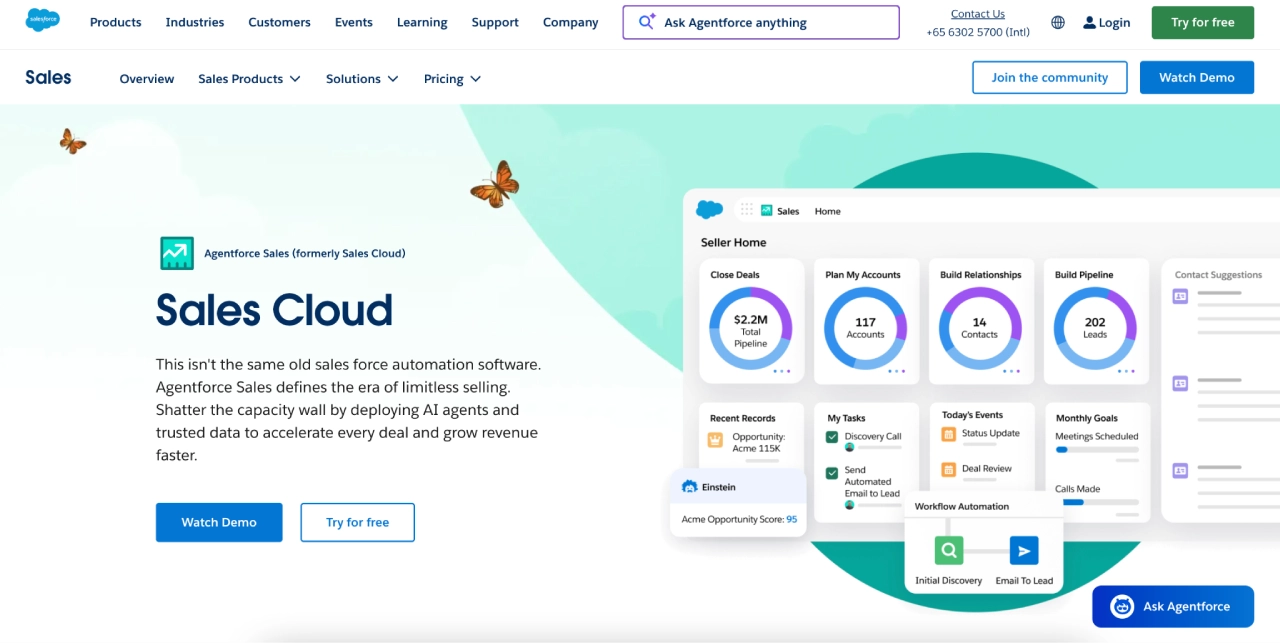
5. Salesforce Sales Cloud: The Enterprise Standard
When an agency reaches a size where data governance, multi-layer approvals, and complex territory management are required, Salesforce is the inevitable choice. While it demands a dedicated administrator and a longer implementation timeline, no other platform offers the same depth of customization for massive, enterprise-grade operations.
The 4C Evaluation Model
When vetting these platforms, avoid the "feature-chase." Instead, utilize the 4C model to assess the actual operational impact of a potential CRM:
- Clarity: How easily can a new hire understand the pipeline and the current status of a client account without needing a manual?
- Collaboration: Does the tool facilitate transparency between sales and delivery, or does it isolate information within departments?
- Customization: Can you modify the system to fit your specific agency workflow, or are you forced to change your process to fit the software?
- Connectivity: Does the tool offer native, two-way integration with your project management, billing, and email marketing platforms?
The Strategic Advantage of Campaign Monitor
A CRM is only as good as the communication that flows out of it. Regardless of which platform you choose, the integration with a tool like Campaign Monitor is what separates high-performing agencies from the rest.

While a CRM serves as the "source of truth" for internal data (stages, owners, and renewal dates), Campaign Monitor acts as the "engagement layer." By syncing your CRM with Campaign Monitor, you can automate critical touchpoints:
- Welcome Journeys: Automatically trigger onboarding sequences based on a deal moving to a specific "Closed-Won" stage.
- Weekly Status Rhythms: Send consistent, branded status updates that reflect the health of a project without manually drafting individual emails.
- QBR Previews: Automate the distribution of performance metrics 30 days before a Quarterly Business Review, ensuring the client is primed and informed.
Red Flags to Avoid
Not every CRM is built for an agency. Before committing to a contract, be wary of these common warning signs:
- The "One-Way" Trap: If the CRM only exports CSV files and doesn’t offer robust, two-way API integrations, you will spend your week manually moving data.
- Volume Caps: Some platforms look affordable until you reach a certain contact limit, at which point the price spikes aggressively.
- Lack of Permissions: If you cannot grant granular, role-based access, you risk exposing sensitive internal data to clients or contractors.
- The "All-in-One" Illusion: Beware of suites that try to do everything (accounting, website building, support, CRM) but fail to execute any of those functions well. Complexity increases the likelihood of low team adoption.
Implications for Future Growth
The decision to implement or migrate a CRM is a strategic investment in the agency’s infrastructure. By 2026, the agencies that thrive will be those that have successfully removed the "operational drag" of manual data entry and disjointed communication.
If your current CRM is not serving as a source of clarity, collaboration, and connectivity, it is not an asset—it is a liability. Take the time to audit your current workflows, assess them against the 4C model, and consider how a tightly integrated stack, utilizing tools like Campaign Monitor for automated, brand-consistent communication, can free your team to focus on what they do best: delivering exceptional results for your clients.
Final Takeaway: The goal of a CRM is not to become an expert at using the software; it is to build a system that makes the software invisible. When your tools work in harmony, you gain the predictability necessary to scale your agency with confidence.
