
Scoring Big on Social: What World Cup Data Teaches Brands and Creators About Winning the Attention Economy
As the most-watched sporting event on the planet, the FIFA World Cup commands a scale of global attention that few other cultural phenomena can rival. With the tournament jointly hosted across the diverse landscapes of Canada, Mexico, and the United States, media companies, independent influencers, and multinational brands immediately mobilized to capture a piece of the cultural zeitgeist. In an increasingly crowded digital ecosystem where billions of thumbs swipe endlessly through feeds, standing out requires more than just luck—it demands a masterclass in social video strategy.
To decode what makes a campaign truly gold-medal worthy, industry analysts recently examined comprehensive North American creator data from the tournament. By analyzing viewing patterns, engagement metrics, optimal video durations, and posting schedules, a clear playbook has emerged. For content creators, media executives, and brand marketers alike, the data offers invaluable lessons on how to cut through the digital noise, maximize efficiency, and win over audiences when the world is watching.
Main Facts: The Anatomy of World Cup Social Dominance
The battle for eyeballs during the North-American-hosted World Cup was fierce, characterized by a fundamental shift in how digital audiences consume live-event content. While legacy sports broadcasters like ESPN maintained massive distribution infrastructures and high baseline viewership, independent creators proved that individual charisma and agile content creation could outpace traditional media giants in single-video impact.
Key high-level insights from the tournament’s social data include:
- The Power of the Individual: The single most-viewed social video across North America during the tournament did not come from a multi-billion-dollar sports network. Instead, it was an Instagram and TikTok reel published by prominent influencer iShowSpeed, capturing his explosive reaction to the Argentina versus Cape Verde match. That single piece of content pulled in an astonishing 240 million views.
- Quality Outpaces Pure Volume: While raw publishing volume can help maintain algorithmic visibility, data reveals that editorial-led videos offer superior efficiency. Name recognition, established editorial authority, and robust distribution networks continue to act as powerful force multipliers in saturated environments.
- Cultural Expansion Beyond Sports: With 48 national teams battling on the pitch, the World Cup transcends athletics to become a truly global cultural event. While sports media naturally captured the highest total view counts, non-endemic brands and creators found immense success by putting unique, category-specific spins on the tournament.
- Data-Driven Optimization: Success on platforms like TikTok and Instagram hinges heavily on respecting audience habits, specifically regarding optimal video lengths and aligning posting schedules with active user behavior rather than guesswork.
Chronology: The Evolution of Live-Event Social Strategy
To understand how the World Cup social media landscape reached its current state, it is helpful to look at the evolution of digital sports consumption over the past decade.
Phase One: The Broadcaster Monopoly (Pre-2018)
Historically, major sporting events like the World Cup were strictly guarded by broadcast rights holders. Social media content during tournaments was largely restricted to official highlights, professional photography, and text-based updates. Independent creators and non-sports brands largely sat on the sidelines, assuming that covering an event required official broadcasting credentials and multi-million-dollar rights packages.
Phase Two: The Rise of Reaction Culture and Short-Form Video (2018–2022)
As platforms like TikTok, Instagram Reels, and YouTube Shorts exploded in popularity, the barrier to entry for live-event commentary collapsed. Fans no longer wanted just clean, corporate highlights; they wanted authentic, unfiltered emotional reactions. Influencers began inserting themselves into the narrative, reacting to matches in real-time from their living rooms, bedrooms, and even stadiums. Brands began experimenting with real-time marketing, though much of it remained reactive and uncalculated.
Phase Three: The Cross-Category Cultural Takeover (The 2026 North American Tournament)
During the recent World Cup hosted across Canada, Mexico, and the US, the playbook matured. The tournament proved that you do not need to be a sports media outlet to win the attention economy. Creators across food and drink, fashion, comedy, and lifestyle successfully adapted the World Cup into relatable cultural moments. Furthermore, advanced social video intelligence tools allowed creators to stop guessing and start leveraging hard data regarding audience retention, optimal video lengths, and time-zone-specific scrolling habits.
Supporting Data: What the Analytics Reveal
The insights gleaned from North American social data provide concrete answers to persistent digital marketing dilemmas. Let’s dive deeper into the core metrics that defined winning strategies during the tournament.
1. Making Every Touch Count: Quality vs. Quantity
The myth that "more is always better" was thoroughly debunked during the World Cup. While high-volume posting can keep a channel top-of-mind, the efficiency of editorial-led content proved superior. The staggering 240 million views garnered by iShowSpeed’s reaction video demonstrated that emotional resonance and personality-driven content can dwarf institutional broadcasting output on social platforms.
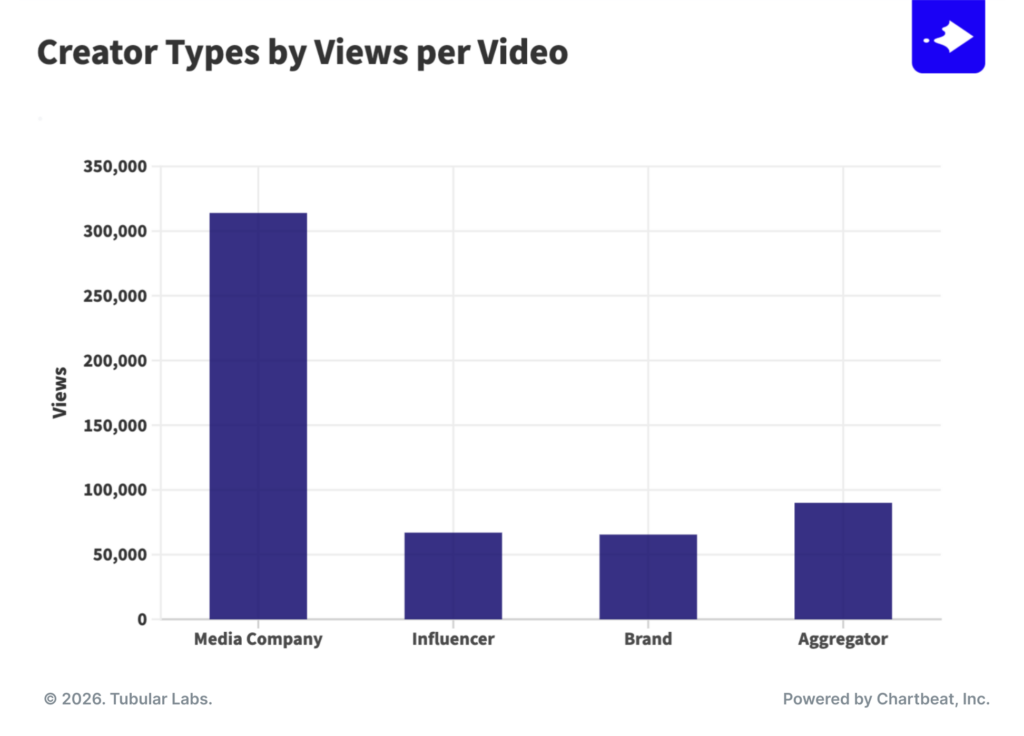
However, data analysis of TikTok creator types highlights a nuanced reality: while influencers can capture lightning in a bottle with viral individual hits, media organizations benefit from consistent infrastructure. The optimal strategy combines the high-impact engagement of creator-led storytelling with the distribution efficiency of established media networks.
2. Breaking Out of the Sports Niche
You do not need to cover sports to join a global conversation. While sports media naturally claimed the top spot for total cumulative views, non-sports creators leveraged the tournament’s 48-team global footprint to capture niche audiences.
The Food & Drink category serves as a prime example of a winning vertical. Food creators capitalized on the tournament by bridging the gap between match days and culinary traditions. Content ranged from game-day cocktail recipes and ultimate tailgating snack guides to hyper-localized videos highlighting the traditional cuisines of the specific nations competing on any given day. By aligning their content with universal human experiences—eating, drinking, and gathering—these creators tapped into massive audiences that extended far beyond die-hard soccer fans.
3. Matching Video Length to Audience Attention Spans
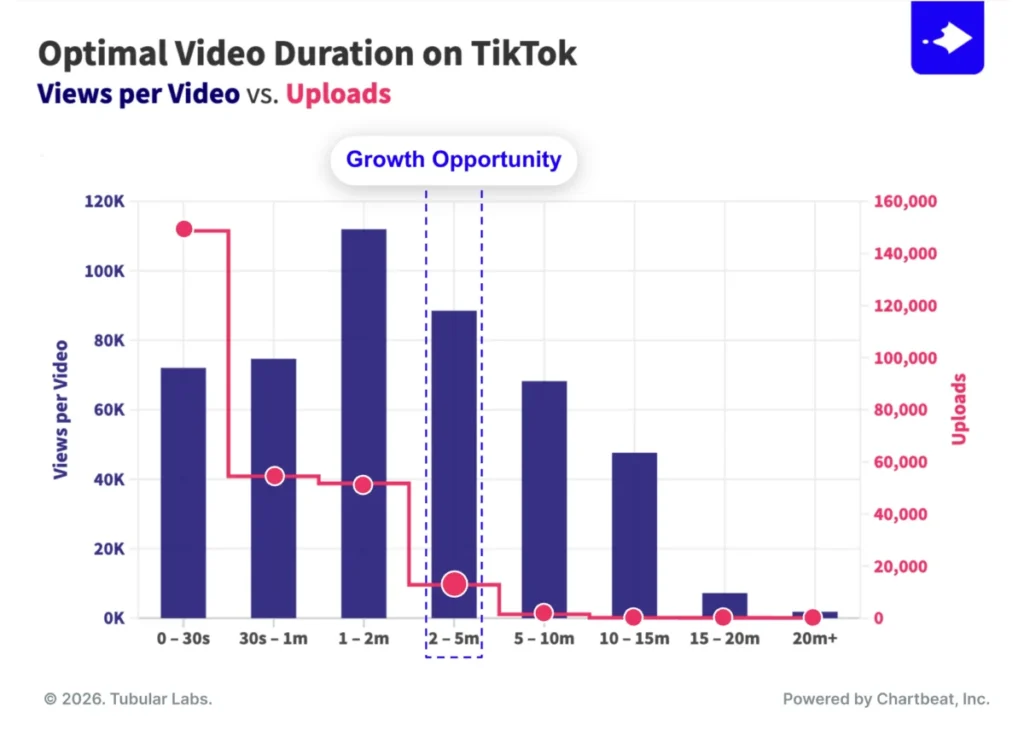
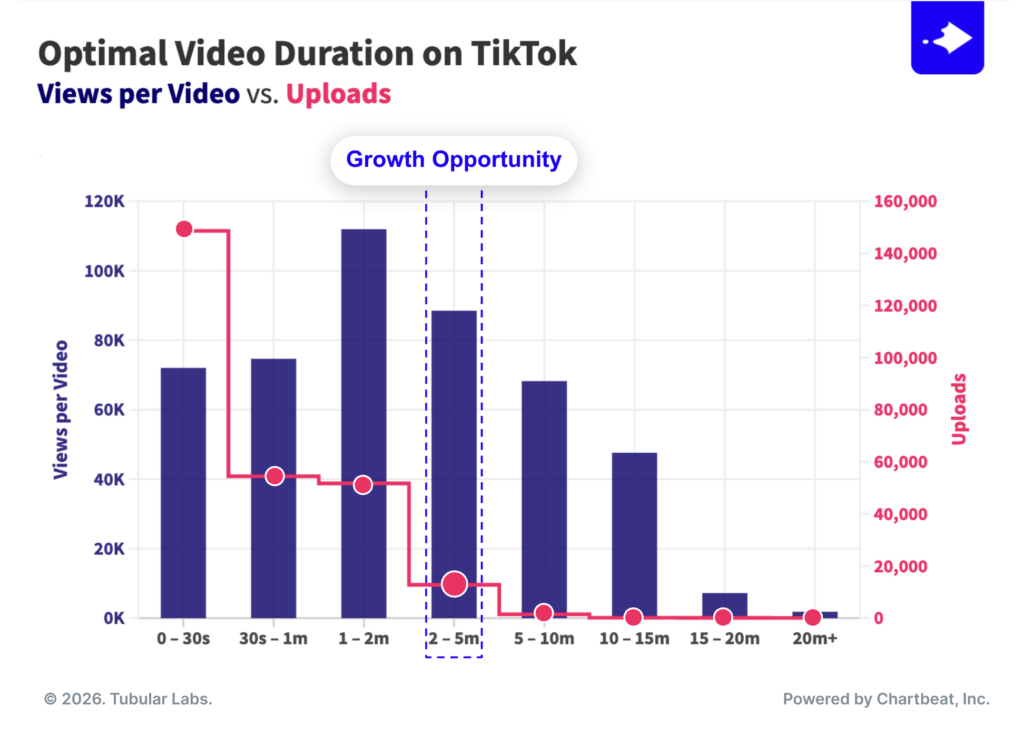
Creating great content is only half the battle; packaging it in the right format is equally critical. Analyzing optimal video durations on platforms like TikTok revealed strict parameters for audience retention during high-stakes cultural events.
Audiences scrolling through fast-paced feeds during a major tournament have distinct thresholds for patience. Creators who relied on assumptions often saw their view-through rates plummet. Conversely, those who tailored their video lengths to match analytical viewing preferences—delivering punchy, fast-moving narratives or allowing adequate time for deep-dive analysis depending on the platform—consistently outperformed their peers.
4. Posting for Active Scrolling, Not Arbitrary Schedules
Because the World Cup is a dynamic, multi-week tournament spanning various time zones, timing is everything. A common pitfall for digital marketers is posting content when they think their audience is online, rather than looking at hard performance metrics.
Instagram data from the tournament revealed notable discrepancies between standard publishing schedules and actual audience consumption habits. Creators who audited their video performance discovered "whitespace opportunities"—periods of high audience activity paired with low publishing competition. By shifting their upload windows to match these high-engagement, low-competition windows, smart creators maximized their organic reach without increasing their production budgets.
Official Responses and Industry Perspectives
Digital media strategists and data scientists have been vocal about what these findings mean for the future of digital marketing. Industry experts emphasize that major global events should no longer be viewed through a rigid, single-industry lens.
"The old playbook of simply buying ad space or publishing standard highlights during a major tournament is no longer enough," noted a leading social video analyst. "Today’s audiences are sophisticated, hyper-fragmented, and demanding of authenticity. Whether you are a legacy broadcaster, an independent influencer, or a boutique lifestyle brand, success belongs to those who understand their audience’s behavioral data better than their competitors."
Content creators who leaned into agile, cross-category storytelling echoed these sentiments, pointing out that modern audiences crave context and community above all else. When a global event like the World Cup unites billions of people, brands that manage to weave their unique value proposition into that collective experience win long-term loyalty, not just fleeting vanity metrics.
Implications: How to Win the Next Big Cultural Moment
The takeaways from the World Cup extend far beyond soccer. As the digital landscape continues to evolve, brands, creators, and media companies must adapt their social video strategies to survive and thrive in an increasingly saturated ecosystem.
Key Strategic Takeaways for Content Creators and Brands:
- Audit and Optimize Your Posting Windows: Stop guessing when your audience is scrolling. Dive into your analytics to find the hidden gaps where user attention is high, but creator competition is low.
- Embrace Cross-Category Adaptability: If your niche has even a tangential connection to a major global event, find a creative angle to join the conversation. Relatability trumps strict category boundaries.
- Prioritize Efficiency Over Endless Noise: While consistency matters, a single high-impact, editorially sound video can outperform dozens of rushed, low-quality posts. Make every touchpoint count.
- Let Data Dictate Format: Never assume you know the ideal video length or pacing. Use platform analytics to tailor your content to actual viewing habits, ensuring a seamless user experience.
Knowing your audience deeply and acting on data-driven insights is no longer optional—it is the baseline for survival in the modern attention economy. As brands look ahead to the next wave of global cultural phenomena, those who leverage advanced social video intelligence will be the ones holding the gold medals.
