
The Modern Renaissance of Corporate Swag: Why Smart Brands Are Reclaiming Their Identity
For a brief period in the post-pandemic shuffle, the concept of "corporate swag"—those branded hoodies, ergonomic pens, and company-logo water bottles—seemed to drift into the background. As the professional world pivoted toward remote-first cultures and digital-only interactions, the tangible connection between a company and its staff felt, for a moment, like a relic of the office-bound past.
However, the pendulum is swinging back. Today, business leaders are realizing that in a fragmented, hybrid workforce, physical touchpoints are more critical than ever. The modern "swag store" has evolved from a dusty closet of leftover polyester polos into a sophisticated, automated tool for culture building. But as the demand for high-quality, on-demand branded gear rises, many companies find themselves struggling with the logistics of management.
The Strategic Power of Tangible Recognition
The skepticism some leaders hold toward corporate merchandise often stems from viewing it as an unnecessary expense rather than an investment in human capital. The data, however, paints a different picture. According to recent research from The Gratitude Effect, 85% of employees report feeling a greater sense of pride when wearing or using company-branded gear.
Furthermore, the impact on retention is measurable: 67% of employees stated that receiving an annual anniversary gift would actively encourage them to stay with their company longer.
These figures suggest that swag is no longer about the object itself; it is about the "gratitude signal" it sends. In an era where "quiet quitting" and employee burnout are top-of-mind for HR departments, a streamlined, thoughtful gifting strategy is one of the lowest-friction ways to boost morale and reinforce brand identity.
Chronology of a Merch Evolution
The evolution of corporate gifting has tracked closely with the rise of E-commerce and SaaS (Software as a Service) integration.
- The "Basement" Era (Pre-2010): Companies relied on local print shops to order massive bulk quantities of cheap pens and shirts. The result was almost always an overflow of unsold inventory and a logistical nightmare for office managers.
- The "Spreadsheet" Era (2010–2018): As digital ordering became common, HR departments began using manual spreadsheets to track employee sizes and shipping addresses. This led to high error rates and significant administrative burnout.
- The "Platform" Era (2019–Present): Today, we are in the age of automated, integrated, and "print-on-demand" (POD) swag management. Companies now demand platforms that function like consumer-facing E-commerce stores—offering global fulfillment, tax compliance, and automated workflows that sync with HR software.
Navigating the Platform Landscape
Choosing the right partner to manage your corporate store requires a deep understanding of your company’s specific needs. Do you need a "set it and forget it" storefront, or a high-touch, white-glove gifting service?
I have evaluated four leading platforms, each serving a distinct organizational philosophy. The goal here is not just to find a vendor, but to find a system that minimizes the "administrative tax" on your internal teams.
1. Fourthwall: The Modern, No-Code Storefront
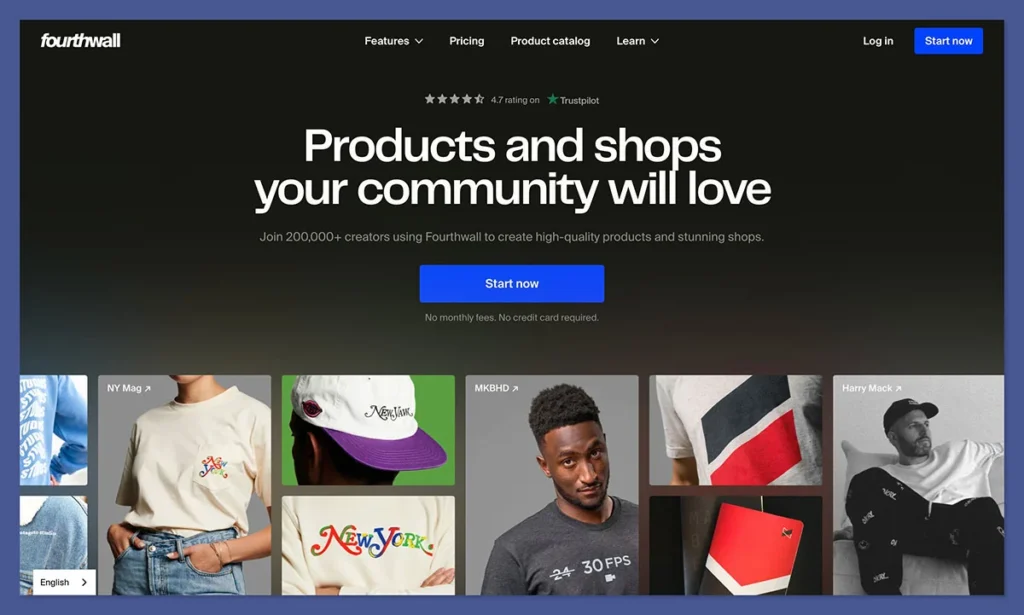
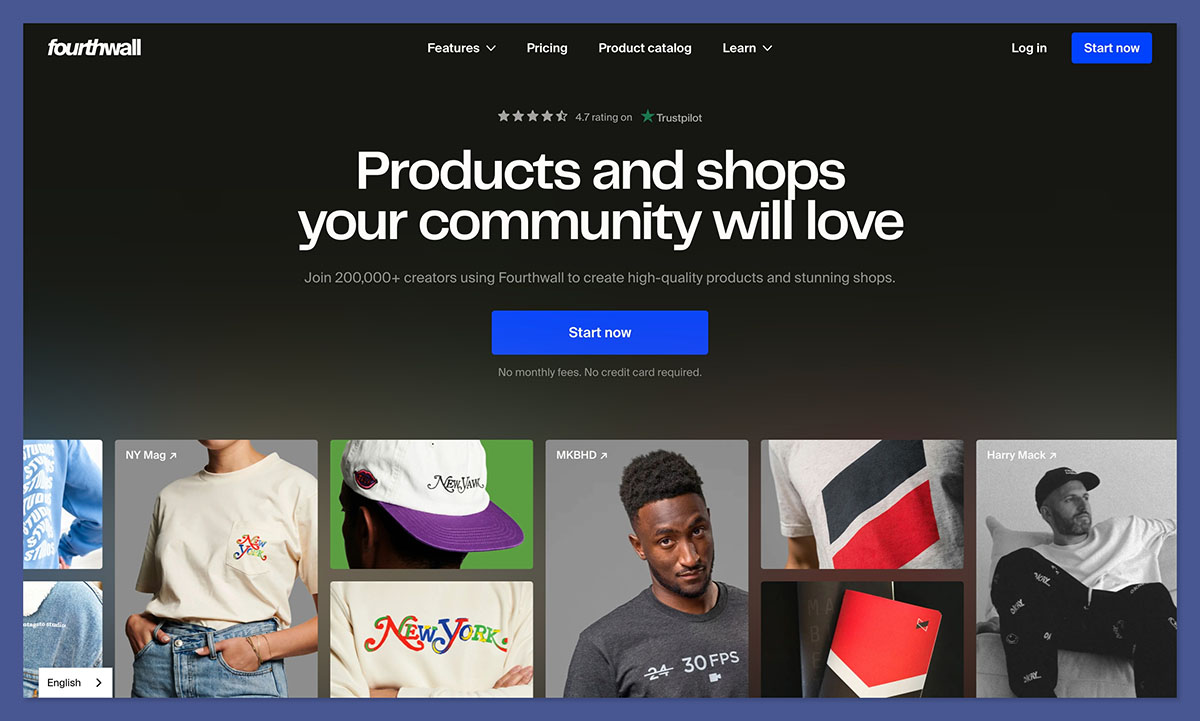
Fourthwall has emerged as a disruptor by blurring the line between influencer-style brand building and corporate merchandising. It is arguably the best choice for companies that want a professional, consumer-grade online store without the traditional headaches of bulk ordering.
Why it stands out:
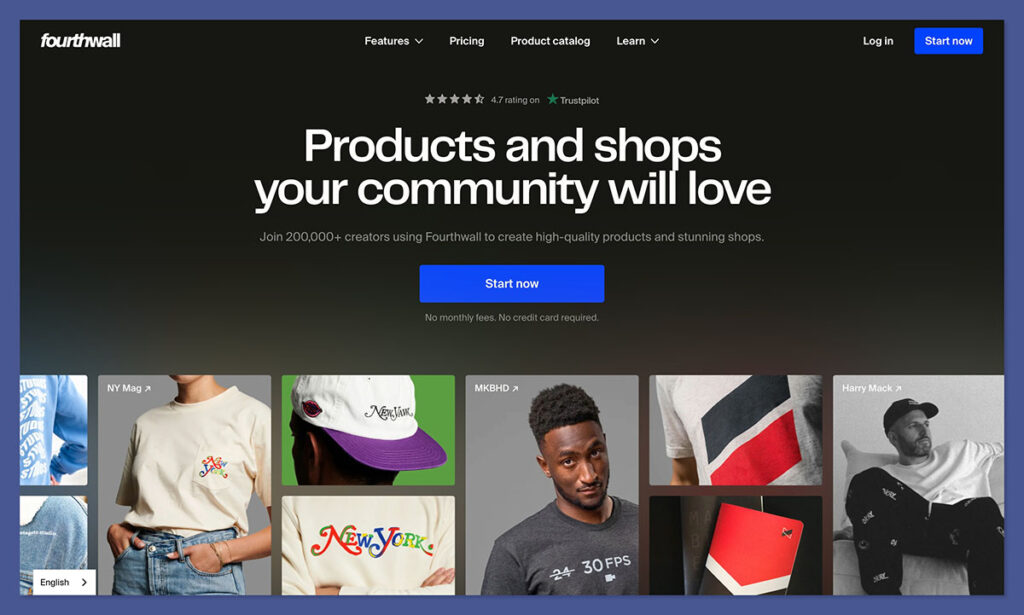
- No Upfront Costs: Unlike traditional models, you aren’t buying 500 shirts in advance. Products are printed on demand.
- Merchant of Record: Fourthwall handles the complex global tax implications, which is a massive relief for finance departments.
- User Experience: The storefronts look and feel like high-end retail sites, providing a premium experience for employees.
The Tradeoff: Because it is built for flexibility and speed, it is less suited for companies that require complex, warehouse-managed "new hire kits" that include non-apparel items like branded notebooks or electronics.
2. SwagUp: The Gold Standard for Bulk Warehousing
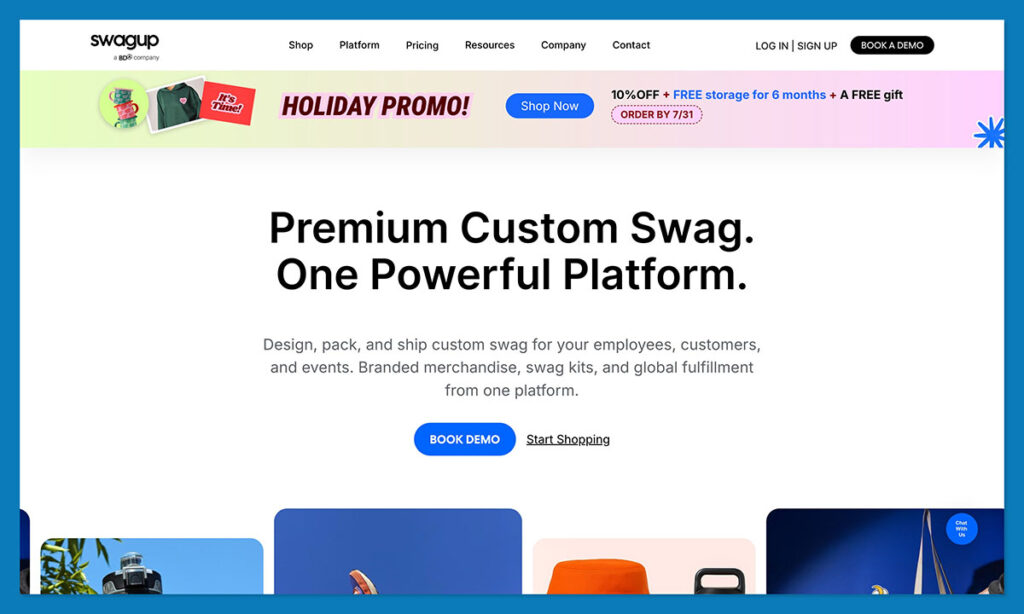
If your organization is large enough to require standardized "onboarding kits"—where every new hire gets an identical box of high-quality gear—SwagUp remains the market leader.
Why it stands out:
- End-to-End Automation: It integrates deeply with HRIS platforms like BambooHR, meaning when a new hire is added to your payroll, their swag kit is automatically triggered for assembly and shipping.
- Quality Control: With a vast catalog of over 3,800 items, they provide a vetted layer of quality assurance that is hard to find elsewhere.
The Tradeoff: The pricing is complex. Because you are paying for storage, assembly, and bulk procurement, the costs are significantly higher and require more upfront financial planning than a POD model.
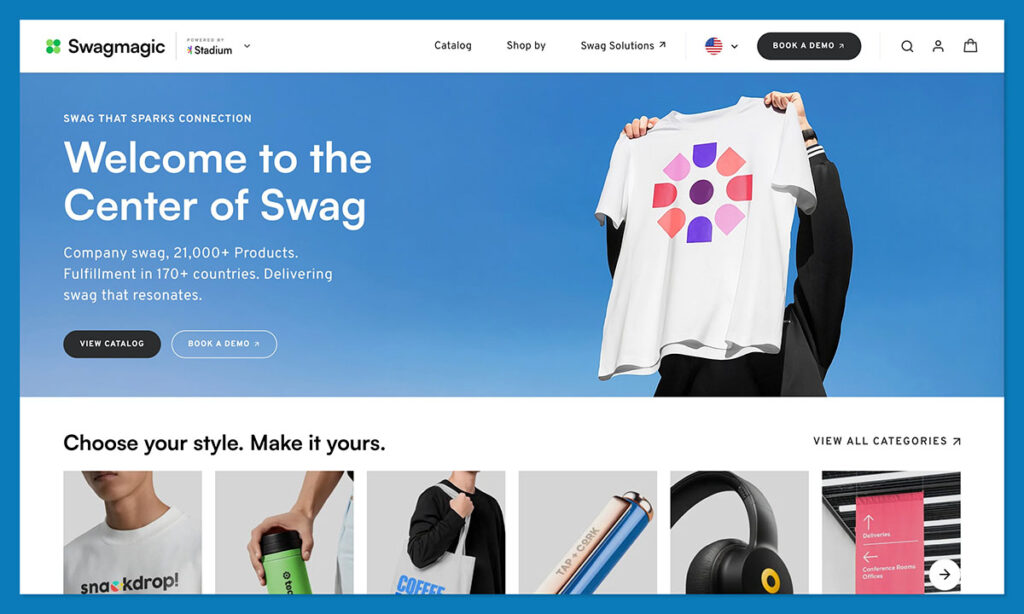
3. SwagMagic: The Global Gifting Specialist
For companies with teams spread across 170+ countries, logistics is the primary enemy. SwagMagic solves this by focusing on the recipient’s experience rather than the sender’s inventory management.
Why it stands out:
- The MagicLink: This feature allows an admin to send a single link to an employee. The employee then enters their own address and selects their own size or product preference, effectively removing the admin from the logistical loop.
- Global Reach: Their network of local partners ensures that duties and shipping times are minimized, which is essential for international operations.
The Tradeoff: The service-heavy model means it is less of a "self-serve" shop and more of a "managed service." It is not ideal for a small company that just wants a quick-and-dirty internal shop for its local team.
4. Compt: Integrating Swag into Total Rewards
Compt takes a radically different approach: instead of managing a "store," they manage a "budget."
Why it stands out:
- Flexibility: Compt integrates with your existing benefits and stipend strategy. Employees are given a budget, and they can choose to spend it on branded gear or other pre-approved wellness or professional development perks.
- Tax Compliance: By handling the tax implications of these stipends, Compt allows HR to offer gear as a perk without the messy bookkeeping associated with physical goods.
The Tradeoff: This is a benefit-first platform, not a brand-first platform. If your primary goal is to curate a specific, highly branded aesthetic for your company, the "choose your own" nature of Compt might be too loose.
The Bottom Line: How to Choose
When deciding which platform to implement, leadership should ask three defining questions:
- What is the primary pain point? If you are drowning in inventory, move to a POD model like Fourthwall. If you are drowning in shipping logistics for global teams, look toward SwagMagic.
- What is the desired culture? Do you want a "uniformed" look with standardized kits for every employee (SwagUp), or do you want to offer your team the freedom to express their brand pride in their own way (Compt/Fourthwall)?
- What is the administrative appetite? Determine if your HR team has the bandwidth to manage inventory and complex shipping, or if you need to outsource the entire lifecycle to a "done-for-you" partner.
Implications for Future Growth
The "swag problem" is, at its core, a communication problem. When a company provides high-quality, thoughtful gear, it communicates that the individual is a valued member of a collective mission. As we move further into a digital-heavy work environment, the physical manifestation of that membership—a hoodie, a mug, or a high-quality laptop bag—becomes a vital anchor.
By adopting the right technology, companies can transition from viewing swag as a "cost center" to seeing it as a "culture accelerator." The platforms mentioned here are not merely vendors; they are essential infrastructure for the modern, distributed organization. The winners in the coming decade will be those that treat their internal branding with the same level of care and sophistication they currently apply to their external customer experience.
