
Beyond the Tip Jar: The Ultimate Guide to Scaling Your Creator Business in 2026
For many creators, the journey to monetization begins with a simple "tip jar." Platforms like Ko-fi have become the industry standard for those dipping their toes into the creator economy, offering a low-barrier, no-pressure environment to collect donations, sell the occasional digital download, or manage basic memberships. It is a fantastic entry point. However, there comes a turning point in every creative career where the "simple" tools of the past begin to feel like a ceiling rather than a foundation.
As your audience grows and your creative output diversifies—whether you are an artist transitioning to physical prints, a podcaster launching a premium subscription, or an educator building an online course—you may find that Ko-fi’s lack of specialized features limits your potential. You aren’t just a creator anymore; you are a business owner.
In this comprehensive guide, we examine the landscape of creator monetization in 2026, reviewing the top-rated alternatives that offer the control, customization, and scalability required to professionalize your practice.
The Strategic Shift: When to Graduate from Entry-Level Tools
The transition from a hobbyist approach to a professionalized creator business is marked by a need for more robust infrastructure. While Ko-fi excels in simplicity, professional creators often require:
- Advanced Fulfillment: Automated shipping and inventory management for physical goods.
- Deep Integration: The ability to gate content on a personal website rather than a third-party domain.
- Comprehensive Marketing: Native email automation, affiliate tracking, and granular sales analytics.
- Revenue Optimization: Lower platform fees and flexible payout structures that reward scaling.
Quick Comparison: Evaluating the Marketplace
| Platform | Best For | Starting Price | Platform Fee | Standout Feature |
|---|---|---|---|---|
| Patreon | Membership content | Free | 10% | Built-in community tools |
| Buy Me a Coffee | Simple donations | Free | 5% | One-time tips/memberships |
| Fourthwall | Merch & digital | Free | 5% (digital) | Integrated merch fulfillment |
| Gumroad | Digital sales | Free | 10% + $0.50 | Instant checkout |
| Payhip | Scalable storefronts | Free | 5% (on Free) | Flexible pricing tiers |
| Substack | Newsletter/Writing | Free | 10% | Email distribution |
| Memberful | Site integration | Custom | 4.9% | Own-site memberships |
| Podia | Courses/All-in-one | $33/mo | 5% | Course & email synergy |
| Liberapay | Recurring donations | Free | 0% | Non-profit model |
1. Fourthwall: The Powerhouse for Physical Merchandise
Fourthwall has emerged as the premier choice for creators who want to bridge the gap between digital content and physical goods. Unlike most alternatives that treat merchandise as an afterthought, Fourthwall is built around it.
Implications for Creators:
Fourthwall handles the end-to-end logistics of merchandise, from design uploading to manufacturing and global shipping. For a YouTuber or TikToker, this means you can focus on content while the platform manages the supply chain. During our testing, the storefront customization was superior to competitors, allowing for a brand-consistent experience that doesn’t feel like a generic "marketplace" page.
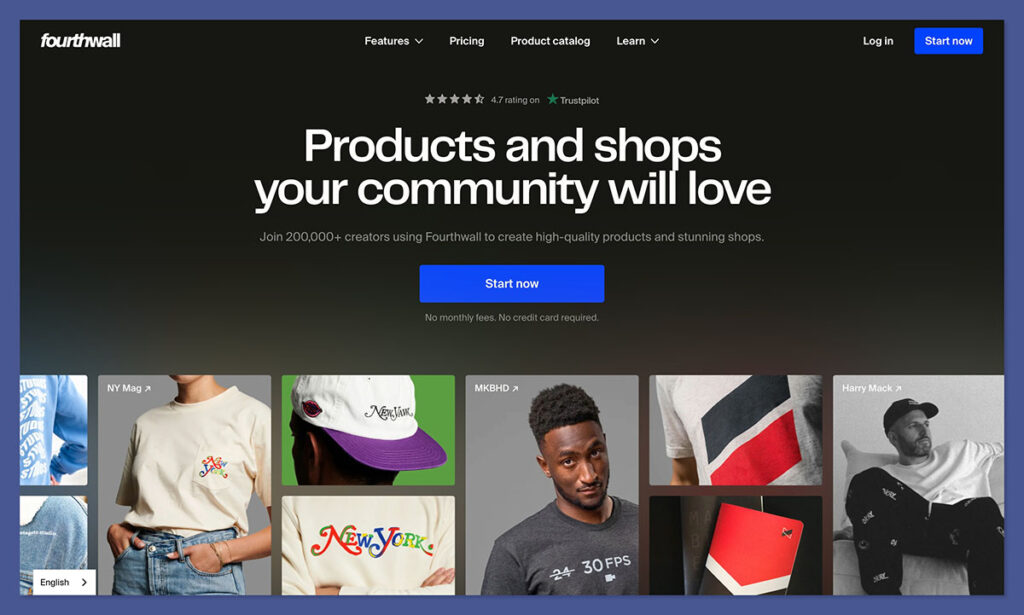
Why choose it? If you have a visual brand and want to sell high-quality apparel or accessories without touching a packing tape dispenser, Fourthwall is the gold standard for 2026.
2. Patreon: The Community Backbone
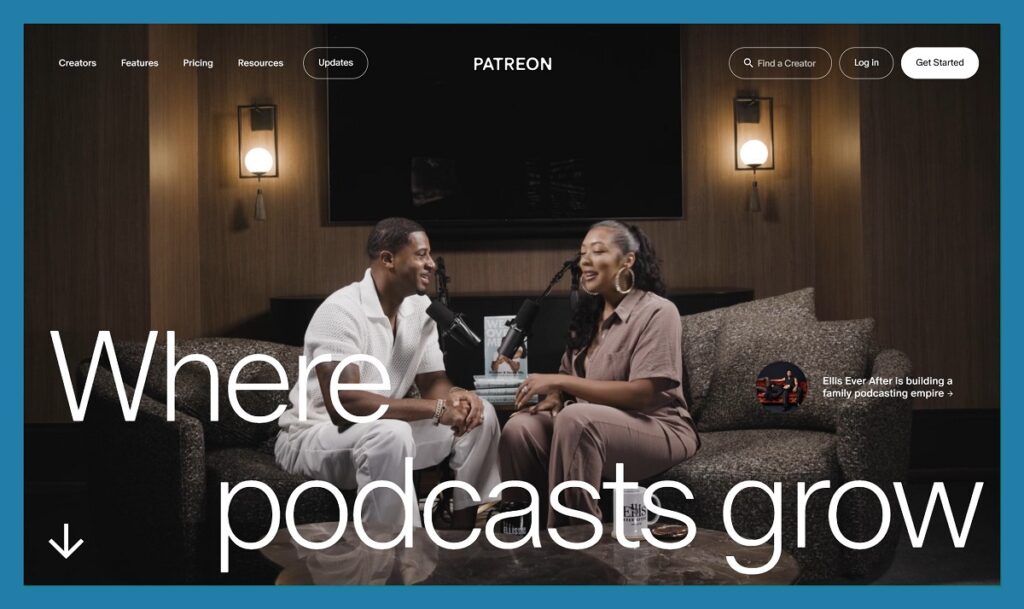
Patreon remains the undisputed king of the membership economy. It is not merely a payment processor; it is a community management hub.
Chronology of Growth:
Over the last two years, Patreon has shifted its focus heavily toward "creator-led" discovery and retention. By introducing native video hosting and more robust direct messaging, they have effectively reduced the need for external community apps like Discord.
Supporting Data:
Patreon’s retention rates for creators remain the highest in the industry. While the 10% platform fee is on the higher side, the platform’s ability to turn a casual follower into a recurring monthly subscriber is unmatched.
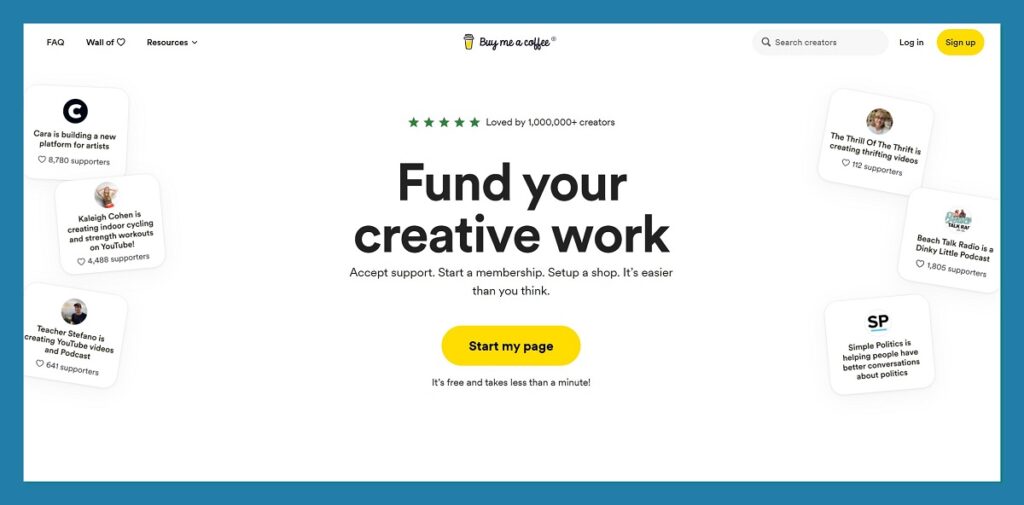
3. Buy Me a Coffee: The Minimalist’s Choice
If you want to maintain the "low-pressure" feel of Ko-fi but need a more polished, modern interface, Buy Me a Coffee is the logical upgrade.
Main Facts:
It is designed for speed. The user experience is frictionless—fans can "buy you a coffee" in two clicks. The platform recently expanded its capabilities to include more robust membership perks and digital downloads, making it a perfect middle ground for creators who are not yet ready for a full-scale ecommerce store.
4. Gumroad: Velocity in Digital Sales
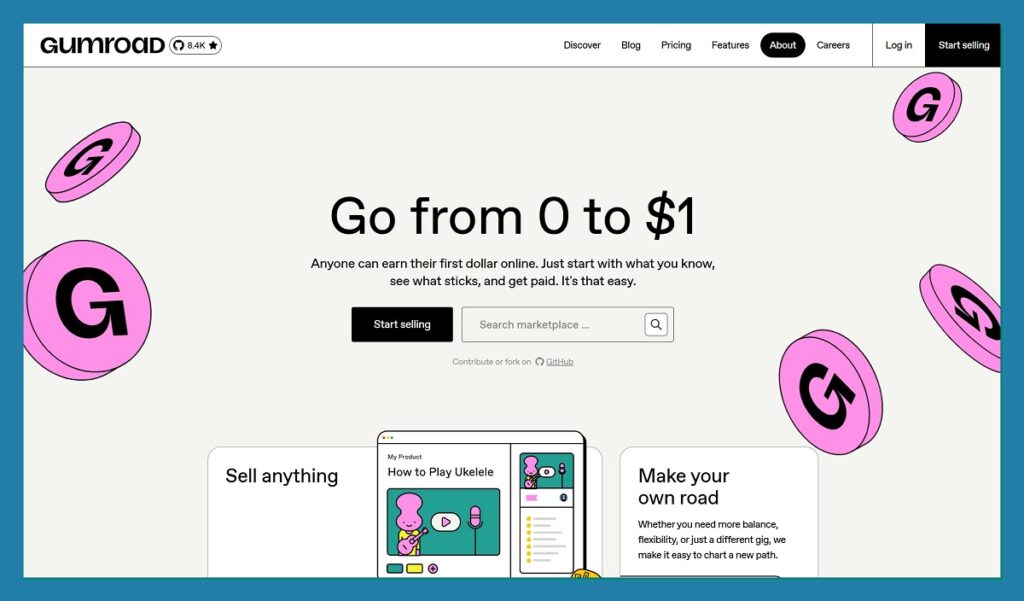
Gumroad has built its reputation on one principle: get the product in front of the buyer and close the deal instantly.
Professional Insight:
Gumroad is not for community building. It is for selling. Whether it is an e-book, a software plugin, or a design template, Gumroad’s checkout process is legendary for its conversion rates. If your business model revolves around high-volume digital product sales rather than long-term subscription cycles, Gumroad is your most effective tool.
5. Payhip: The Scalable Storefront
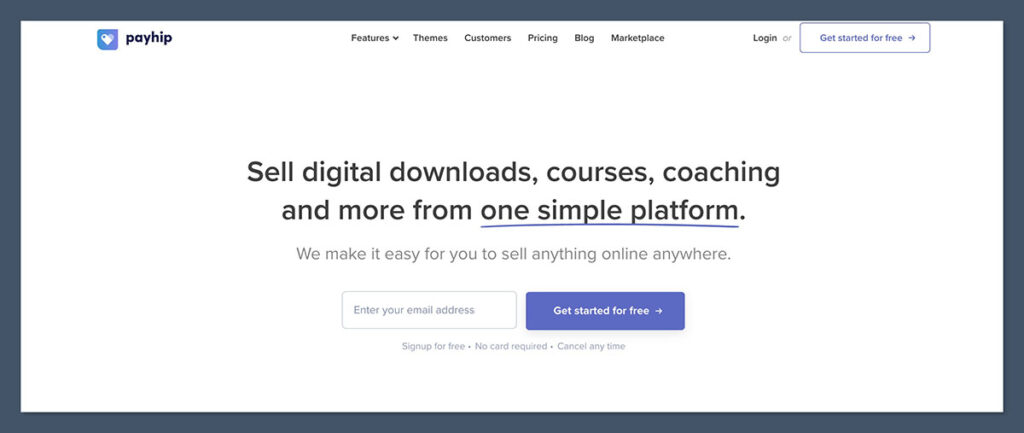
Payhip is perhaps the most underrated tool in the creator economy. It offers a unique value proposition: you can choose your fee structure.
Implications of the Fee Model:
Payhip offers a free plan with a 5% fee, but as your revenue grows, you can opt for their "Pro" plan for $99/month, which drops your platform fees to 0%. This makes it a rare, truly scalable solution for creators who eventually hit high-volume sales. It supports everything from digital files to coaching services and even physical products.
6. Substack: The Writer’s Ecosystem
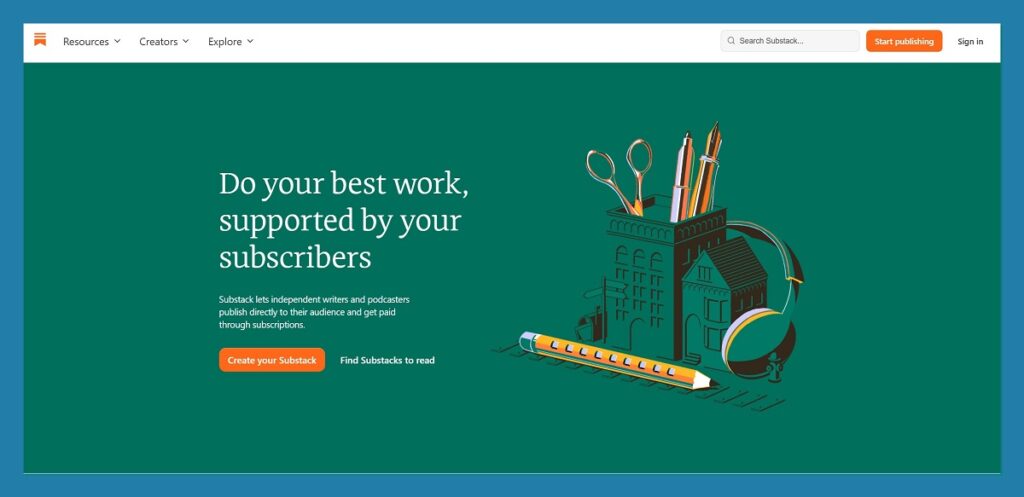
Substack has transformed from a simple newsletter tool into a comprehensive media platform.
Official Response & Strategy:
Substack’s growth strategy is centered on its "recommendation network." By allowing creators to cross-promote each other, Substack helps writers reach new audiences organically. For journalists, novelists, and essayists, this platform is the most direct path to a sustainable, subscription-based income.
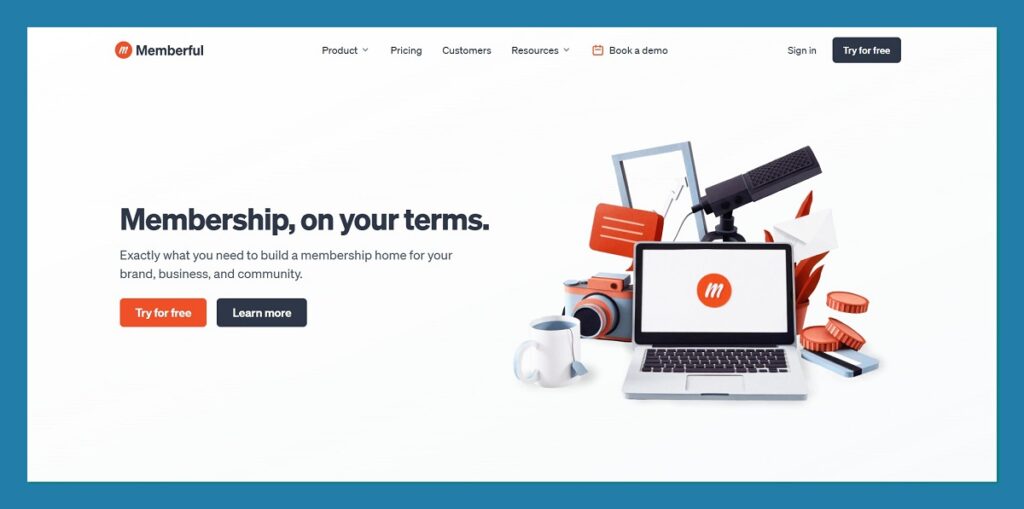
7. Memberful: Total Brand Sovereignty
Memberful is for the creator who is tired of being "deplatformed" or restricted by someone else’s UI.
Technical Implications:
Memberful integrates directly into your existing website (such as a WordPress or Ghost blog). This means your users never have to leave your brand’s environment to sign up, log in, or access gated content. While it requires more technical effort to set up than a platform like Patreon, the payoff is absolute ownership of your customer data and user journey.
8. Podia: The All-in-One Business Suite
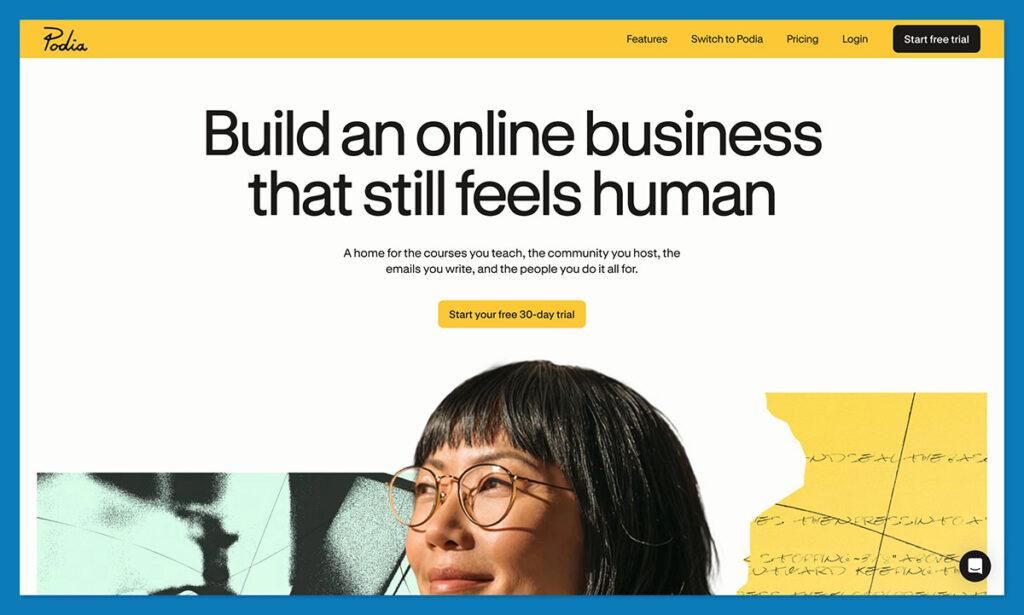
For the coach, the educator, or the multi-hyphenate creator, Podia is the "all-in-one" dream.
Supporting Data:
Podia replaces at least four separate tools: an email marketing service, a course hosting platform, a digital product storefront, and a membership site. By consolidating these functions, creators save significant money on "subscription bloat"—the hidden cost of paying for five different software tools every month.
9. Liberapay: The Ethical Alternative
Liberapay is a non-profit, open-source project.
Why it Matters:
In a world of predatory platform fees, Liberapay stands out by taking zero percentage. It is purely for donations. It is an ideal secondary tool for creators who have an established audience and want to provide a way for fans to contribute to their work without the platform skimming off the top.
Final Thoughts: Designing Your Revenue Stack
Choosing the right platform in 2026 is no longer about finding "the best one"—it is about finding the right mix. Many of the most successful creators today operate on a "layered" strategy. They might use:
- Substack for free content distribution to build their top-of-funnel audience.
- Fourthwall for high-margin physical merchandise sales.
- Memberful to host premium, high-value gated content on their own website.
The most important takeaway is that your platform choice should never be permanent. As your creative practice evolves, your tools should evolve with it. Start by auditing your current workflow: what is the most time-consuming part of your business? If it’s shipping, look at Fourthwall. If it’s community engagement, look at Patreon. If it’s content management, look at Podia.
The creator economy is maturing. Your audience is willing to support you, provided you make it easy, professional, and accessible. By moving away from "entry-level" tools and into platforms designed for growth, you aren’t just changing your software—you are signaling to your audience that your work is a professional enterprise worth investing in.
Take the leap, test these tools, and remember: the best platform is the one that allows you to spend less time managing software and more time creating the work that your audience loves.
