
The High Cost of Shortcuts: A Comprehensive Guide to Buying Email Lists
In the high-pressure world of B2B sales and marketing, the siren song of a "pre-built" email list is difficult to ignore. For a growing team, the prospect of instantly gaining access to thousands of potential leads—without the grueling, multi-year process of organic list building—can seem like a strategic masterstroke. However, seasoned marketers and legal experts warn that buying email lists is rarely the shortcut it promises to be. Instead, it is often a fast track to damaged brand reputation, severe legal penalties, and the permanent blacklisting of your corporate domain.
Main Facts: The Reality of Purchased Data
Teams generally consider purchasing email lists for two primary purposes: broad-spectrum email marketing (newsletters, product announcements) and targeted cold outreach. While the intent is to drive growth, the execution is fundamentally flawed.
For traditional email marketing—where you are blasting newsletters to a large audience—purchased lists are universally considered off-limits. Most reputable Email Service Providers (ESPs) like Mailchimp, HubSpot, or Klaviyo will immediately flag or suspend accounts that attempt to use third-party lists, as these platforms operate on strict "permission-based" marketing models. If a recipient has not explicitly opted into your specific communication, sending them an unsolicited message is not just bad manners; it is a violation of the service agreements that keep your email infrastructure operational.
For personalized cold outreach, the lines are blurrier, but the risks remain high. While high-quality, targeted data can sometimes generate leads, the "junk" factor is pervasive. Purchased lists are frequently contaminated with "spam traps"—email addresses seeded across the web specifically by anti-spam organizations to identify and penalize entities that scrape or buy data.
Chronology of Risk: Why Lists Decay
To understand the futility of purchasing static lists, one must understand the lifecycle of B2B data. Industry analysts estimate that B2B contact data decays at a rate of 20% to 30% per year. This "data rot" is driven by the fluidity of the modern workforce:
- The 3-Month Window: Employees change roles, get promoted, or switch companies. A list that is accurate in January may be 10% obsolete by April.
- The Annual Cliff: Within 12 months, nearly a third of your contacts may no longer hold the position or even the email address associated with their entry in your database.
- The Tech-Heavy Acceleration: In fast-moving industries like SaaS and technology, turnover is significantly higher, meaning your purchased list is essentially a depreciating asset from the moment of purchase.
Supporting Data and Technical Implications
The technical repercussions of using a low-quality list are severe. Inbox providers (such as Gmail, Outlook, and Yahoo) utilize sophisticated algorithms to maintain the health of their ecosystems. When you send emails to a bought list, you trigger a series of "red flags":
- High Bounce Rates: Sending to addresses that no longer exist is a primary indicator of spam behavior. If your bounce rate climbs above 2–5%, your domain reputation is immediately downgraded.
- Low Engagement: If your emails aren’t opened, or worse, are deleted immediately upon receipt, the provider assumes your content is unwanted.
- The Blacklist Effect: Once your domain is blacklisted, even your legitimate, transactional emails (like password resets or order confirmations) may end up in the junk folder, effectively crippling your ability to conduct business.
Legal Implications: GDPR, CAN-SPAM, and Beyond
The legal landscape surrounding unsolicited email is increasingly hostile toward list buyers.
- CAN-SPAM (United States): While this act is more permissive than European standards, it still mandates that senders identify themselves as commercial, provide a physical mailing address, and—most importantly—honor opt-out requests immediately. Failing to do so can result in massive fines per email sent.
- GDPR (European Union): The General Data Protection Regulation is significantly more stringent. Under GDPR, you generally cannot email EU residents from a bought list because the required "explicit consent" was never given to you. While some companies attempt to justify this under "legitimate interest," the legal threshold is high, and the potential fines are astronomical.
Smarter Alternatives to Buying Lists
Given these risks, successful organizations are shifting toward more sustainable growth models:
1. Organic In-House Building
The most effective way to secure high-intent leads is through owned channels. By offering valuable content—white papers, webinars, or industry reports—in exchange for an email address, you ensure that the recipient is genuinely interested in your brand. While this takes time, the Return on Investment (ROI) is exponentially higher than that of a purchased list.
2. List Rental and Sponsorship
If you need to reach a specific audience quickly, consider renting a list or sponsoring an established newsletter. In this scenario, you pay a third party to send your message to their audience. Because the audience has already opted in to the publisher’s content, the risk remains with the list owner. You never "own" the data, which keeps you compliant, but you gain immediate access to an engaged community.
3. Subscription-Based Data Platforms
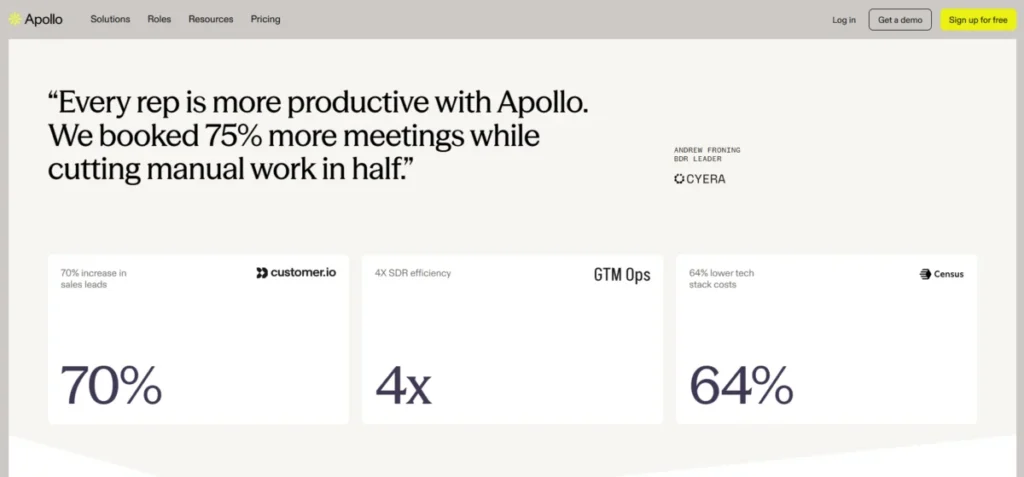
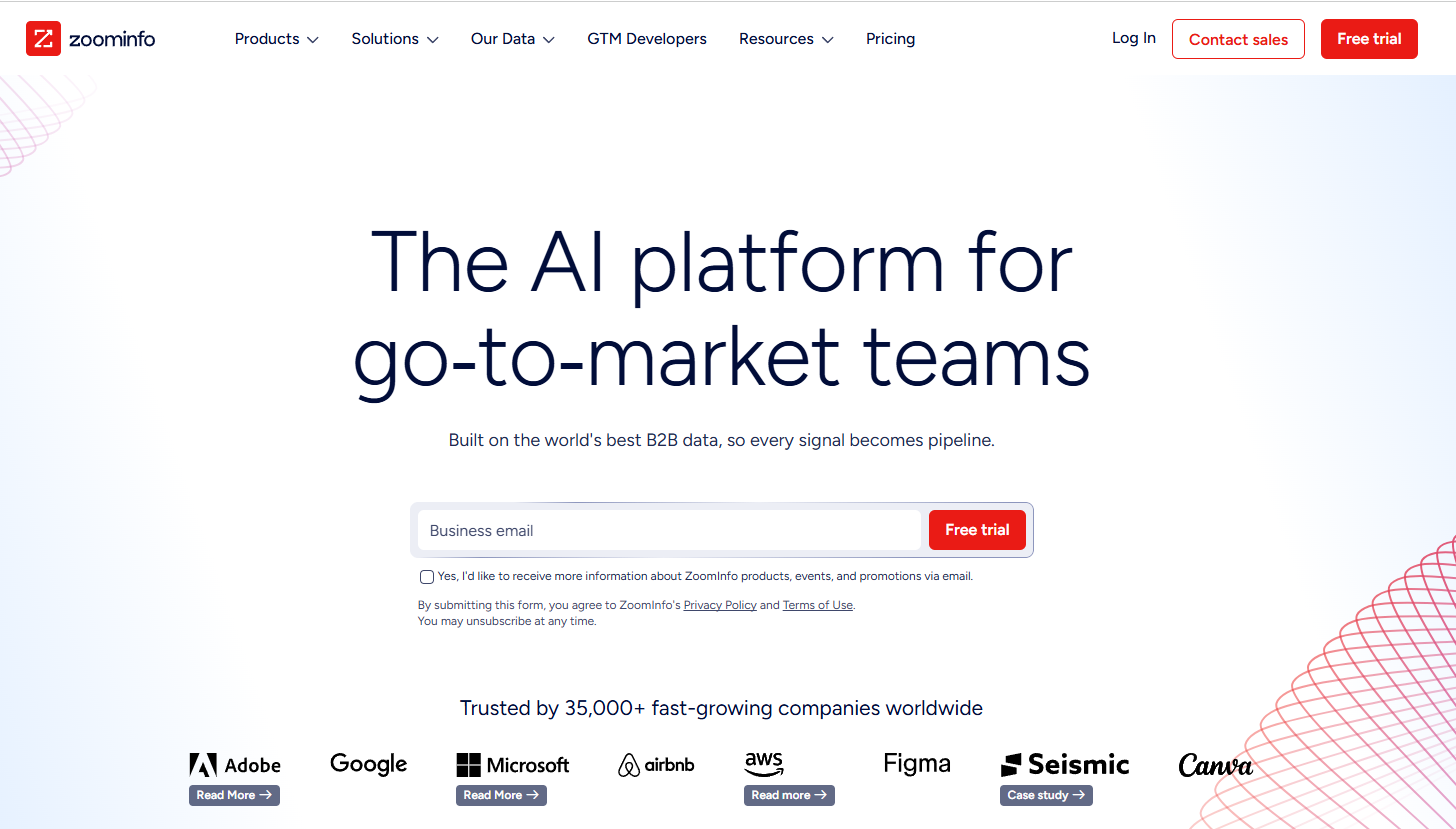
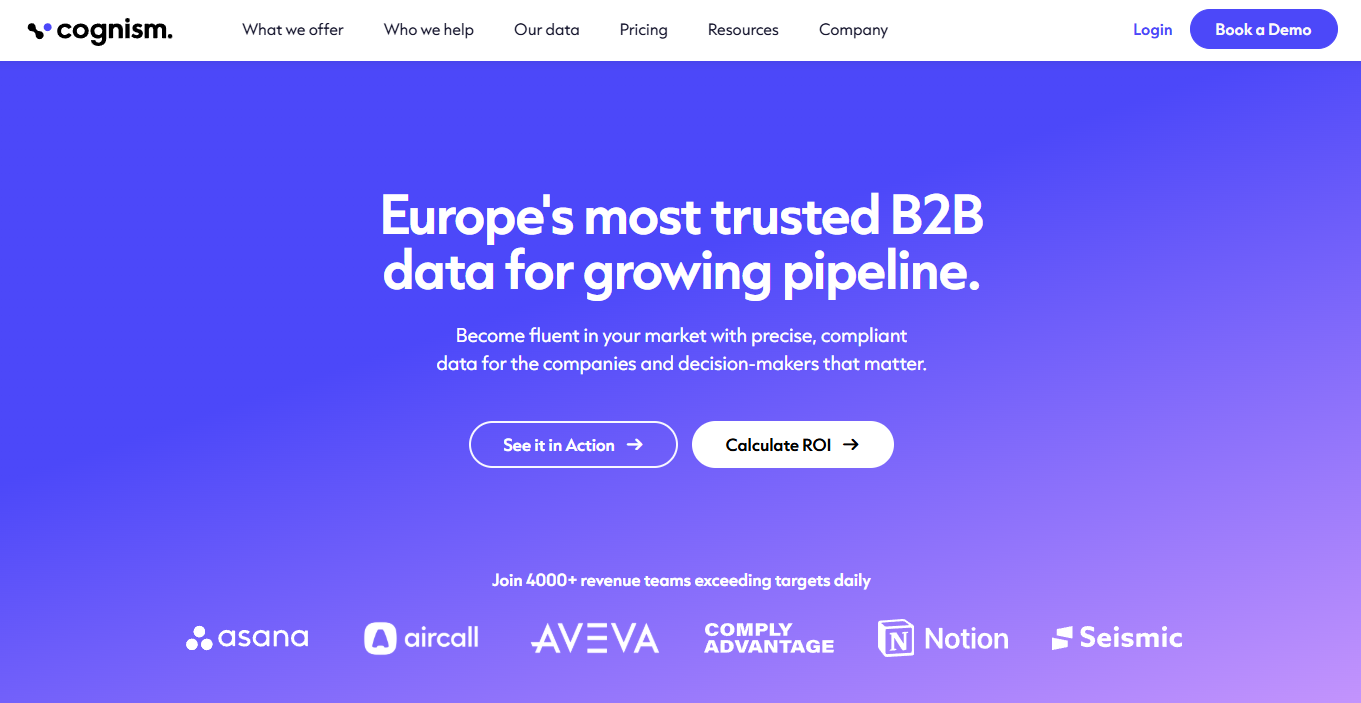
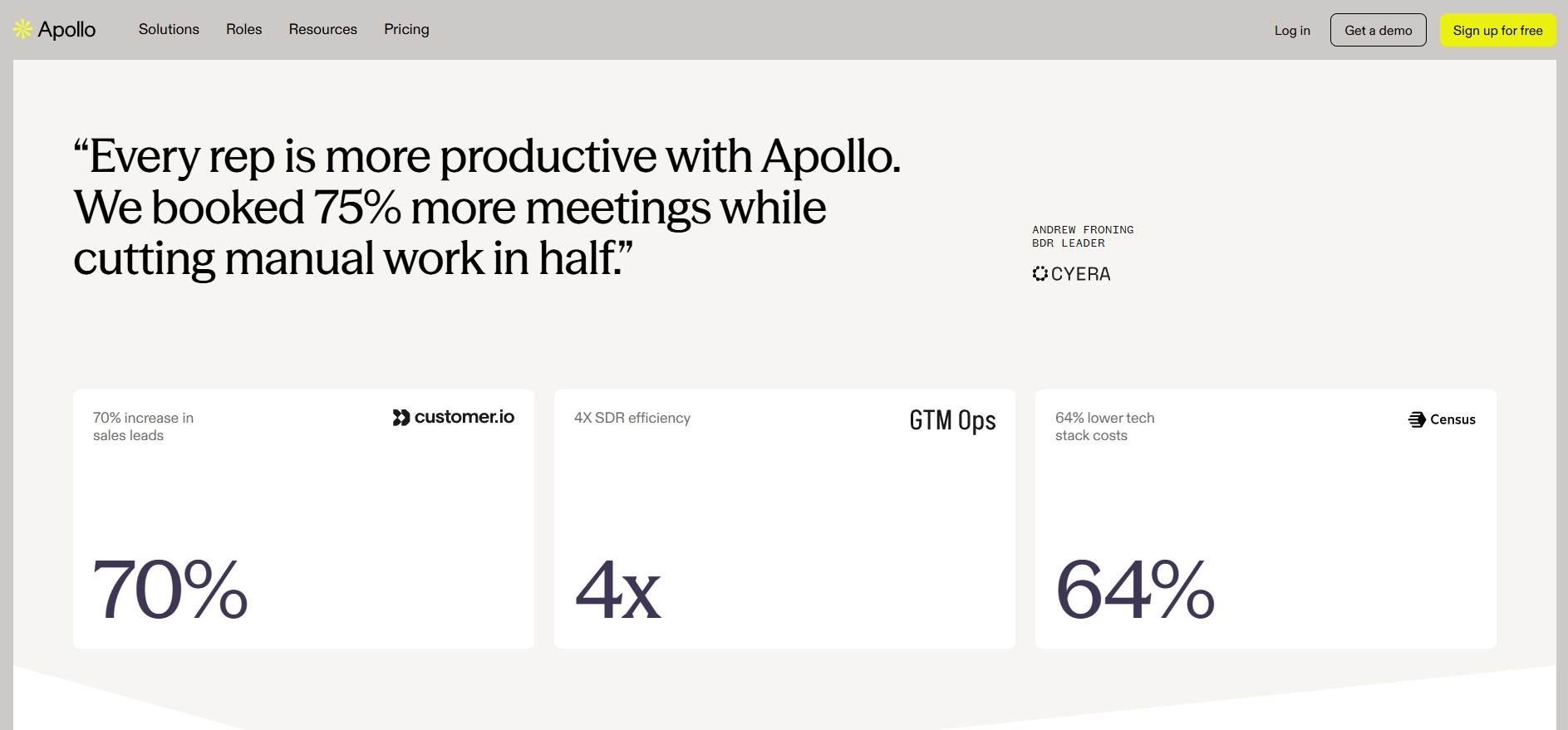
Rather than buying a static file that begins decaying immediately, consider subscribing to a dynamic database like ZoomInfo, Cognism, or Apollo. These platforms provide ongoing access to refreshed data, technographic signals, and intent indicators, allowing you to build lists that are accurate at the time of outreach rather than at the time of purchase.
What to Demand from Any Data Vendor
If your strategy dictates that you must use a data vendor, do not simply pay the invoice. Demand transparency:
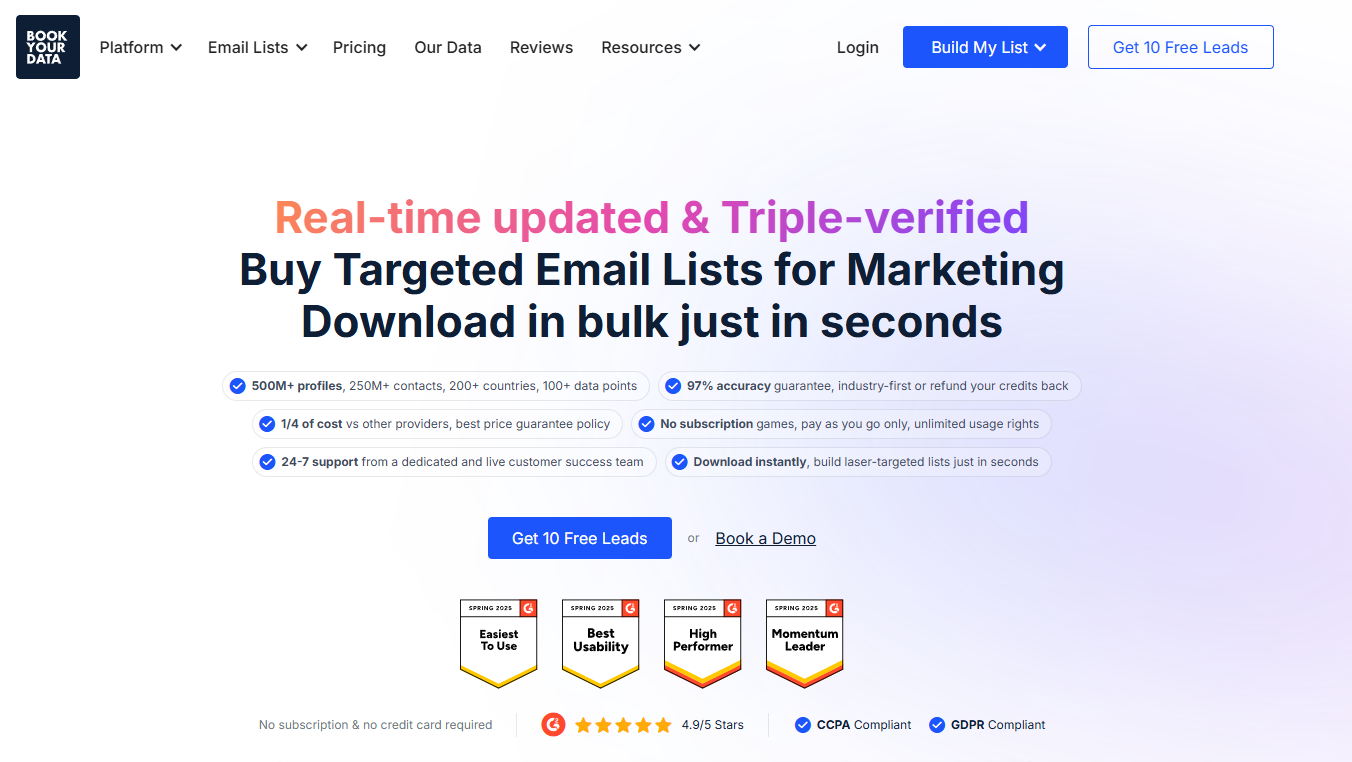
- Proof of Consent: Ask for documented evidence of how the data was collected.
- Security Standards: Ensure the vendor is SOC 2 Type II or ISO 27001 compliant.
- Verification Audits: Don’t trust "98% accuracy" claims. Run a sample of the data through a third-party verification tool before committing to a large purchase.
- Refund Policy: Ensure the contract includes a money-back guarantee for bounce rates that exceed a reasonable threshold (usually 5–10%).
Industry Outlook: A Strategic Hybrid Approach
The consensus among modern sales leaders is the "Hybrid Approach." Teams should prioritize building an in-house list for long-term marketing efforts while using reputable, subscription-based data platforms for highly targeted, personalized cold outreach.
When conducting cold outreach using these platforms, treat every campaign as a controlled experiment. Start with a small, highly relevant segment, monitor the engagement and bounce rates, and only scale once you are confident that your messaging resonates and your deliverability remains intact.
Ultimately, the goal of email is to build a relationship. Relationships cannot be bought in bulk; they are cultivated through relevance, timing, and respect for the recipient’s inbox. By abandoning the "spray and pray" mentality associated with purchased lists, companies can protect their brand reputation while fostering a pipeline of high-quality, responsive leads that will pay dividends for years to come.
