
Beyond the Newsletter: The Ultimate Guide to Beehiiv Alternatives in 2026
Beehiiv has undeniably carved out a significant niche for creators and media-first newsletters. Its rapid growth is a testament to the surging demand for independent publishing tools. However, as many scaling teams and established brands have discovered, a platform optimized for "newsletter-first" growth can sometimes hit a ceiling. As businesses evolve, the need for deep audience management, complex automation, and enterprise-grade multi-channel marketing often leads teams to look for more robust solutions.

Whether you are a growing media company feeling the constraints of current automation limits or an enterprise brand requiring stricter governance and sophisticated analytics, finding the right migration path is critical. To assist in this decision, we have synthesized data from thousands of user reviews across G2, Capterra, and Reddit to identify the best alternatives for brands ready to graduate from Beehiiv.
The Growth Bottleneck: Why Creators Outgrow Beehiiv
While Beehiiv provides a streamlined experience for building a subscriber base, user feedback highlights several recurring pain points that emerge as organizations scale:
- Pricing Sensitivity: The transition from free or entry-level tiers to paid enterprise-scale pricing can be a significant hurdle for smaller teams or newsletters with fluctuating revenue.
- Design Limitations: Users frequently cite a lack of deep template flexibility, noting that truly unique brand identities often require custom HTML/CSS workarounds rather than intuitive, native tools.
- Integration Constraints: While Beehiiv excels at its core competency, it often necessitates the use of third-party "bridge" tools like Zapier for more complex workflows, creating potential points of failure and added costs.
- Multichannel Gaps: For brands looking to bridge email with SMS, web push, or complex CRM integrations, the platform’s focus remains firmly anchored in the newsletter format, leaving a void for those requiring a holistic marketing suite.
Top 3 Alternatives at a Glance
| Tool | Best For | Key Advantage |
|---|---|---|
| Campaign Monitor | Professional Teams | AI-powered builder & advanced automation |
| Emma by Marigold | Mid-sized to Enterprise | Multi-account governance & permissions |
| Mailchimp | All-in-one Marketing | Comprehensive channel & site integration |
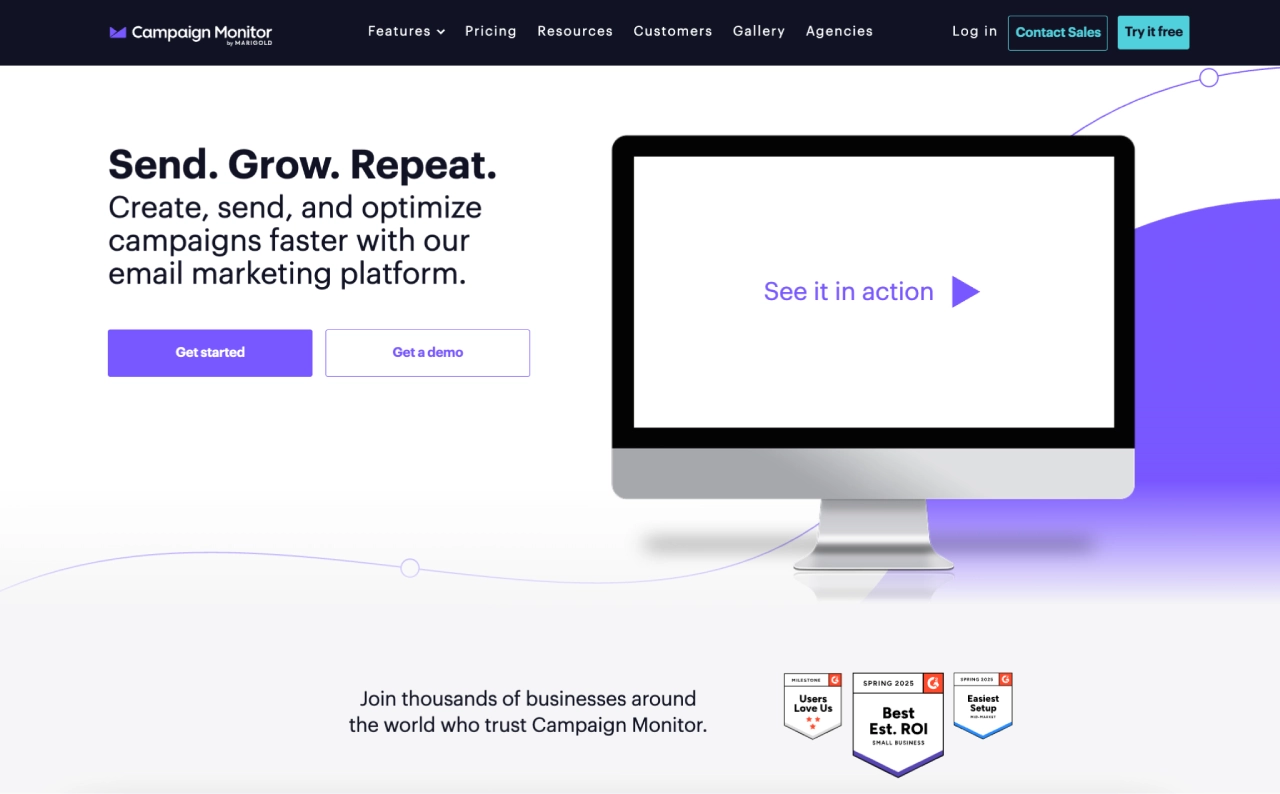
1. Campaign Monitor: The Market-Leading All-Rounder
Campaign Monitor remains the most balanced alternative for teams seeking enterprise-level power without the complexity of a steep learning curve. With over two decades of stability, it offers a sophisticated environment for brands that need their email marketing to be a reliable revenue driver.
Why It Wins
Campaign Monitor bridges the gap between ease of use and high-end functionality. Its AI-powered email builder allows teams to produce professional-grade campaigns in a fraction of the time, while the advanced automation engine handles complex, multi-step customer journeys with ease.
Implications for Your Workflow
By moving to a platform like Campaign Monitor, teams gain access to 250+ integrations, reducing the reliance on third-party middleware. The platform’s maturity also ensures superior deliverability—a critical factor for brands sending high volumes of content to maintain sender reputation.

2. Emma by Marigold: Enterprise Governance
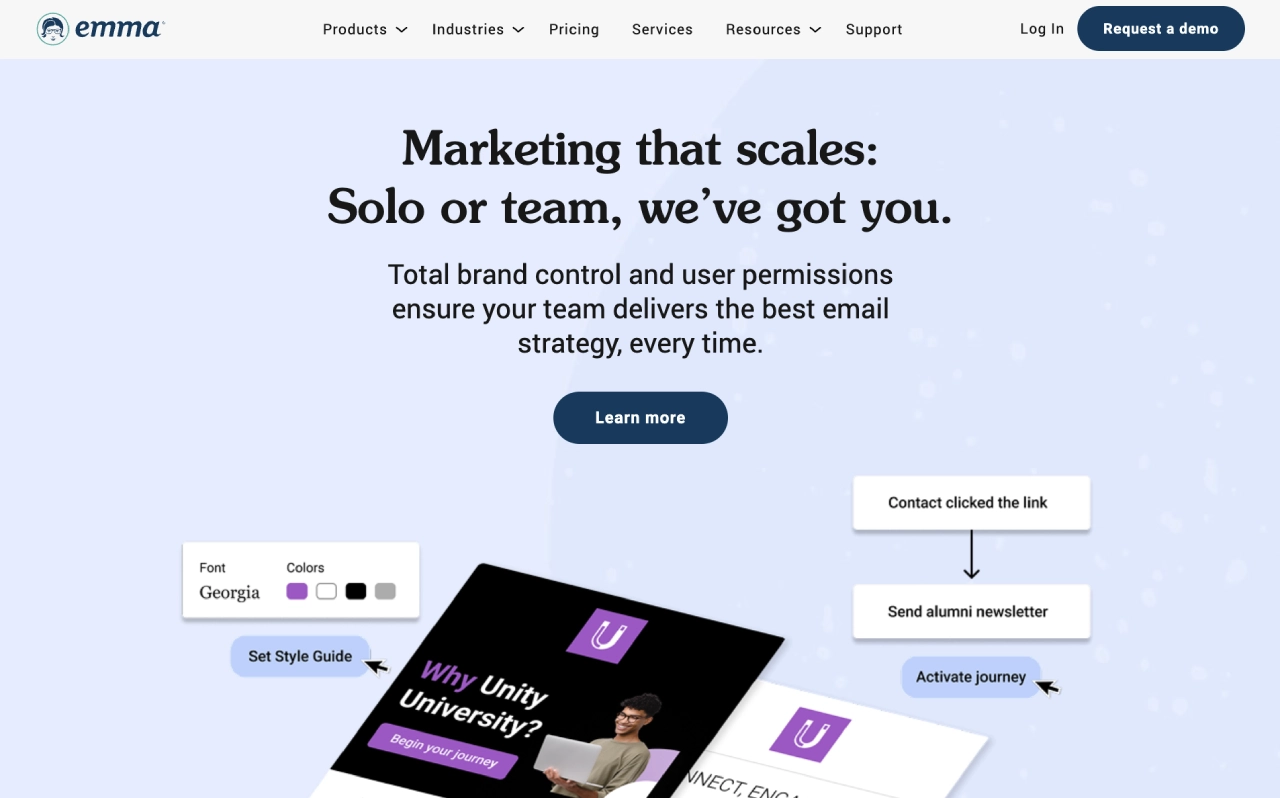
For organizations that manage multiple brands, franchises, or departments, Emma by Marigold provides a structured environment that Beehiiv lacks. It is specifically built for "brand governance," allowing administrators to lock templates and assets to ensure brand consistency across decentralized teams.
Key Features
- Approval Workflows: Ensure every email sent is vetted by the appropriate stakeholders.
- Multi-Account Structure: Manage disparate business units under one umbrella while keeping data and assets siloed or shared as needed.
- Mailing Score: A proprietary metric that provides real-time feedback on campaign health.
3. Mailchimp: The Marketing Powerhouse
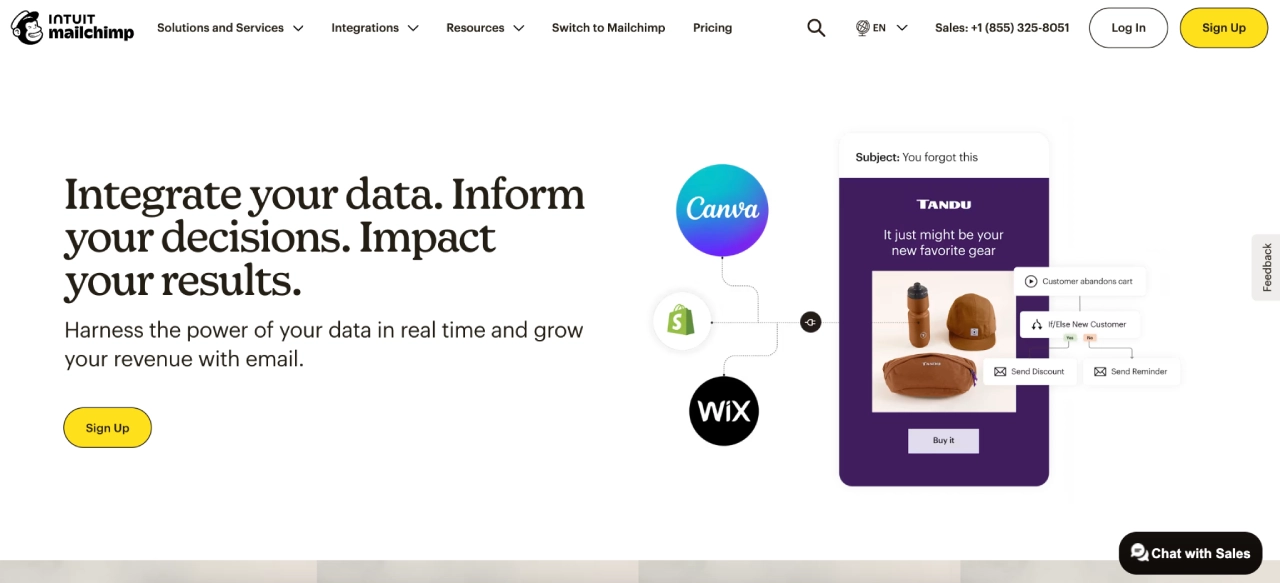
Mailchimp remains the standard for businesses that need an all-in-one solution. While its origins were in email, it has evolved into a comprehensive marketing platform that includes landing page builders, social media management, and predictive segmentation based on Customer Lifetime Value (CLV).
Strategic Advantage
Mailchimp’s strength lies in its ecosystem. If your goal is to synchronize your newsletter with SMS, social media ads, and website traffic, Mailchimp provides the unified data layer required to make those channels work together. Its predictive analytics allow marketers to target users not just by their past actions, but by their future potential.
Specialized Alternatives for Niche Needs
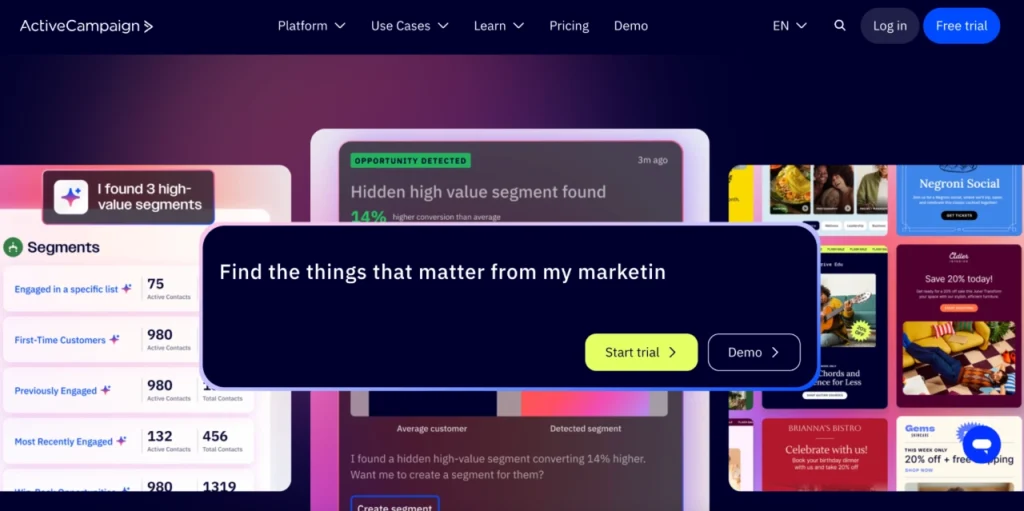
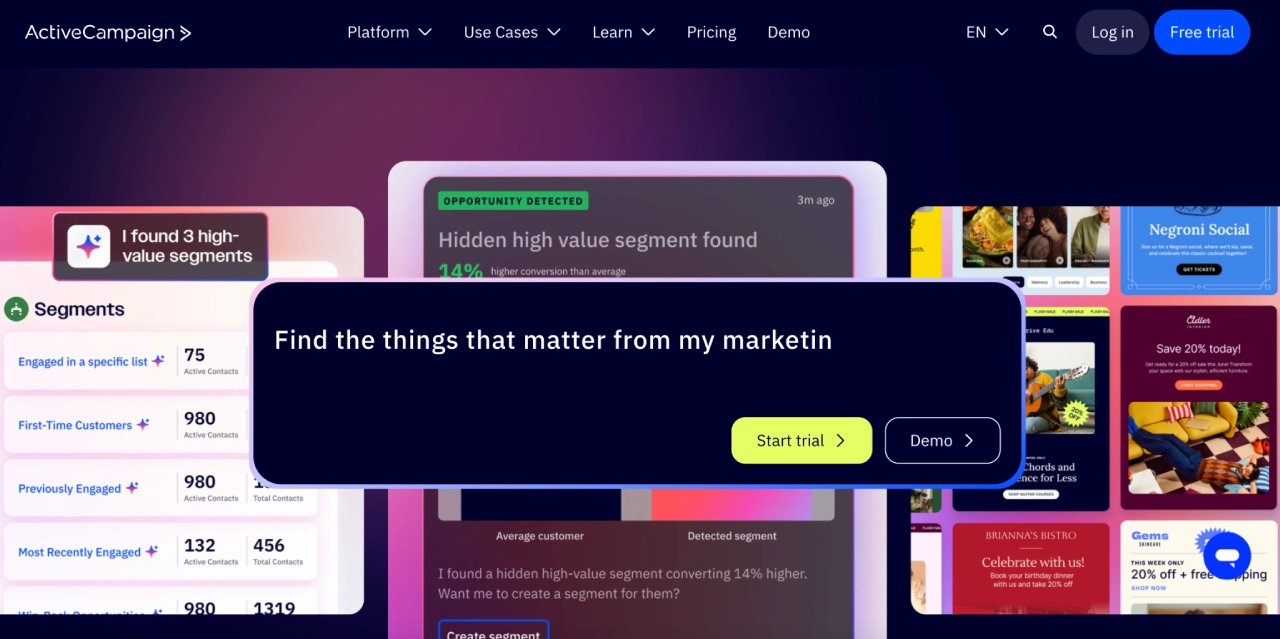
ActiveCampaign: For Automation Power Users
If your primary pain point with Beehiiv is the lack of sophisticated, multi-step automation, ActiveCampaign is the logical move. Its "automation recipe" library and AI-driven automation builder allow for logic-heavy workflows that can trigger actions based on granular user behavior, CRM activity, or lead scoring.

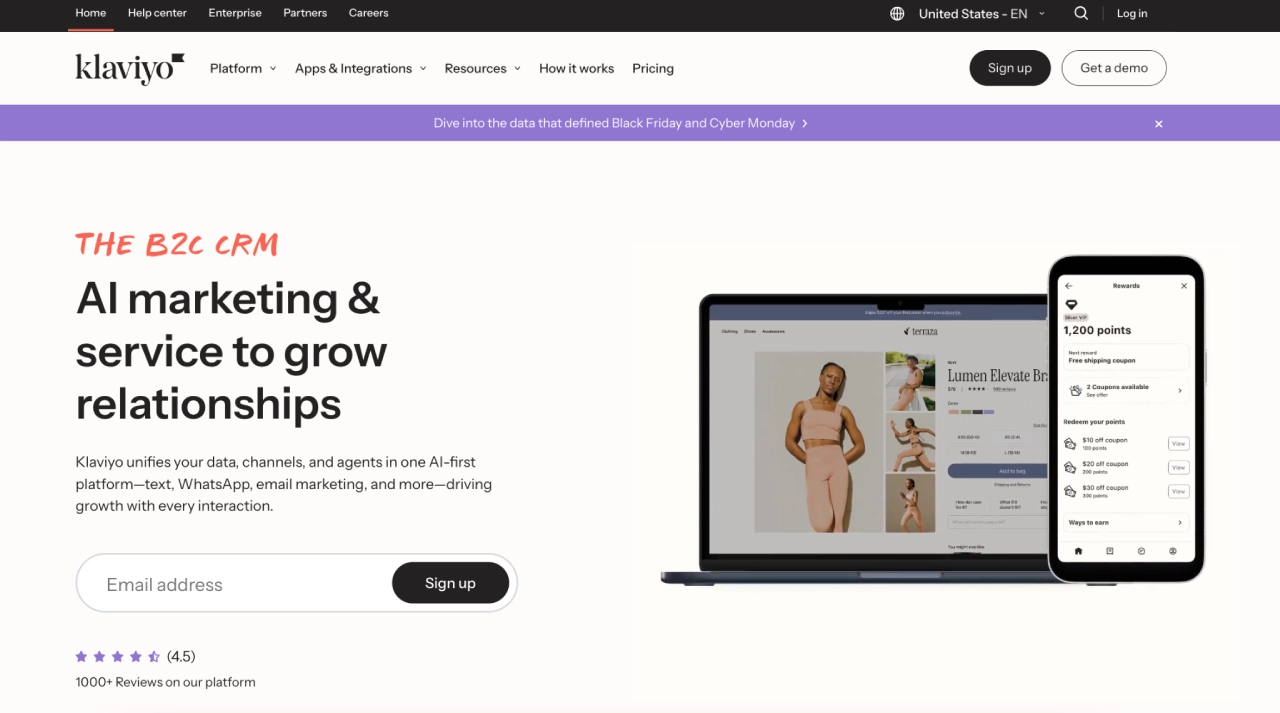
Klaviyo: The Ecommerce Titan
For B2C brands, Klaviyo is the gold standard. It unifies customer data from ecommerce platforms (like Shopify or BigCommerce) to drive revenue-focused automation. Whether it’s abandoned cart flows or predictive product recommendations, Klaviyo turns email into a direct sales channel.

Kit (ConvertKit): The Creator’s Operating System
If you still identify as a "creator" but need more robust monetization, Kit is the logical step up. It provides a unique creator-recommendations network and a more sophisticated approach to tagging and segmentation, which replaces the list-based limitations found in more basic newsletter tools.

SendGrid: For the Technical Team
For developers who prioritize API-first communication, SendGrid is unrivaled. It is not a marketing tool in the traditional sense, but an infrastructure powerhouse. It offers high-fidelity deliverability and robust testing tools that allow engineering teams to build custom communication layers within their own applications.

The Chronology of Platform Evolution
The market for email marketing platforms has moved through three distinct phases:
- The Simple Era (2000s): Basic list management and standard HTML templates.
- The Newsletter Boom (2020-2024): A shift toward simplified writing interfaces, monetization, and audience growth tools (led by platforms like Beehiiv).
- The Intelligence Era (2025-Present): The current landscape where AI-driven content generation, predictive analytics, and cross-channel orchestration are the non-negotiables for high-growth brands.
Supporting Data and Performance
The transition to a more robust platform often yields measurable results. For example, organizations moving to platforms like Campaign Monitor often see:

- Improved Open Rates: Through better A/B testing and AI-optimized send times.
- Higher ROI: Through more precise segmentation and automated revenue flows.
- Operational Efficiency: Through the consolidation of multiple tools (SMS, Landing Pages, Analytics) into a single, cohesive dashboard.
Final Verdict: Making the Move
Choosing the right alternative depends entirely on your current maturity level:
- If you are a professional team seeking efficiency and reliability, Campaign Monitor is the definitive choice.
- If you are managing brand identity across large teams, Emma by Marigold provides the necessary controls.
- If you are an ecommerce store focused purely on revenue, Klaviyo or Omnisend will provide the data depth you require.
The most successful migrations occur when teams take the time to audit their current pain points versus their future goals. Moving away from Beehiiv is not an admission of failure; it is a signal that your business has successfully outgrown its initial infrastructure and is ready for the next level of professional marketing.
Disclaimer: The information, pricing, and features listed in this article are based on data current as of January 2026. Given the fast-paced nature of the SaaS industry, we recommend verifying specific plan requirements directly with the service providers before initiating a migration.
