
Wiretapping the SERP: How Reverse-Engineering Browser Network Data Gives SEO Professionals an Unfair Advantage
By Global Tech & Digital Marketing Desk
In the modern digital ecosystem, every query typed into a search bar or prompt entered into an AI chatbot triggers a complex, highly revealing digital dialogue. While millions of users interact with the clean, polished interfaces of platforms like Google and OpenAI’s ChatGPT, a parallel conversation unfolds in plain sight. Millions of bytes of backend telemetry flow back and forth, detailing how algorithms parse intent, rank content, fetch real-time data, and weigh authority.

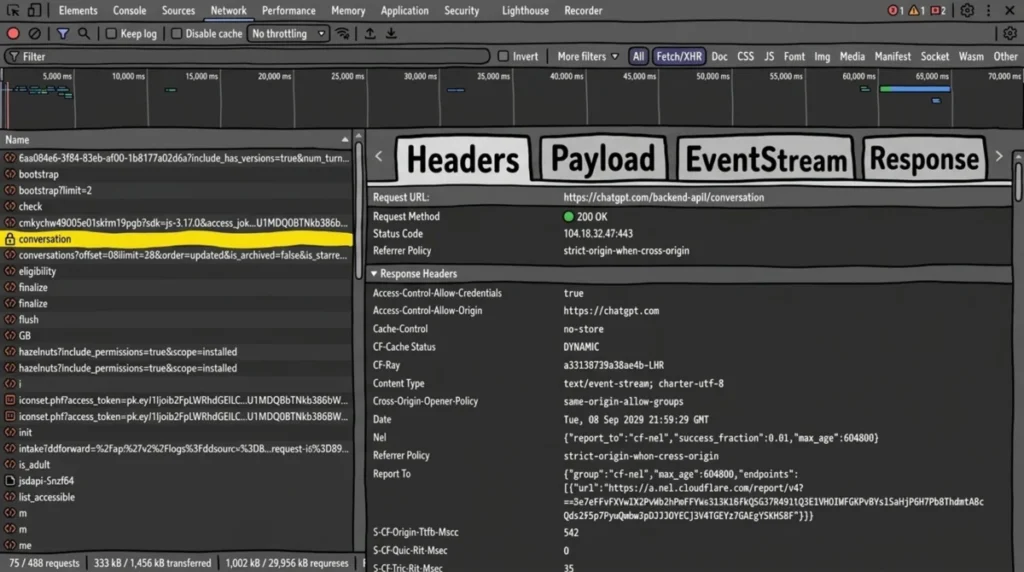
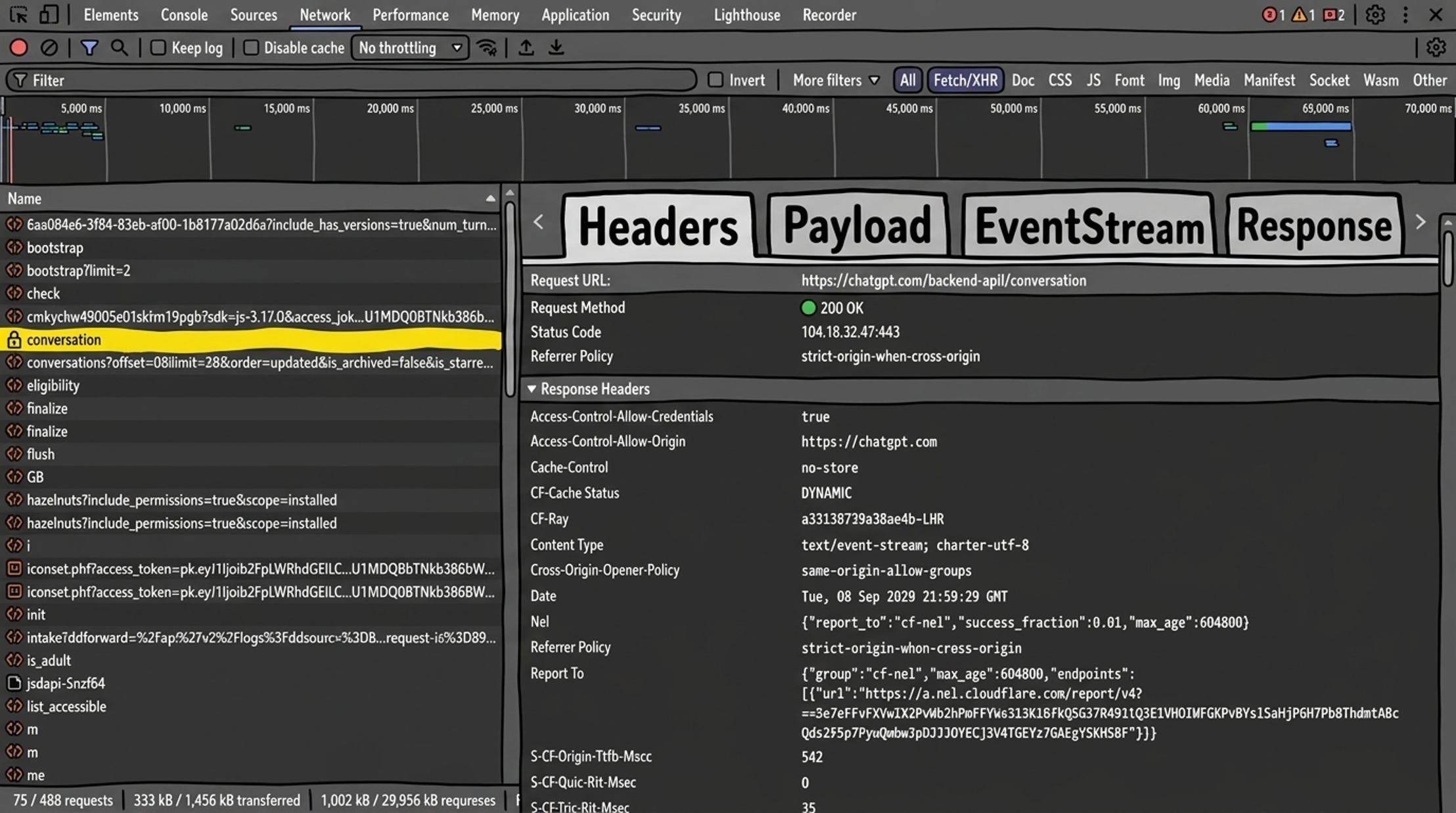
Yet, this treasure trove of operational intelligence sits largely ignored. It resides just a single keystroke away—hidden behind the F12 key in the Network tab of browser developer tools.
For a dedicated faction of reverse-engineers, data scientists, and technical search engine optimization (SEO) experts, peering into this "network abyss" has transformed the art of digital marketing. By intercepting these behind-the-scenes communications, researchers have uncovered multi-thousand-dollar security bugs, mapped out undocumented query classification systems, and demystified the shifting mechanics of generative AI search engines.
Main Facts: The Invisible Architecture of Search and AI
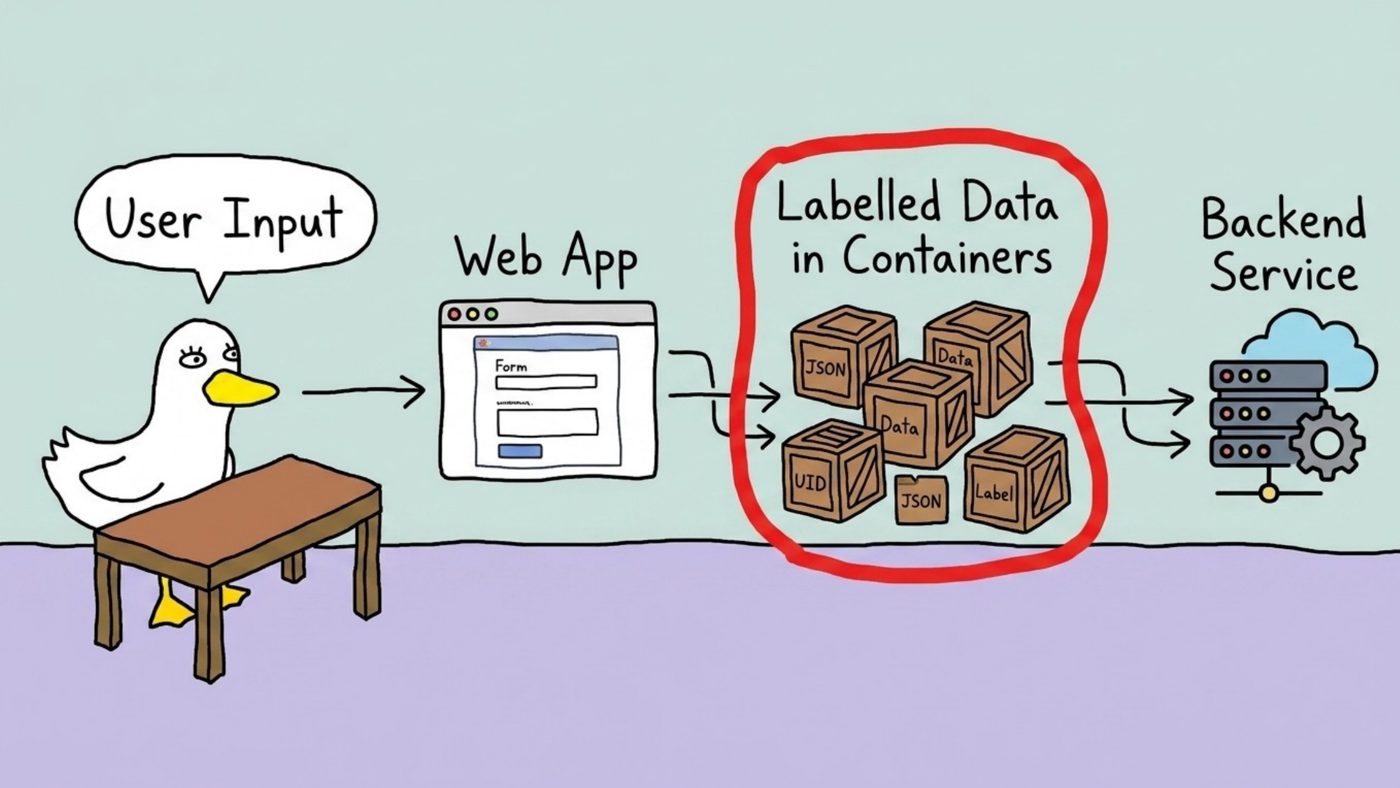
The core premise of network-level reconnaissance is simple: modern web applications are not monolithic entities. Instead, they are vast collections of microservices—decentralized subsystems that pass structured data packets back and forth to assemble a single search engine results page (SERP) or conversational response.
When front-end interfaces like Google’s ranking systems or ChatGPT’s search orchestrators process a user request, they rely on scores, metadata tags, and internal signals generated elsewhere in the software stack. Occasionally, developers leave operational tags, classification types, and variable strings exposed in the network payload.

By systematically capturing and analyzing these unencrypted or loosely guarded request-response cycles, digital analysts can bypass traditional guesswork. Rather than testing strategies blindly through trial and error, practitioners can read the system’s operational parameters directly from the source code. This practice has led to major discoveries, including:
- Uncovering structural Google search parameters that yielded a $13,337 vulnerability reward.
- Mapping out semantic query classifications to build accurate intent-prediction models.
- Exposing the hidden source sets and recency parameters utilized by AI models during web searches.
- Disproving common industry assumptions regarding how platforms like Reddit are processed versus how they are cited.
Chronology: From Manual Inspection to AI-Driven "Vibe Coding"
The methodology of wiretapping browser traffic has evolved dramatically over the past several years, shifting from tedious manual packet inspection to automated, agent-driven orchestration.
Phase 1: The Era of Manual Packet Poking
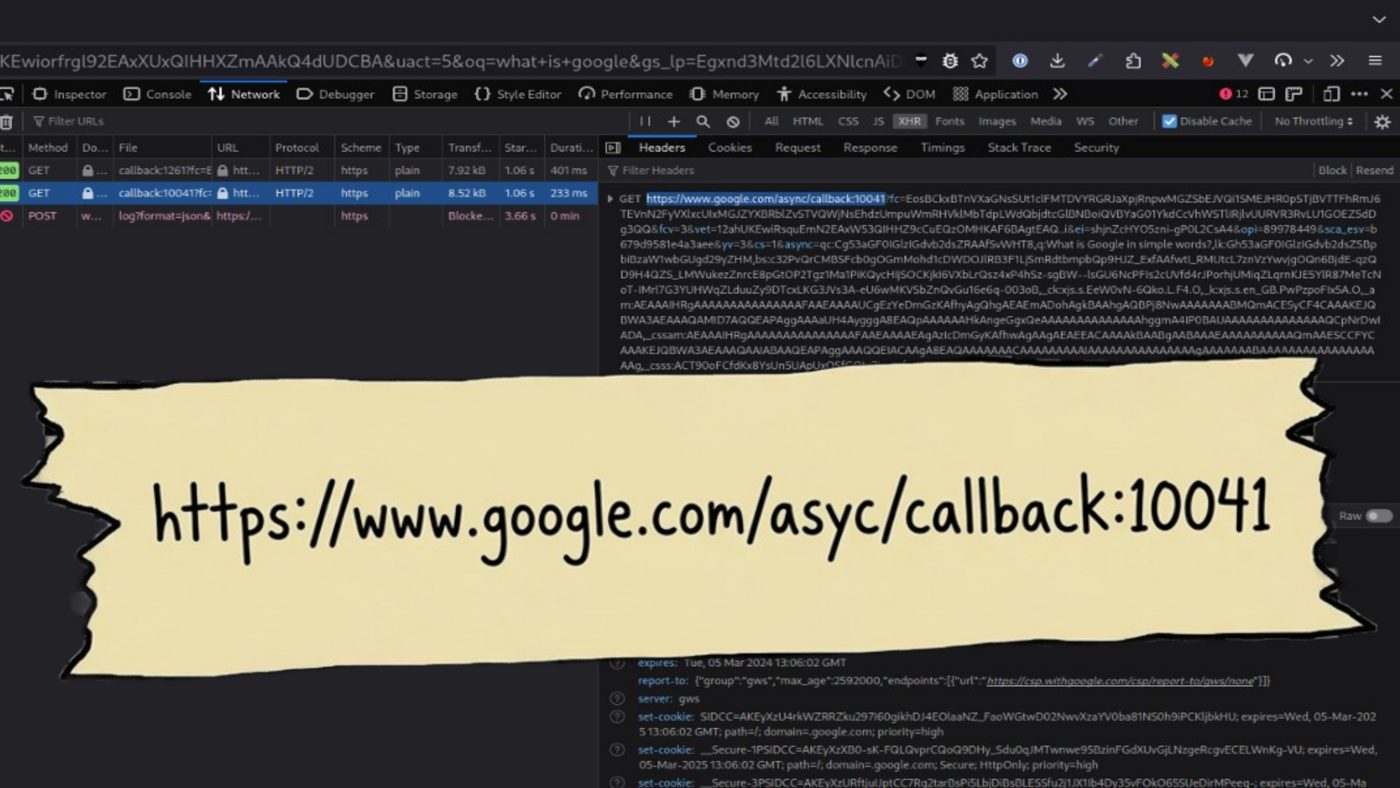
Years ago, analysts relied entirely on manual debugging. By opening Chrome DevTools, navigating to the Network tab, filtering by Fetch/XHR, and isolating specific asynchronous callback URLs, persistent researchers could inspect raw JSON data responses.
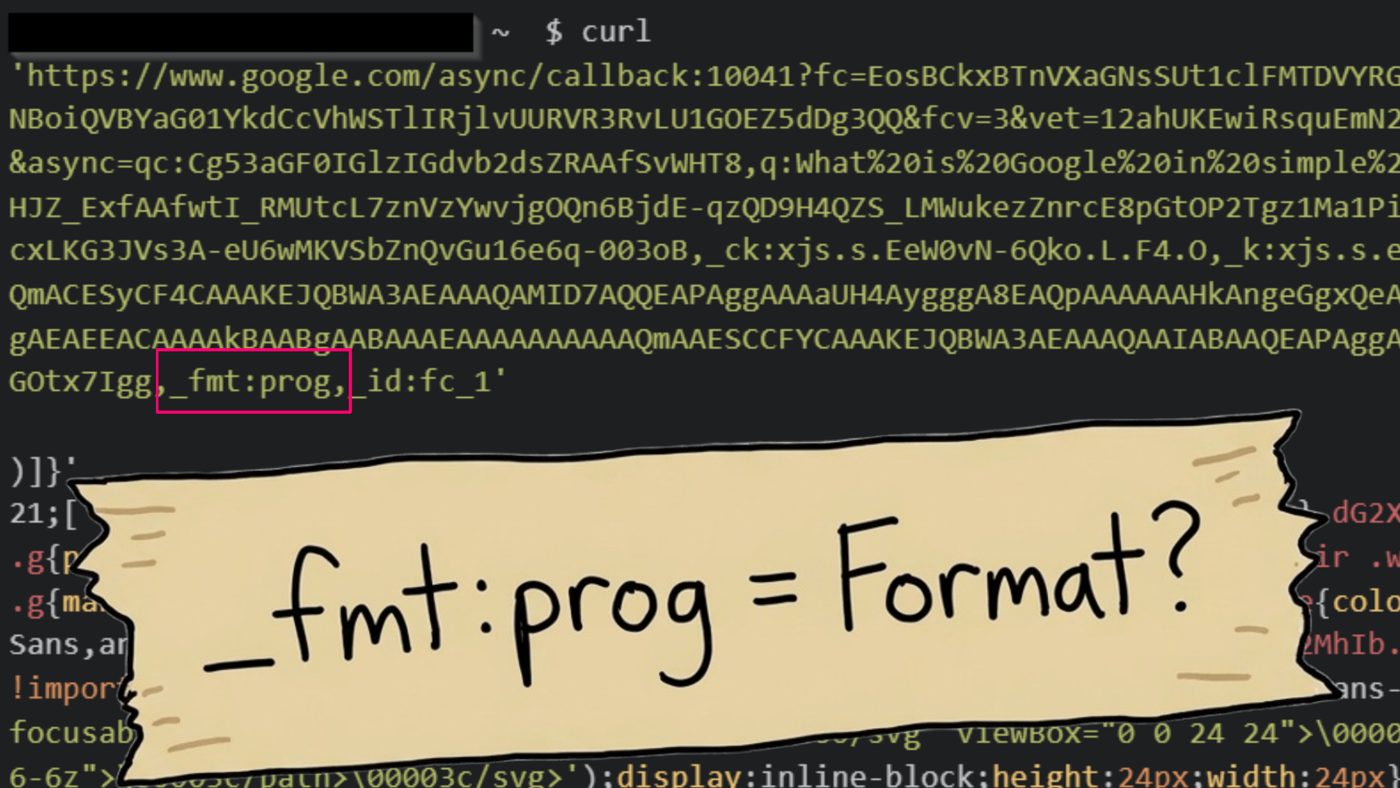
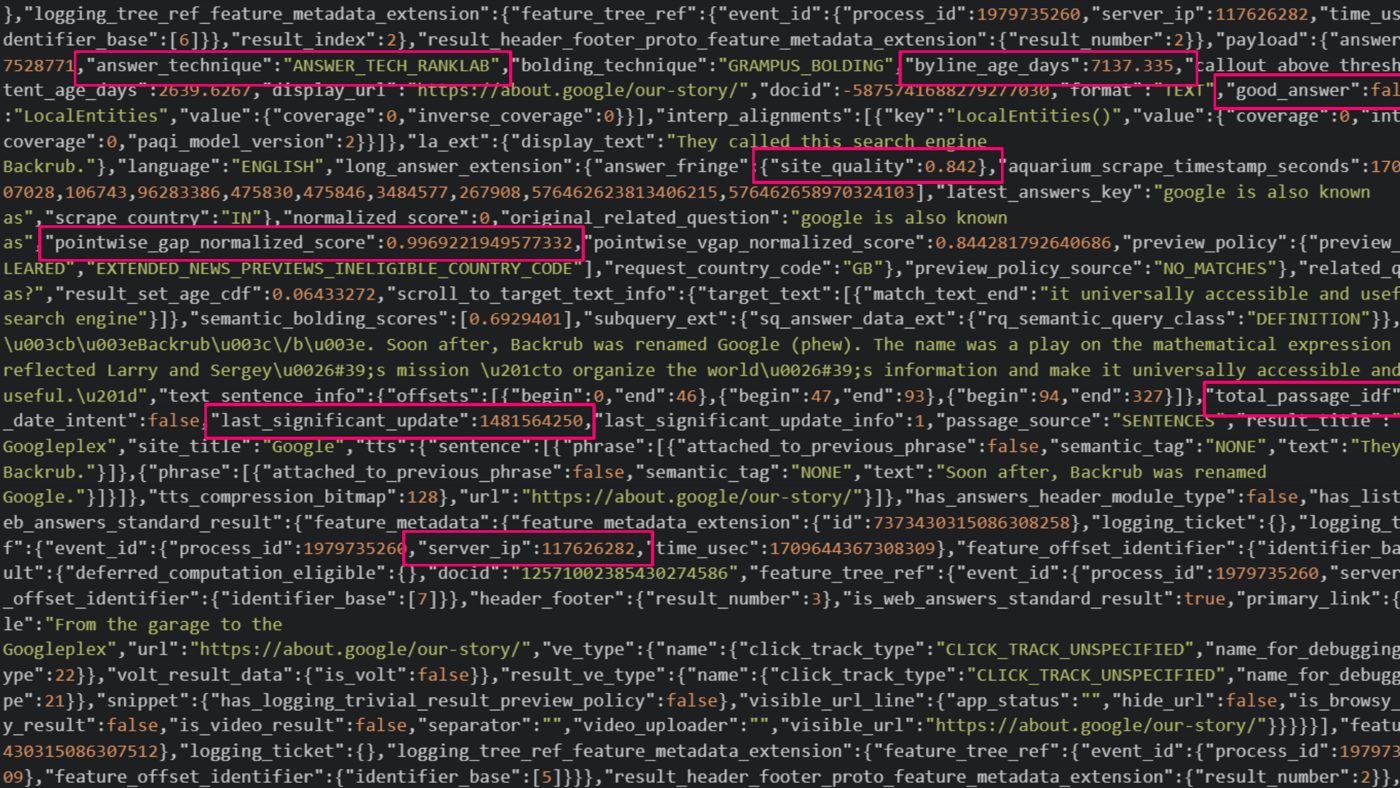
This tedious approach required hours of manual cross-referencing. For instance, Mark Williams-Cook, an industry researcher and founder of AlsoAsked, spent years inspecting Google’s asynchronous callback parameters. This manual persistence ultimately led to the discovery of a critical URL parameter configuration that accidentally exposed deep internal ranking metadata, inverse document frequency (IDF) scores, and server epochs.
Phase 2: The Rise of AI-Assisted Research
As web applications grew more sophisticated—and front-end code obfuscation increased—manual inspection became unsustainable. This coincided with the emergence of agentic AI frameworks and automated browser tools like Playwright.
Researchers began employing AI orchestration systems (such as Perplexity Computer) to automate the heavy lifting. By deploying custom prompts instructing AI agents to launch headless Chrome instances, capture network traffic, and synthesize multi-page operational reports, analysts scaled their reverse-engineering capabilities exponentially.
Phase 3: The Custom Extension Ecosystem
Today, the barrier to entry has dropped even lower. Rather than writing complex scraping scripts from scratch, technical SEOs leverage "vibe coding"—using generative AI to build customized, unpacked Chrome extensions in minutes. Tools like FanoutFox and proprietary research extensions now run locally in developer mode, automatically logging AI search fan-outs, citation ratios, and temporal freshness windows in real-time.
Supporting Data: What the Network Payloads Reveal
The quantitative insights pulled from network-level data provide a stark contrast to surface-level industry assumptions.
1. Google’s Hidden Query Classifiers
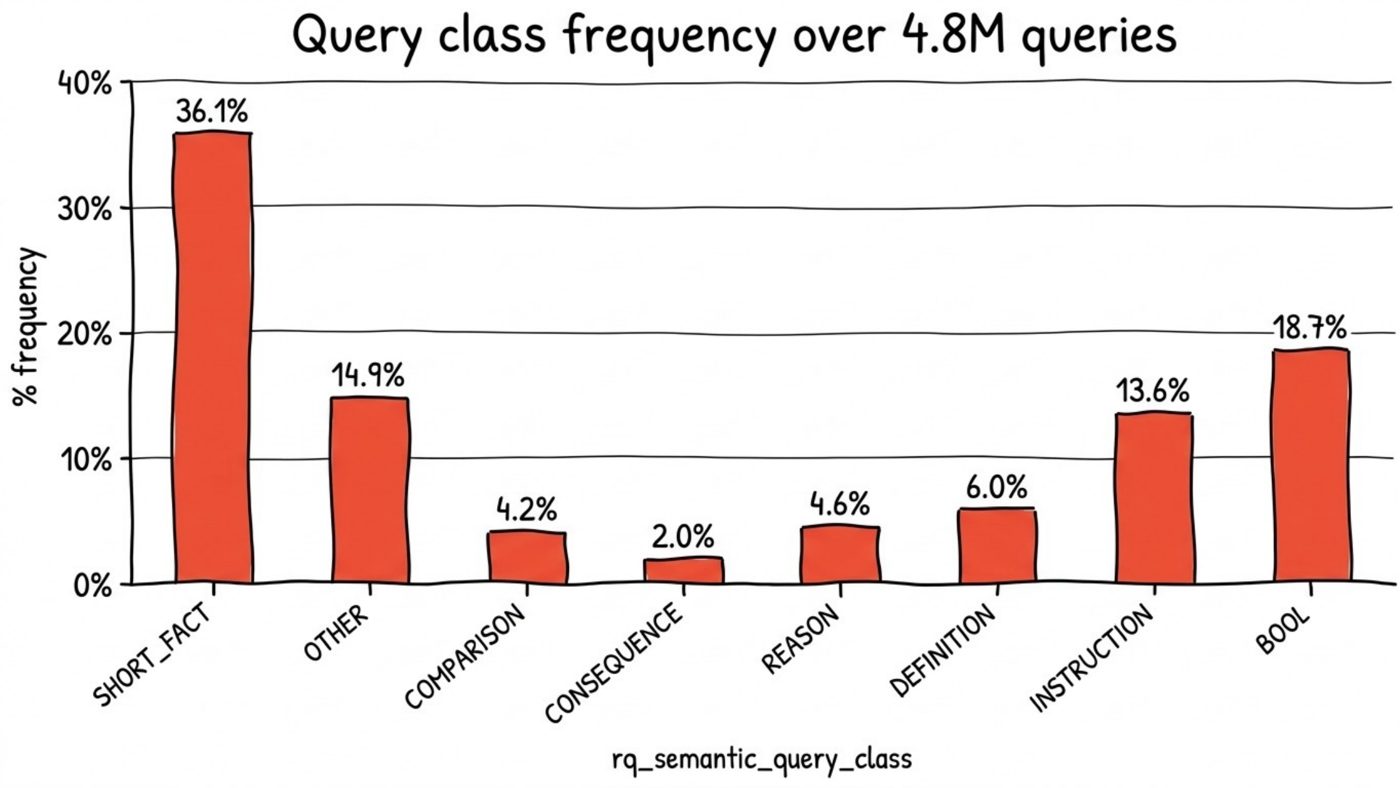
By examining structured Google responses, researchers discovered that Google classifies incoming search queries into distinct semantic classes. In an analysis of 4.8 million English queries, researchers mapped out the distribution of these refined query types.
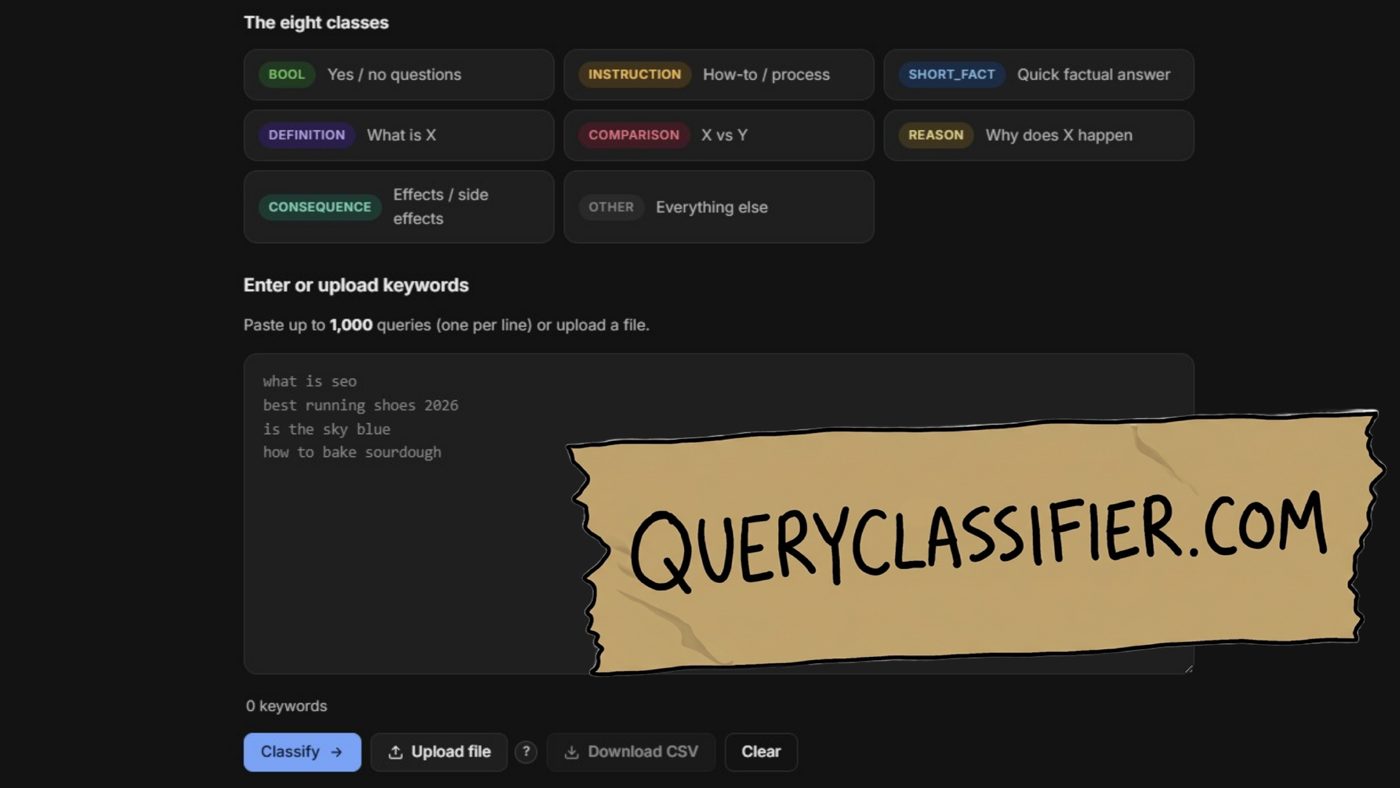
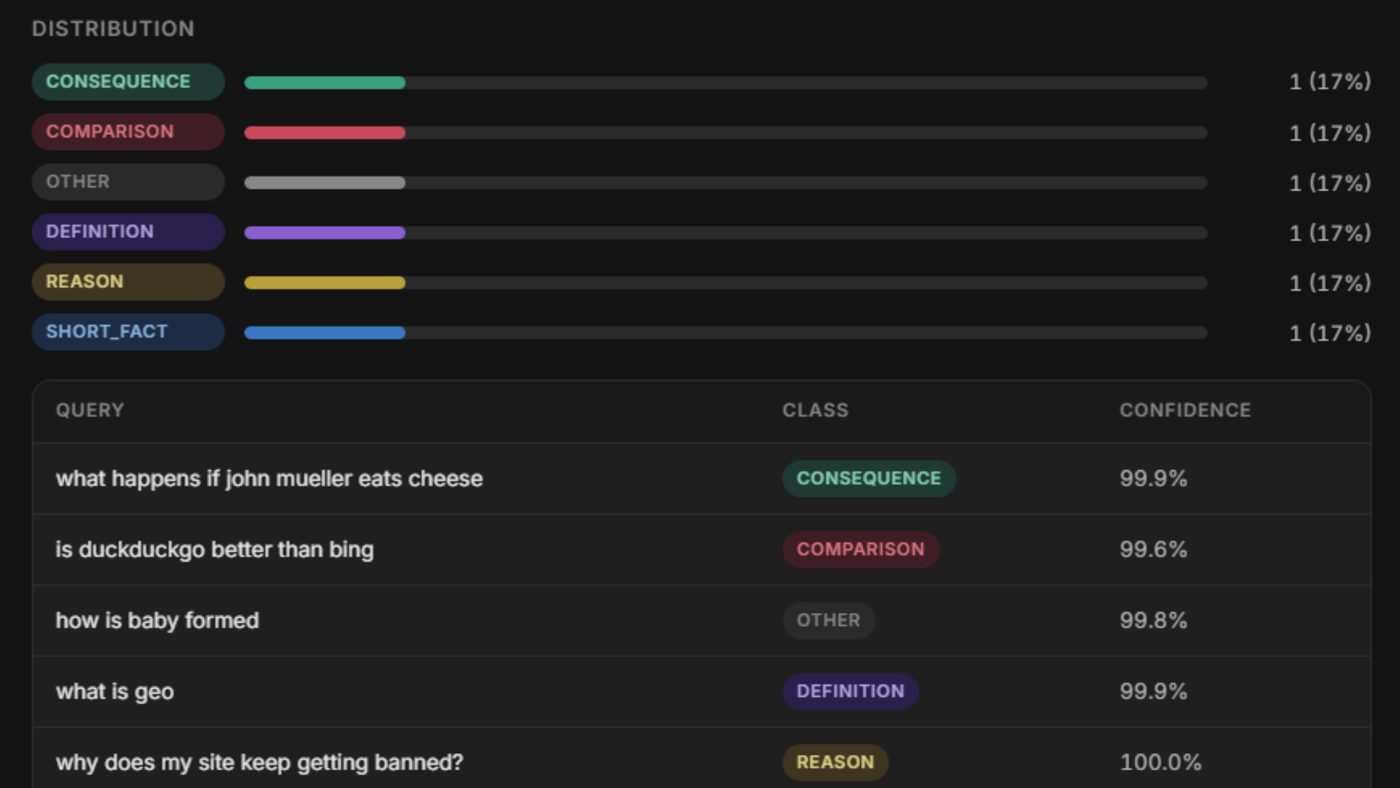
By feeding this labeled dataset into compact, efficient machine learning models (such as Hugging Face’s DistilBERT fine-tuned over a 50-hour gaming laptop session), developers created public utilities like QueryClassifier.com. This tool allows content creators to predict how Google categorizes specific keywords with high statistical confidence, aligning content structures precisely with expected SERP features.
2. ChatGPT’s Temporal Freshness Windows
When ChatGPT executes a web search to supplement its parametric memory, the network telemetry reveals not just the query string, but an associated time window measured in days. Network captures show that different queries demand drastically different recency thresholds:
- Nvidia stock valuation queries: Tied to a 2-day freshness window.
- Premier League weekend results: Restricted to a 7-day window.
- Software tool comparisons: Set to a 30-day window.
- Nvidia earnings guidance: Extended to 90 days.
- Reddit community sentiment: Targeted specifically with a 365-day historical window.
3. The Great Reddit Citation Paradox
In mid-August 2026, widespread industry reports indicated that ChatGPT had drastically slashed its citations of Reddit by roughly 80% following updates to default foundational models. Many marketers prematurely concluded that Reddit marketing was dead for AI visibility.
However, network-level analysis told a completely different story. While final citation metrics plummeted, background telemetry proved that ChatGPT was still executing site:reddit.com queries just as frequently as before. The AI model continued to read Reddit threads to synthesize brand recommendations, but chose to cite the primary vendor websites directly. This critical distinction highlighted the danger of relying solely on surface-level citation reports.
Official Responses and Platform Countermeasures
As reverse-engineering techniques become more prevalent, the major tech platforms have implemented aggressive countermeasures to protect their internal logic.
Both Google and OpenAI deploy advanced bot-detection scripts, rate-limiting frameworks, and randomized payload structures to obfuscate backend communications. Changes to API endpoints and search tool architectures—such as the sudden deprecation of specific search_model_queries and result_source tracking fields—occur regularly, often rendering custom scraping scripts obsolete overnight.
Despite these defensive measures, platform operators have occasionally acknowledged the structural vulnerabilities exposed by network analysis. Following the reporting of the Google async callback vulnerability, the Google Vulnerability Reward Program formally acknowledged the risk, awarding a $13,337 bug bounty and noting that the exploit "qualified as an abuse-related methodology with high impact."
Rather than engaging in adversarial digital arms races, however, most platforms rely on continuous code obfuscation and rapid structural updates to stay ahead of independent researchers.
Implications: The Sustainable Edge in Modern SEO
For digital marketers, search engine optimizers, and content strategists, the implications of network-level analysis extend far beyond academic curiosity. In an industry saturated with generic AI-generated content and recycled "best practices," proprietary data represents one of the last sustainable competitive advantages.
- Moving Beyond Guesswork: Knowing the exact freshness window an AI model requires for a specific topic eliminates the guesswork of content updating cycles. Creators can tailor their publication dates and data freshness to match the algorithm’s exact parameters.
- Differentiating Retrieval vs. Training: Understanding whether a prompt triggers an active web search or relies purely on an AI model’s internal training memory dictates resource allocation. While search-retrieved queries can be influenced by tactical content optimization, training memory requires long-term brand authority and multi-channel digital PR.
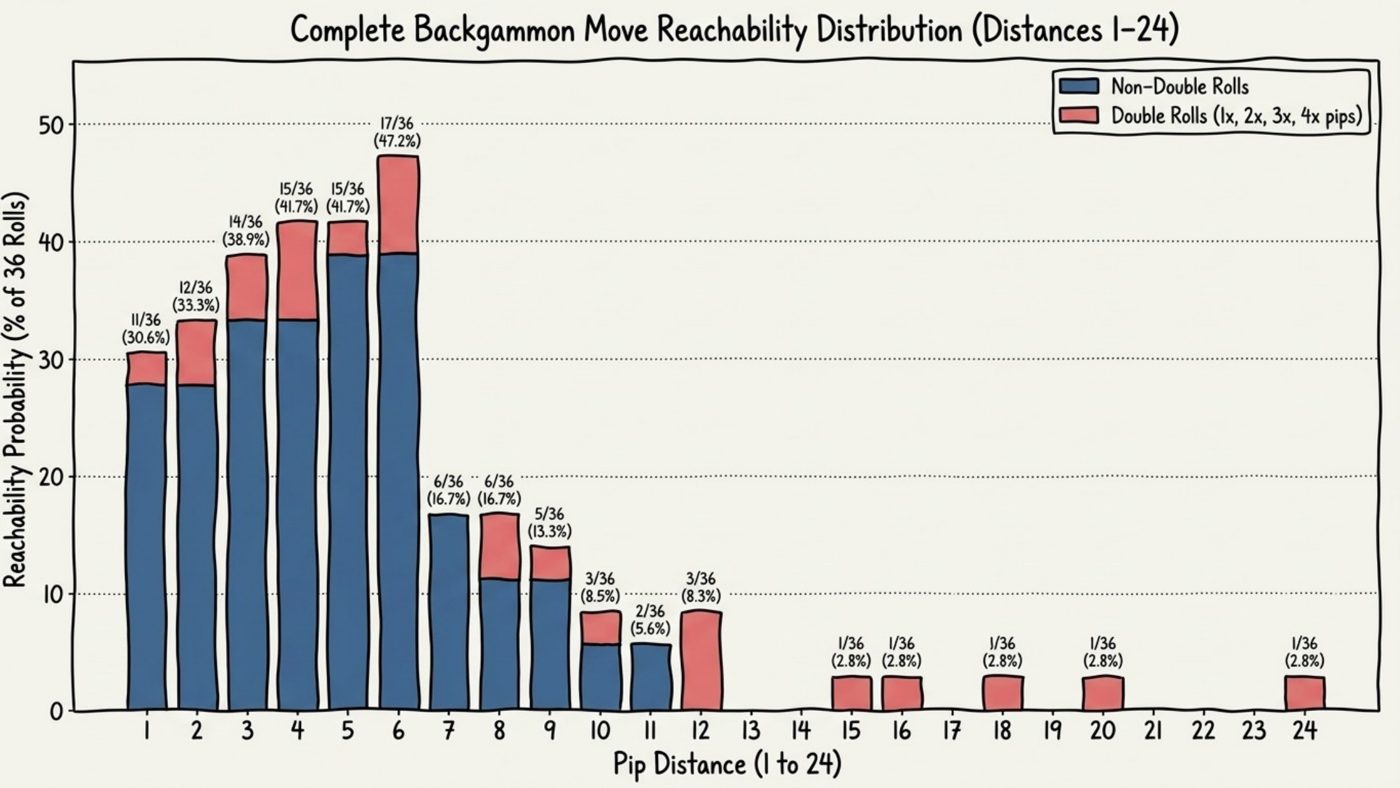
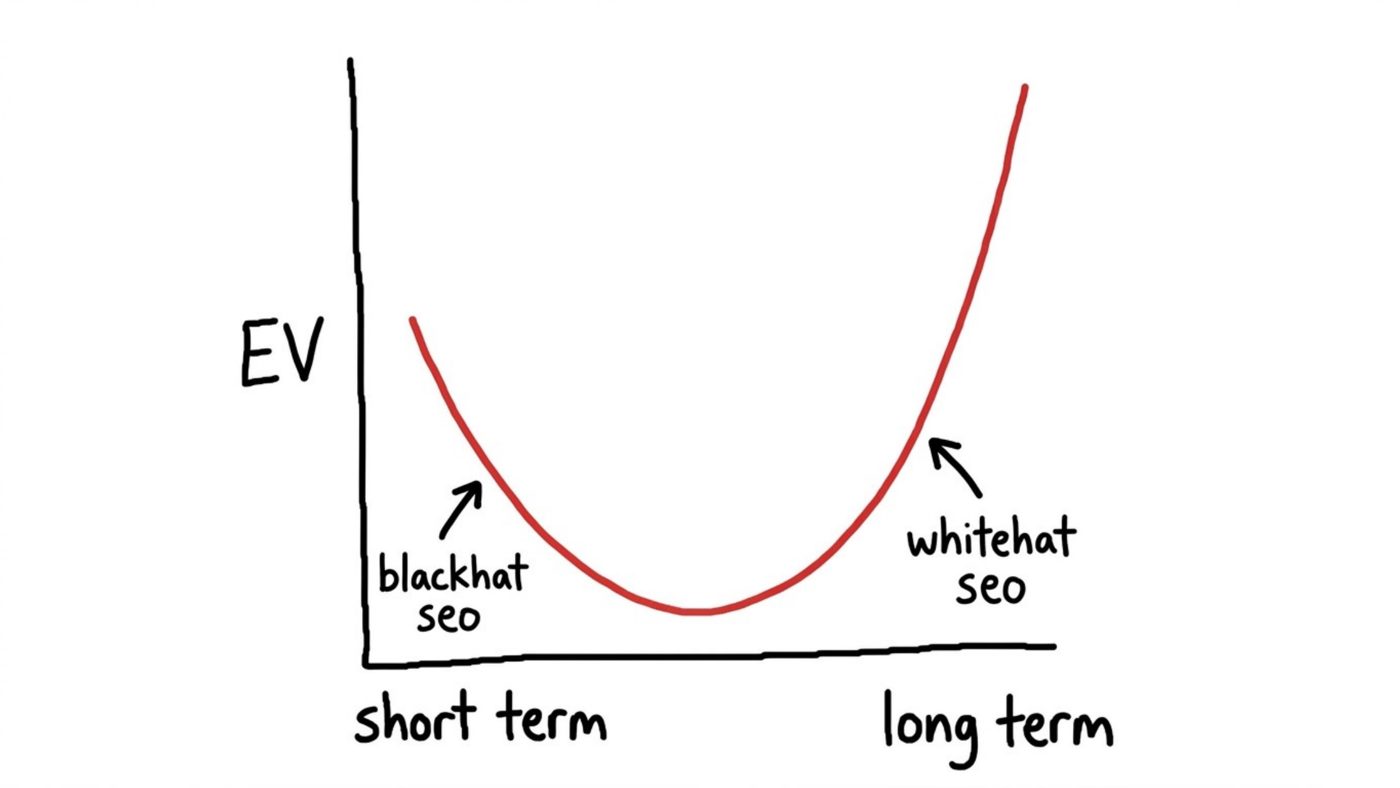
- The Shift Toward Ethical White-Hat Optimization: Just as backgammon players calculate dice reachability distributions to minimize risk, technical marketers use cumulative microscopic edges to outperform competitors sustainably. Intercepting network data is not about deploying short-lived black-hat "hacks," but about deeply understanding the rules of engagement to build resilient digital strategies.
Conclusion
The digital dialogue occurring between web browsers and backend servers will continue to evolve as search engines and generative AI platforms become more complex. While platforms will undoubtedly continue tightening their security and obfuscating their data streams, the fundamental truth remains: the information is always there, moving across the wire with every click. For those willing to open the crates and peer behind the curtain, the network tab remains the ultimate frontier of digital intelligence.
