
The Ultimate Guide to Facebook E-commerce Integration: Top 10 Apps for 2026
In the modern digital landscape, the line between social media and the point of sale has effectively vanished. With nearly 40% of social media users turning to Facebook to discover new products and over 60% of social shoppers completing their most recent transaction through Meta-owned platforms, a robust social commerce strategy is no longer optional—it is a business imperative.
However, bridging the gap between an independent online store and the Meta ecosystem can be technically daunting. From pixel tracking discrepancies to catalog synchronization failures, merchants often find themselves struggling to maintain a seamless shopping experience. This guide analyzes the top 10 Facebook and Instagram e-commerce applications as of June 2026, categorized by their specific utility and operational requirements.
The Strategic Importance of Social Commerce
For e-commerce merchants, the "social funnel" represents the most significant opportunity for customer acquisition. Unlike traditional search-based traffic, social commerce relies on discovery and impulse.
The Evolution of Meta Commerce
Historically, Meta attempted to keep users on-platform with native checkout features. Today, the model has shifted: Facebook and Instagram function as high-intent discovery engines, while the actual transaction processing—and the critical data collection associated with it—remains the responsibility of the merchant’s website. This shift has placed immense pressure on third-party integration tools to act as the "connective tissue" between a brand’s backend and the Meta Commerce Manager.
Comparative Overview: Top 10 E-commerce Integration Apps
Before selecting a tool, merchants must determine whether they need a simple catalog sync or a complex, data-driven tracking solution.
| App | Best For | Price | Rating |
|---|---|---|---|
| Ecwid | Stores without a website | From $29/mo | 4.7/5 |
| CedCommerce | All-in-one Shopify sync | Free / From $13/mo | 4.8/5 |
| AdTribes | WooCommerce catalog sync | Free / $79.60/yr | 4.7/5 |
| Feedonomics | Enterprise BigCommerce | From $29/mo | N/A |
| Meta for Adobe | Magento/Adobe users | Free | 3.9/5 |
| Flexify | Ad creative control | Free / From $29/mo | 4.1/5 |
| Omega Pixel | Shopify tracking/CAPI | Free / From $20.99/mo | 4.8/5 |
| Pixel Manager | WooCommerce tracking | Free / $149/yr | 4.9/5 |
| Channable | Large-scale catalogs | From €59/mo | 4.5/5 |
| LitCommerce | Multichannel expansion | Free / From $29/mo | 4.8/5 |
Deep Dive: The Top 10 Solutions
1. Ecwid by Lightspeed: The "Everything" Storefront
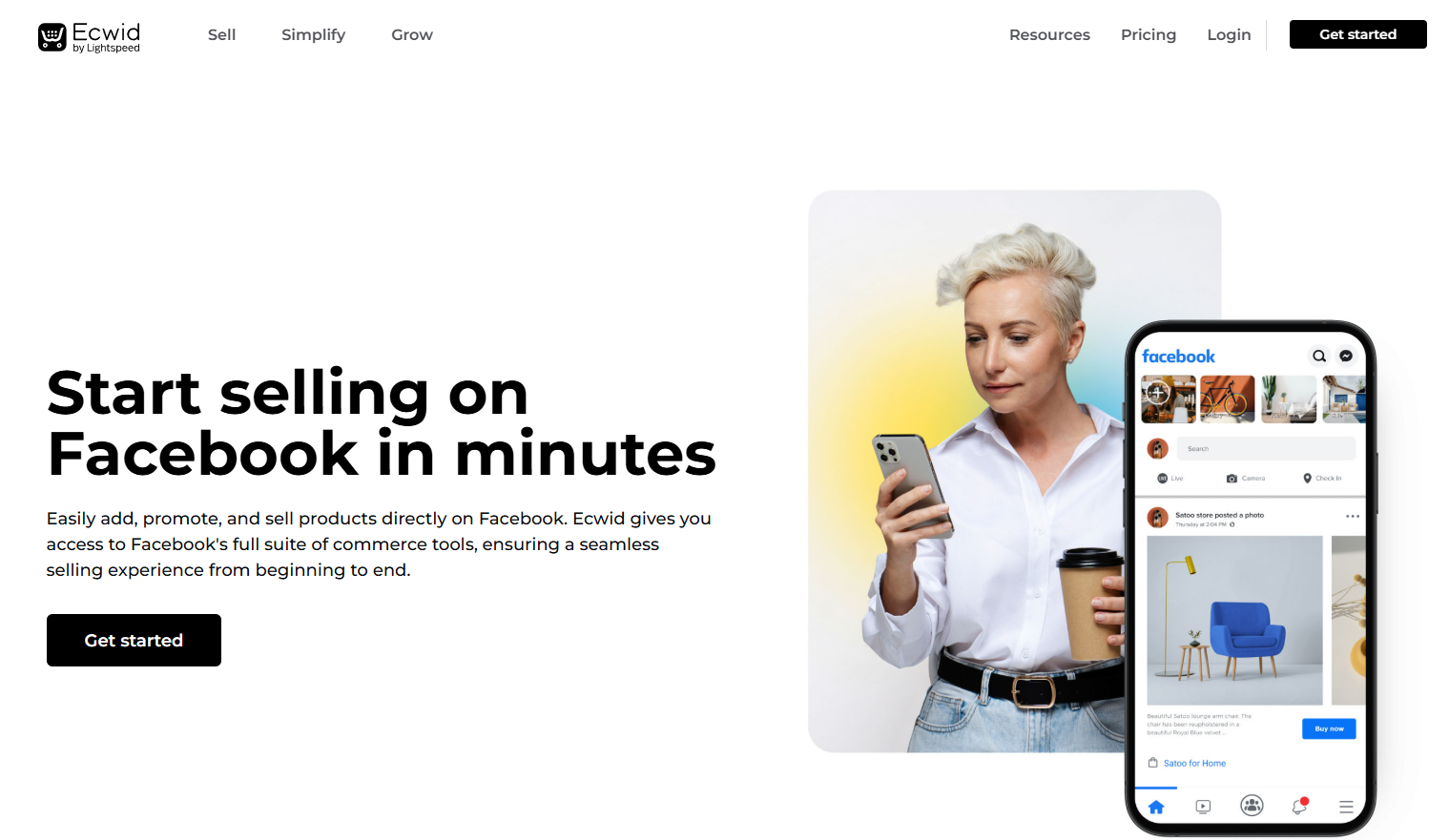
Ecwid remains the gold standard for entrepreneurs who haven’t yet launched a traditional website. It acts as an embeddable storefront that can be injected into a Facebook Page, a blog, or even a standalone landing page.
- Implications: Ideal for businesses in the startup phase that require a low-friction entry into social selling without the technical debt of a full-stack website.
2. CedCommerce: The Shopify Powerhouse
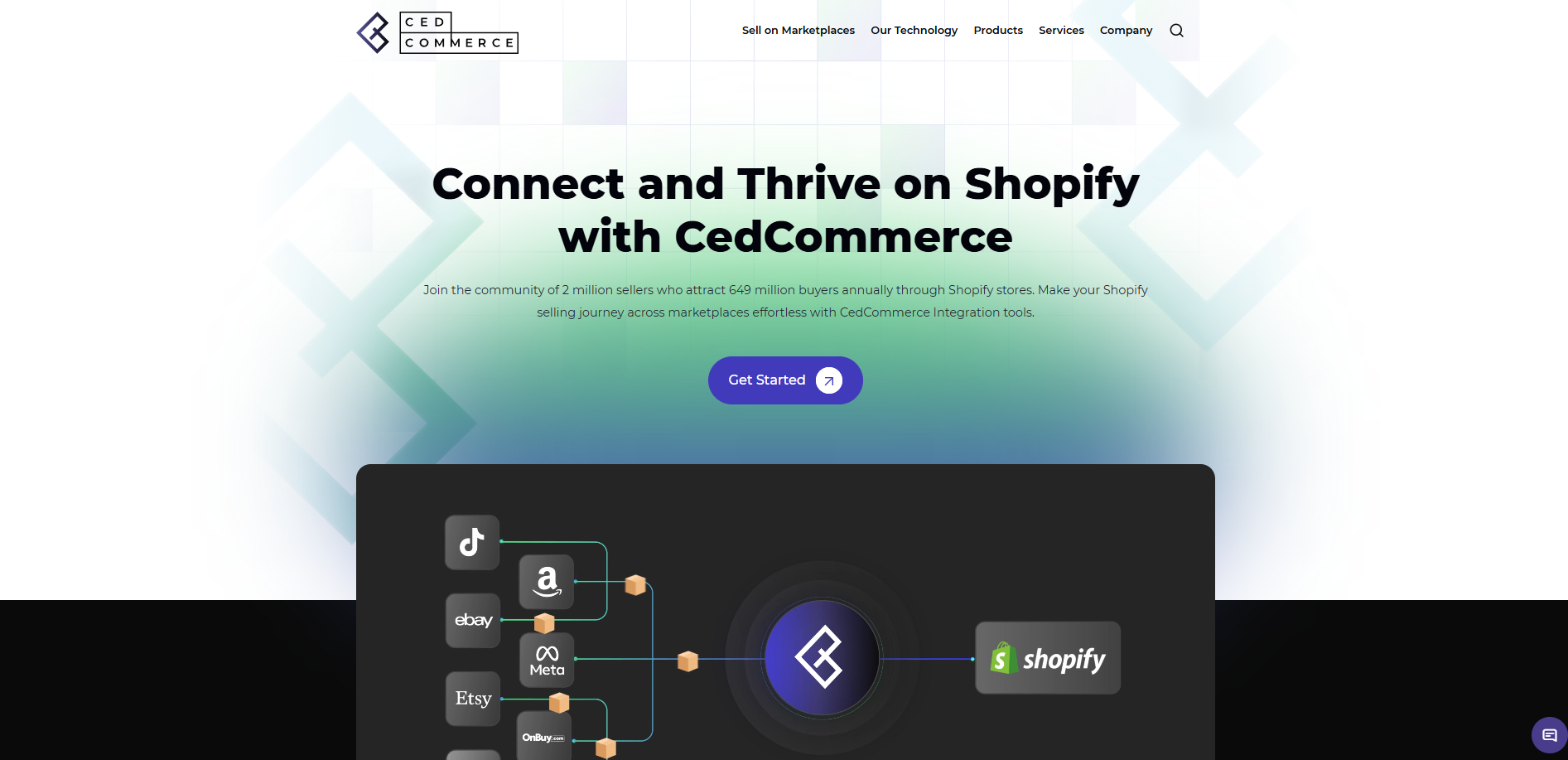
For Shopify merchants tired of the limitations of the native Meta plugin, CedCommerce offers a comprehensive suite. It excels at syncing product feeds while simultaneously managing the Conversion API (CAPI) and basic ad campaign health.
- Supporting Data: With a 4.8/5 rating across over 300 reviews, it is widely considered the most reliable replacement for the default Shopify-Meta integration.
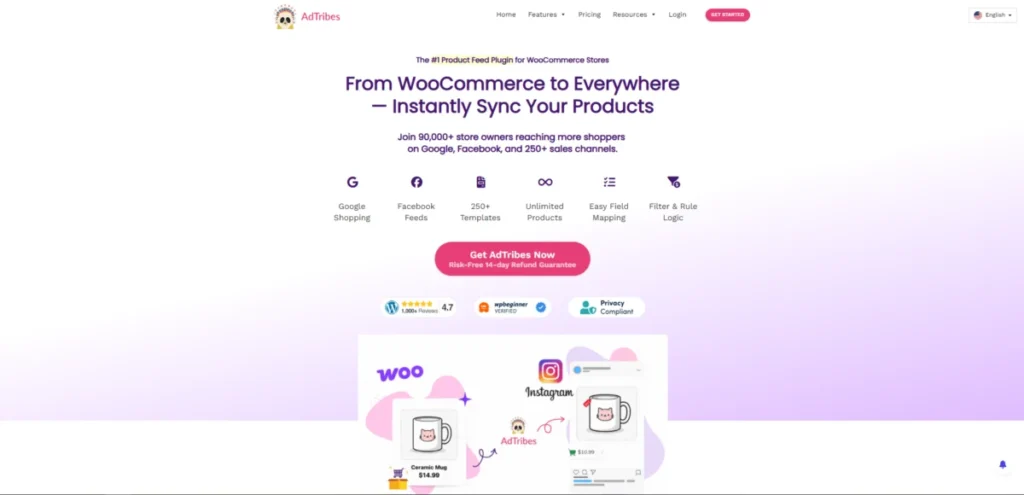
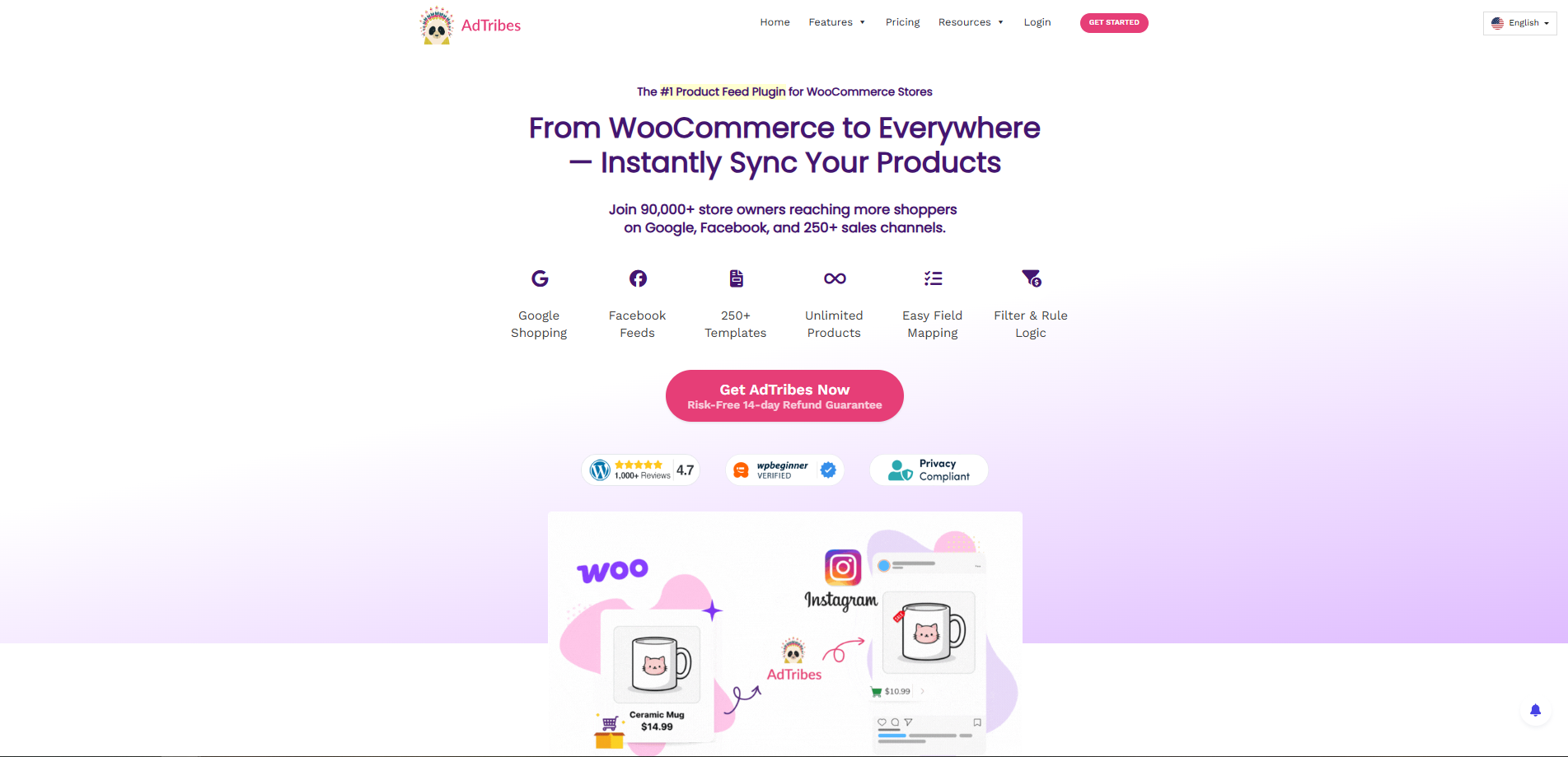
3. AdTribes Product Feed PRO: The WooCommerce Authority
WooCommerce users often face issues with "bloated" feeds. AdTribes addresses this by allowing granular, rule-based filtering.
- Technical Benefit: Merchants can exclude out-of-stock items, set price-based conditions, and map specific product categories to Facebook’s taxonomy, ensuring that the catalog is always optimized for discovery.
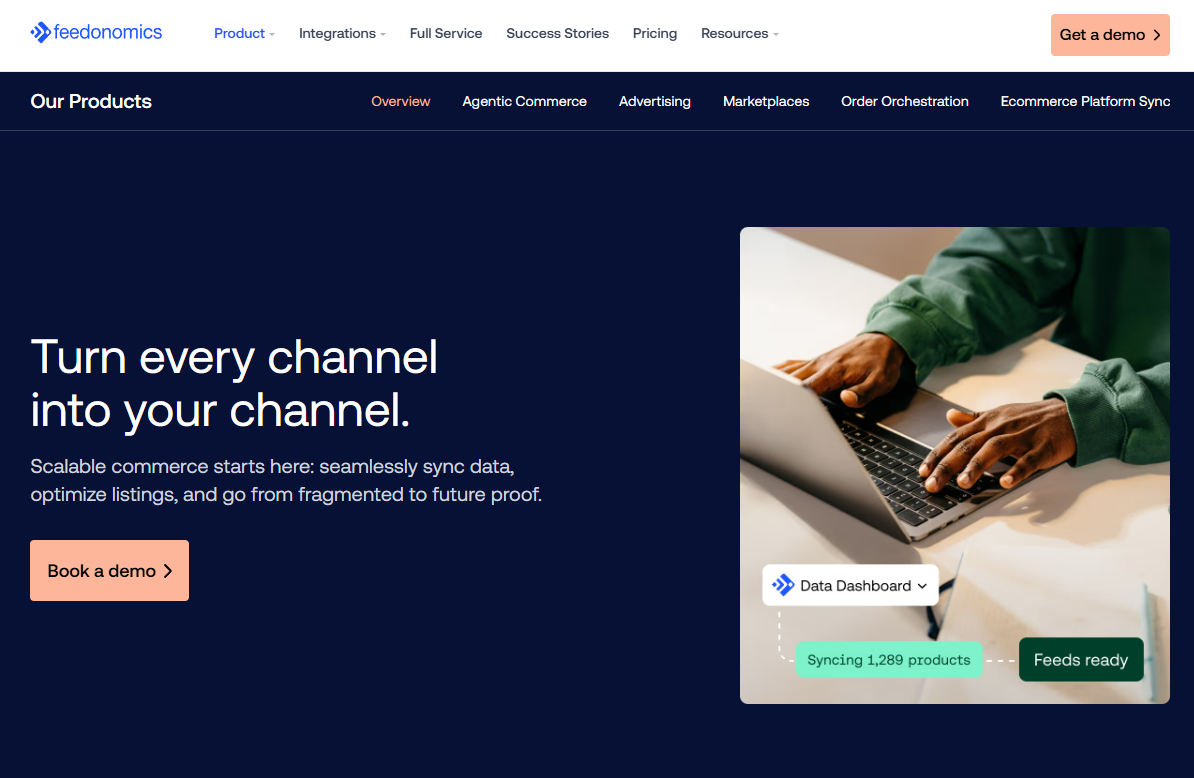
4. Feedonomics Surface: The BigCommerce Native Path
For large-scale merchants on the BigCommerce platform, Feedonomics provides a managed-service approach. It is not just an app; it is an infrastructure layer that ensures your data is "perfect" before it hits Meta’s servers.
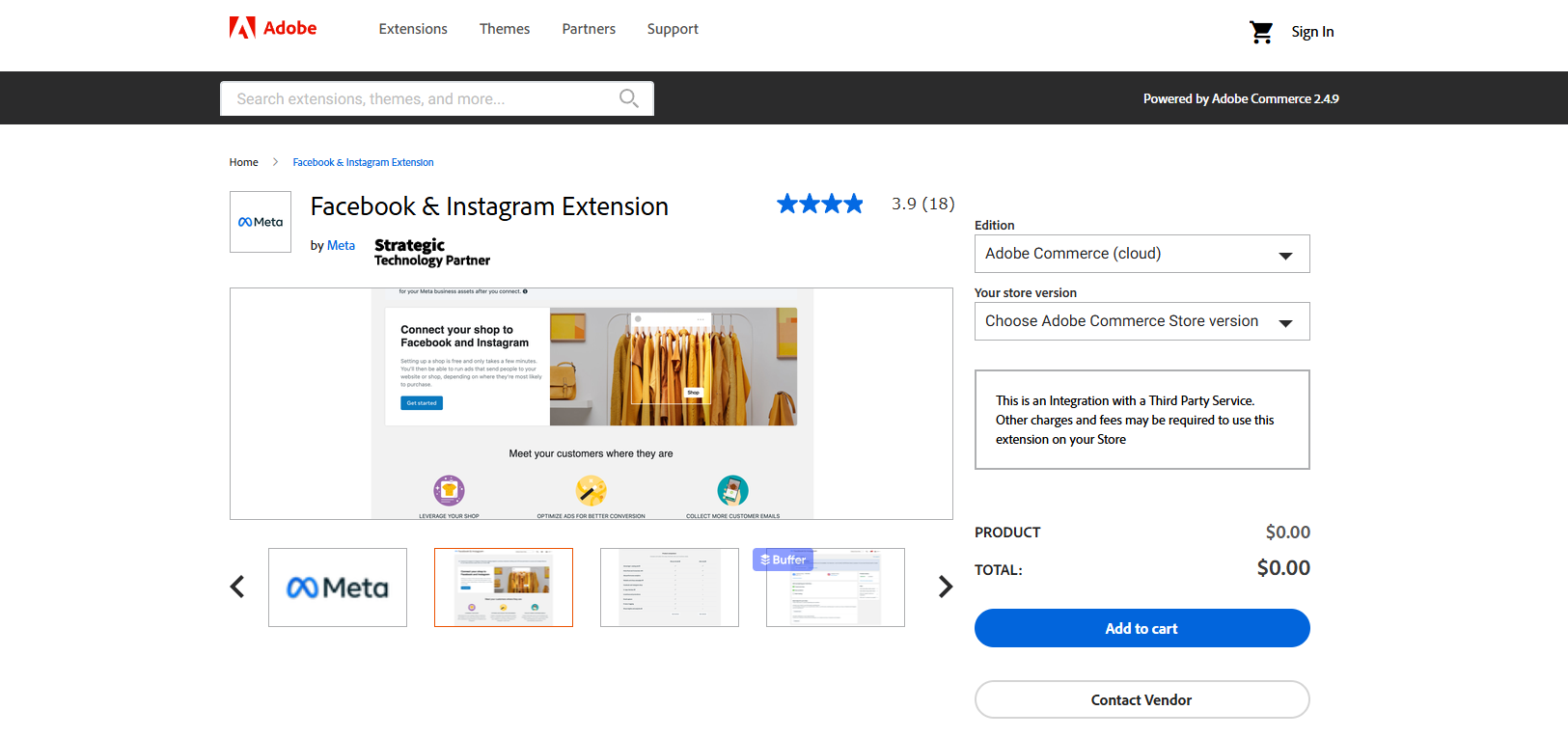
5. Meta for Adobe Commerce: The Official Standard
Maintaining a Magento or Adobe Commerce store requires significant technical overhead. Meta’s official extension is the most stable free option available, offering deep integration with the Commerce Manager. However, it requires a high degree of technical proficiency to configure correctly.
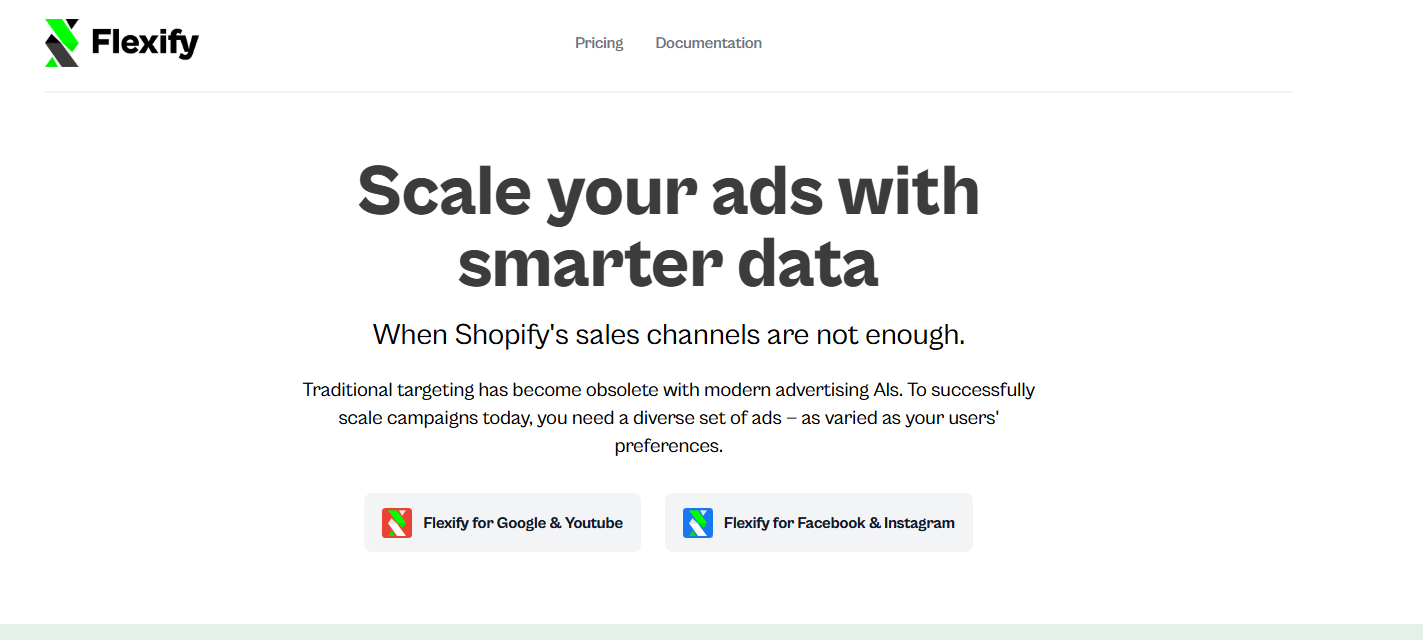
6. Flexify: Mastering Ad Creative
Flexify differentiates itself by focusing on the "look" of the ad. While other apps focus on data, Flexify allows for dynamic image overlays—adding pricing badges, logos, or seasonal banners directly to the product feed images, which can significantly improve Click-Through Rates (CTR).
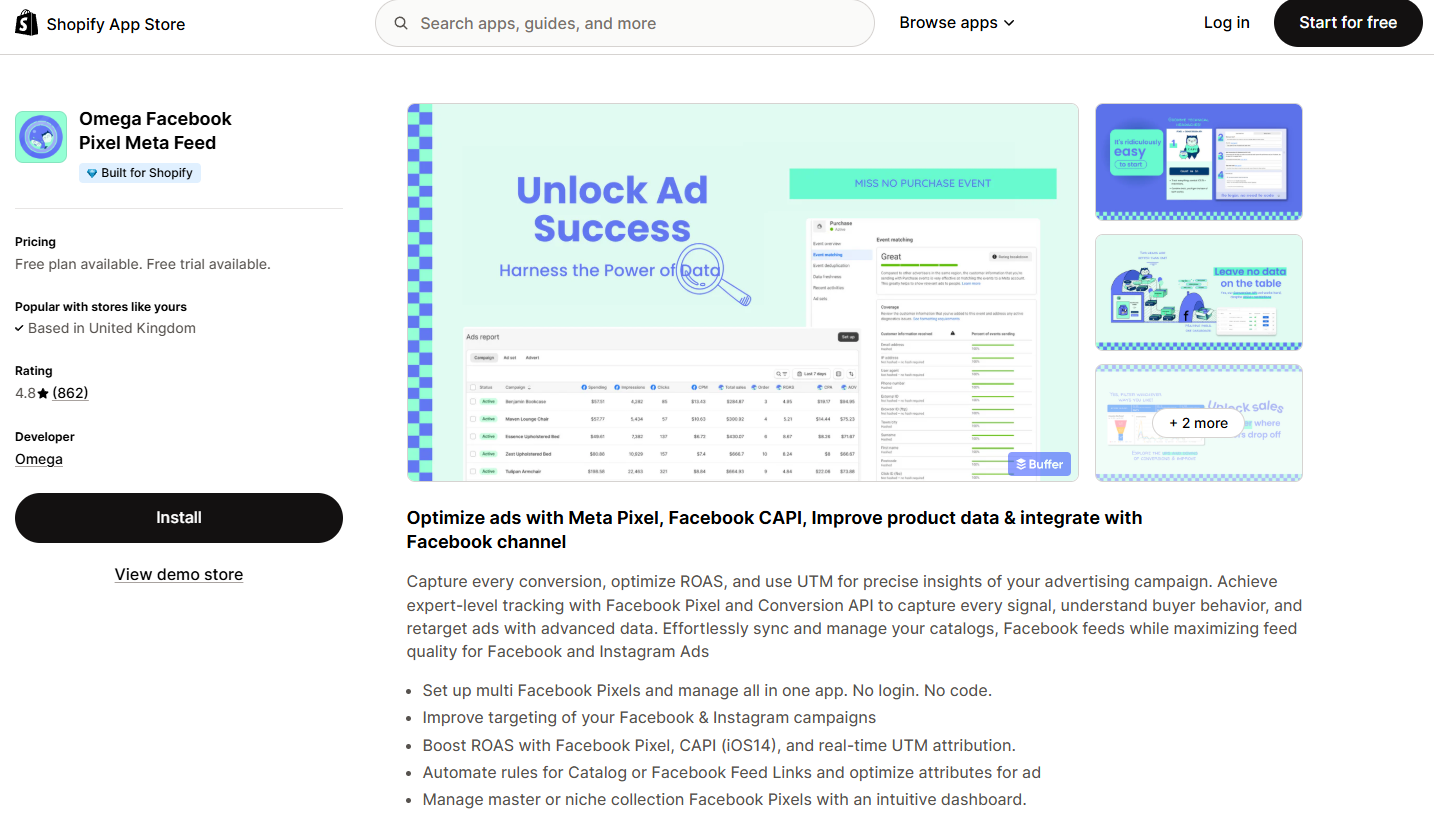
7. Omega Facebook Pixel Meta Feed: Solving the "Privacy Gap"
In the post-iOS 14 era, browser-side tracking is increasingly unreliable. Omega moves tracking to the server-side, ensuring that conversions are captured even when users employ ad-blockers or privacy-focused browsers.
8. Pixel Manager Pro for WooCommerce
Similar to Omega, this is a dedicated tracking layer. It is specifically designed to eliminate the common issue of "duplicate events" that plague WooCommerce shops using generic plugins.
9. Channable: The Enterprise Choice
When a merchant reaches a catalog size exceeding 10,000 SKUs, managing data manually becomes impossible. Channable provides a programmatic interface to automate feeds across not just Facebook, but also Google Shopping, Pinterest, and price comparison engines.
10. LitCommerce: The Multichannel Hub
LitCommerce is built for the merchant who wants to be everywhere. If your goal is to push your products to Facebook and Instagram while simultaneously managing inventory on Etsy, Walmart, and TikTok Shop, this is the most efficient bridge.
Implications of Current Social Commerce Trends
The Data Dilemma
The biggest implication for 2026 is the reliance on the Conversion API (CAPI). As browser-based cookies continue to be phased out, the apps listed above that prioritize server-side tracking (like Omega and Pixel Manager Pro) have become more valuable than those that merely sync product titles and prices.
The Shift in Consumer Behavior
Chronologically, we have moved from "social discovery" to "social shopping." Data from 2025 shows that nearly 30% of Instagram users have made a purchase directly influenced by a feed post. Merchants who fail to provide a frictionless path from a "Tagged Product" to a checkout page will inevitably lose market share to competitors who utilize these integration tools to keep their catalogs updated in real-time.
How to Choose the Right Tool for Your Store
When evaluating your options, consider these three critical questions:
- Do you have an existing web store? If no, prioritize Ecwid. If yes, move to platform-specific plugins (e.g., CedCommerce or AdTribes).
- Are you experiencing tracking discrepancies? If your Facebook Ads Manager reports significantly fewer sales than your backend, your primary need is a dedicated CAPI-focused tool like Omega or Pixel Manager Pro.
- Is your catalog growing? If you have over 500 SKUs, manual syncing will fail. Use Channable or Feedonomics to automate the process to prevent "stale" inventory issues on your Facebook Shop.
Frequently Asked Questions (FAQ)
Q: Can you do e-commerce on Facebook natively?
A: No. As of 2026, Meta has discontinued native checkout for most independent merchants. Your Facebook Shop acts as a discovery portal that directs users to your own website to finalize the transaction.
Q: Is it worth the investment in paid integration tools?
A: Yes. A free plugin may sync your products, but paid tools often provide the diagnostic feedback needed to fix ad-tracking errors. In an era where ad costs are rising, the ROI of accurate conversion data far outweighs the $20–$50 monthly cost of a premium app.
Q: What is the difference between Facebook Shop and Marketplace?
A: A Facebook Shop is your branded, professional storefront. Marketplace is a peer-to-peer space for local, often unbranded, sales. For a professional brand, focusing on a Shop via Commerce Manager is essential.
Q: What is Facebook Commerce Manager?
A: It is the "brain" of your social commerce operation. Think of it as the central database where your product information, pixel data, and shop settings live. Every app mentioned in this guide exists primarily to feed data into this central hub.
This guide is for informational purposes. Prices and ratings were accurate as of June 2026. Always verify the current status of plugins within your platform’s app store before installation.
