

The Strategic Imperative: Mastering Social Media for Business in the Digital Age
In an era where digital presence is synonymous with business viability, social media has evolved from a peripheral marketing tactic into the central nervous system of modern commerce. With a staggering 5.66 billion users worldwide as of October 2025, social platforms serve as the primary arena for brand discovery, customer intimacy, and market intelligence. For businesses navigating this landscape, the challenge is no longer about "being online"—it is about orchestrating a strategic, data-driven approach that converts digital noise into tangible revenue.

The Foundation of Social Strategy: Reach, Relationships, and Data
The utility of social media for business is anchored in three pillars: unparalleled reach, direct relationship management, and actionable data. When leveraged correctly, these platforms consolidate marketing, customer service, and R&D into a singular, cohesive operation.

Chronology of Evolution: From Broadcasting to Engagement
The trajectory of social media for business has been defined by a shift in power. In the early 2010s, social media was treated primarily as a "broadcast" medium—a digital billboard where brands pushed messages to passive audiences. By the late 2010s, the emergence of sophisticated community management tools and direct messaging changed the paradigm. Today, we are in the era of "Social-First Intelligence," where AI-driven insights dictate the creative direction of campaigns, and real-time social listening prevents PR crises before they escalate.

Supporting Data: The Economic Engine of Social
The fiscal commitment to social media is reflective of its ROI potential. U.S. advertisers are projected to spend over $121 billion on social networks in 2026. This investment is not speculative; it is driven by the fact that 83% of marketers identify increased brand exposure as the primary benefit of social media marketing. Furthermore, as social platforms increasingly function as search engines, brands that fail to optimize their content for "social SEO"—using descriptive keywords and relevant metadata—risk losing market share to more agile competitors.

Core Pillars of a High-Performance Strategy
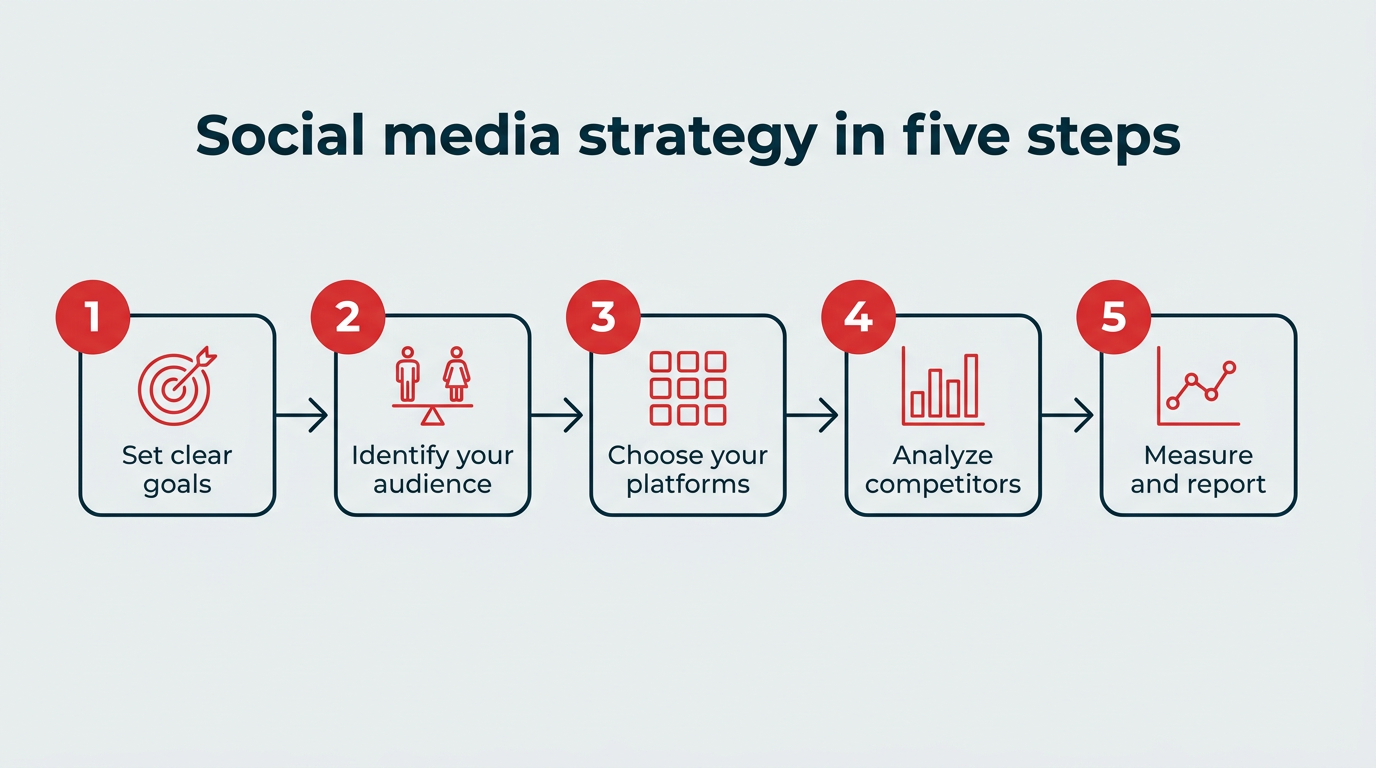
To convert social presence into business results, organizations must adopt a rigorous framework. A successful strategy rests on five fundamental steps:

1. Goal Setting and the SMART Methodology
Success on social media is often sabotaged by "vanity metrics"—an obsession with follower counts or superficial "likes." To derive value, businesses must align social activity with SMART (Specific, Measurable, Attainable, Relevant, and Time-bound) goals. Whether the objective is lead generation, customer retention, or brand awareness, every post and campaign must be mapped to a specific KPI.
2. Precise Audience Identification
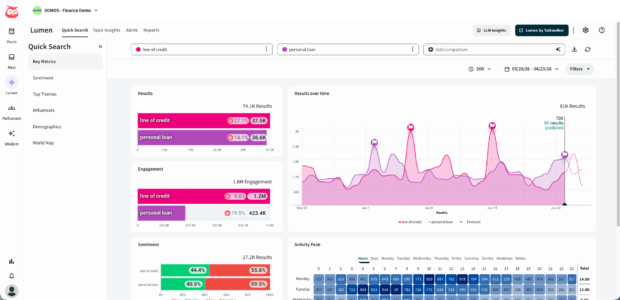
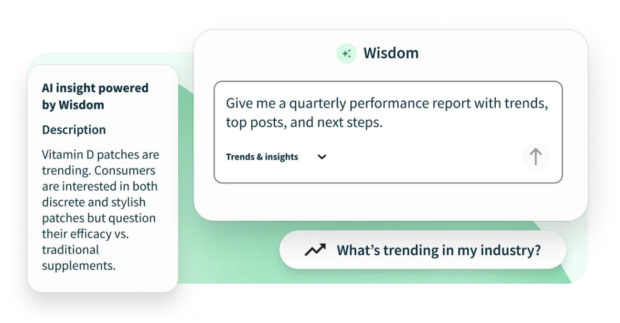
Advanced social listening tools now allow brands to analyze conversations across millions of websites and dozens of social channels. By leveraging AI agents, such as Hootsuite’s "Wisdom," companies can distill massive datasets into clear, actionable themes, identifying exactly what drives customer sentiment and where the audience’s "pain points" lie.

3. Platform Selection and Resource Allocation
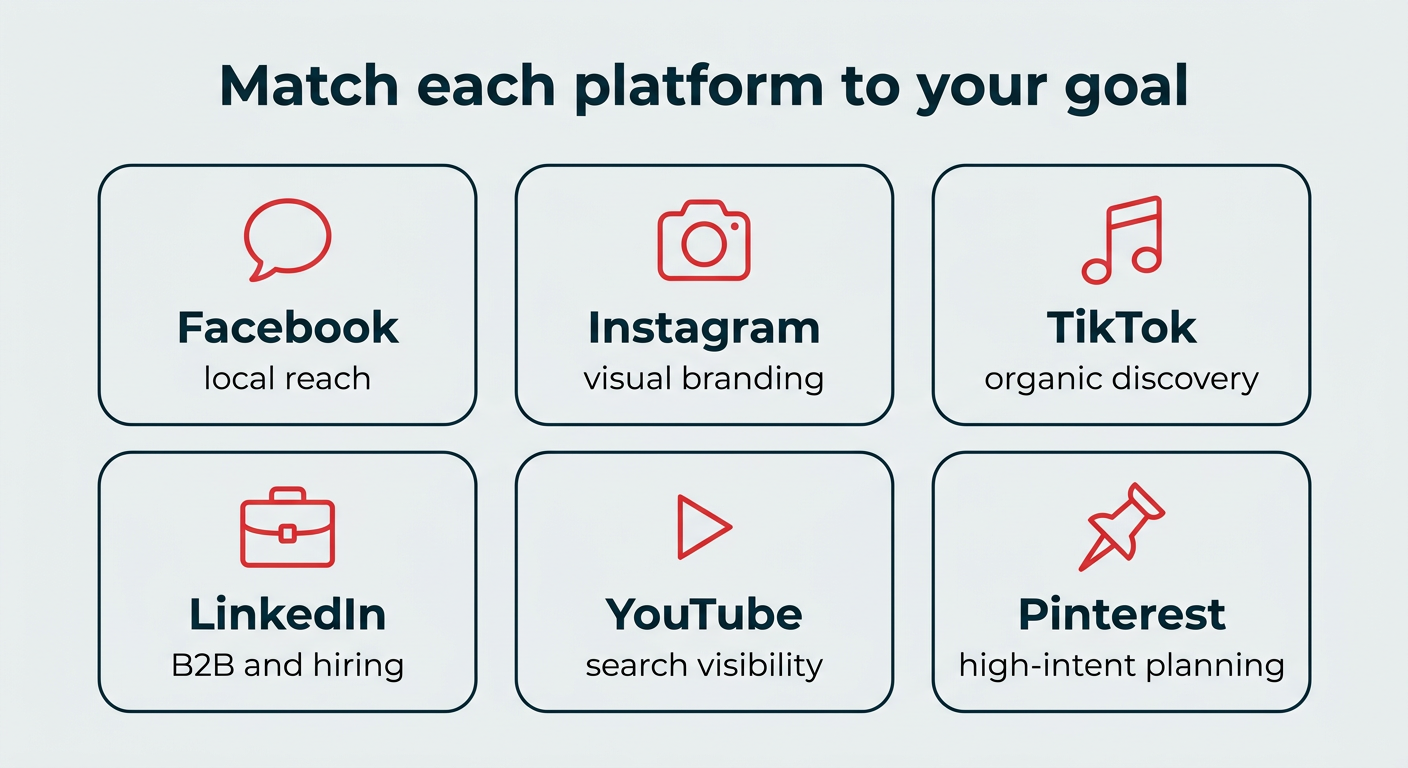
The mistake most businesses make is trying to maintain a presence on every available platform. Instead, the most successful brands practice "platform focus." A B2B software firm will naturally find more success on LinkedIn, while a visual-first consumer goods brand should prioritize TikTok or Instagram. The key is to match the platform’s unique strengths to the business’s specific objectives.

4. The Content Mix: Education, Entertainment, and Community
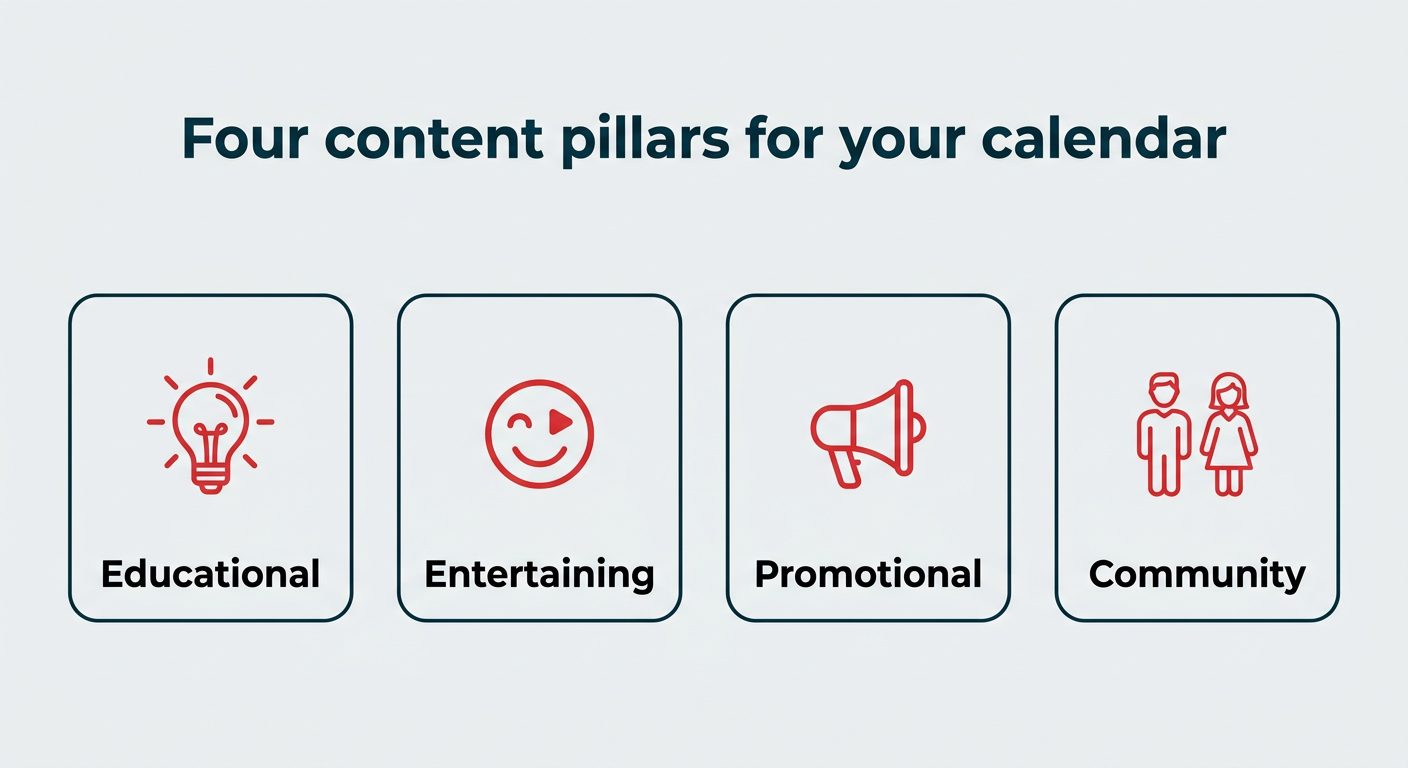
An effective content calendar rotates through a balanced mix of content pillars. While promotional material is necessary, it should ideally represent a minority of total output. By incorporating educational content (tutorials), entertaining media (viral trends), and community-driven content (user-generated posts), brands can build trust. User-generated content, in particular, acts as powerful social proof, signaling to prospective customers that the brand is reliable and well-regarded.
5. Measurement and ROI Reporting
To prove the worth of social media to leadership, companies must bridge the gap between platform engagement and website conversion. Utilizing UTM parameters and Google Analytics integration allows marketers to track the exact journey of a user from a social post to a purchase. This visibility transforms social media from an "expense" into a measurable revenue-generating channel.

Official Perspectives: The Role of AI and Governance
The integration of Artificial Intelligence (AI) has fundamentally altered the social media workflow. AI is no longer a futuristic concept but a practical tool used to streamline content creation, sentiment analysis, and customer response times. However, industry leaders emphasize that AI is an enabler, not a replacement for human judgment. Strategy and brand voice must remain human-centric, while AI handles the heavy lifting of data synthesis.
Privacy and Compliance
As businesses scale, the legal and financial risks associated with social media grow. Compliance, data privacy, and governance—who has access to company accounts, how customer data is handled, and what can be published—must be codified. Governance layers are now essential for preventing unauthorized access and ensuring brand consistency across global teams.

Implications for the Future: Authenticity as a Competitive Advantage
The most profound shift in the current landscape is the premium placed on authenticity. As digital feeds become increasingly saturated with AI-generated content, consumers are gravitating toward brands that feel "human."

Behind-the-Scenes Transparency
Brands that pull back the curtain—sharing their creative processes, their internal culture, or even how they handle mistakes—build deeper loyalty than those that project an image of sterile perfection. When beauty brand Wonderskin faced negative feedback regarding product usage, they didn’t delete the comments. Instead, they produced a video tutorial addressing the issues directly. This pivot from defensive to proactive transparency serves as a blueprint for modern reputation management.
The Rise of Influencer Ecosystems
Partnering with influencers—from micro-creators with niche, highly engaged audiences to large-scale ambassadors—remains one of the fastest ways to build trust. Because influencers have already done the work of building a community, their endorsement serves as a shortcut to credibility that traditional advertising cannot replicate.
Conclusion: The Path Forward
Building a sustainable social media presence requires more than a clever post or a trending hashtag. It requires a commitment to consistent, data-informed habits. By practicing social listening, maintaining a disciplined content calendar, and focusing on measurable outcomes, businesses can transform social media into their most valuable asset.

The tools available today—from advanced analytics dashboards to AI-driven customer support agents—have democratized the ability to compete at a high level. Whether you are a small startup or an established enterprise, the principles of engagement remain the same: listen to your audience, provide genuine value, and be consistent. In the digital economy, the brands that win are those that treat social media not just as a megaphone, but as a bridge to their customers.

As we move through 2026 and beyond, the brands that thrive will be those that view every comment, share, and interaction as an opportunity to refine their strategy and strengthen their market position. The digital conversation is happening right now; the only question remaining is whether your brand is prepared to contribute to it.
