
The Strategic Guide to Facebook and Instagram E-commerce Integration: Top 10 Tools for 2026
The landscape of social commerce has shifted from a novel experiment to a fundamental pillar of digital retail. As of mid-2026, Facebook and Instagram remain the primary discovery engines for global consumers, with data indicating that nearly 40% of social media users now rely on these platforms to uncover new products. For merchants, the challenge is no longer just "getting on social," but orchestrating a seamless, high-performance connection between their e-commerce backend and Meta’s vast advertising ecosystem.
While Meta has retired native on-platform checkout for most regions, the importance of a robust "Social Shop" remains high. This guide explores the top 10 e-commerce apps designed to bridge your inventory with Meta, ensuring that your tracking, catalog accuracy, and ad performance are optimized for maximum conversion.
Understanding the Social Commerce Infrastructure
Before integrating, it is essential to understand the technical architecture. Most modern social commerce tools rely on two pillars: The Product Feed (the data catalog that powers your Facebook Shop) and The Meta Pixel/Conversion API (the server-side tracking technology that ensures your ads are measured accurately).
Many businesses struggle with data discrepancies—where the inventory on their website doesn’t match the price or availability shown on Facebook. The tools listed below solve these issues by automating the synchronization process.
Quick Comparison of Leading E-commerce Integration Tools
| App | Best For | Starting Price | Primary Strength |
|---|---|---|---|
| Ecwid by Lightspeed | New/Standalone Sellers | $29/mo | All-in-one simplicity |
| CedCommerce | Shopify All-in-One | Free plan | Sync + Ads management |
| AdTribes | WooCommerce Catalog | Free | Rules-driven feeds |
| Feedonomics | Enterprise BigCommerce | $29/mo | Managed service quality |
| Meta for Adobe | Magento/Adobe users | Free | Official native support |
| Flexify | Shopify Creative Control | Free | Advanced feed customization |
| Omega Pixel | Shopify Tracking Fixes | Free plan | Server-side CAPI accuracy |
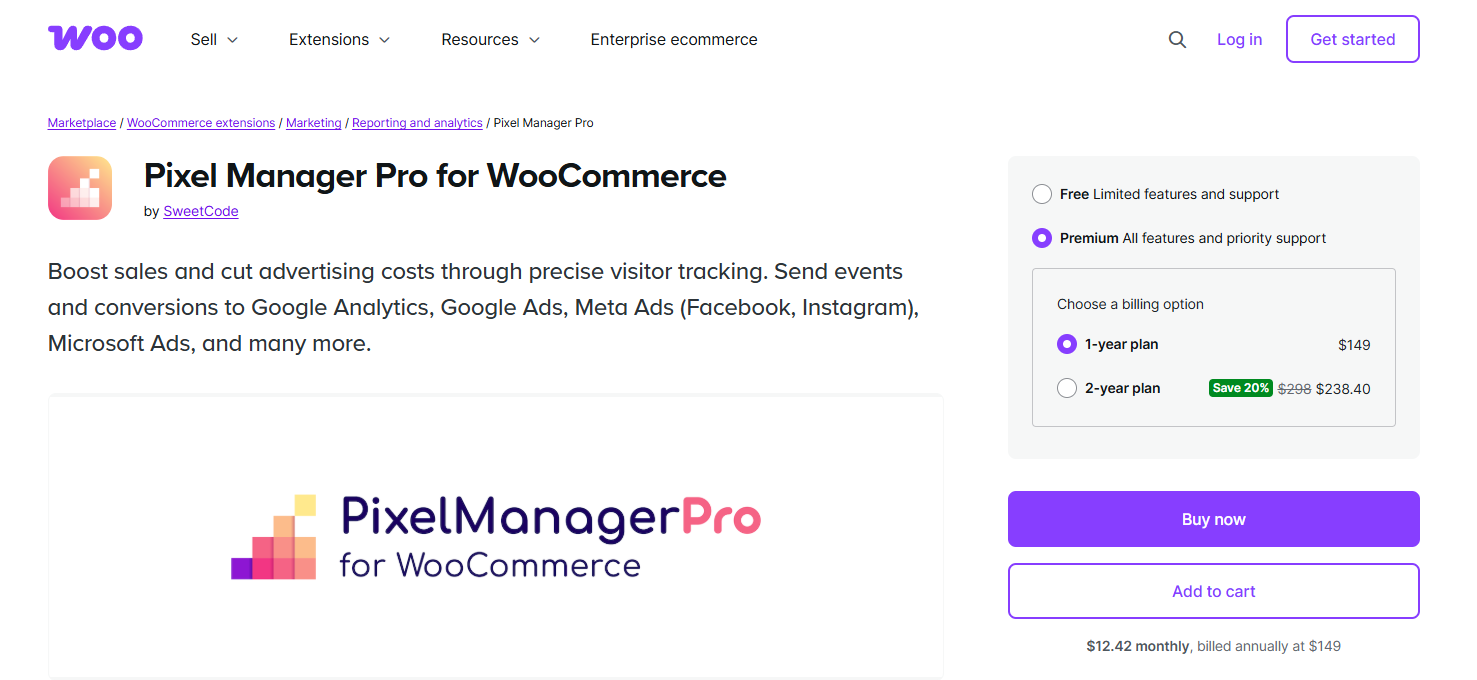
| Pixel Manager Pro | WooCommerce Tracking | $149/yr | Advanced event precision |
| Channable | High-Volume Catalogs | €59/mo | Multichannel management |
| LitCommerce | Multichannel Selling | Free plan | Marketplaces + Social |
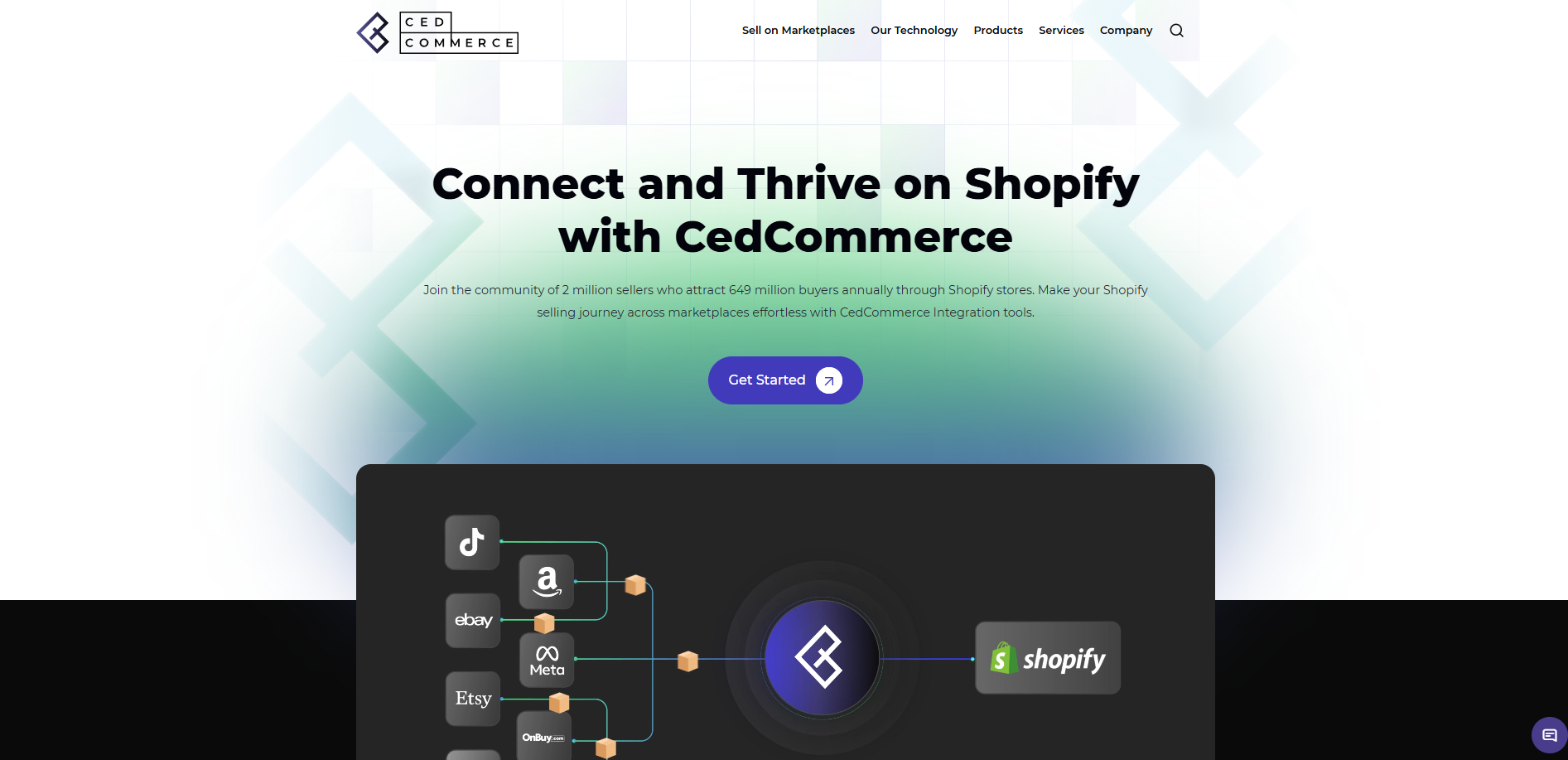
1. Ecwid by Lightspeed: The Independent Powerhouse
Ecwid remains the gold standard for entrepreneurs who haven’t yet built a complex website. It functions as an embeddable storefront that can be attached to any existing social profile or run as a standalone, lightweight site.
- Implications for Sellers: It removes the technical barrier to entry. If you are a small business owner, you can manage your inventory in one dashboard and push it directly to Facebook and Instagram without writing a line of code.
- Limitation: As you scale to high-volume enterprise operations, you may find the platform lacks the deep API customizations offered by enterprise-grade ERP-linked solutions.
2. CedCommerce: The Shopify All-Rounder
For Shopify users, the official Meta app can sometimes feel restrictive. CedCommerce fills this gap by offering an all-in-one suite that handles not just the product sync, but also the intricacies of the Meta Pixel and the Conversion API (CAPI).
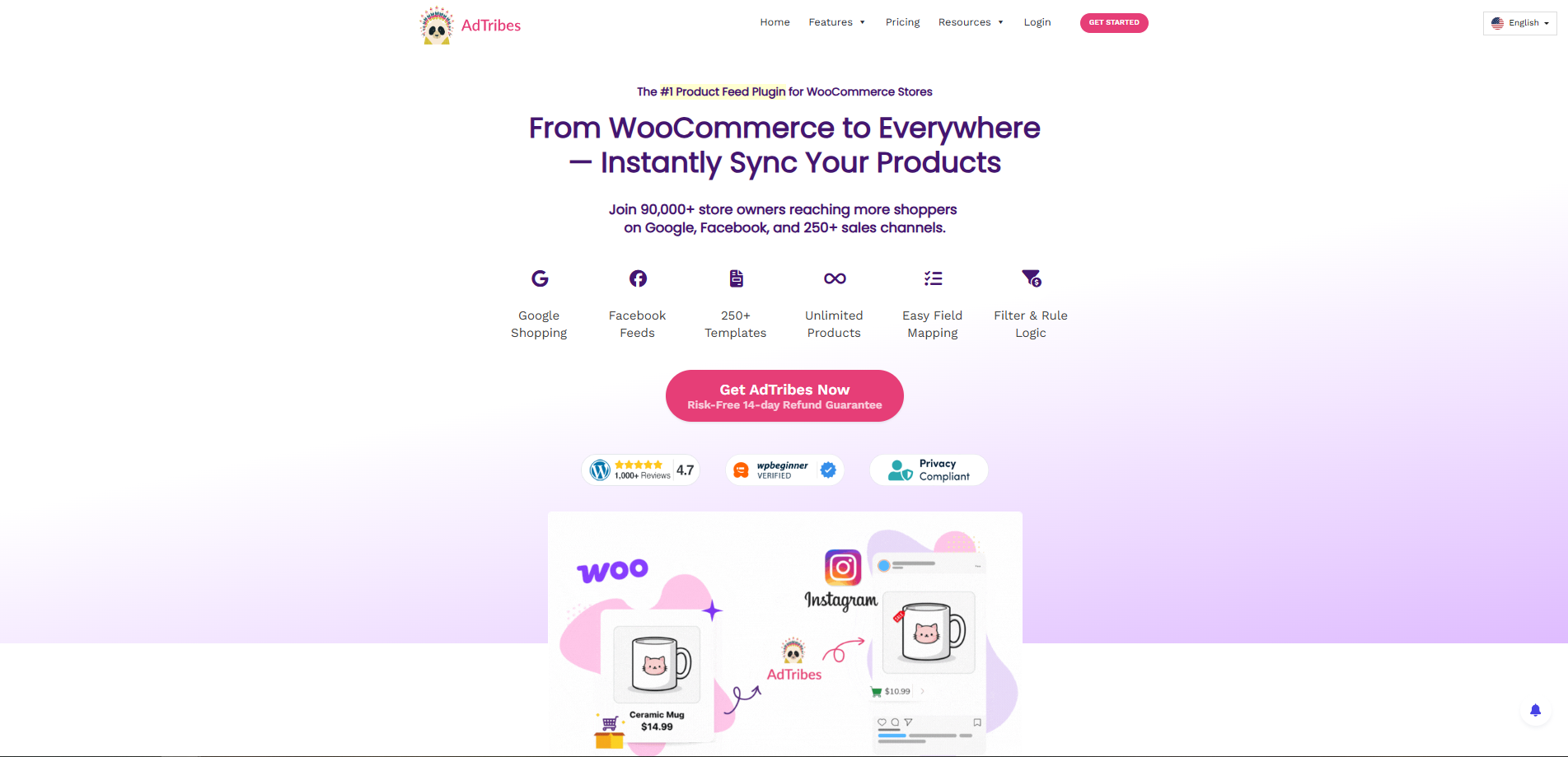
- Key Benefit: It provides a unified dashboard for ad campaign management. Instead of hopping between Shopify and Meta Business Manager, you can monitor the health of your campaigns directly from your store backend.
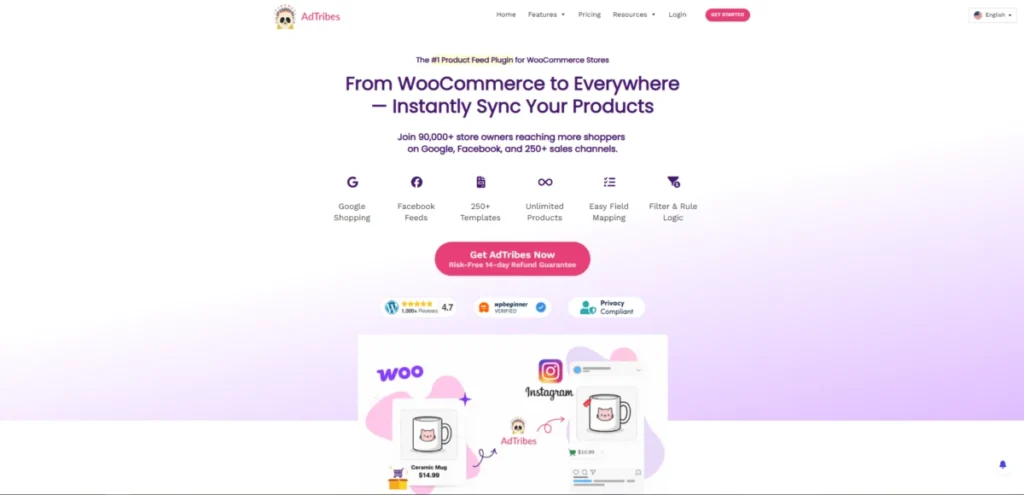
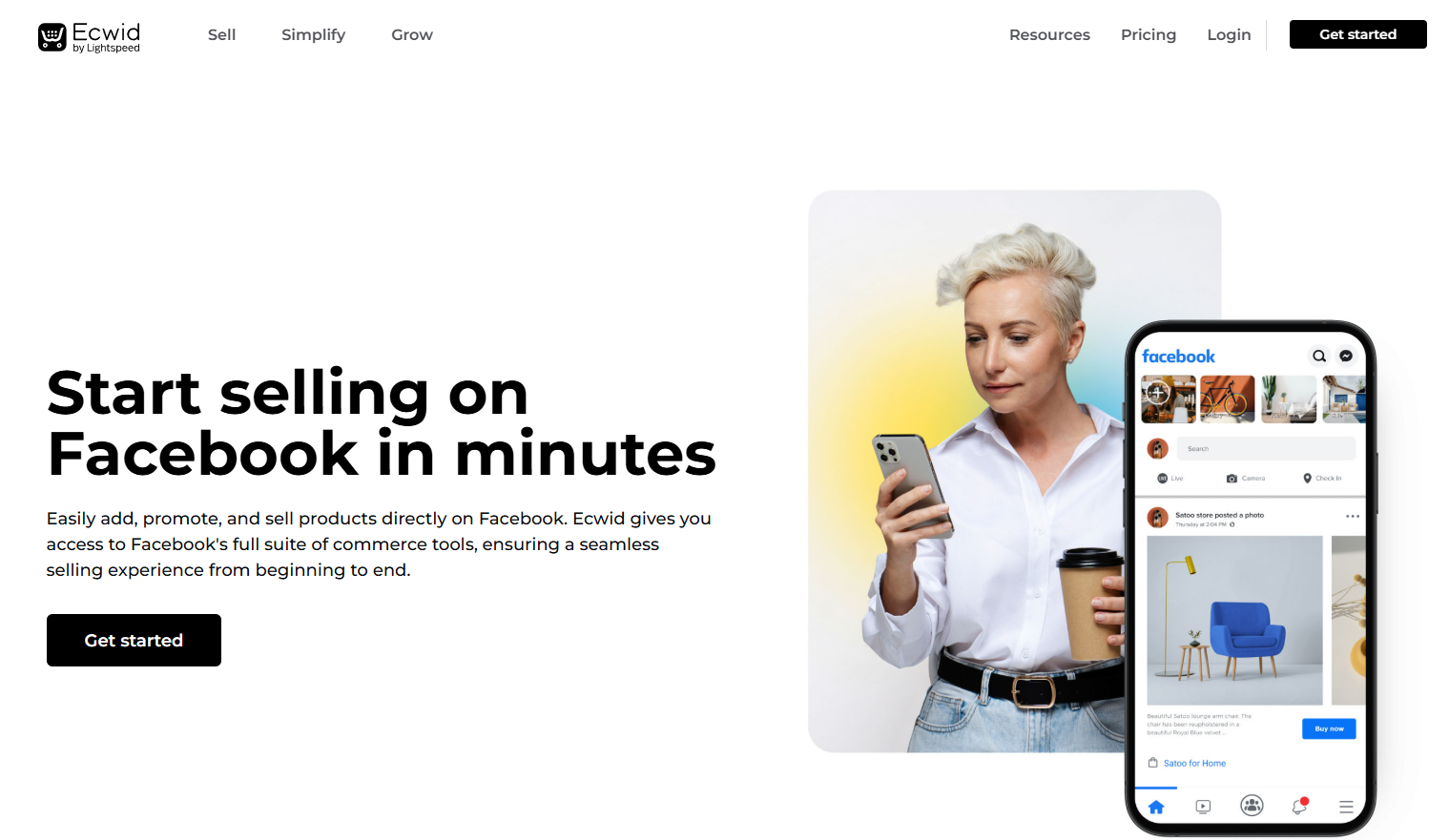
3. AdTribes Product Feed PRO: The WooCommerce Authority
With over 80,000 active installations, AdTribes has become the default for WordPress-based stores. It excels at creating complex, rules-based feeds.
- Supporting Data: With a 4.7/5 rating from over 1,000 users, it is statistically the most reliable way to ensure that your WooCommerce product attributes (size, color, brand) map perfectly to Facebook’s stringent data requirements.
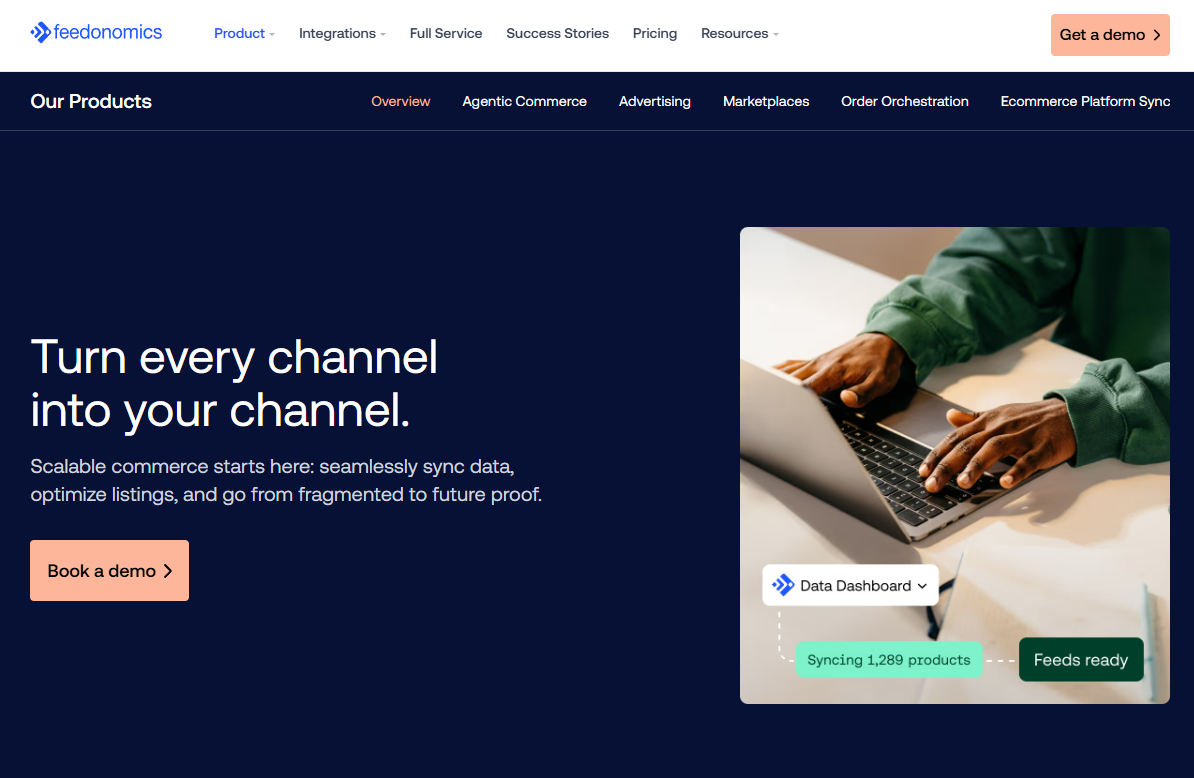
4. Feedonomics Surface: The BigCommerce Native Choice
For large-scale merchants on BigCommerce, Feedonomics is the industry-standard "managed" route. Because it is a native integration, it benefits from direct support from both platforms, minimizing the risk of downtime during big shopping events.
- Chronology of Performance: As BigCommerce has evolved, the Surface integration has become more sophisticated, now allowing for near-instant inventory updates, which is vital for merchants with high-velocity sales.
5. Meta for Adobe Commerce: The Enterprise Standard
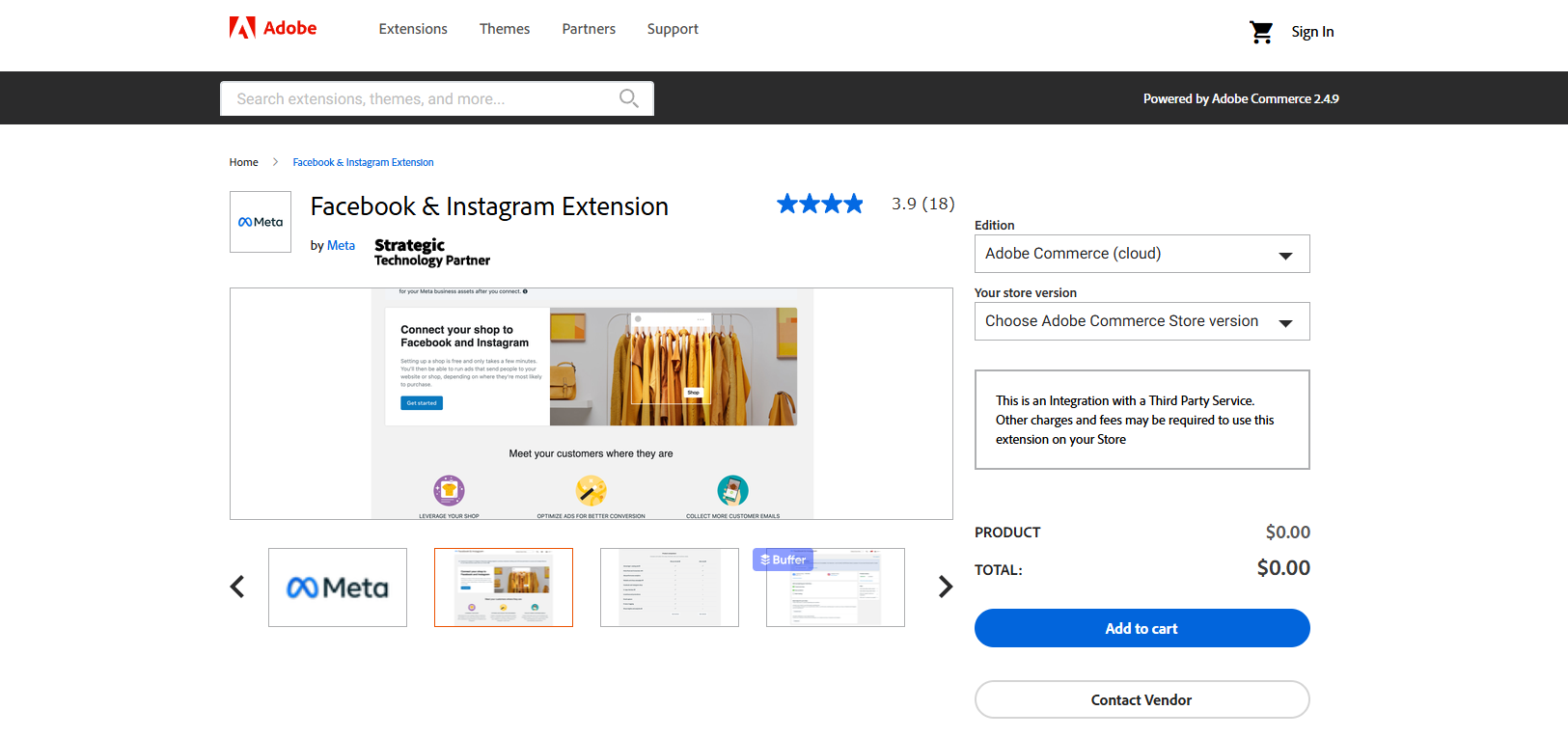
Adobe Commerce (formerly Magento) is a beast of a platform. The official Meta extension is the most stable, zero-cost way to maintain a connection between your enterprise site and Facebook.
- Official Response: Meta explicitly recommends this extension for Adobe users because it is maintained by Meta engineers, ensuring that as Facebook’s catalog API changes, your store remains compliant without manual intervention.
6. Flexify: Fine-Tuning the Creative
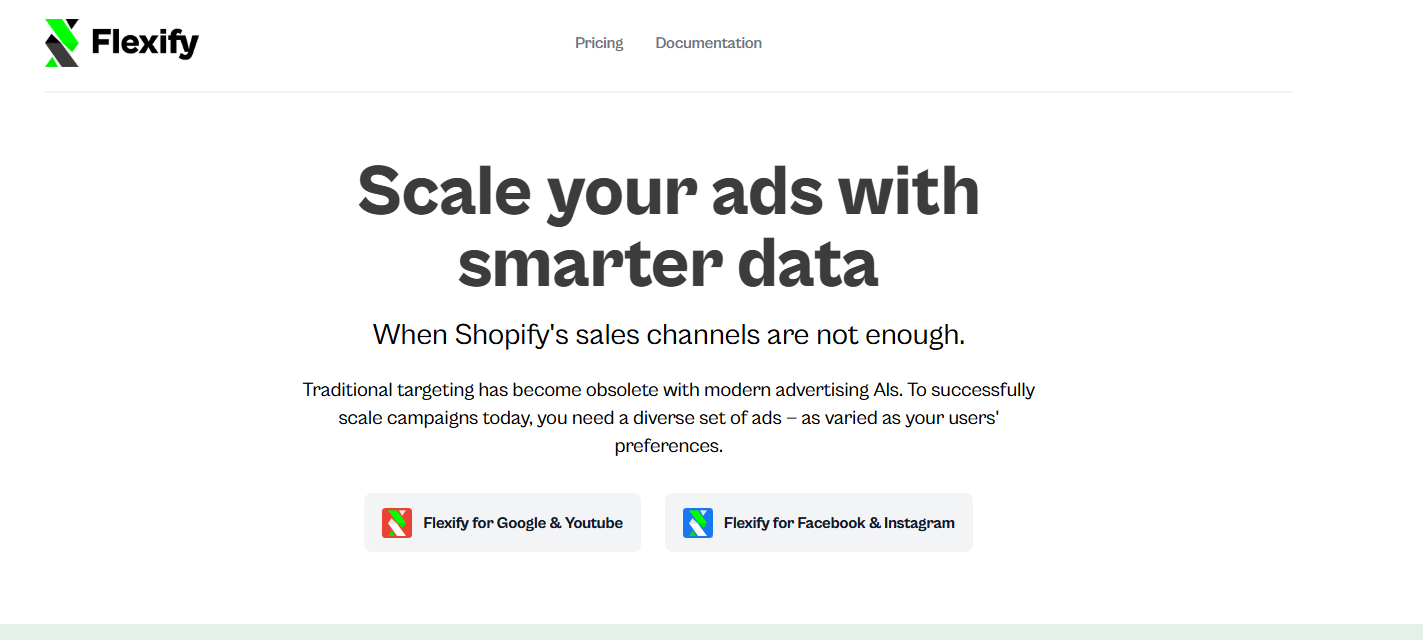
Standard product feeds often look "boring" in ads. Flexify allows you to overlay promotional text, logos, or seasonal badges onto your product images before they hit the Facebook ad auction.
- Strategic Advantage: In a crowded ad feed, the ability to dynamically update your product imagery—without changing the photos on your actual website—can drastically increase your Click-Through Rate (CTR).
7. Omega Facebook Pixel Meta Feed: Solving the "iOS Tracking Gap"
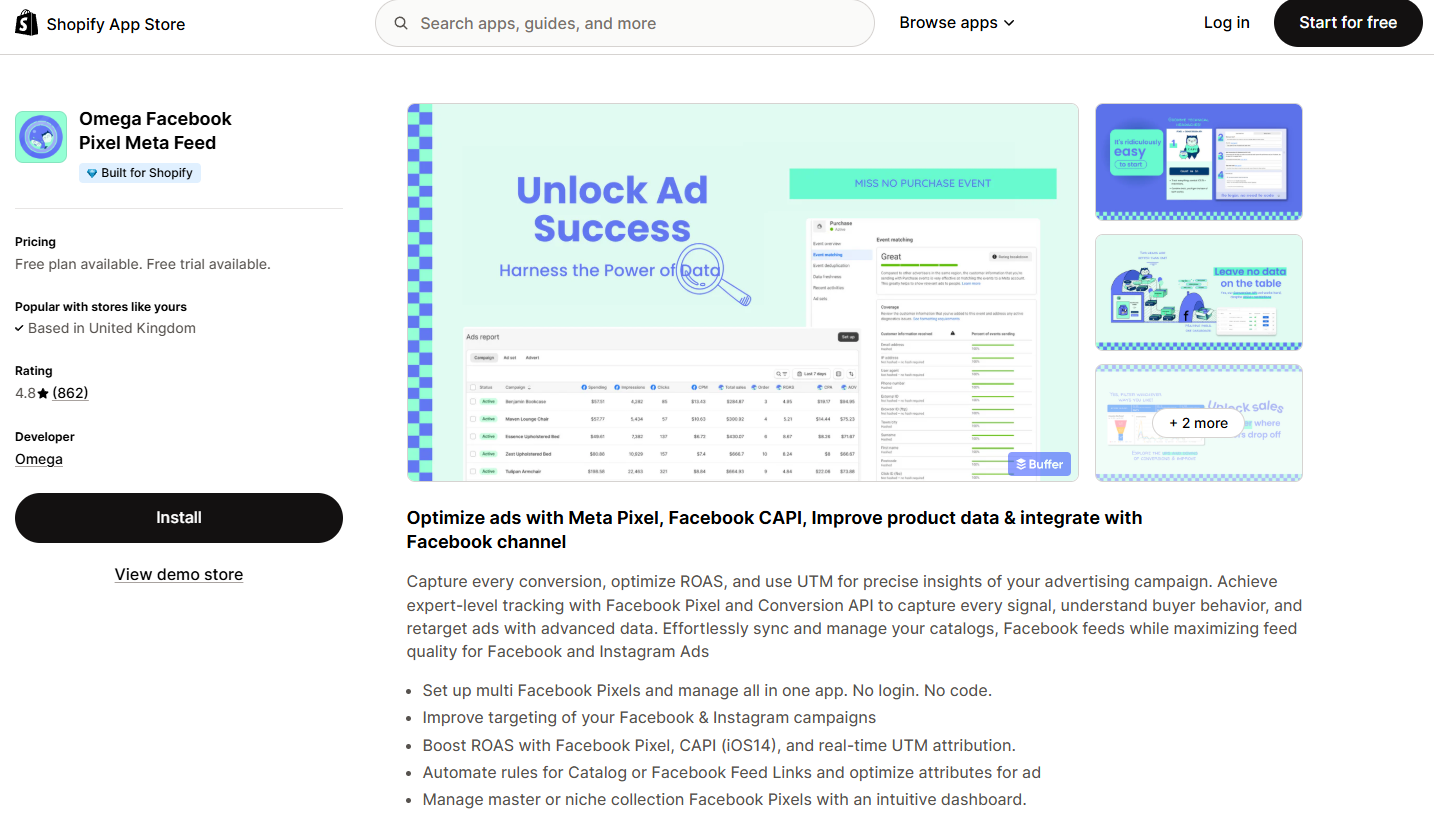
Following Apple’s App Tracking Transparency (ATT) changes, many Shopify stores saw their ad tracking accuracy plummet. Omega solves this by bypassing browser-based tracking and sending data via the Conversion API (CAPI).
- Implication: By capturing events server-side, Omega ensures that you aren’t "blind" to the performance of your campaigns, providing a more accurate Return on Ad Spend (ROAS) report.
8. Pixel Manager Pro for WooCommerce
Similar to Omega, this plugin is designed specifically for the WooCommerce ecosystem. It is an investment, but for stores spending thousands on monthly ad budgets, the cost is justified by the precision of the conversion tracking it provides.
9. Channable: Managing the Chaos
If you are a retailer selling on Amazon, eBay, TikTok Shop, and Facebook, you cannot manage your product data manually. Channable acts as a "source of truth," where you edit your product data once and let it propagate to every channel in the correct format.
10. LitCommerce: The Multichannel Connector
LitCommerce is built for the growth-focused merchant. If your goal is to expand from Facebook/Instagram into other marketplaces, this app allows you to scale your operations without duplicating your catalog management tasks.
Strategic Implications: Is Social Commerce Still Worth It?
The debate over the ROI of social commerce has evolved. In 2026, the strategy is no longer about "instant checkout" on the app, but rather about "frictionless discovery."
Data-Driven Success
- The Discovery Factor: Recent studies show that 62% of US social buyers completed their most recent purchase on a platform like Facebook, reinforcing that while the payment may happen on your website, the decision is made on social.
- The "Shop" Difference: It is critical to distinguish between a Facebook Shop (your branded, curated storefront) and Facebook Marketplace (a peer-to-peer bazaar). Your brand equity depends on maintaining a professional, branded Shop rather than relying on Marketplace listings.
How to Choose Your Tool
When selecting your integration strategy, ask yourself three questions:
- What is my volume? If you have fewer than 100 SKUs, a free/simple plugin is sufficient. If you have 10,000+ SKUs, you need a professional feed management tool like Channable or Feedonomics.
- Where is my tracking breaking? If your ad reporting shows significantly fewer sales than your website dashboard, your priority should be a CAPI-enabled tool like Omega or Pixel Manager.
- How much control do I need? Do you need to customize your ad imagery? If so, prioritize tools like Flexify that allow for creative manipulation.
Conclusion: Preparing for the Future
The integration of e-commerce apps with Facebook and Instagram is a permanent fixture of modern retail. As privacy regulations continue to tighten, the importance of reliable, server-side data synchronization (Conversion API) will only grow. By choosing the right tool for your specific platform and catalog size, you can turn your social presence from a passive marketing channel into a proactive, revenue-generating engine.
For further insights on optimizing your e-commerce operations, including conversion rate optimization and A/B testing strategies, visit the Crazy Egg Blog.
