

The State of LinkedIn Advertising in 2026: A Strategic Guide for B2B Marketers
In the rapidly evolving landscape of B2B digital marketing, LinkedIn has solidified its position not merely as a social network, but as the primary engine for professional demand generation. As we move through 2026, the platform has surpassed 1.3 billion members, providing an unparalleled environment where career-centric data meets high-intent decision-making. For marketers, the challenge is no longer about finding an audience—it is about mastering the precision of the LinkedIn ad ecosystem.

Main Facts: Why LinkedIn Dominates the B2B Space
The fundamental advantage of LinkedIn remains its "professional context." Unlike B2C platforms that rely on inferred interests, LinkedIn operates on verified, self-reported career data. This allows advertisers to target based on granular professional attributes: job titles, seniority, company size, and specific industries.

In an era where "buying committees" rather than lone shoppers drive enterprise-level B2B sales, the ability to reach multiple stakeholders—from the C-suite to the daily end-user—is a competitive necessity. With B2B trends shifting toward first-party data strategies, LinkedIn’s robust infrastructure offers a sanctuary from the privacy-driven deprecation of third-party cookies that has crippled tracking on other social channels.
Chronology: Setting Up Your Campaign for 2026 Success
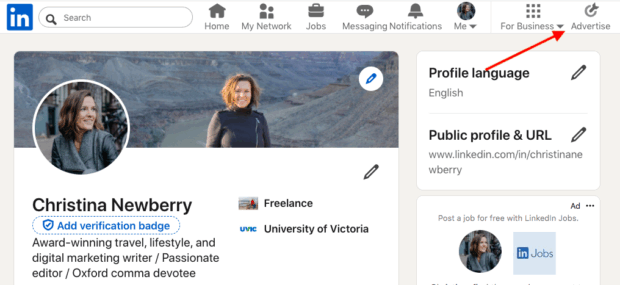
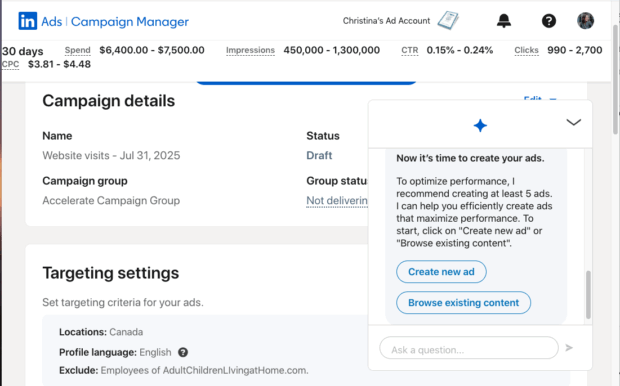
Launching a campaign in the current LinkedIn environment is streamlined, yet requires methodical setup. The process follows a standardized four-step workflow within the Campaign Manager:
- Initialize: Access the platform by navigating to the "Advertise" tab within your personal profile.
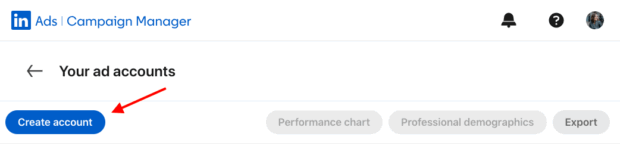
- Account Creation: Establish your account by defining your billing currency and assigning a unique name.
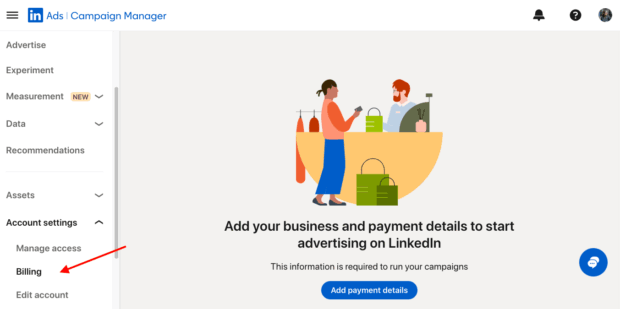
- Administrative Foundations: Link your official Company Page. Best practice dictates that you assign permissions to team members via the "Manage Access" tab and finalize payment methods early to prevent mid-campaign interruptions.
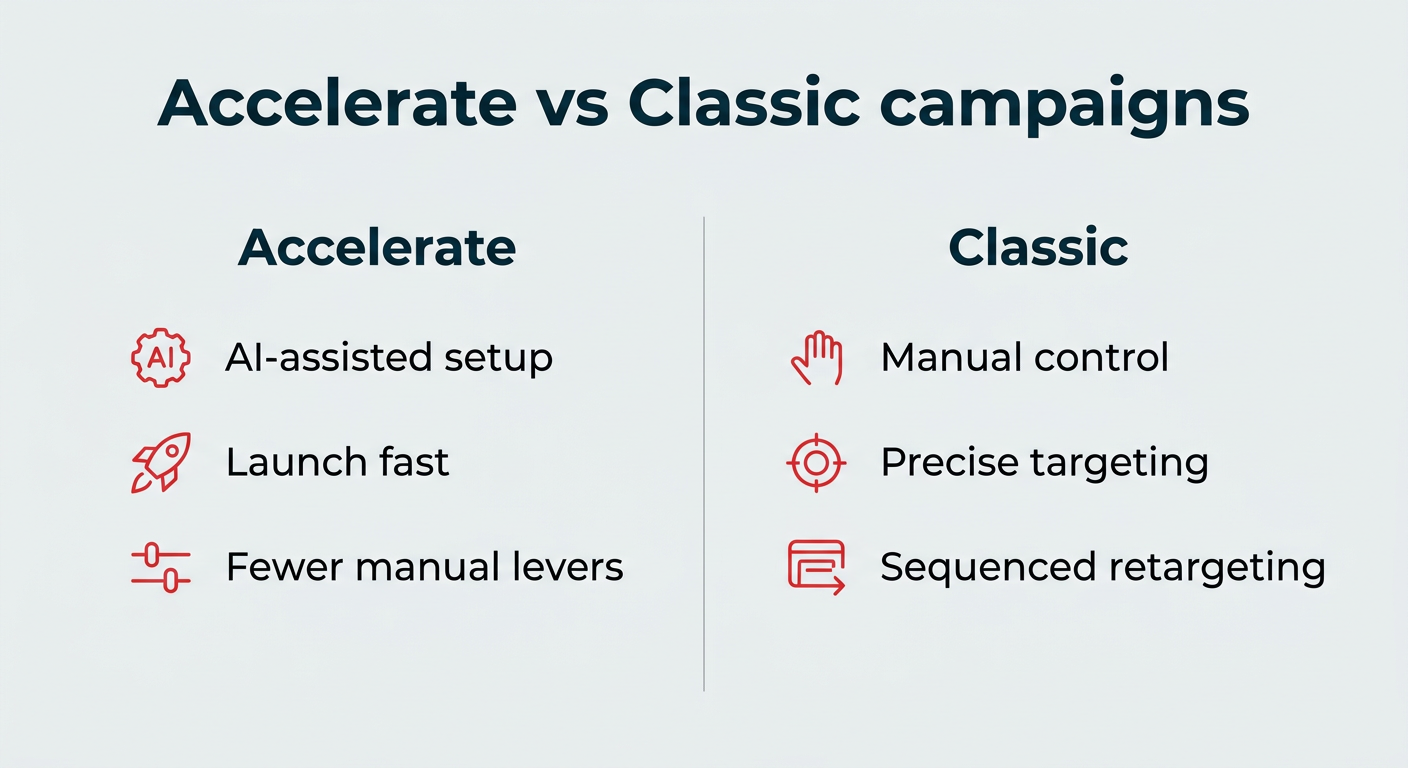
- Campaign Launch: Choose your objective—whether it is brand awareness, website traffic, or lead generation—and select between "Accelerate" (AI-driven) or "Classic" (manual) modes.
Supporting Data: Understanding Costs and Auctions
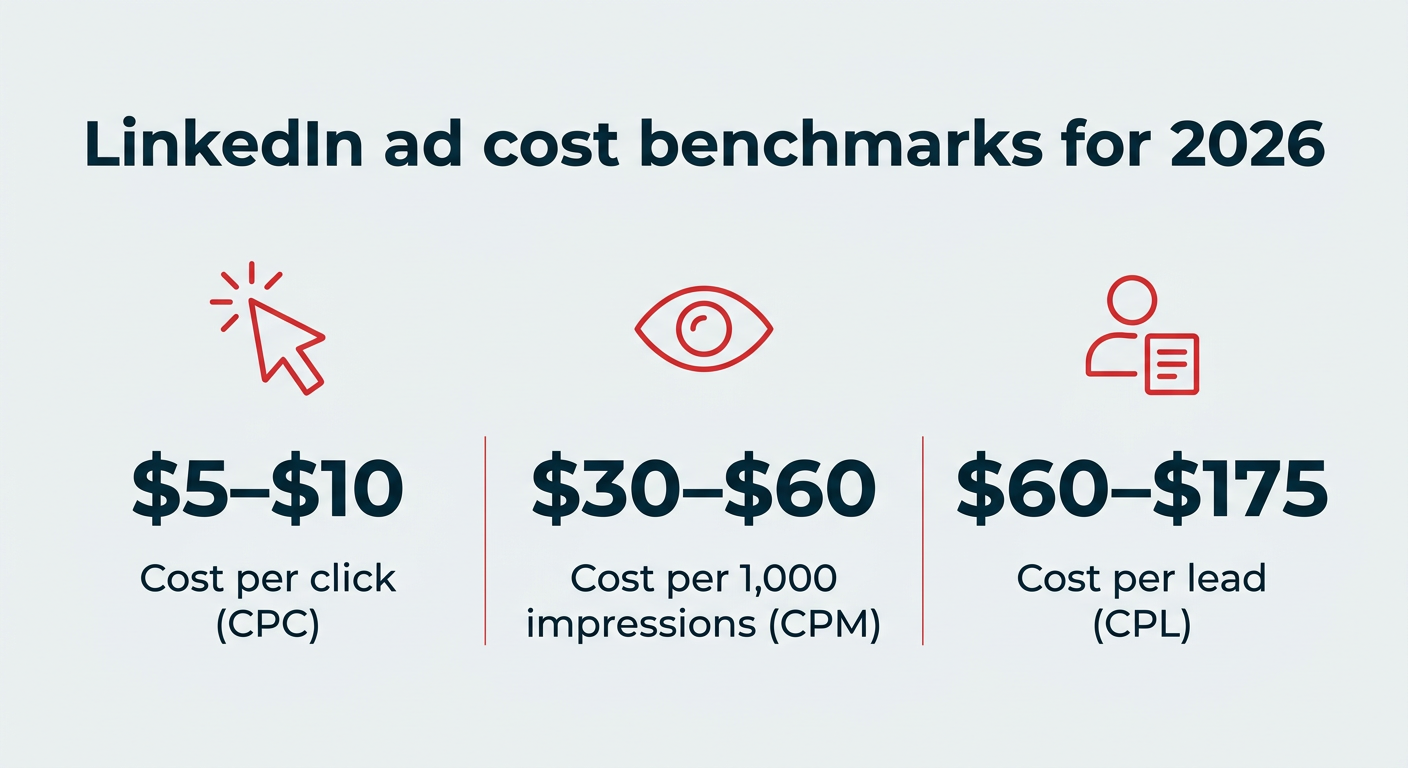
LinkedIn is inherently a premium channel, and its pricing reflects the quality of the audience. Because the platform operates on an auction-based model, there are no fixed costs. However, 2026 third-party benchmarks offer a baseline for planning:
- Cost Per Click (CPC): $5.00 – $10.00
- Cost Per 1,000 Impressions (CPM): $30.00 – $60.00
- Cost Per Lead (CPL): $60.00 – $175.00
While these figures are higher than those on Meta or TikTok, they must be viewed through the lens of lead quality. A lead from LinkedIn is statistically more likely to progress through a B2B sales pipeline than a lead captured on a consumer-facing platform.
The auction system itself functions by rewarding relevance. The "winning" ad is not necessarily the one with the highest bid; it is the one that maximizes value for the member, determined by a combination of the bid amount and the ad’s predicted engagement rate.
Official Perspectives: The Strategic View
Gabe Feingold, a Product Marketing Leader at LinkedIn, emphasizes that the platform is "purposefully built for B2B advertisers." According to Feingold, the most effective campaigns are those that work backward from a specific business objective.
"LinkedIn is the only platform to influence the full buyer group," Feingold notes. "Marketers should avoid jumping straight to lead generation. Instead, engage your audience first with thought leadership and brand storytelling."
This philosophy underpins the current shift toward "full-funnel" programs. By using video and document ads to educate, marketers build a "remarketing pool" of high-intent users before ever asking for a contact form submission.
Advanced Tactics: Accelerate vs. Classic
In 2026, the choice of campaign architecture is vital:
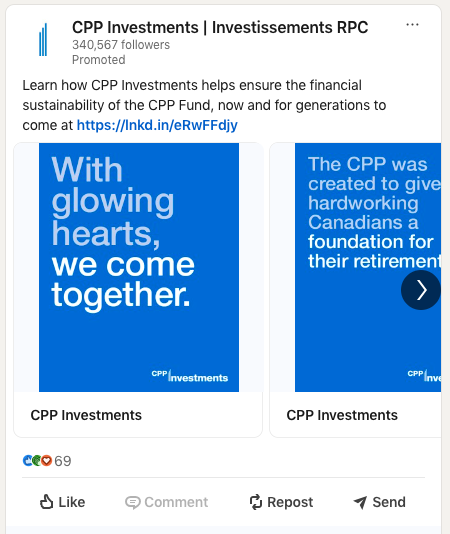
- Accelerate (AI-Assisted): This mode uses machine learning to dynamically adjust targeting and creative based on real-time performance. It is ideal for teams seeking rapid optimization and scalability. It requires a 10–14 day learning period to stabilize.
- Classic (Manual Control): This remains the gold standard for Account-Based Marketing (ABM) and highly niche campaigns. It allows for strict exclusion lists, precise audience definitions, and granular control over bid strategies.
Implications for Future Strategy
As we look toward the remainder of 2026 and beyond, the implications for B2B teams are clear:
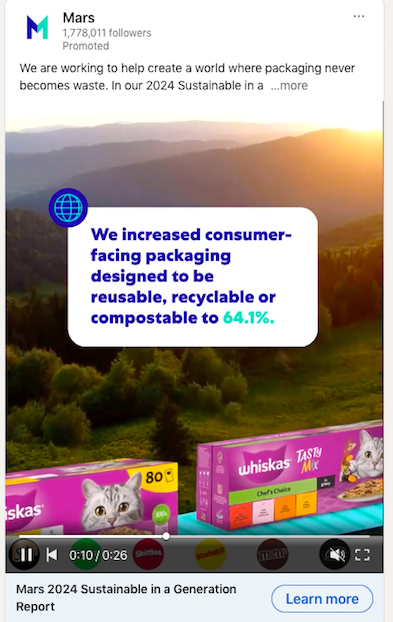
1. Creative Must Be "Native"
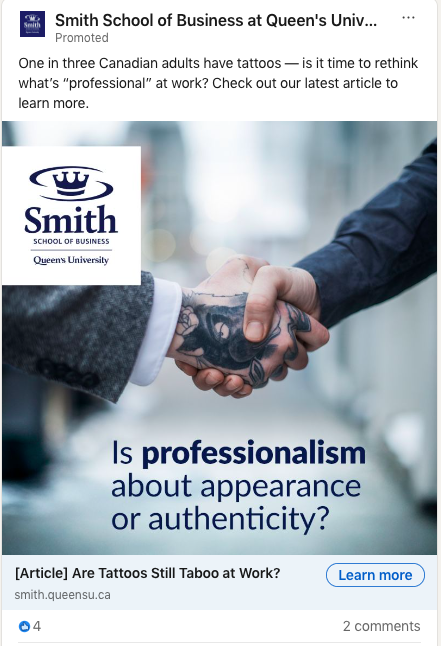
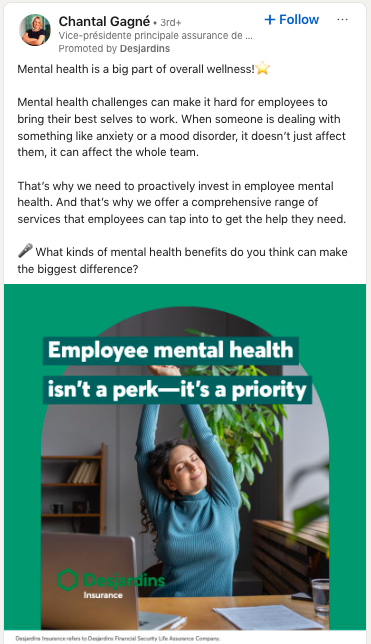
The era of the "corporate flyer" is over. Ads that feel like organic posts—specifically Thought Leader ads, where you promote an executive’s post rather than a sterile brand message—are consistently outperforming traditional ad formats. Authenticity is the new currency.
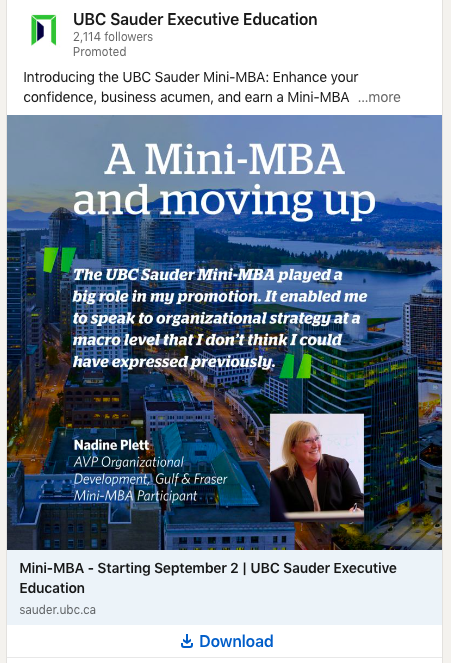
2. The Power of Video
LinkedIn’s investment in video has paid dividends. With video posts generating 20x more shares and 3x the engagement of static images, video is no longer optional. The most successful ads in 2026 are those that front-load branding and keep captions optimized for silent, mobile-first consumption.
3. Measuring Downstream Impact
Vanity metrics like "clicks" or "likes" are insufficient for justifying a B2B budget. The most sophisticated teams are using the LinkedIn Insight Tag to map every interaction directly to CRM data. By tracking the cost per qualified opportunity rather than cost per lead, marketers can prove the true ROI of their LinkedIn investment.
4. Sequencing the Buyer’s Journey
A successful strategy treats every prospect as part of a journey. A common mistake is attempting to close a deal on the first interaction. The 2026 winning formula involves a three-phase approach:
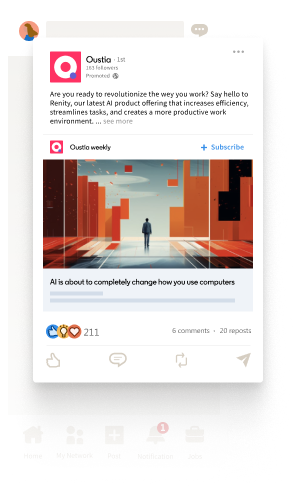
- Awareness: Thought leadership and video content.
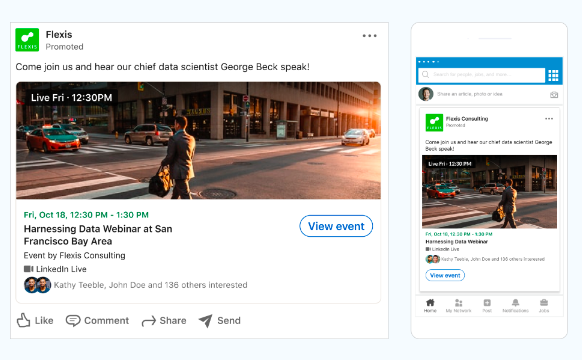
- Consideration: Document ads and webinars.
- Conversion: Retargeting with Lead Gen forms or direct, gated offers.
Final Summary: Winning on LinkedIn
The core takeaway for 2026 is that LinkedIn is a long-term play. It is a space for building authority and nurturing relationships with the individuals who hold the keys to corporate purchasing decisions.
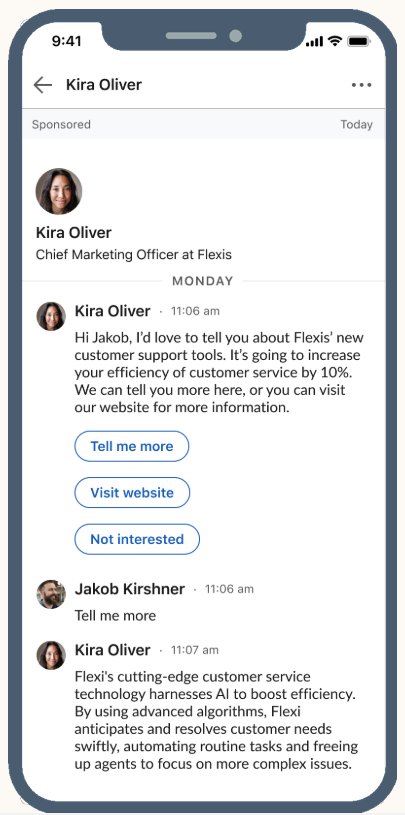
To succeed, you must move beyond the auction-driven mindset and focus on the human element: What value are you providing? How does your content help your buyer solve a problem? By aligning your objectives, sequencing your creative, and rigorously measuring the impact on your pipeline, you transform LinkedIn from an advertising expense into a reliable, high-performing asset for your business growth.
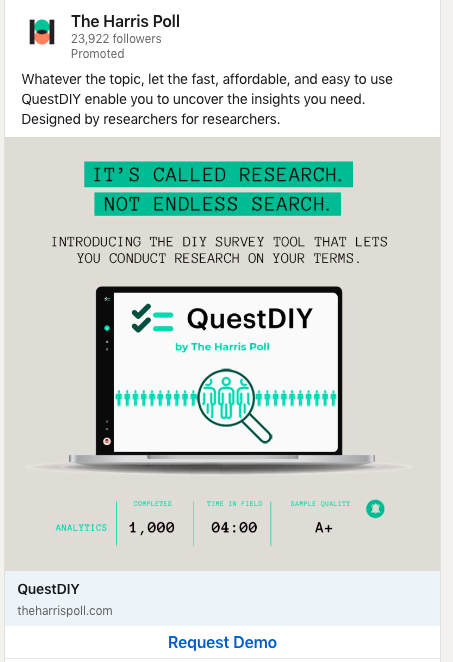
As the digital landscape becomes increasingly fragmented, the clarity and professional focus of the LinkedIn ecosystem will continue to be the most reliable indicator of B2B success. Do not just bid for space—earn the attention of your audience by speaking to their career aspirations and business challenges.
