
The State of Email Marketing in 2026: Choosing the Right Newsletter Software for Growth and ROI
In an era where digital noise is at an all-time high, the email newsletter remains the most potent tool in a marketer’s arsenal. While social media algorithms fluctuate and paid advertising costs continue to climb, a well-curated email list remains a direct, owned channel to your audience. However, the market for "best email newsletter software" is saturated with generic "feature dumps" that often overlook the critical factors determining real-world success: deliverability, support, and the speed at which a user can translate an idea into revenue.
For businesses, agencies, and creators in 2026, choosing the right platform is no longer just about choosing an editor; it is about selecting a strategic partner. This analysis cuts through the marketing fluff to evaluate the industry leaders based on performance, technical infrastructure, and long-term scalability.
The Landscape: A Chronology of Email Evolution
The trajectory of email marketing has shifted dramatically over the last decade. We have moved from simple "blast" emails to hyper-personalized, behavior-driven automation.
- 2010–2015: The era of mass-market penetration, where tools like Mailchimp democratized access to email marketing for small businesses.
- 2016–2020: The rise of complex CRM integration. Platforms like ActiveCampaign moved the needle by focusing on deep behavioral tracking.
- 2021–2024: The "Creator Economy" boom. Specialized tools like Beehiiv emerged, focusing on monetization, referral loops, and publisher-first features.
- 2025–2026 (The Current Era): The focus has shifted to privacy-compliant analytics, bot-filtering, and AI-assisted content creation. Today, deliverability is the ultimate currency, and tools that fail to provide clean, actionable data are being phased out by sophisticated teams.
Comparative Analysis: The Top 9 Newsletter Platforms
1. Campaign Monitor: The Gold Standard for Design and Control
Campaign Monitor has cemented its position as the preferred choice for design-led teams and agencies. Unlike "all-in-one" suites that sacrifice polish for breadth, Campaign Monitor excels at providing high-fidelity brand control.
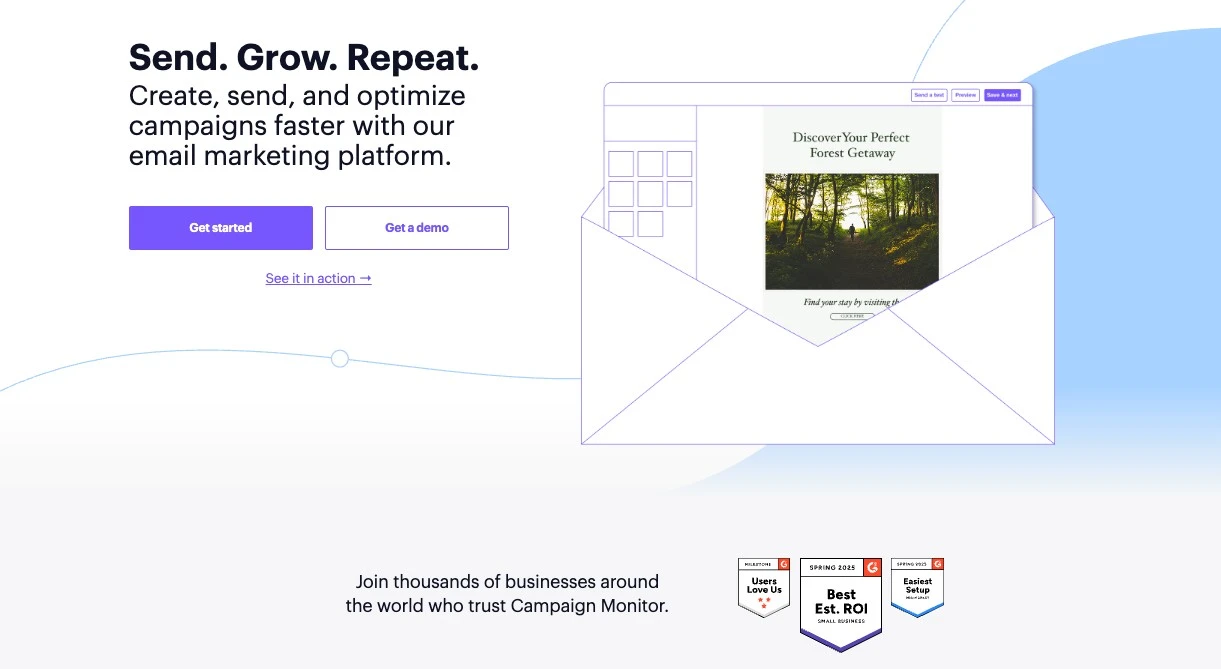
- Key Advantage: Pixel-perfect design tools and superior deliverability.
- Why it wins: It bridges the gap between enterprise-grade power and user-friendly workflows. Agencies, in particular, rely on its multi-account management capabilities.
2. Mailchimp: The "All-in-One" Workhorse
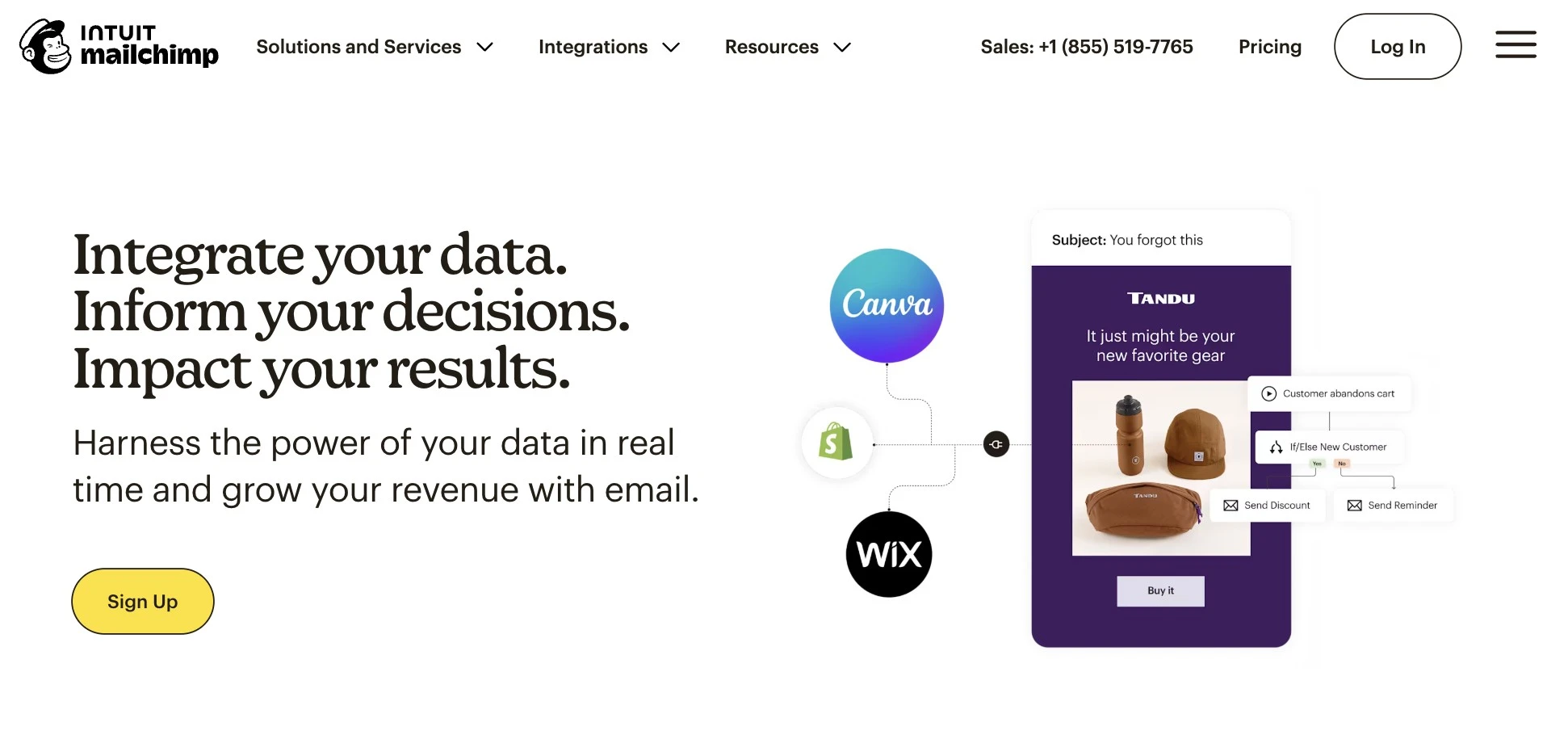
Mailchimp remains the most recognizable name in the industry. Its strength lies in its comprehensive ecosystem, which includes a built-in CRM and e-commerce integrations. It is ideal for small businesses that prefer a singular login for their marketing, website, and CRM needs.
3. Brevo: The Budget-Friendly Powerhouse
Formerly known as Sendinblue, Brevo has pivoted to a multichannel focus. By offering SMS, WhatsApp, and transactional email capabilities alongside traditional newsletters, it serves as an excellent choice for businesses looking to keep their tech stack lean without overspending.
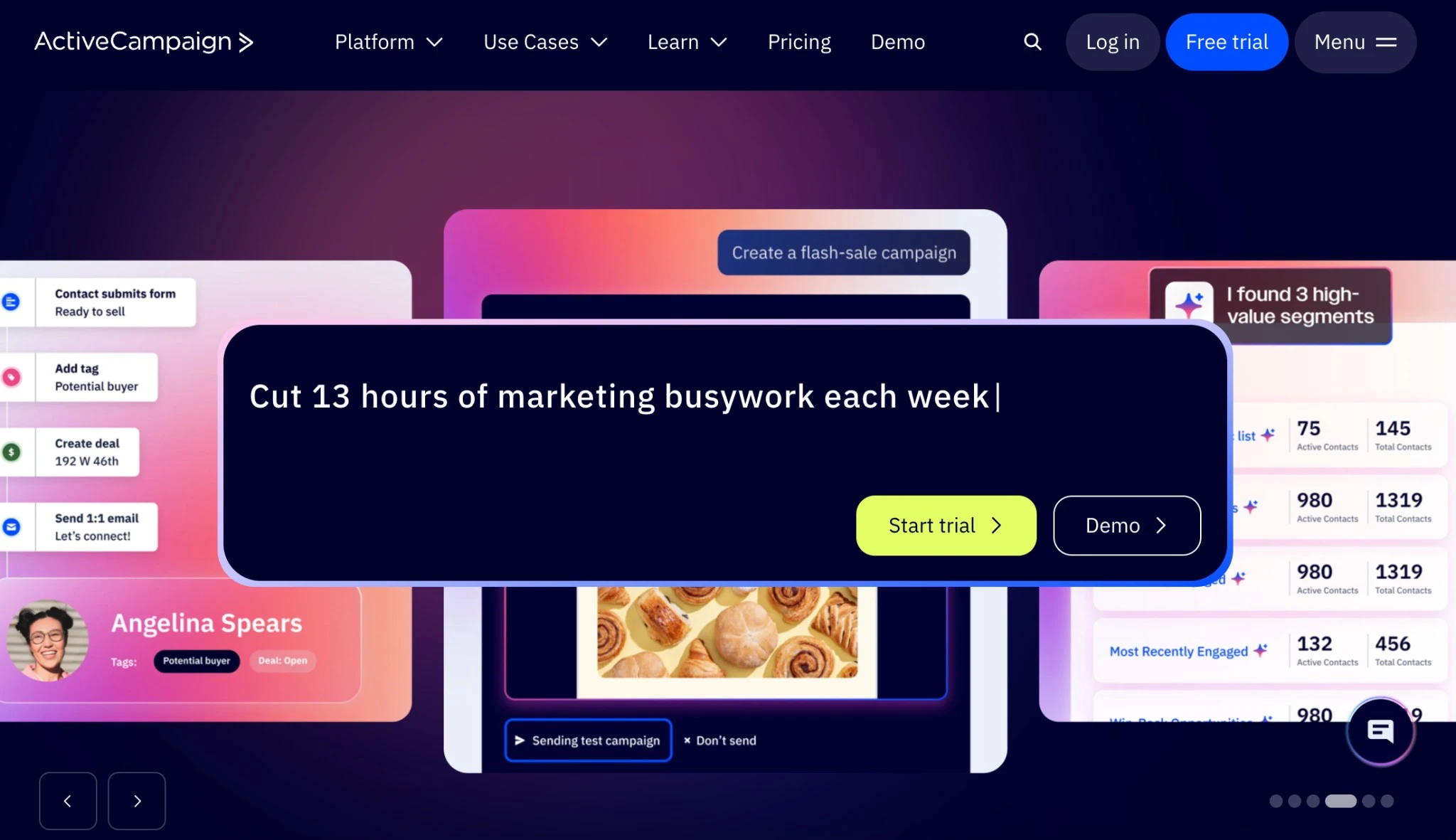
4. ActiveCampaign: The Automation Specialist
For B2B and SaaS brands, ActiveCampaign is the heavy lifter. Its visual journey builder is arguably the most sophisticated on the market, allowing for complex logic branches that respond to user behavior in real-time.
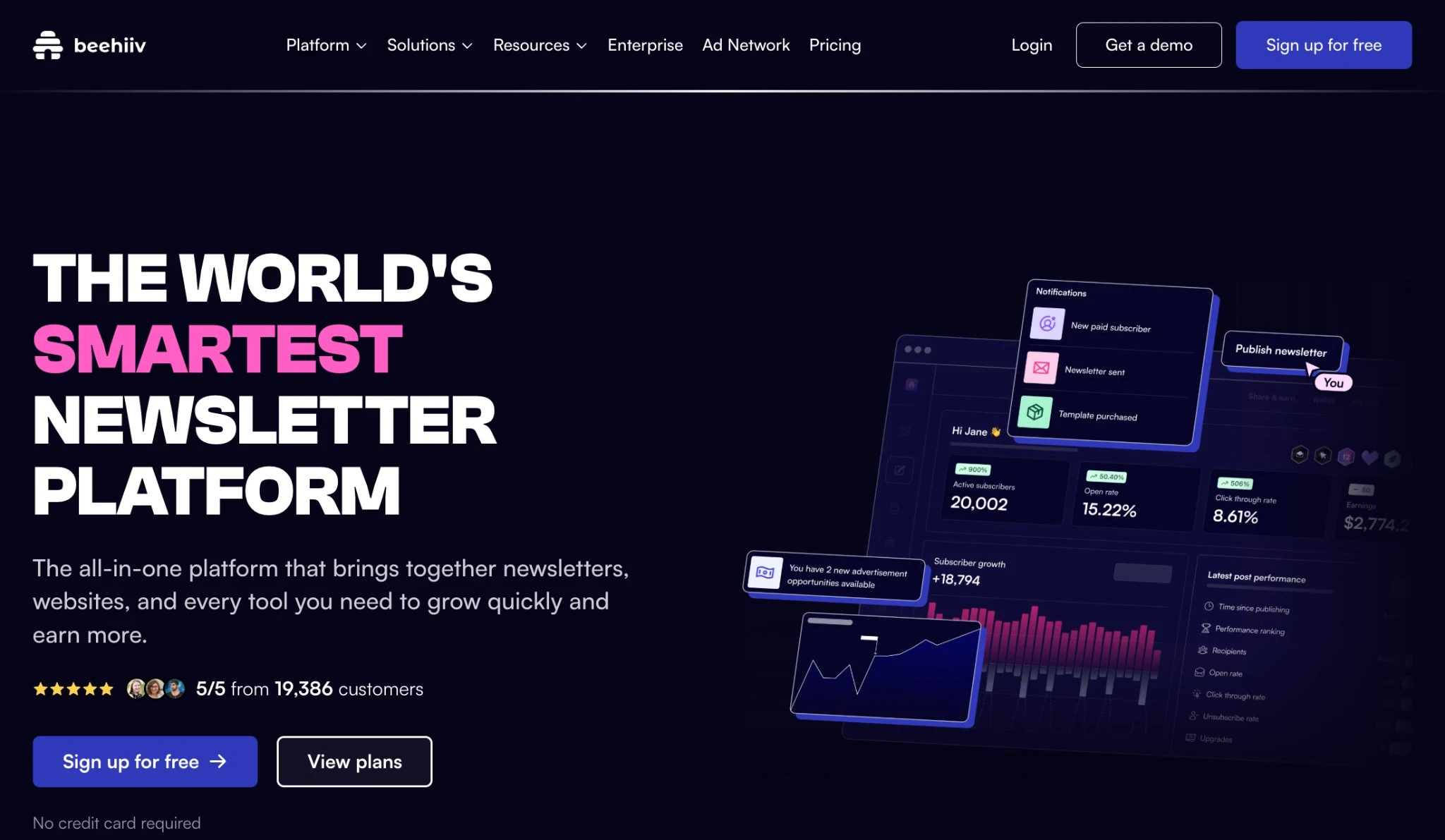
5. Beehiiv: The Creator’s Toolkit
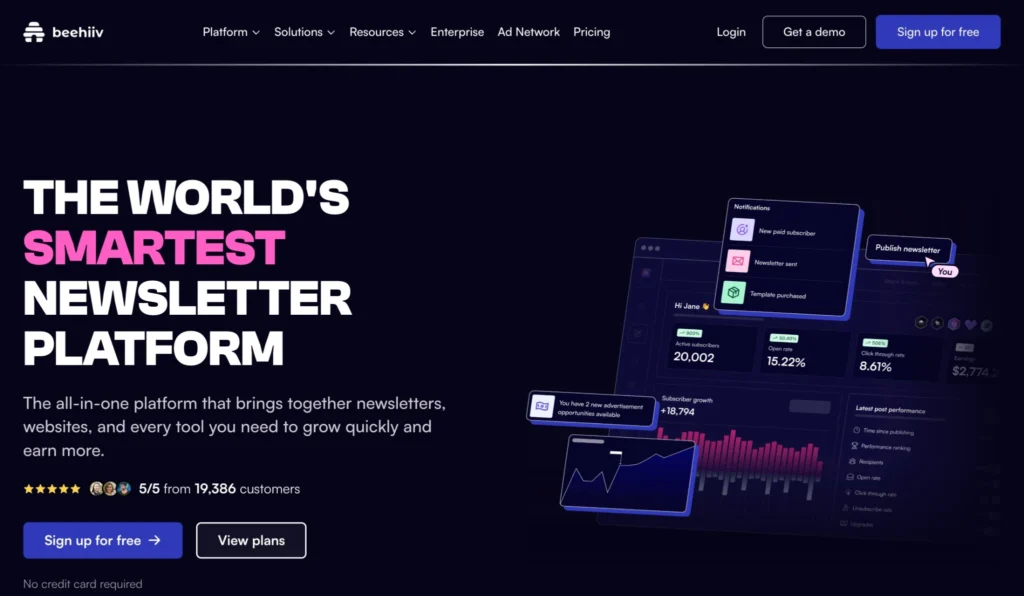
Beehiiv is the disruptor. Built by newsletter creators for newsletter creators, it excels at audience growth. With built-in referral programs, paywalling, and ad-network integrations, it is designed to turn a publication into a profitable media company.
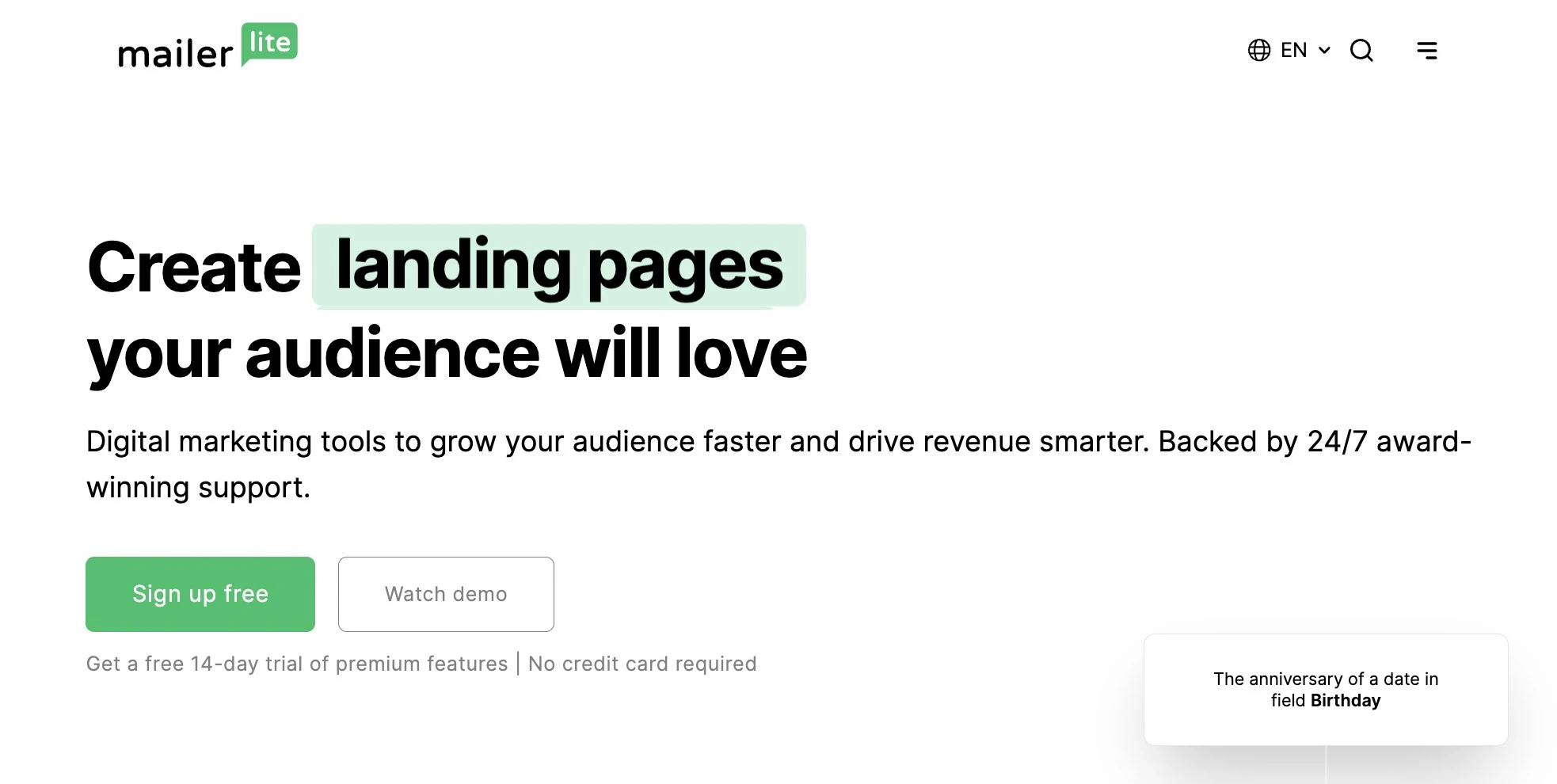
6. MailerLite: The Minimalist’s Choice
MailerLite earns its reputation through sheer simplicity. It is the perfect entry point for freelancers and creators who find more complex platforms intimidating. It offers a surprising amount of power—including landing pages and automation—within a clean, uncluttered interface.
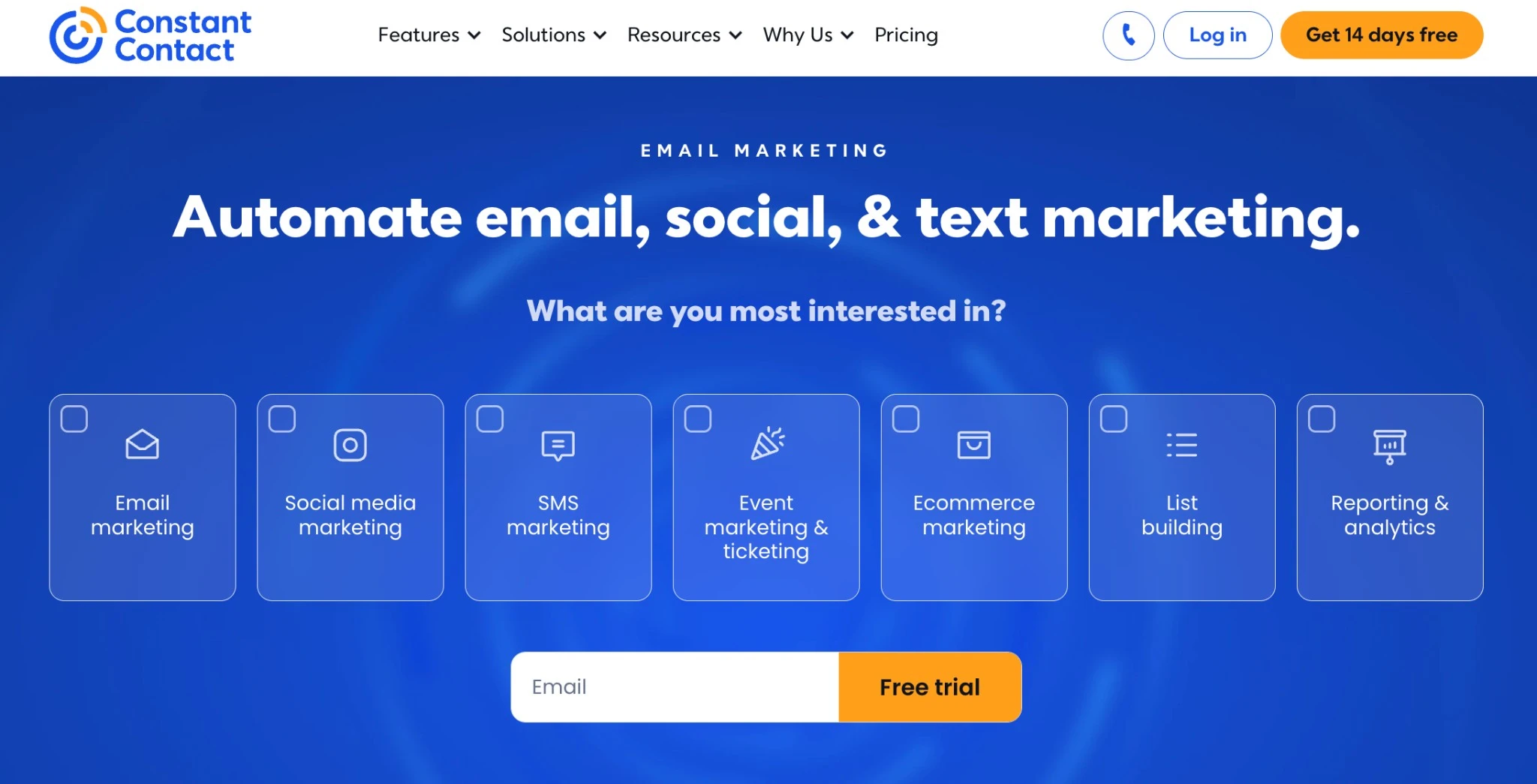
7. Constant Contact: The Event-Marketing Expert
Where other tools focus on digital products, Constant Contact maintains its edge in event-based marketing. Its integration with registration platforms and social media promotion tools makes it a staple for nonprofits and local community businesses.
8. GetResponse: The Funnel Architect
GetResponse is built for conversion. It treats email as one component of a broader funnel, offering webinar hosting, landing page builders, and automated sales sequences in a single, cohesive package.
9. AWeber: The Reliable Standard
AWeber has stayed relevant by focusing on what works: dependability and human-centric support. For those who prioritize a tool that "just works" and provides helpful guidance when things go wrong, AWeber remains a top-tier contender.
The 4P Fit Framework: Evaluating Performance
To move beyond vanity metrics, we propose the 4P Fit Framework. When vetting a platform, assess it against these four pillars:
- Personalization: Does it go beyond "First Name" tags? Look for dynamic content blocks that allow you to display different information to different segments of your audience.
- Performance: Can the tool filter out bot activity? In 2026, privacy-focused email clients have made open rates unreliable. Real engagement metrics—clicks, conversions, and revenue attribution—are the only data points that matter.
- Platform: Does it integrate natively with your existing tech stack (e.g., Shopify, Salesforce)? If you have to manually export CSVs to sync data, you have already lost.
- Partnership: Does the company provide human support, or are you limited to a FAQ page? When your IP address is flagged or a template breaks, you need a partner, not a knowledge base.
Strategic Implications: How to Choose
The choice of newsletter software should be treated as a strategic business decision, not a software subscription.
The "North Star" Strategy:
- If Revenue is your North Star: Look for platforms with strong e-commerce integrations and deep behavioral analytics (e.g., ActiveCampaign or Campaign Monitor).
- If Audience Growth is your North Star: Look for platforms that prioritize referral tools and publishing features (e.g., Beehiiv).
- If Brand Consistency is your North Star: Look for tools that offer robust design editors and "lockable" templates to ensure brand compliance across large teams (e.g., Campaign Monitor).
Conclusion: Building for the Future
The "best" newsletter software is not the one with the most features; it is the one that minimizes the friction between your creative vision and your audience’s inbox. As we navigate the complexities of 2026, deliverability, data privacy, and meaningful segmentation will continue to define the winners.
Before committing to a long-term contract, we strongly recommend running a 14-day "mini-pilot." Import 500 to 1,000 active contacts, build a sample automation sequence, and test the support team’s responsiveness. The right tool will prove its value not through its marketing brochure, but through the seamless, revenue-generating journeys it creates for your subscribers.
Disclaimer: This analysis is for informational purposes and does not constitute financial or legal advice. Always consult with your technical team before migrating significant subscriber lists. Performance results may vary based on list quality and industry standards.
