
The Soul of the Screen: Why Personality is the Missing Link in Modern Blogging
In the hyper-competitive landscape of digital publishing, thousands of creators follow the textbook rules for success: they optimize their metadata, meticulously structure their headers for SEO, and master the technical nuances of their content management systems. Yet, despite checking every box, many find their traffic stagnant and their engagement metrics flat.
What separates a transient, forgettable website from a digital destination that fosters deep, long-term loyalty? The answer is not found in an algorithm—it is found in the intangible, human element of personality.
A blog without personality is merely a collection of data points. A blog infused with a unique voice, visual identity, and authentic perspective becomes a community. This article explores how ten industry-leading bloggers have mastered the art of personalization, transforming their platforms into authority brands that resonate on a human level.
The Anatomy of a Personal Brand: Why Connection Matters
The shift from "informational" blogging to "relational" blogging is a response to the saturation of AI-generated and generic content. When readers can get a factual answer from a chatbot in seconds, they turn to blogs for something the machine cannot replicate: a human perspective, a shared struggle, or a unique aesthetic.
The Core Elements of Personalization
- Visual Authenticity: Using photography to anchor the reader in your reality.
- Distinctive Voice: Establishing a tone—whether humorous, professional, or irreverent—that makes your writing instantly recognizable.
- Strategic Vulnerability: Using the "About" page as a manifesto rather than a bio.
- Consistency: Ensuring the "you" on the blog is the same "you" on social media.
1. Visual Storytelling: The Power of Presence
Case Study: YTravel (Caz and Craig)
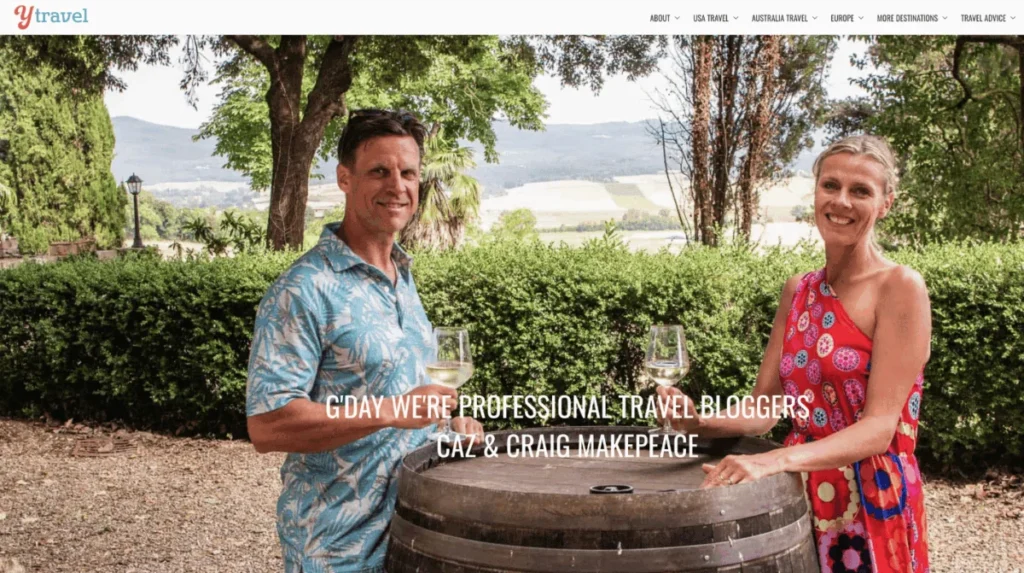
For lifestyle, travel, and food bloggers, high-quality imagery is not just decorative; it is evidence of experience. Caz and Craig of YTravel excel at this by integrating candid, high-energy family photos into their guides.
The Implication: When a reader sees a genuine, unposed smile, the barrier between "content creator" and "reader" dissolves. It creates a "trust bridge," proving that the advice offered—such as their famous guides on flying with children—is rooted in real-world experience rather than theoretical research.

2. Defining Your Identity: The "Flair" Factor
Case Study: Pat Flynn (Smart Passive Income)
Pat Flynn’s homepage is a masterclass in identity branding. By clearly labeling himself as a "father, husband, and serial entrepreneur," he anchors his professional expertise in relatable human roles. Adding a dash of quirkiness—like his self-described role as "protector of Baby Yoda"—humanizes him, making him approachable.
The Lesson: You are not just a service provider; you are a person with multifaceted interests. Highlighting these facets encourages readers to identify with you, not just your product.
3. The Risk and Reward of a Distinctive Tone
Case Study: Shannon Kelly White
Tone is perhaps the most polarizing aspect of a blog. Shannon Kelly White utilizes a raw, unfiltered, and often "salty" vocabulary. While this may alienate some, it creates a "tribe" of loyal readers who feel seen and understood by her authenticity.

The Strategy: By refusing to sanitize her voice, she effectively filters out readers who wouldn’t resonate with her message, ensuring that those who do stay are deeply invested in her content.
4. Visual Identity: Custom Illustrations
Case Study: Blog Tyrant (Ramsey)
Ramsey’s use of a "blogging superhero" avatar is a classic example of branding consistency. By featuring this custom illustration across banners and lead magnets, he creates a memorable visual anchor.
The Takeaway: If you aren’t comfortable being on camera, or if you want to elevate your site’s design, a custom illustration or mascot can serve as a "brand anchor" that makes your site instantly recognizable in a crowded RSS feed.

5. The "About Page" as a Conversion Tool
Case Study: A Beautiful Mess (Elsie and Emma)
Many bloggers treat their "About" page as an afterthought. Elsie and Emma treat it as the "Welcome" mat of their digital home. By using bold photography and punchy, descriptive text, they transform a static page into a conversion tool that invites the reader into their world immediately.
The Strategy: Your "About" page should be the second or third most-visited page on your site. If it’s boring, you’re losing potential subscribers who are trying to decide if they like you.
6. Omnichannel Consistency: The Unified Voice
Case Study: Chris Ducker
Consistency is the bedrock of authority. Chris Ducker maintains the same headshot, the same color palette, and the same professional-yet-approachable demeanor across his blog, Twitter, Facebook, and LinkedIn.

The Implication: When a reader navigates from your blog to your Instagram, they should feel like they are visiting a different room in the same house. A fractured brand identity creates cognitive dissonance, which leads to lower retention rates.
7. Color Psychology and Emotional Branding
Case Study: Jadah Sellner
Color isn’t just about aesthetics; it’s about mood. Jadah Sellner’s site utilizes a warm, earthy palette that feels intentional and calming. The colors of her clothing in her photography even match the site’s design elements.
The Lesson: Every visual choice you make communicates a value. A chaotic site suggests a chaotic business; a harmonized, branded site suggests a professional who has their house in order.

8. The Brand Statement: Clarity Above All
Case Study: SuperFastBusiness (James Schramko)
James Schramko uses a direct, bold brand statement at the very top of his site. There is no guesswork involved for the visitor: he states exactly who he is, what he does, and who he helps.
The Strategy: Don’t make your readers hunt for your purpose. A strong brand statement acts as a filter, ensuring your traffic is high-quality and intent-driven.
9. Frictionless Calls to Action (CTA)
Case Study: Kelly Exeter
Kelly Exeter proves that you don’t need a complex, ten-part email sequence to get a lead. By using clear, simple, and direct CTAs, she invites her audience to take the next step without the "marketing fluff."

The Philosophy: Respect your reader’s time. If you have value to offer, make the path to accessing it as smooth and transparent as possible.
10. Audience Identification: Defining the "Who"
Case Study: Puttylike (Emily)
Emily of Puttylike masterfully created a category—the "Multipotentialite"—which gave her readers a name for their own personality type. By inviting them to take a quiz, she not only gathers data but also allows the reader to feel like they belong to a specific group.
The Insight: When you give your audience a label, you give them a sense of community. This psychological bond is the strongest driver of long-term loyalty in the blogging world.

Implications: The Path Forward
The common thread among these ten bloggers is not a specific technical tool, but a commitment to intentionality. Whether it is through a specific color palette, a swear-word-laden paragraph, or a well-placed quiz, these creators have decided that they will not be "just another blog."
How to Implement These Changes
- Audit Your Visuals: Are your photos telling a consistent story about who you are?
- Refine Your About Page: Does it express your personality, or is it just a dry list of credentials?
- Simplify Your CTAs: Are you making it easy for readers to join your community?
- Choose Your "Flair": What is the one thing about your blog that someone would remember a week from now? If you can’t name it, it’s time to add it.
In the end, blogging is not about shouting into the void; it is about building a conversation. By injecting your unique personality into the architecture of your site, you transform your platform from a static resource into a living, breathing brand. The digital world is vast, but it remains starved for authentic human connection. That is your competitive advantage.
