
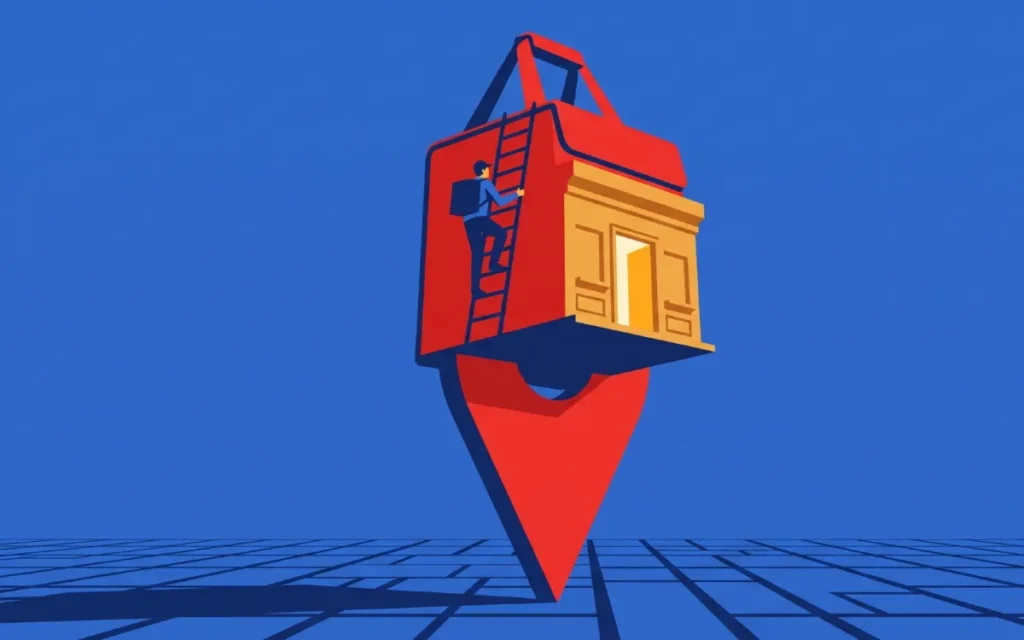
The Seamless Storefront: DoorDash and Shopify Unite to Redefine Local Commerce
In a landmark move for the retail sector, DoorDash has officially integrated its delivery infrastructure directly into the Shopify ecosystem. This strategic partnership transforms the way brick-and-mortar retailers in the United States manage on-demand fulfillment, effectively turning independent storefronts into high-speed logistics hubs without requiring a single line of custom code or manual spreadsheet uploads. By embedding itself as a native sales channel within the Shopify Admin panel, DoorDash is dismantling the technical barriers that have long prevented smaller merchants from competing in the same-day delivery arena.
The Mechanics of Frictionless Fulfillment
The simplicity of this integration is its most disruptive feature. Historically, the primary obstacle for a local boutique, sporting goods store, or specialty grocer looking to join a delivery marketplace was the "operational lift"—the grueling process of catalog mapping, inventory synchronization, and the management of fragmented dashboards.
With this new integration, that friction is effectively eliminated. Merchants can now activate DoorDash as a sales channel directly from the Shopify App Store, mirroring the process for adding any other e-commerce integration. Once activated, the merchant’s product catalog and real-time inventory levels are automatically pushed from Shopify to the DoorDash marketplace.
When a customer places an order, the process remains consistent with DoorDash’s established logistics model: a "Dasher"—the company’s network of independent contractors—is dispatched to the merchant’s physical location to collect the order. The item is then delivered to the customer, often in as little as one hour. Crucially, the retailer does not need to invest in new logistics infrastructure; their existing brick-and-mortar location functions as a fulfillment center, managed entirely through the familiar interface of their Shopify dashboard.
Chronology of a Commerce Evolution
The rollout of this integration represents a culmination of months of development and testing. While the formal announcement arrived on July 14, 2026, internal records indicate that the technical groundwork was laid much earlier.
- May 14, 2026: The official DoorDash application appeared in the Shopify App Store. This soft launch period allowed for initial testing and refinement of the API synchronization between the two platforms.
- June 2026: A period of intense expansion for DoorDash’s commerce media business. The company repositioned its advertising unit as a full-scale commerce media platform, introducing new placements like "Spotlight" and data-sharing partnerships with LiveRamp.
- July 2026: Google began routing Shopify purchase events directly into GA4, signaling a broader industry trend toward "low-friction" connectivity between e-commerce backends and third-party advertising or marketplace channels.
- July 14, 2026: DoorDash and Shopify jointly announce the integration, positioning it as a pivotal tool for local, independent retailers.
Supporting Data and Market Reach
The significance of this partnership lies in the sheer scale of the audience involved. DoorDash currently reports 42 million monthly active users (MAUs). For an independent retailer—such as a local gift shop—accessing this customer base has traditionally been impossible due to the prohibitive costs of individual marketing budgets.
DoorDash’s internal reporting provides a compelling case for this move. According to the company, 90% of merchants on their platform report that the marketplace helps them reach entirely new consumer segments, while 85% of consumers express that the platform makes it easier to support their local community.
While these figures are provided by DoorDash and have not been subject to independent audits, they align with the company’s broader retail strategy: to position itself not as a competitor to Amazon-scale logistics, but as the essential layer of infrastructure for local, physical-first commerce. The integration provides granular control, allowing merchants to curate which specific items appear on their DoorDash storefront, ensuring that inventory management remains precise even as the digital footprint of the store expands.
Official Responses: Aligning Speed and Convenience
The collaboration has been framed by leadership at both companies as a move toward "speed and convenience," a mantra that currently dominates the e-commerce sector.
Mike Goldblatt, Vice President of Enterprise Partnerships at DoorDash, emphasized the human element of the partnership. "If it’s in your area, it’s on DoorDash," Goldblatt stated. "That’s the promise driving today’s news. Local, independent retailers are the heart of local commerce, and they deserve tools that work as hard as they do."
From the Shopify side, the narrative focuses on the empowerment of the merchant. Atlee Clark, Vice President of Partnerships at Shopify, noted, "Merchants want to sell wherever their customers are, and increasingly that means meeting them with speed and convenience. This integration puts local retailers in front of millions of DoorDash shoppers and turns same-day demand into sales, all managed inside Shopify."
Implications: The Supply-Side Strategy
To understand the full scope of this integration, one must look beyond the delivery logistics and into the world of retail media. Over the past year, DoorDash has aggressively transformed from a food delivery service into a global commerce media platform. By partnering with entities like Criteo and CommerceIQ, DoorDash has enabled brands to purchase advertising space on its platform, leveraging the first-party data generated by its massive user base.
The Shopify integration is a brilliant "supply-side" maneuver. In the retail media game, the value of the platform is directly proportional to the number of merchants and transactions it facilitates. By making it easier for smaller retailers to join the platform, DoorDash is effectively expanding its "inventory" of products and merchants.
More merchants mean more transactions; more transactions generate more first-party purchase data; and more data makes DoorDash’s advertising products infinitely more valuable to brands. The Shopify integration, therefore, acts as a funnel: it lowers the cost of entry for local shops, thereby increasing the density of the marketplace, which in turn fuels the growth of the advertising business.
A Pattern of Platform Convergence
This move is consistent with a broader trend in the tech landscape. As noted in the recent activities of Reddit and Google, major platforms are increasingly building direct, server-to-server integrations with Shopify. The objective is clear: remove the need for developers, consultants, and manual data entry. Whether it is Reddit’s Dynamic Product Ads or Google’s direct GA4 purchase routing, the industry is moving toward a state where a merchant’s Shopify store acts as the "single source of truth," automatically broadcasting its capabilities to the rest of the web.
The Future of Local Retail
As DoorDash looks toward international expansion in the coming months, the success of this integration will serve as a template for other markets. For the US-based merchant, the benefits are immediate: visibility, access, and the ability to compete on speed. However, the true test will be how the platform handles the complexities of real-world retail at scale.
Will the automatic catalog sync hold up when a shop with thousands of SKUs adds the channel? Will the operational burden on store staff, tasked with fulfilling sudden digital orders alongside in-person foot traffic, remain sustainable?
For now, the integration stands as a significant milestone in the evolution of local commerce. By bridging the gap between the physical shop floor and the digital delivery app, DoorDash and Shopify have signaled that the future of retail is not necessarily in centralized warehouses, but in the millions of independent businesses already located in the neighborhoods where their customers live. For marketing professionals and industry analysts, this is a critical data point: the "on-demand" era is no longer just for restaurants; it is becoming the default state for every item on a store shelf.
