

The Science of Connection: Mastering Customer Insights and Analytics for Strategic Growth
In today’s hyper-competitive digital landscape, the difference between a brand that thrives and one that merely survives often comes down to one critical factor: the ability to "click" with the customer. While many businesses operate on gut instinct, industry leaders have shifted toward a more rigorous, scientific approach to growth. By leveraging customer insights and sophisticated analytics, companies can transition from guessing what their audience wants to knowing exactly how to deliver it.
This article explores the methodology behind modern customer intelligence, the tools that drive it, and how organizations can synthesize data to craft profit-driven strategies that keep customers returning for more.

What Are Customer Insights?
At its core, customer insights represent the synthesis of raw data into actionable knowledge. It is the process of interpreting behavior, demographic shifts, and feedback loops to understand not just what a customer is doing, but why they are doing it.
While data is the "what"—the clicks, the bounce rates, the purchase history—insights are the "why." They bridge the gap between cold, hard metrics and the human motivations driving them. By analyzing quantitative patterns (numerical data) alongside qualitative feedback (opinions and sentiment), businesses can build a 360-degree view of the customer journey, allowing them to anticipate needs before they are explicitly stated.
The Intersection of Insights and Analytics
While often used interchangeably, there is a technical distinction between "customer insights" and "customer analytics."
- Customer Analytics is the engine. It involves the implementation of technology, the configuration of tracking tools, and the statistical modeling required to process data. It is the tactical, "how-to" layer of your operation.
- Customer Insights is the output. It is the strategic realization gained from those analytics.
Think of analytics as the telescope and insights as the star map. You need the technology to collect the data, but without the strategic interpretation of that data, you are merely looking at numbers without context.
The Strategic Purpose of Customer Insights
The primary objective of gathering insights is to maintain alignment with an evolving marketplace. Consumer behavior is fluid; a strategy that worked six months ago may be obsolete today. By anchoring decisions in data, businesses can answer high-stakes questions:
- Why are potential customers abandoning their carts at the final stage?
- Which marketing channels offer the highest lifetime value (LTV) rather than just the cheapest clicks?
- What specific product features are driving brand loyalty vs. churn?
By answering these questions, businesses transform from reactive organizations into proactive powerhouses.
Methodology: A Multi-Faceted Approach to Data Collection
To build a robust intelligence framework, businesses must look beyond a single data source. A comprehensive strategy requires a mix of market research, behavioral website data, social listening, and direct customer feedback.
1. Market Research: Understanding the Ecosystem
Market research is the foundation of product-market fit. Whether you are a startup validating an idea or an established enterprise launching a new vertical, research defines the boundaries of your opportunity.
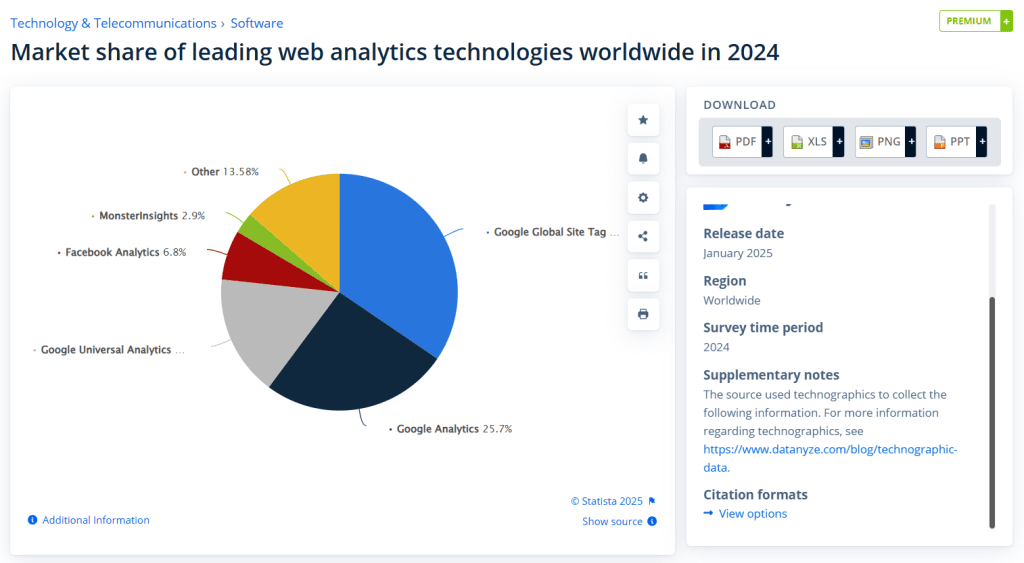
- Statista: An indispensable tool for data aggregation. It presents complex market trends in visual, digestible formats, allowing teams to grasp industry-wide shifts without deep-diving into raw datasets.
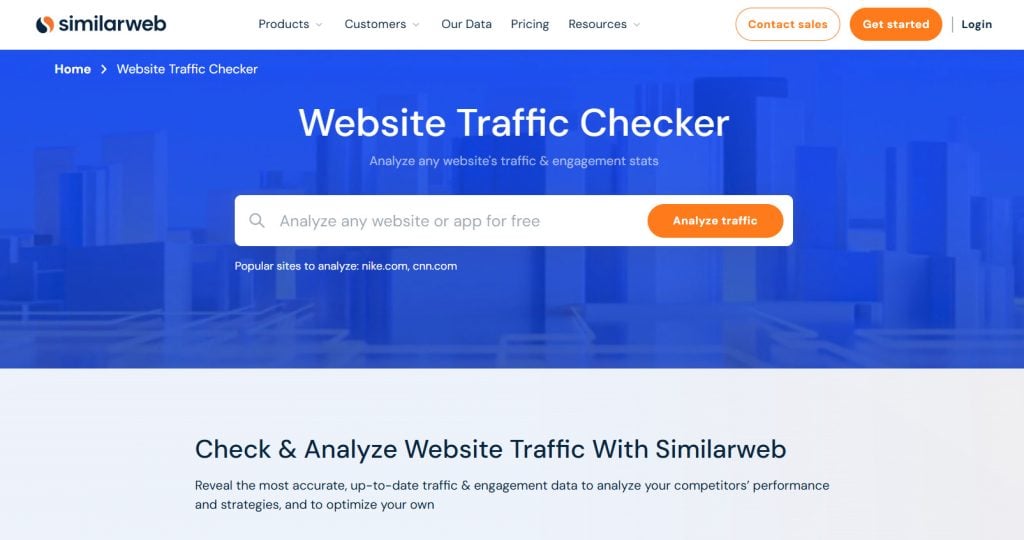
- Similarweb: This platform is the gold standard for competitive benchmarking. It allows businesses to peel back the curtain on competitors, identifying where their traffic originates and how they structure their digital presence.
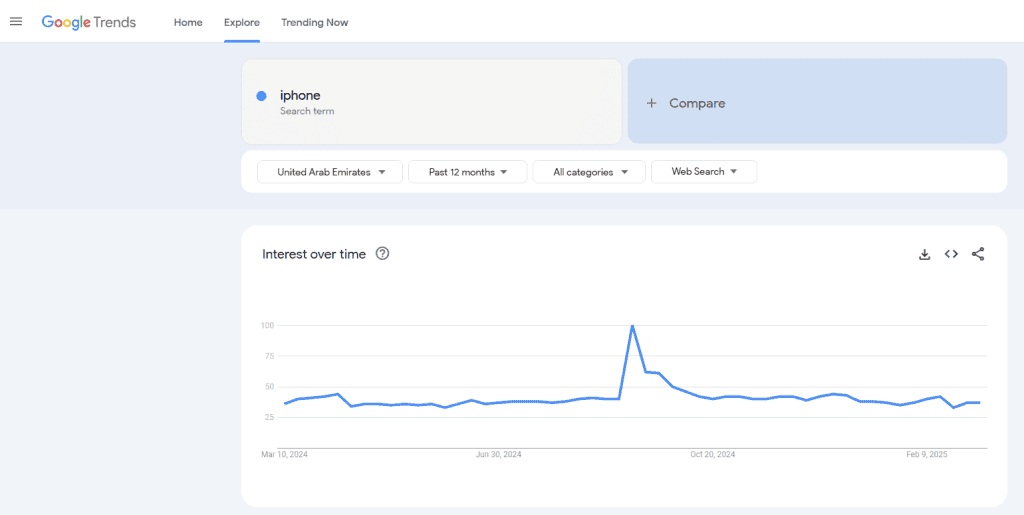
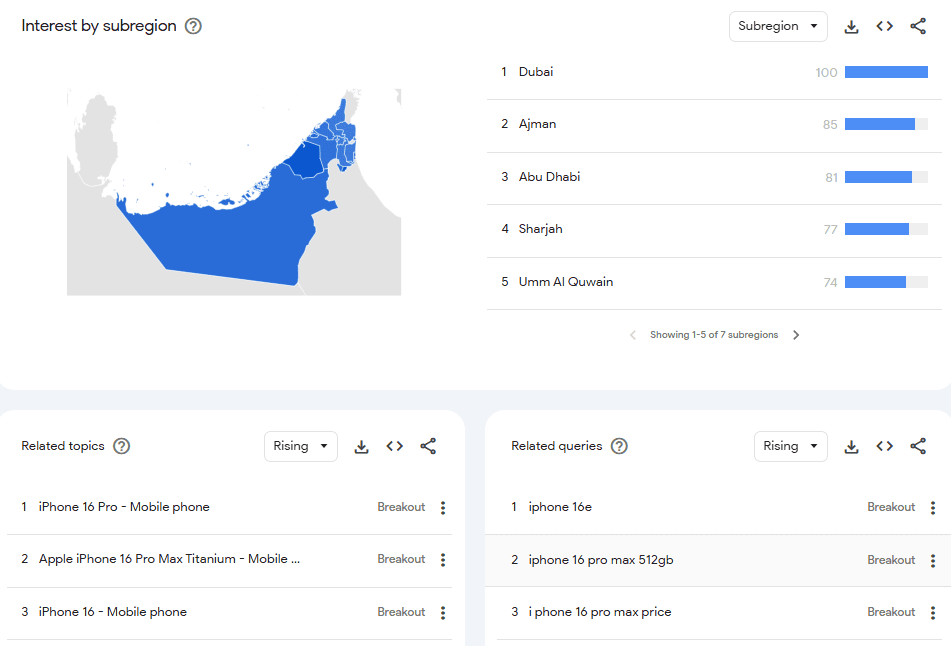
- Google Trends: A powerful, free utility for tracking real-time audience interest. It is particularly effective for identifying seasonality and emerging search behaviors, helping brands time their campaigns to match peak demand.
2. Website Data: The Digital Storefront
If your website is your primary sales channel, it is your most honest employee. It tells you exactly where users struggle and where they find value.
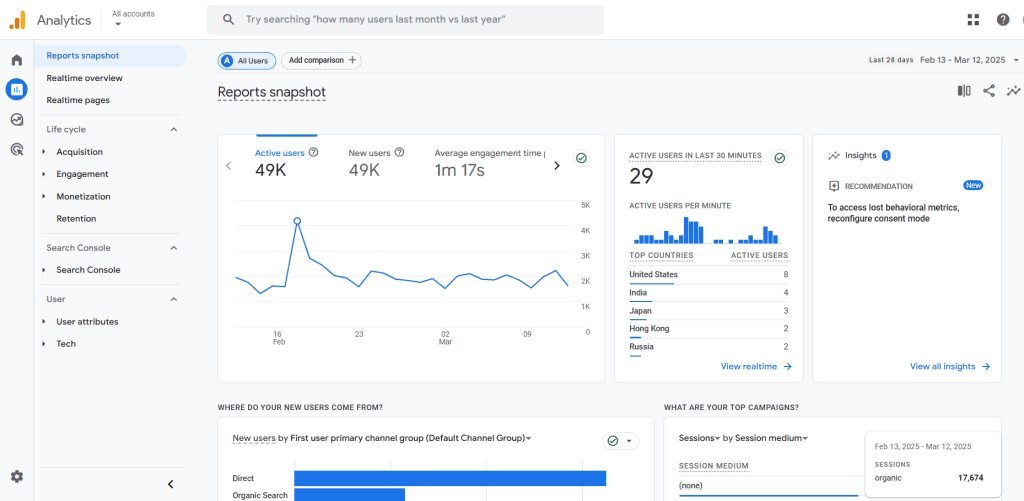
- Google Analytics (GA4): The industry standard for web analytics. GA4 provides granular insights into user behavior, such as session duration, event-triggered conversions, and traffic source attribution. It is the "source of truth" for digital performance.
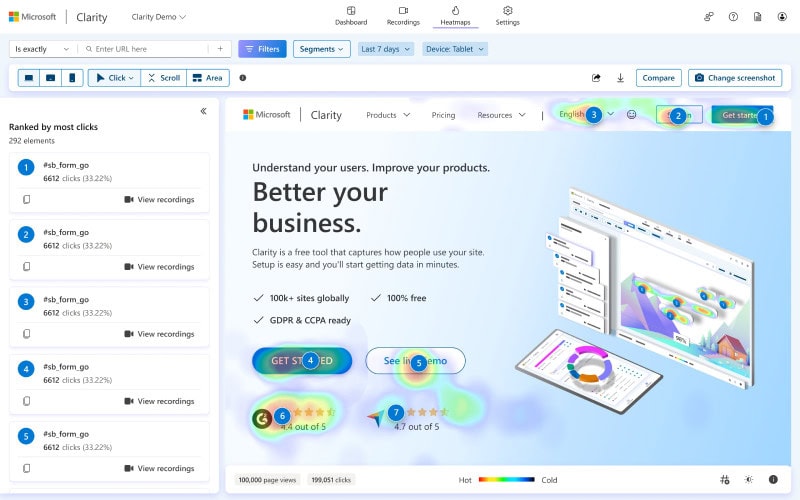
- Microsoft Clarity: While GA4 provides the what, Microsoft Clarity provides the how. As a behavioral analysis tool, it uses AI-powered heatmaps and session recordings to show you exactly where users click, scroll, and get frustrated. Unlike traditional analytics, Clarity is free and offers visual proof of user friction points, making it a "must-have" for conversion rate optimization.
3. Social Media and Community Listening
Social platforms are where your customers live, breathe, and vent. They are massive, unfiltered focus groups.
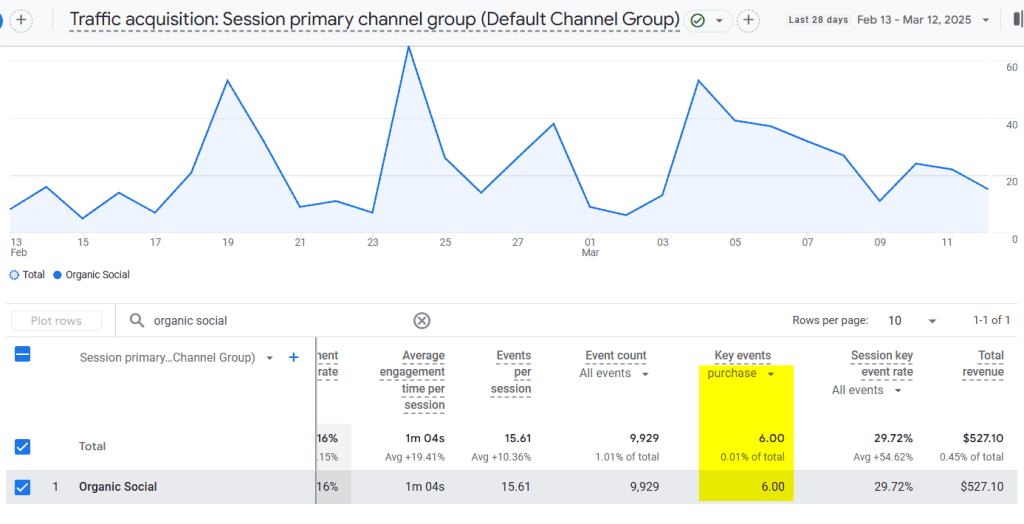
- Centralized Tracking: Using GA4 to monitor social media traffic is essential. It moves beyond "vanity metrics" (likes and shares) to reveal how social interactions contribute to actual revenue. By creating "Key Events" in GA4—such as newsletter signups or product views—brands can map the customer journey from social media to purchase.
- Social Listening: Tools like Mention and Sprout Social automate the tracking of brand mentions. By monitoring conversations, businesses can identify sentiment shifts before they spiral, or discover niche pain points that can be turned into new product features.
4. Direct Customer Feedback: The Human Element
Sometimes, the best way to get an answer is to simply ask.
- Feedback Widgets: Tools like Appzi allow for real-time interaction. By embedding unobtrusive widgets on specific pages, you can catch a user at the exact moment they experience a hurdle.
- Focus Groups: Despite the digital age, the focus group remains undefeated for qualitative depth. A group of 5 to 10 participants can reveal emotional nuances—such as frustration with a specific brand identity or confusion over a product name—that no heatmap will ever show.
- Surveys and Polls: Whether using SurveyMonkey for complex research or DirectPoll for quick, real-time engagement, structured questioning remains the most efficient way to quantify customer sentiment.
Implications for Future Strategy
The implications of a data-driven approach are profound. Businesses that master these techniques enjoy a competitive "moat"—a depth of understanding that makes them difficult to disrupt.
Chronology of Implementation:
- Foundation: Start by installing robust tracking (GA4 and Microsoft Clarity).
- Assessment: Use market research tools (Statista/Similarweb) to benchmark against competitors.
- Engagement: Launch feedback loops (widgets/surveys) to capture the voice of the customer.
- Synthesis: Use AI tools (ChatGPT/Sprout Social) to analyze qualitative data, such as customer reviews, to find common themes.
- Iteration: Apply these findings to your User Experience (UX) and marketing funnel.
Conclusion
Customer insights are not a luxury; they are a necessity for sustainable, profit-driven growth. By moving away from anecdotal evidence and toward a model of continuous data collection and interpretation, businesses can craft experiences that resonate deeply with their target audience.
There is no single "magic bullet" in data collection. The most successful organizations are those that weave together multiple streams of information—quantitative analytics, qualitative feedback, and market intelligence—to create a unified, living picture of their customers.
As you refine your strategy, remember: the goal is not just to collect data, but to turn that data into empathy. When a brand truly understands its customer, the "click" becomes inevitable, and the relationship becomes a long-term partnership.

How are you currently leveraging data to refine your customer experience? Are you utilizing AI for sentiment analysis, or are you still relying on manual review audits? Share your thoughts and experiences in the comments below, as we continue to explore the evolving intersection of data, technology, and human behavior.
