
The Reality Check: Assessing the Reliability of AI in Modern Design Workflows
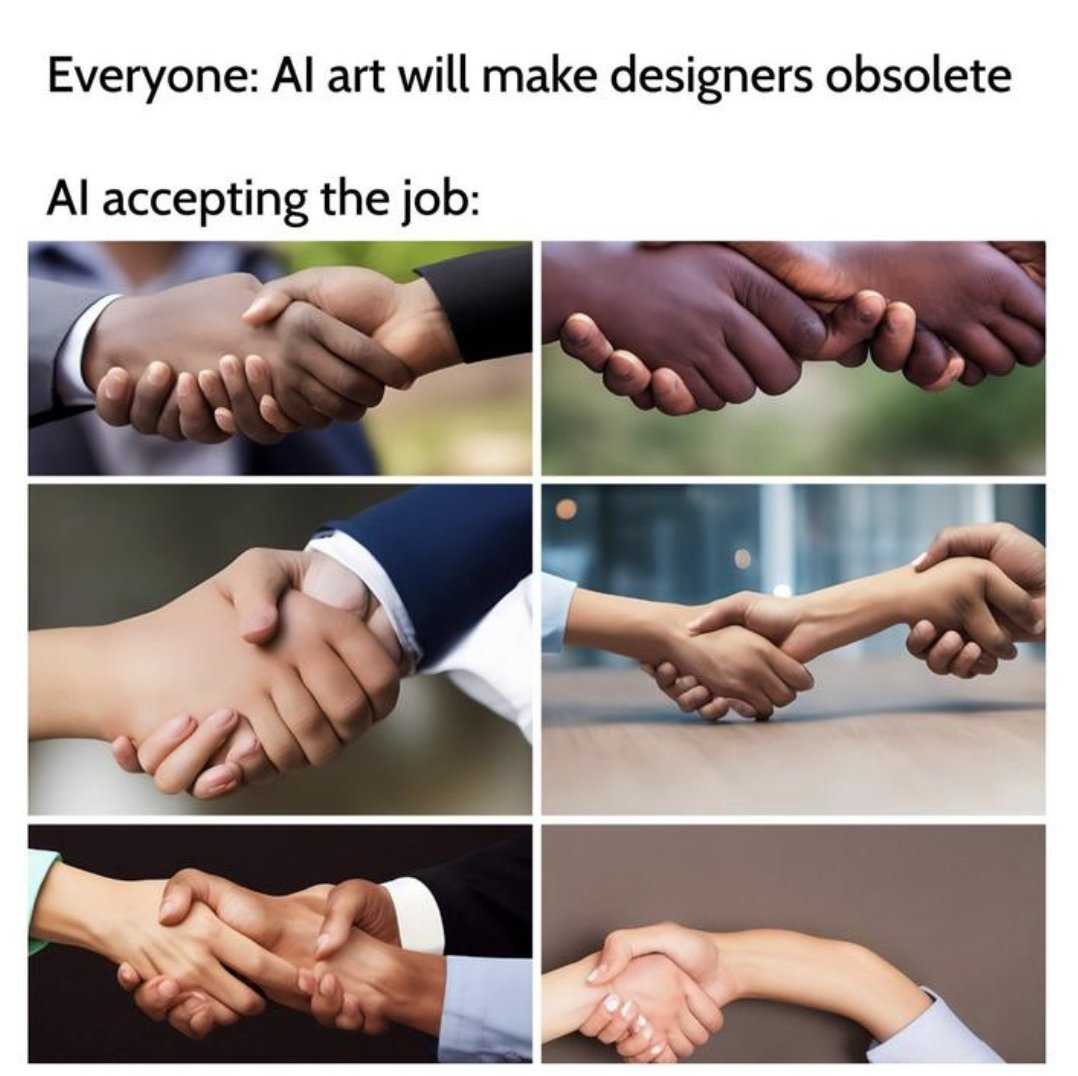
Remember the early days of generative AI? For a long time, the most reliable "tell" for an AI-generated image was a quick glance at the hands—specifically, counting the fingers. If there were six, or if the digits melted into a digital blur, you knew you were looking at a synthetic creation.
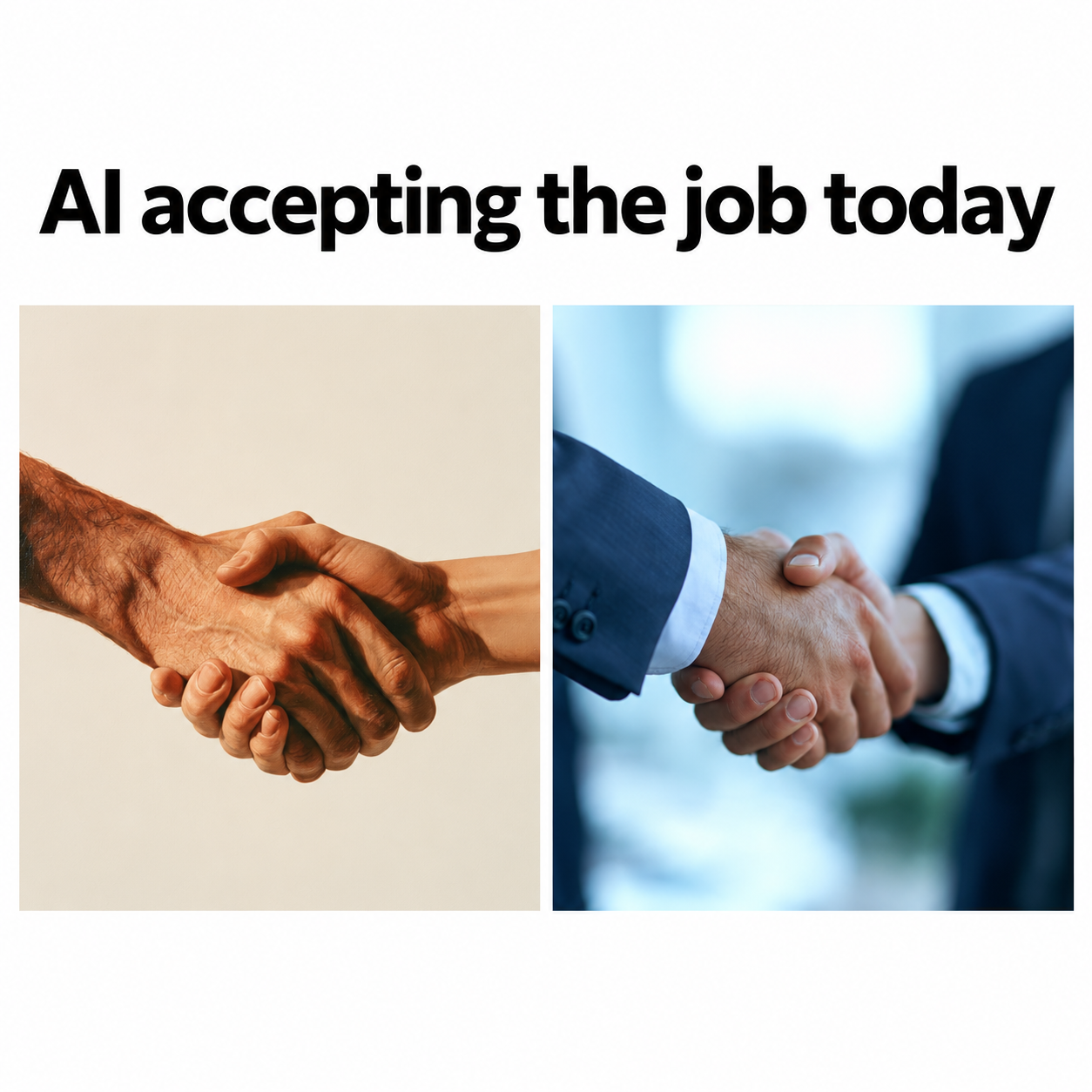
While those "nightmare hands" have largely vanished, replaced by increasingly photorealistic renders, a new question has emerged: Are these tools actually ready for prime time?
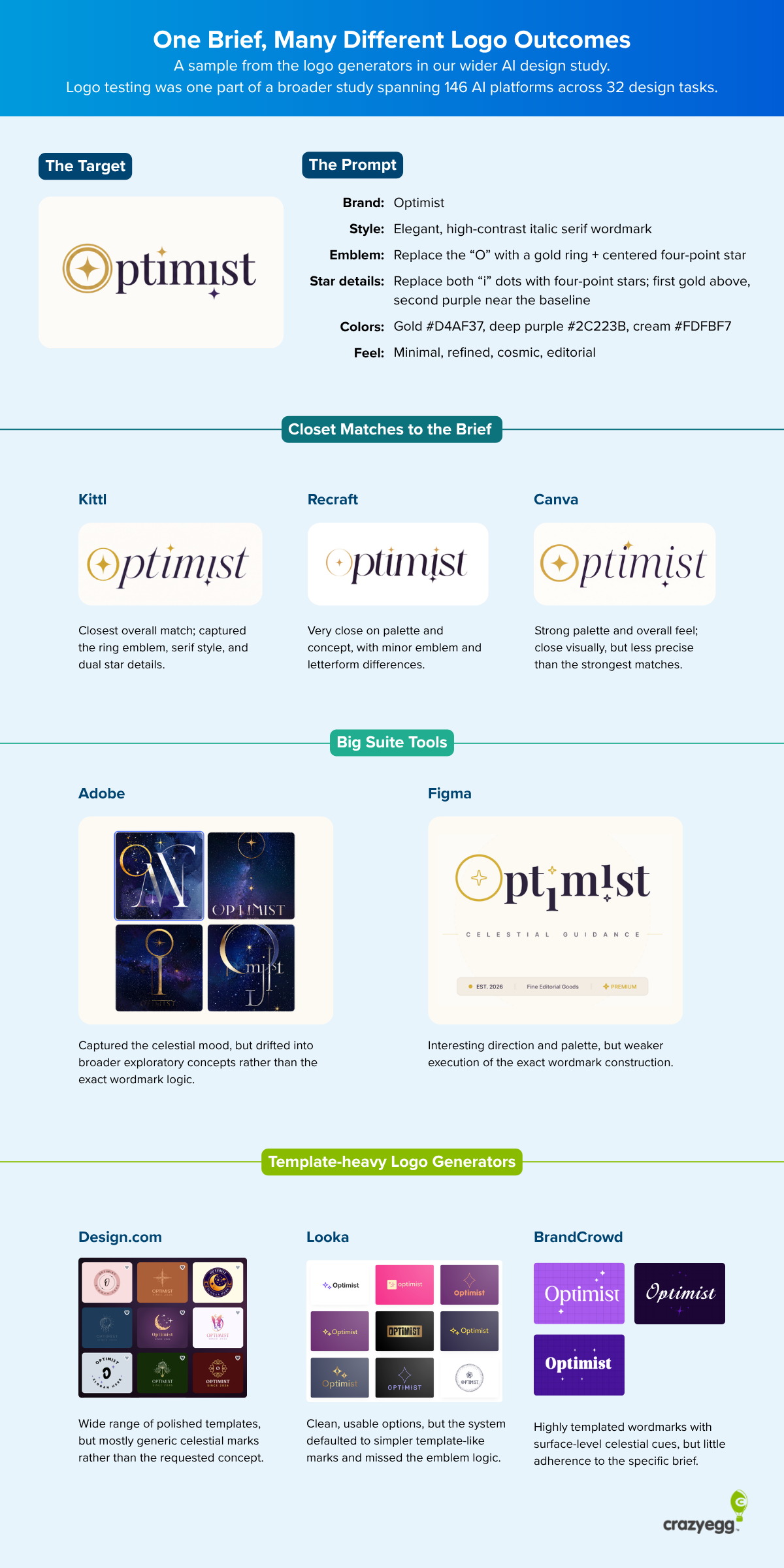
We conducted a comprehensive analysis of 146 AI design platforms across 32 common graphic and web design tasks. Our goal was to move past the "wow" factor of viral demos and determine which platforms hold up under the scrutiny of real-world production. The findings suggest that while AI has achieved impressive creative capability, it is often lacking the reliability required for professional-grade consistency.
The Evolution of AI Design: From Novelty to Necessity
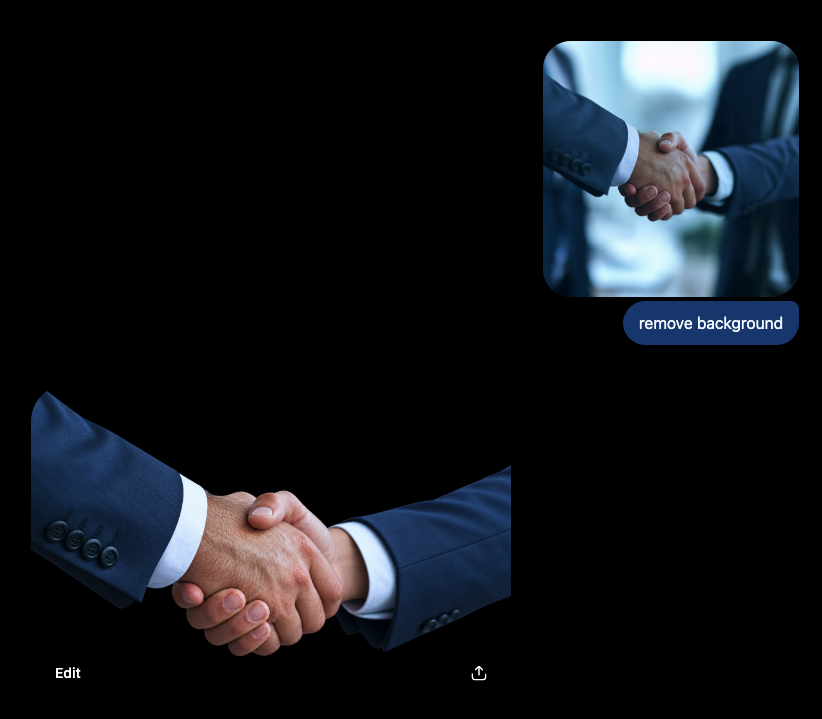
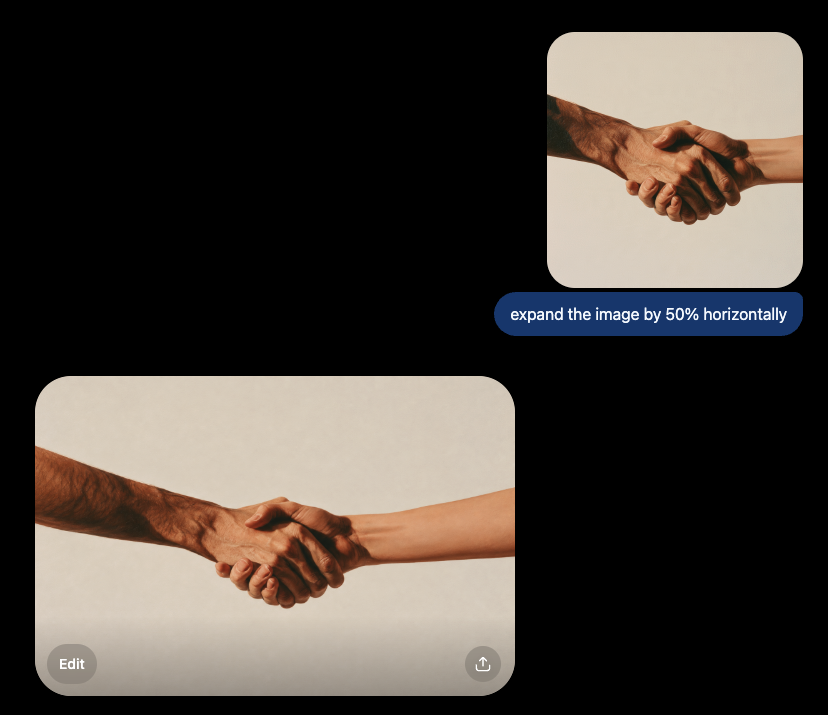
The shift from experimental curiosities to professional tools has been rapid. In the span of just a few years, AI has moved from generating distorted handshakes to producing high-fidelity logos, websites, marketing collateral, and full brand systems.
However, our testing reveals that "polished" output can often mask foundational failures. As design tasks become more complex—requiring strict adherence to brand guidelines, exact typography, or pixel-perfect control—human oversight remains the most critical component of the workflow.
Chronology: The Testing Methodology
Rather than relying on marketing demos or high-level capability claims, we put these 146 platforms through a rigorous, hands-on production stress test.
The Testing Framework
- Standardized Briefs: We utilized Claude to draft consistent, detailed design briefs for each task. All brands mentioned in the testing scenarios were fictional to ensure no pre-existing bias.
- Task Matching: Platforms were evaluated only on tasks they explicitly supported.
- Strict Criteria: Every output was graded against five core criteria, with each category carrying equal weight for a total score of 100:
- Adherence to Brief: Did it follow specific copy, color, and layout instructions?
- Technical Accuracy: Were files correctly sized and formatted?
- Typography: Were letterforms coherent and readable?
- Visual Hierarchy: Did the layout guide the eye effectively?
- Consistency: Could the model produce similar results across multiple attempts?
Critical Fail Conditions
To mirror a professional environment, we established "critical-fail" conditions. An output was immediately disqualified if it contained garbled required text, misspelled brand names, ignored color palettes, or missed non-negotiable elements. This approach allowed us to distinguish between tools that were "creatively talented" and those that were "operationally dependable."
Supporting Data: Capability vs. Reliability
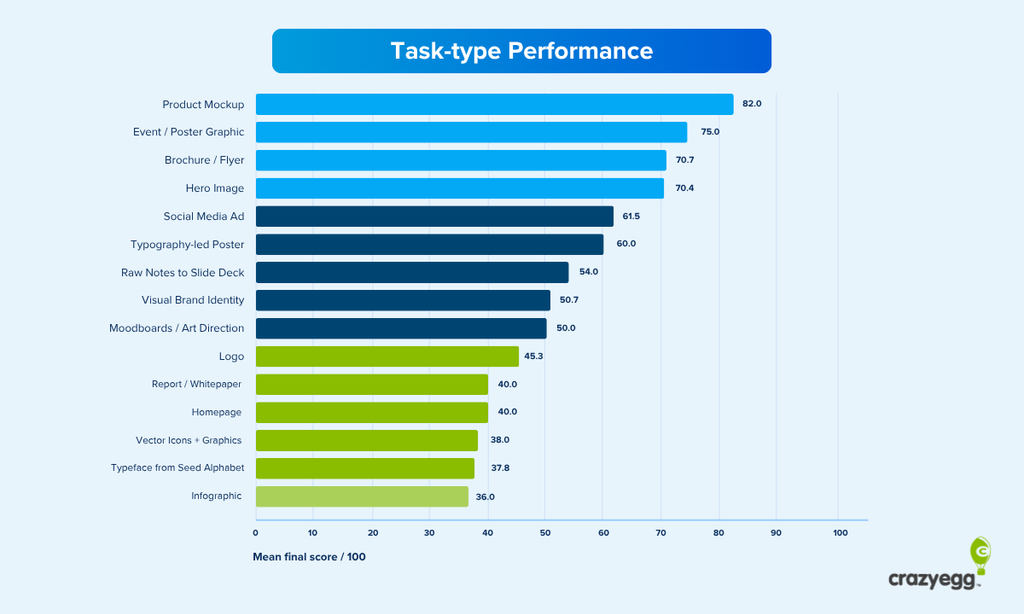
The most striking pattern identified in our study is that AI is most reliable when the creative decisions have already been made.
Where AI Excels: Bounded Tasks
AI shines when it acts as an assistant for "grunt work." Tasks like background removal, object cleanup, image expansion, and resizing are remarkably consistent. In these scenarios, the subject, visual direction, and intended result are already established. Because the AI has fewer creative variables to manage, it is significantly less likely to "wander off-brief."
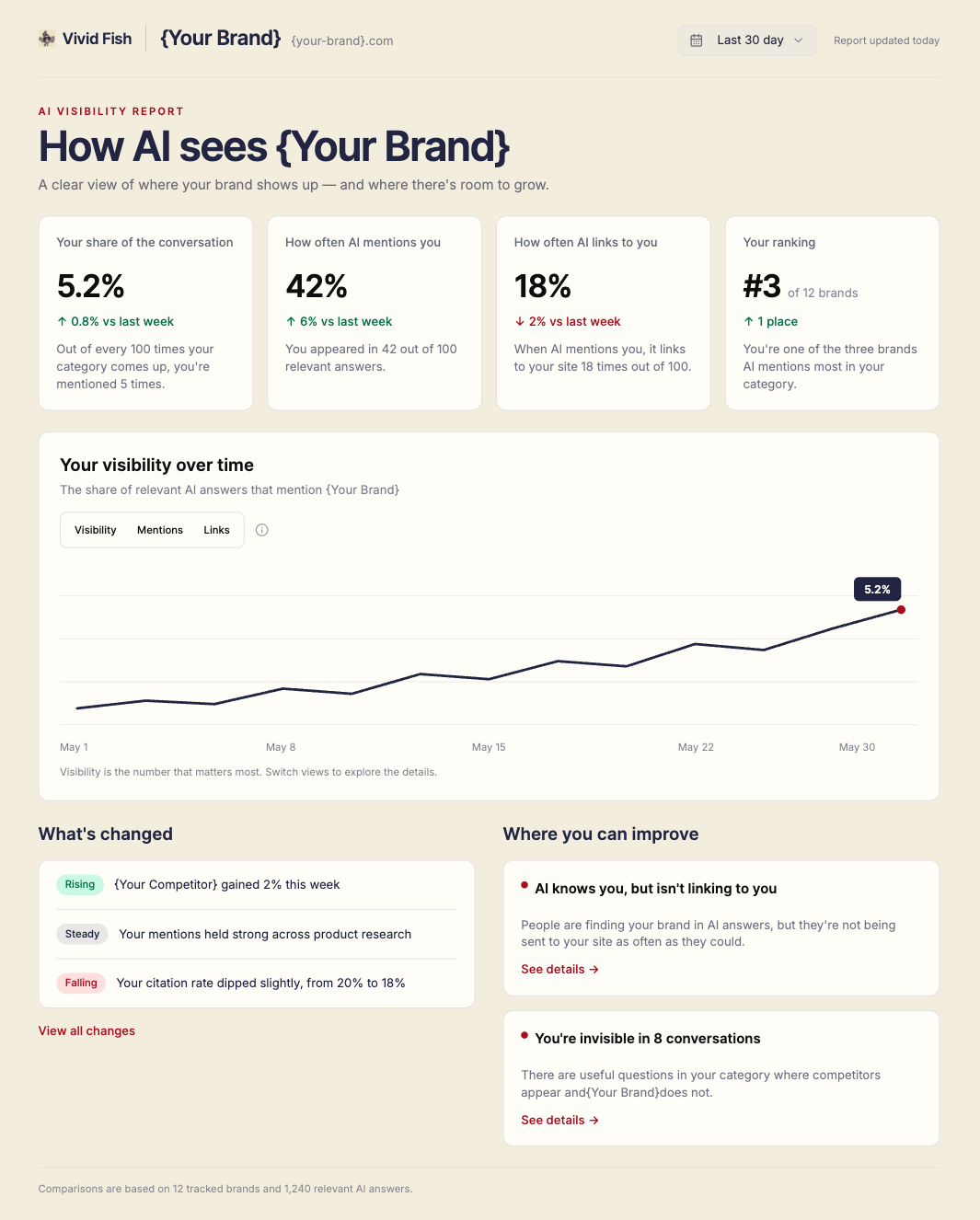
For instance, in our testing of UI design, pricing pages and dashboards produced zero critical failures. These tasks rely on established frameworks—cards, tables, and navigation menus—that give the AI a clear, repeatable pattern to follow.
Where AI Struggles: Creative Open-Endedness
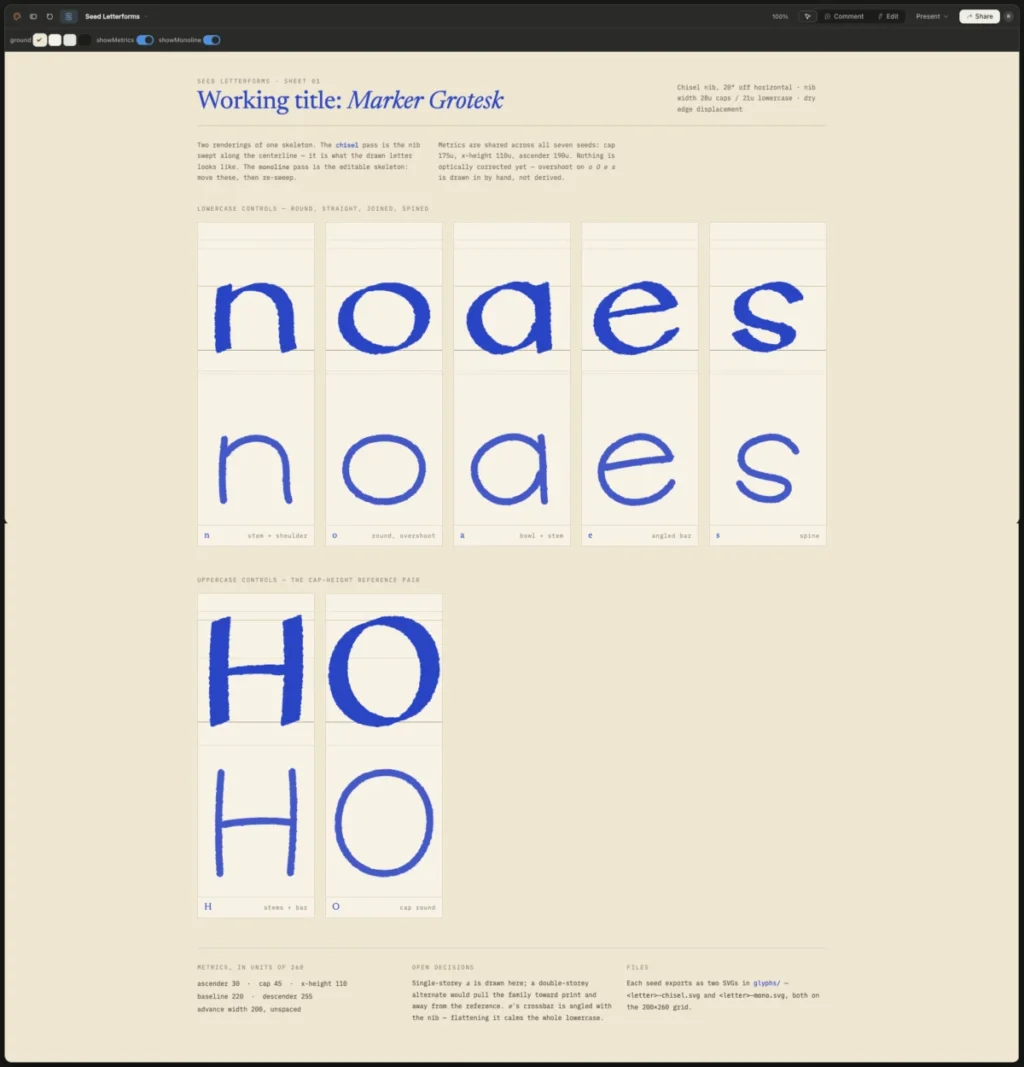
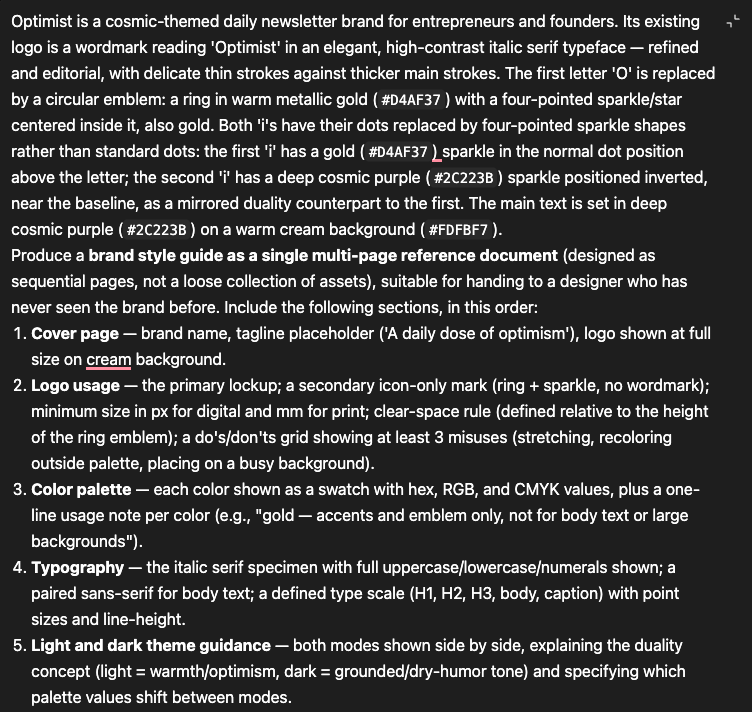
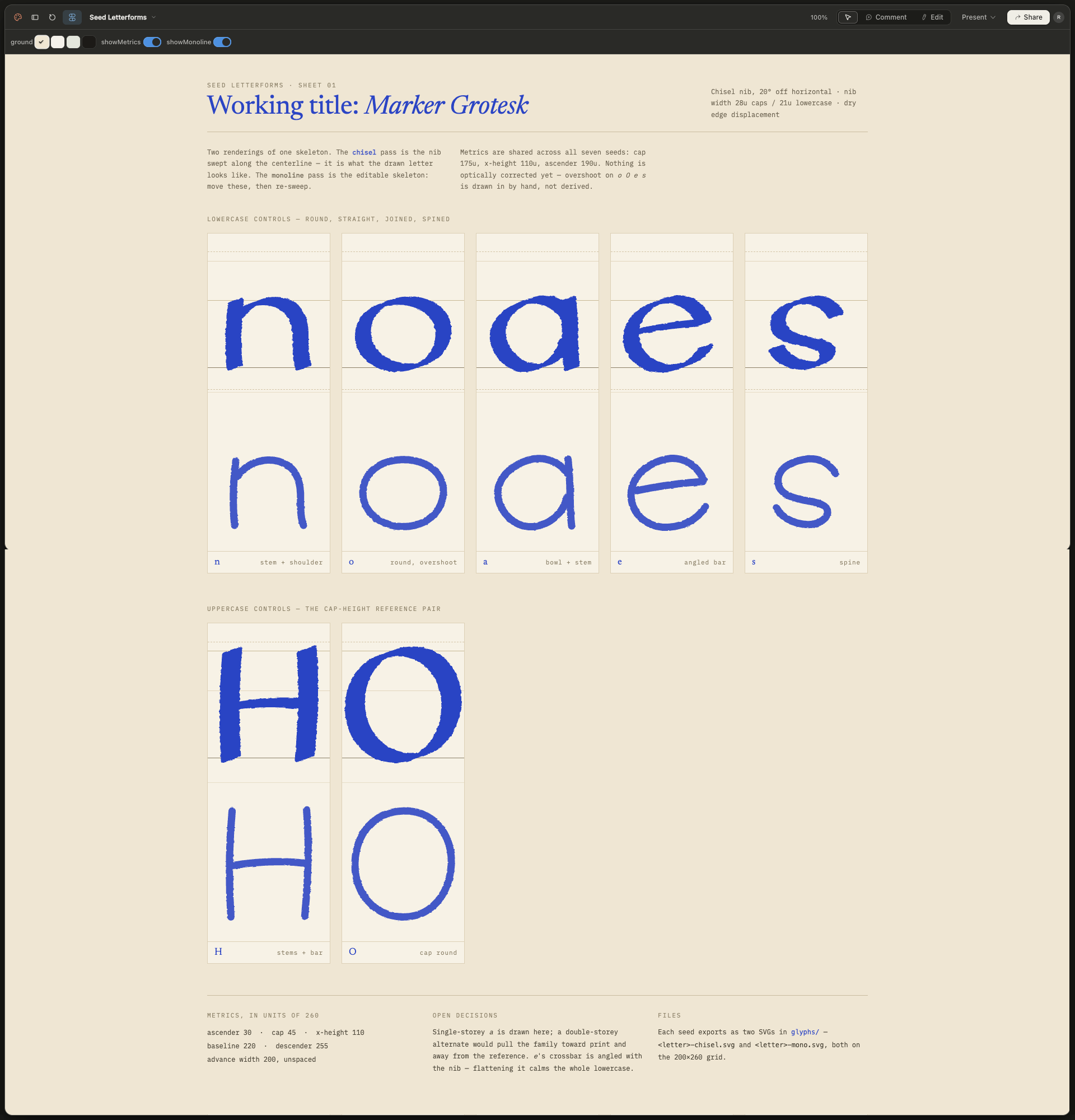
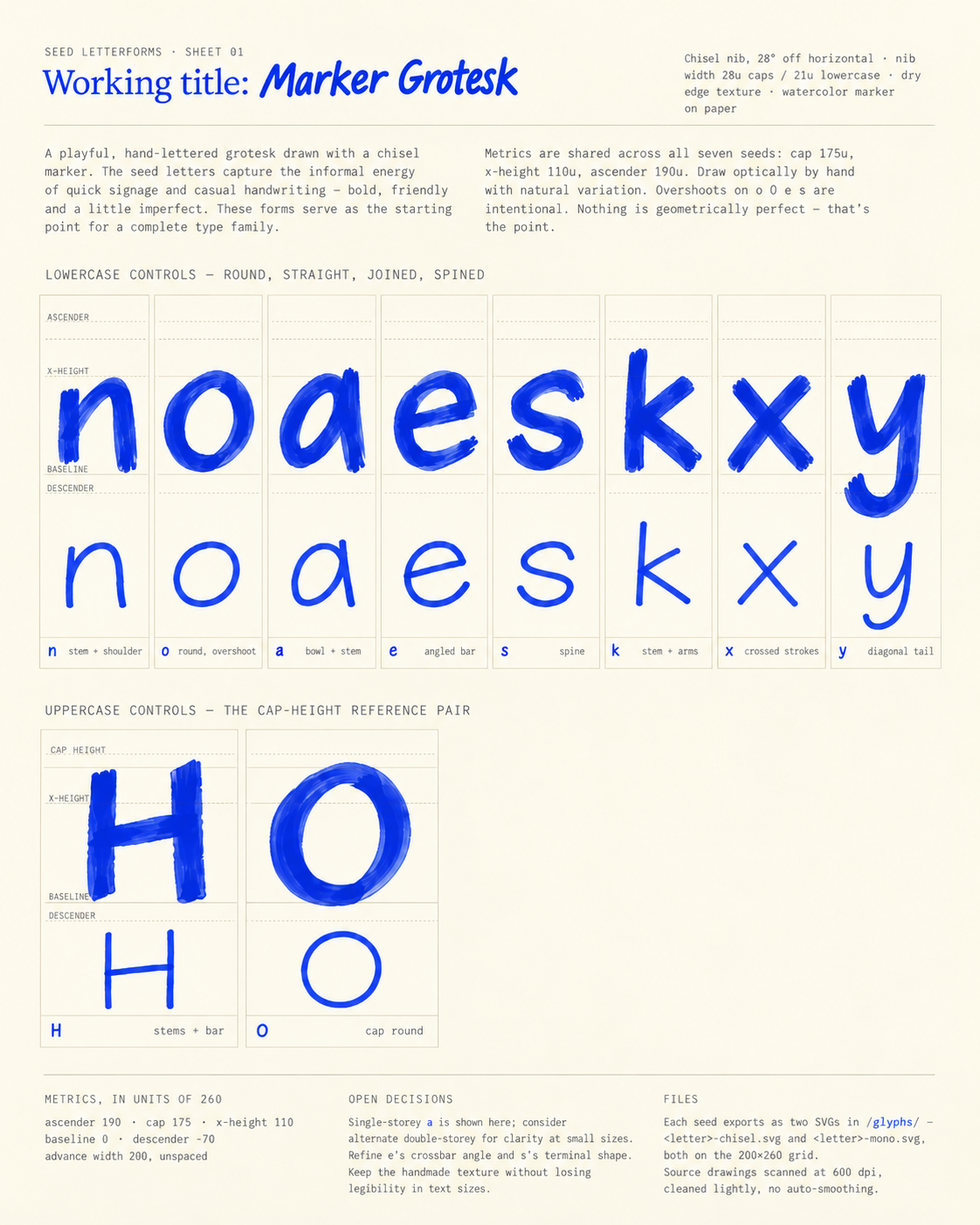
Conversely, designing an original logo remains a major hurdle. A logo requires artistic intuition—judging proportions, visual balance, and the subtle relationship between elements. When we asked AI to extend seed letterforms into a full typeface, the results were highly inconsistent.
While one model (ChatGPT) successfully understood the visual language of our "Marker Grotesk" seed forms to create a functional font, others failed spectacularly. Some tools produced "broken" glyphs, while others simply forgot to generate entire letters (like ‘i’, ‘k’, and ‘x’), despite the final output looking "finished" at a glance.
The Danger of "Polished" Errors
Perhaps the most concerning finding is that the most dangerous AI errors are not the obvious ones. A broken hand is easy to spot, but a subtle typo in a CTA (Call to Action) or an incorrect brand color value can slip through a quality assurance (QA) process unnoticed because the surrounding design looks professional and clean.
In one instance, an AI tool generated a beautiful wedding invitation with a high-end wax seal, but it replaced the phrase "Book your consultation" with the nonsensical "Cook your consultation." Because the font and layout were so polished, the error felt like an intentional, albeit bizarre, creative choice rather than a machine hallucination.
This reinforces the necessity of a rigorous human-led QA pass for every asset generated by AI.
Official Responses and Industry Perspectives
The divide in the industry is increasingly marked by the user’s role. We observed a clear divergence between "Figma people" and "Canva people."
- The Designer’s Perspective: Professional designers often express frustration with AI tools that offer limited, "black-box" control. For these users, an AI tool is only as good as its ability to be edited, exported as vector paths, and integrated into a broader design system.
- The Marketer’s Perspective: Marketers tend to prioritize speed and volume. A tool that produces "good enough" social ads in seconds—even if it lacks the granular control a designer demands—is viewed as a massive success.
The industry consensus is shifting toward the idea that the "best" AI tool is not the one with the most powerful engine, but the one that best integrates into the specific software environment the user already knows.
Implications for the Future of Design
As we look toward the future, the value of AI in design will be won on the battlefield of workflow integration, not novelty.
1. The Death of the "One-Click" Myth
The idea that AI will replace the designer with a single prompt is largely dead. The strongest results in our study came from a hybrid approach: humans providing the constraints, and AI executing the repetitive aspects of the build.
2. Consistency as a Competitive Advantage
Platforms that can reliably produce an 8/10 result every single time are far more valuable to production teams than platforms that occasionally hit 10/10 but frequently produce failures. Reliability is the new gold standard.
3. The Need for "Human-in-the-Loop"
As AI tools become more adept at creating "polished" designs, the risk of "automated complacency" grows. The more convincing the output, the harder it becomes to spot errors. Organizations must invest in stronger verification processes to ensure that AI-generated assets meet brand and legal standards.
Conclusion
We are well past the point of asking if AI can design. It clearly can. The current, more vital question is whether we can trust it.
Our 146-platform test highlights that the next generation of successful design tools will be those that respect the boundaries of the design process. They must be able to handle complex tasks—not by guessing what the designer wants, but by adhering to explicit constraints, maintaining consistency across dozens of iterations, and allowing for easy, granular intervention.
For the creative industry, the message is clear: AI is not a replacement for judgment. It is an amplifier for it. Those who succeed will be the ones who treat AI not as an autonomous creator, but as a high-speed, high-potential member of a larger, human-led production team. The future belongs to those who can effectively manage the machine, catching the "Cook your consultation" typos before they reach the public, and harnessing the raw generative power of AI to create, scale, and iterate with unprecedented speed.
