
The Pleasure of the Struggle: How "Frust-Lust" is Redefining Brand Engagement
In an era defined by the pursuit of the "frictionless" customer experience, a counter-intuitive trend is emerging. Brands are no longer just solving problems; they are purposefully introducing them. This psychological phenomenon, which experts are beginning to term "Frust-Lust," suggests that modern consumers—long accustomed to the ease of one-click shopping and instant delivery—are finding profound emotional satisfaction in products, services, and experiences that are intentionally difficult to attain.
From the curated scarcity of luxury fashion drops to the masochistic appeal of reality television, "Frust-Lust" represents a pivot from passive consumption to active, ritualized struggle. By gamifying frustration, brands are transforming the mundane into the memorable, creating a "benign masochism" that keeps consumers engaged long after the transaction is complete.
The Anatomy of Benign Masochism: Why We Crave the Impossible
At its core, "Frust-Lust" relies on a psychological concept known as benign masochism. First defined in academic circles as the enjoyment of negative experiences—such as the thrill of a horror movie or the physical sting of a spicy chili pepper—this sensation is only pleasurable when the participant understands they are fundamentally safe.
In the retail landscape, this safety net is provided by the knowledge that the "struggle" is voluntary. Whether it is waking up at 5:00 AM for a sneaker drop or entering a queue for a luxury handbag, the consumer is choosing to engage with an obstacle. The frustration is not a failure of service; it is the service itself.
Chronology of the Friction Shift
- The Era of Convenience (2010–2018): Brands focused on removing every possible barrier. Amazon Prime and seamless mobile checkouts became the industry gold standard.
- The Rise of Exclusivity (2019–2022): The success of streetwear drops (Supreme, Nike SNKRS) proved that artificial scarcity could drive more demand than availability.
- The Institutionalization of Frustration (2023–Present): Brands like Rhode and Uncommon Creative Studio have moved beyond mere scarcity, building entire brand identities around the "hunt."
Case Studies: When the "Sold Out" Banner Becomes a Badge of Honor
The effectiveness of this strategy is best illustrated by recent market phenomena where the lack of product is, paradoxically, the primary value proposition.
1. The Birkin Claw Machine
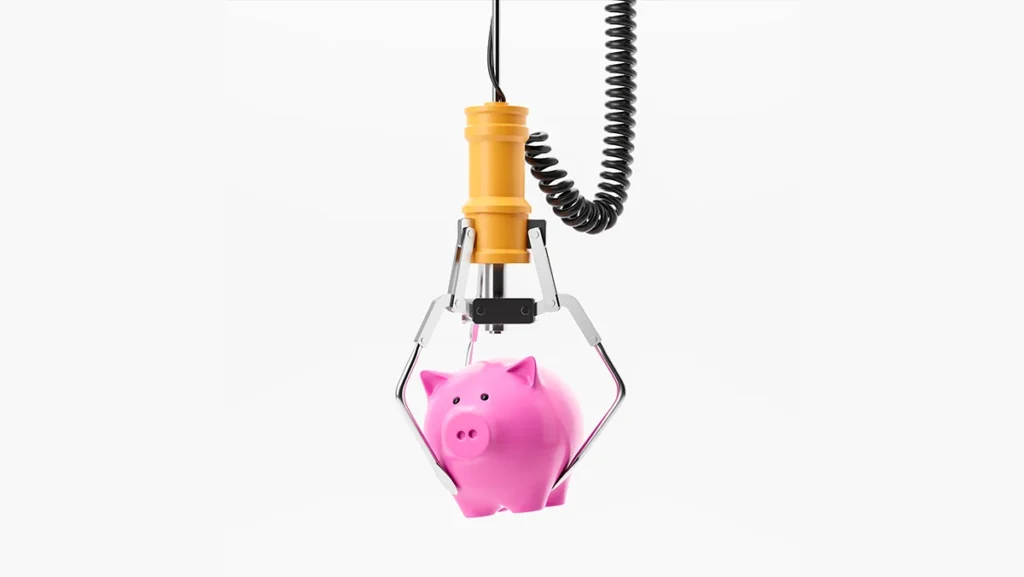
In September 2025, Uncommon Creative Studio installed a claw machine on West Broadway in New York City containing a $10,000 Hermès Birkin bag. The game was rigged; the claw was intentionally too weak to lift the weight of the bag. Despite this, hundreds of individuals lined up for hours. The frustration of losing was not the end of the experience—it was the moment the experience began. Participants shared their losses on social media, turning a failed attempt at luxury into a shared narrative of "I was there."
2. Rhode and the Aesthetic of the Waitlist
Hailey Bieber’s skincare brand, Rhode, turned the "Sold Out" banner into a marketing tool. By limiting stock, they created a high-stakes environment where the Peptide Glazing Fluid became a status symbol not because of its utility, but because of the labor required to acquire it. Data shows that waitlists for the product reached upwards of 100,000 people, with units moving at a rate of 36 per second during restocks. For the consumer, the "win" is not just the moisturizer; it is the culmination of a weeks-long journey of digital vigilance.
3. Puma’s 5AM High Drops
Puma’s "5AM High Drops" activation invited runners to reach specific urban summits at sunrise for a chance to win free footwear. By layering physical discomfort (early hours, cold weather) with the possibility of failure (limited supply), Puma converted a standard product launch into a "rite of passage." Participants were not just buying shoes; they were buying a story about their own grit and commitment.
Supporting Data: The Value of the "Near-Miss"
Market research suggests that consumer satisfaction is not always linear. While convenience reduces churn, it also reduces emotional investment. A recent study on consumer behavior indicates that users who endure a "high-effort" path to purchase often report a higher Net Promoter Score (NPS) than those who experience a "frictionless" transaction.
The psychological logic is simple: we value what we earn. When a brand allows a consumer to "earn" a product through a series of obstacles, the product inherits the consumer’s effort, becoming imbued with personal meaning. This is the difference between a mass-produced commodity and a "trophy" product.
Beyond Luxury: Exporting "Frust-Lust" to Unsexy Categories
The true frontier for this strategy lies not in luxury, but in the categories we consider "aggressively unsexy." Supermarkets, home care, and sustainability-focused brands have the most to gain by introducing curated tension.
The Supermarket as a Treasure Hunt
Retailers are currently struggling with the "static" nature of grocery shopping. By introducing "phantom" products—limited-run items that appear for only one hour a week or are hidden in specific, unadvertised aisles—supermarkets could transform a chore into a scavenger hunt. This "micro-frustration" breaks the monotony of the shopping experience, turning the grocery run into a weekly ritual that requires active participation.
Reframing Domestic Labor in Home Care
Home care brands have historically sold the promise of "no effort." However, this has led to a commoditization where all cleaners are viewed as equal. A bold pivot would be to embrace the reality of the mess. By sponsoring "impossible stain" challenges where users share their actual, frustrating domestic struggles, brands move from being a "magic wand" to a "partner in the fight." The frustration is acknowledged, validated, and eventually solved, creating a deeper, more human connection with the consumer.
Gamifying Sustainability
Organic and eco-friendly labels often suffer from a "homework" aesthetic. They feel like a moral obligation rather than a lifestyle choice. By introducing a "climate quest" where consumers track their streaks of choosing more expensive or inconvenient sustainable options, brands can turn altruism into a game. The frustration of paying more or going out of one’s way is transformed into a "level" in a community-wide challenge, complete with leaderboards and social validation.
Official Responses and Industry Implications
Industry analysts are divided on the sustainability of this trend. Critics argue that "Frust-Lust" risks alienating the general consumer who simply wants to get their errands done.
"We are seeing a clear bifurcation in the market," says Dr. Aris Thorne, a consumer psychologist. "There is a segment of the population that finds joy in the ‘grind’ of shopping, but brands must be careful. If the frustration feels manipulative or insurmountable, the ‘benign’ nature of the masochism disappears, and it becomes a genuine, toxic frustration that leads to brand abandonment."
Conversely, marketing agencies view this as the next evolution of User Experience (UX) design. "We have spent twenty years obsessing over ‘frictionless’ journeys," says a lead strategist at a top-tier creative firm. "But we forgot that life isn’t frictionless. By re-inserting friction, we are actually making the brand experience more human. We aren’t taking away the exit button; we are just making the process of staying in the game more rewarding."
Conclusion: The New Emotional Operating System
"Frust-Lust" is not merely a marketing tactic; it is an emotional operating system for the modern age. It acknowledges that in a world of infinite, instant access, the most valuable commodity is the feeling of having achieved something against the odds.
As brands look toward the future, the goal should not be to make everything smooth. Instead, the most successful companies will be those that identify exactly where a bit of "chosen frustration" makes the experience more meaningful, more communal, and more alive. In the end, the brands that learn to script the struggle—turning the ordinary Tuesday into a mini-quest—will be the ones that own the stories their customers tell. The era of the "frictionless" brand is fading; the era of the "meaningful struggle" has begun.
