
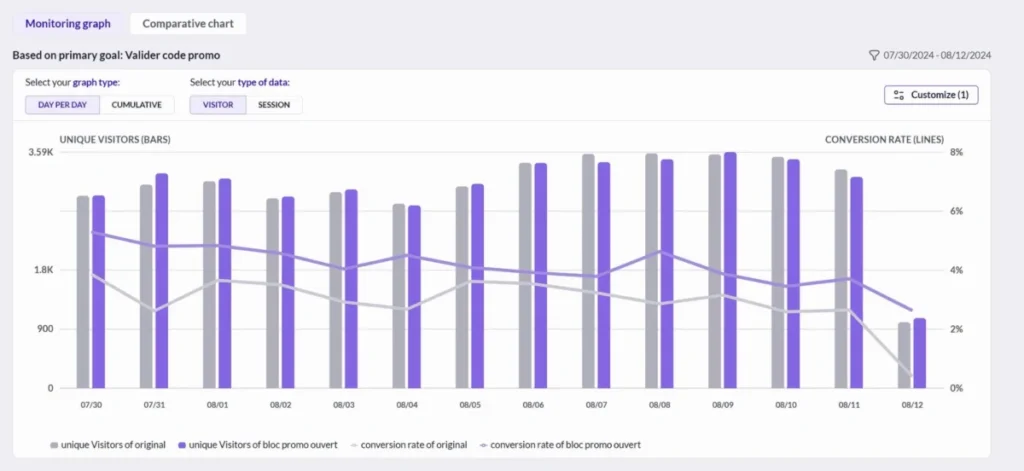
The Optimization Showdown: Choosing Between Crazy Egg and AB Tasty for Your Growth Strategy
In the fast-paced world of digital marketing, the ability to iterate based on data is the difference between stagnation and hyper-growth. For businesses looking to refine their user experience (UX) and boost conversion rates, selecting the right experimentation platform is a foundational decision. Two heavyweights frequently appear on the shortlist: Crazy Egg and AB Tasty.
While both platforms promise to optimize your website, they approach the challenge from fundamentally different philosophies. Crazy Egg is designed as an all-in-one "optimization cockpit," offering a holistic suite of behavioral tools. Conversely, AB Tasty—which recently underwent a significant merger with VWO—is engineered as an enterprise-grade experimentation engine that favors deep, granular control for teams that already have their analytics stack firmly in place.
Main Facts: The Core Differences
At its core, the choice between these two platforms boils down to your organizational maturity and your existing tech stack.
Crazy Egg serves as a unified ecosystem. It is purpose-built for teams that want a single login to manage the full experimentation lifecycle—from uncovering why users are dropping off via heatmaps and session recordings, to testing solutions with A/B experiments, to analyzing the final impact on revenue. Its transparent, self-serve subscription model makes it highly accessible for small-to-medium businesses (SMBs) and mid-market growth teams.
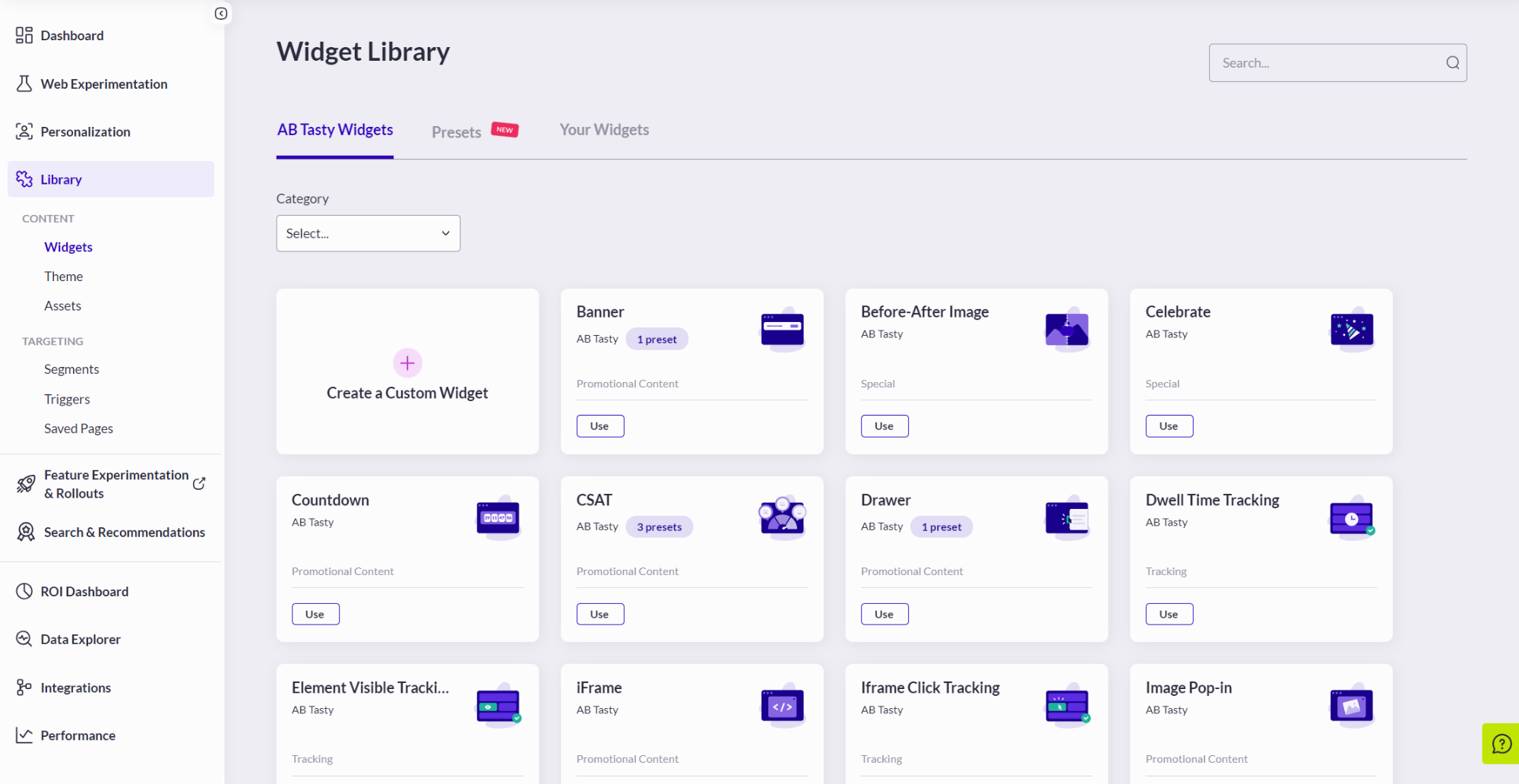
AB Tasty is designed for the enterprise environment. It does not provide native heatmaps, session replays, or web analytics, functioning instead as a specialized "testing layer." It is meant to sit on top of your existing analytics infrastructure (such as Google Analytics 4, Adobe Analytics, or Mixpanel). Its power lies in its deep testing capabilities, such as server-side testing, feature flagging, and complex multivariate experiments, making it a robust choice for large engineering and product teams that require strict control over their deployment environment.
Chronology and Evolution of the Platforms
The digital optimization space has seen massive consolidation in recent years, which has directly influenced the current market landscape.
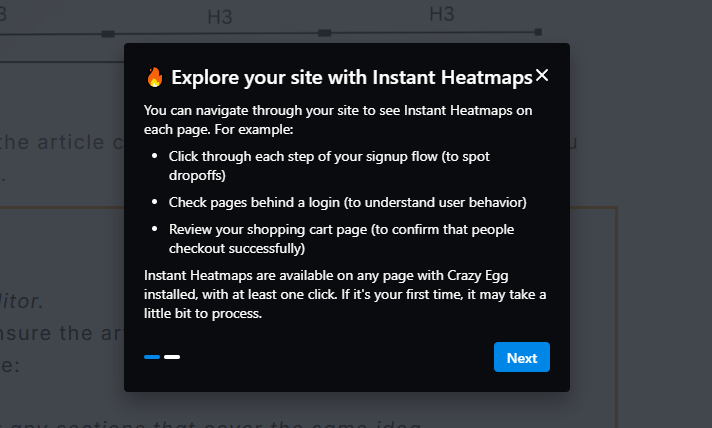
- The Early Days: Crazy Egg established its market dominance by democratizing heatmaps. It turned complex, expensive user-behavior studies into "Instant Heatmaps" that any marketer could understand in seconds.
- The Enterprise Pivot: As the demand for experimentation grew, AB Tasty built its reputation on the "Testing & Personalization" model, specifically targeting high-traffic websites that needed to run hundreds of simultaneous, mutually exclusive experiments.
- The Recent Merger: The most significant recent development is the merger of AB Tasty with VWO. This strategic move combined two of the largest players in the enterprise testing space, signaling a shift toward more AI-driven "agentic" workflows—where software does not just display results but suggests and executes optimizations.
- The AI Wave: Both platforms have pivoted toward Artificial Intelligence. Crazy Egg has integrated AI to summarize session recordings and provide natural-language insights, while AB Tasty has introduced "Evi," an agentic assistant capable of building hypotheses and projecting revenue impact.
Supporting Data and Technical Capability
To understand which platform fits your specific needs, we must examine the technical distribution of features.
A/B and Multivariate Testing
AB Tasty leads in raw feature depth. It offers native multivariate testing, multi-page testing, and complex traffic allocation modes that allow for mutually exclusive experiments. If your team is running sophisticated A/B tests that require high-level engineering support and server-side integration, AB Tasty is the clear winner.
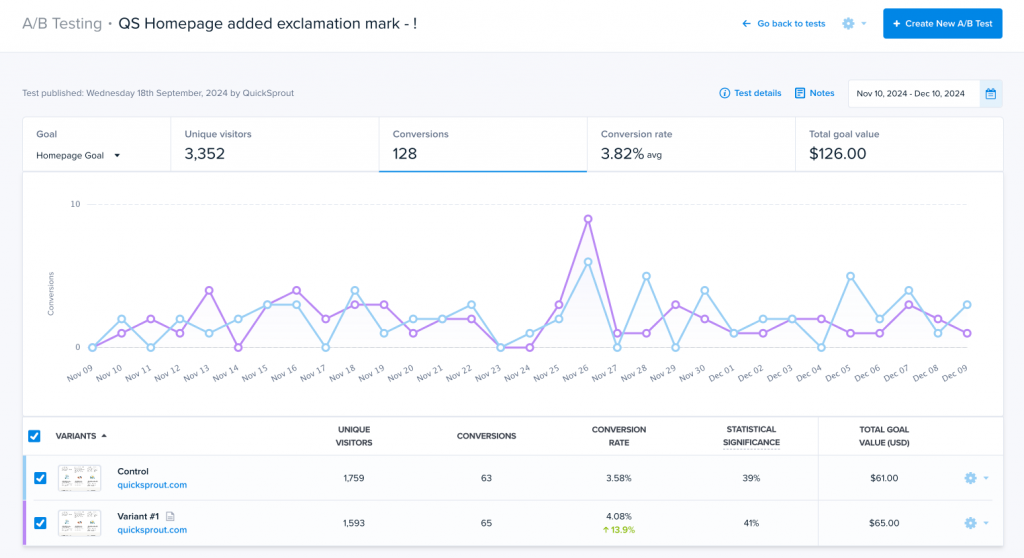
Crazy Egg, however, excels in simplicity. It offers native A/B testing and Multi-Armed Bandit (MAB) logic—where traffic automatically shifts to the winner—without the need for custom coding. For the vast majority of growth marketers, this is more than sufficient.
Web Analytics and Insights
The most glaring difference between the two is the presence of a native analytics layer.
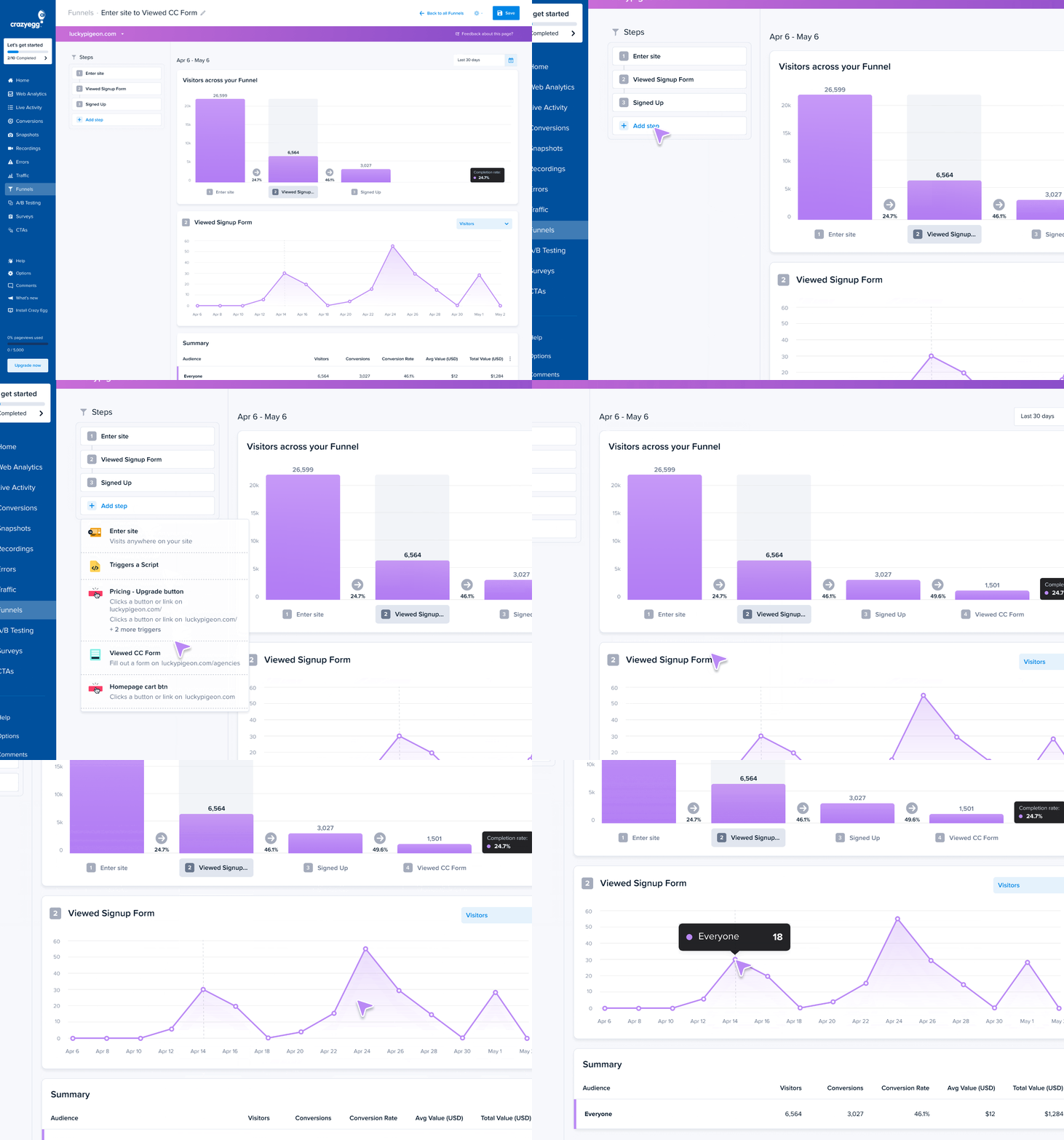
- Crazy Egg: Features a full suite of Conversion Analytics, Funnel Builders, and a user-friendly Web Analytics dashboard. It acts as a primary source of truth for your conversion goals.
- AB Tasty: Lacks native analytics entirely. It relies on external data sources. This means that if you choose AB Tasty, your team must be proficient in managing data flows between the testing tool and your primary analytics platform.
Heatmaps and Session Recordings
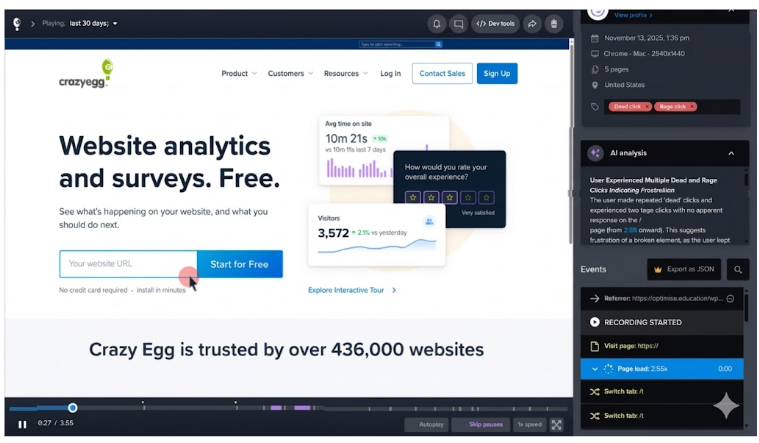
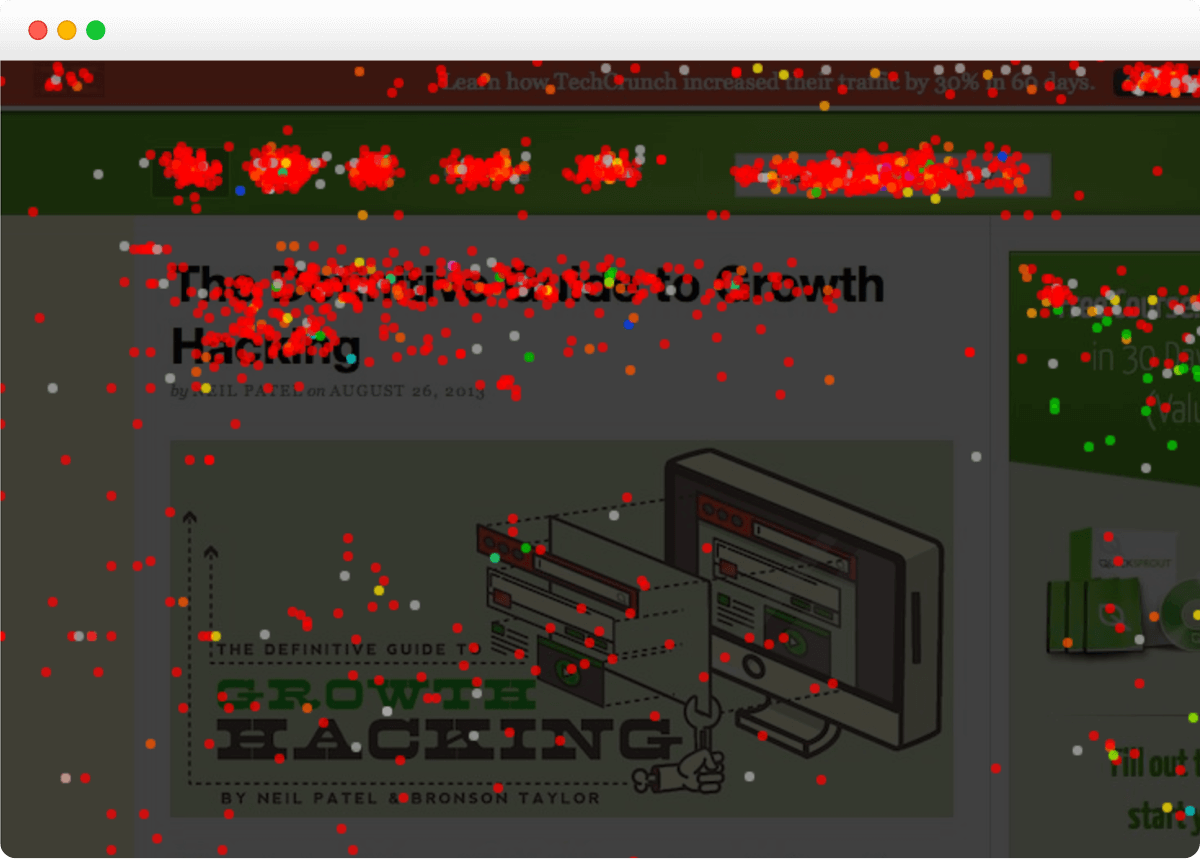
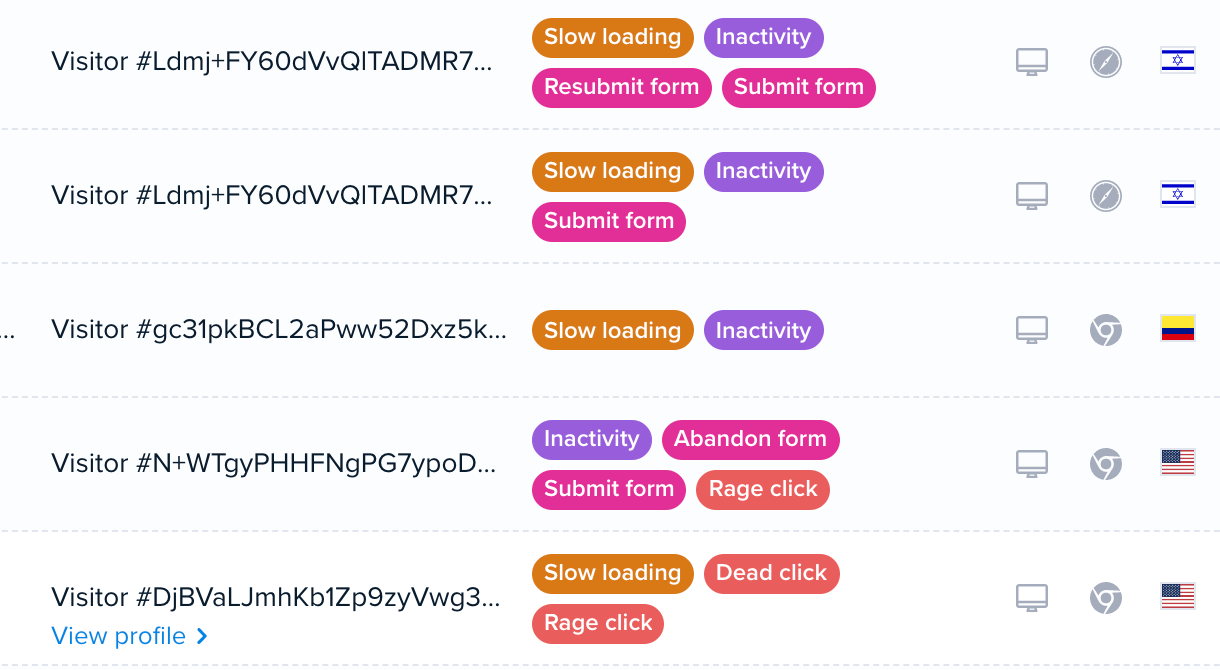
Crazy Egg offers five distinct types of heatmaps (Click, Scroll, Confetti, Overlay, and List) and a powerful session recording module. These recordings are auto-tagged with events (like "rage clicks" or "slow loading"), allowing teams to perform qualitative research instantly.
AB Tasty has no standalone heatmap or recording module. It expects users to integrate with third-party tools like FullStory or Microsoft Clarity. While this "best-of-breed" approach is preferred by some enterprise organizations, it adds significant complexity and cost to the overall tech stack.
Official Positioning and Strategic Focus
According to the product roadmaps of both companies, the strategic divergence is intentional.
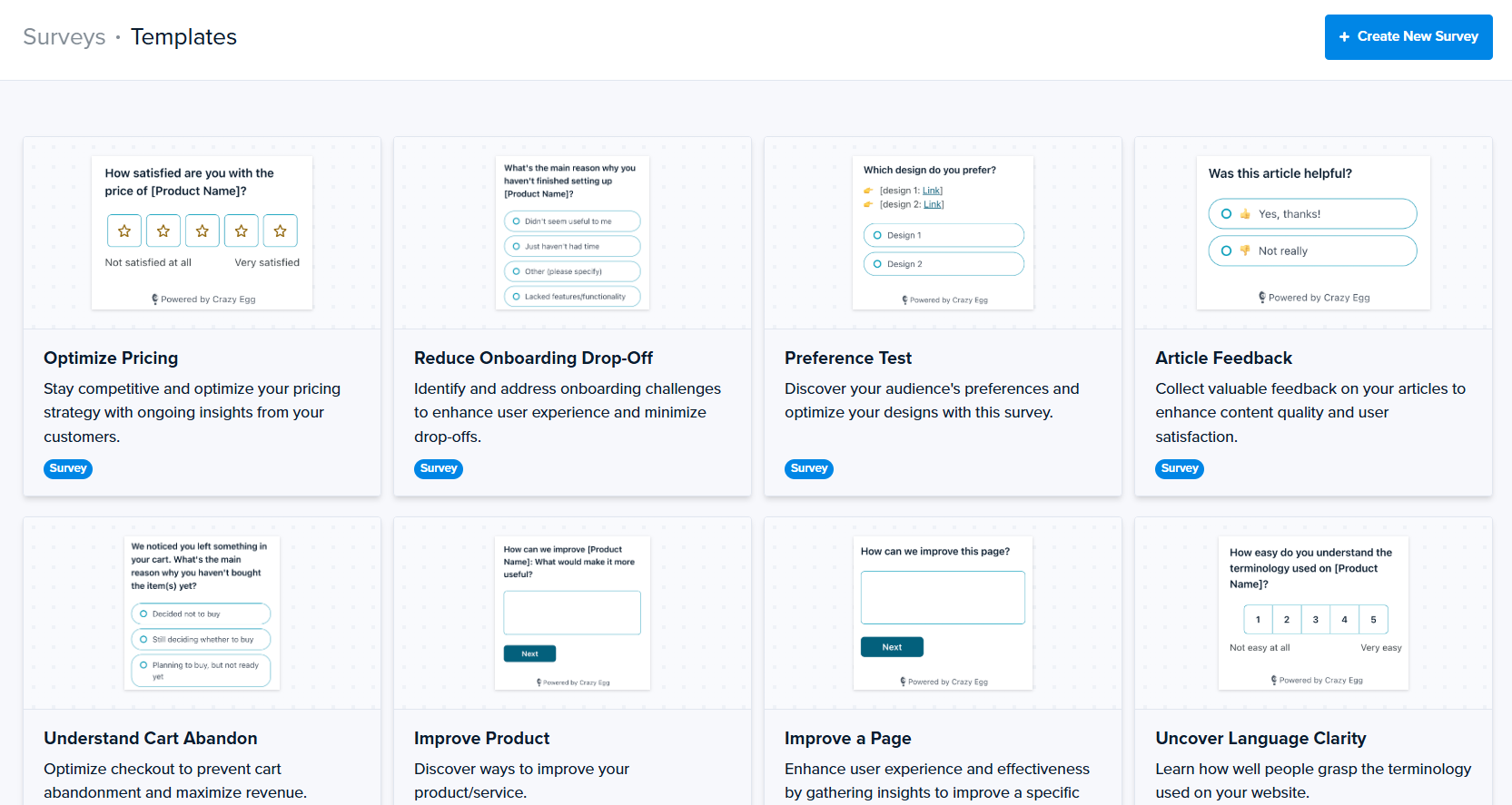
Crazy Egg’s official stance is centered on "Optimization for All." By including error tracking, surveys, and heatmaps in every plan, they aim to solve the problem of fragmented tools. They believe that if a marketer has to jump between five different tabs to understand a user, they will eventually stop experimenting.
AB Tasty’s official stance is centered on "Adaptive Experience." Through their EmotionsAI and AdaptiveCX features, they are positioning themselves not just as an A/B testing tool, but as a real-time personalization engine. Their focus is on high-volume, high-value enterprises that need to predict intent and serve personalized content based on a user’s emotional profile or transactional history.
Implications for Your Business
When deciding which path to take, your organization must consider the following implications:
1. The Cost of Ownership
The financial implications are stark. Crazy Egg is transparent, with public pricing tiers starting at $29/month and scaling to $599/month for enterprise-level volume. There are no "hidden" costs for extra features.
AB Tasty is quote-based. According to third-party data from platforms like Vendr, the median annual contract for AB Tasty typically falls between $40,000 and $90,000, with enterprise contracts easily exceeding $150,000. When you add the cost of the necessary third-party integrations (like FullStory or Segment) required to make AB Tasty work effectively, the total cost of ownership is an order of magnitude higher than that of Crazy Egg.
2. The Implementation Burden
If you choose Crazy Egg, your team can be live and testing within hours. The setup is "plug-and-play," requiring only a single line of JavaScript.
If you choose AB Tasty, you are entering a long-term integration project. You will need to map your data streams, define your segments, and ensure your analytics platform is properly configured to receive test data. This is an investment of time, engineering resources, and ongoing maintenance.
3. The "Tool Fatigue" Factor
Small teams often fall into the trap of buying "best-in-class" tools for every specific function. The implication here is "Tool Fatigue"—where your team spends more time managing the software and fixing API connections than actually running experiments. If your team is lean, the all-in-one nature of Crazy Egg provides a velocity advantage. If you are an enterprise with a dedicated team of data scientists and developers, the granular control of AB Tasty removes the limitations of a "one-size-fits-all" solution.
Summary Comparison Table
| Feature | Crazy Egg | AB Tasty |
|---|---|---|
| Primary Audience | SMB, Mid-Market, Growth Teams | Large Enterprise |
| Pricing Transparency | Public, Monthly/Annual | Sales-Gated, Custom Contracts |
| Native Analytics | Yes (Dashboard + Funnels) | No (Requires Integrations) |
| Heatmaps/Recordings | Native, Auto-Generated | None (Requires Integrations) |
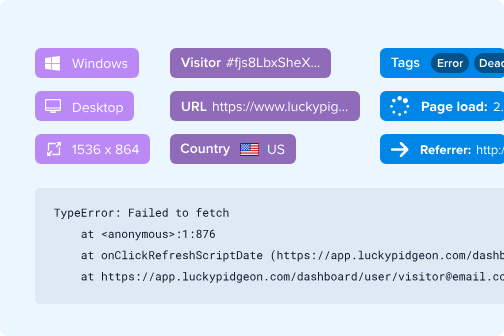
| Error Tracking | Native (JS Errors + Recordings) | None (Requires Integrations) |
| Testing Capability | A/B, MAB | A/B, Multivariate, Server-side |
| Setup Time | Immediate (Self-serve) | Lengthy (Sales-led) |
Final Verdict: Which One Should You Choose?
The decision between Crazy Egg and AB Tasty is ultimately a question of scale vs. simplicity.
Choose AB Tasty if:
- You are a large enterprise with a dedicated CRO team and a significant budget.
- You already have an established analytics stack (like Adobe or Google Analytics 360) and don’t need a new dashboard.
- You require complex, server-side testing and feature flagging to manage product development.
- You are looking to build a highly sophisticated, AI-driven personalization layer for millions of monthly visitors.
Choose Crazy Egg if:
- You are an SMB, a startup, or a mid-market team that values speed and efficiency.
- You want a unified platform where heatmaps, recordings, surveys, and A/B testing work together seamlessly.
- You want to avoid the "Sales-led" gatekeeping and start testing immediately with a self-serve, transparent subscription.
- You are currently struggling with a lack of visibility into why your users are behaving the way they are, and you need tools that provide qualitative insights alongside quantitative data.
For most businesses, the "all-in-one" approach of Crazy Egg provides the highest ROI by allowing them to start optimizing today rather than spending months on infrastructure. However, for the global enterprise that has already mastered the basics, AB Tasty provides the high-performance engine necessary to reach the next tier of digital maturity.
