

The New Frontier of Social Commerce: How TikTok Shop is Redefining Affiliate Marketing in Asia
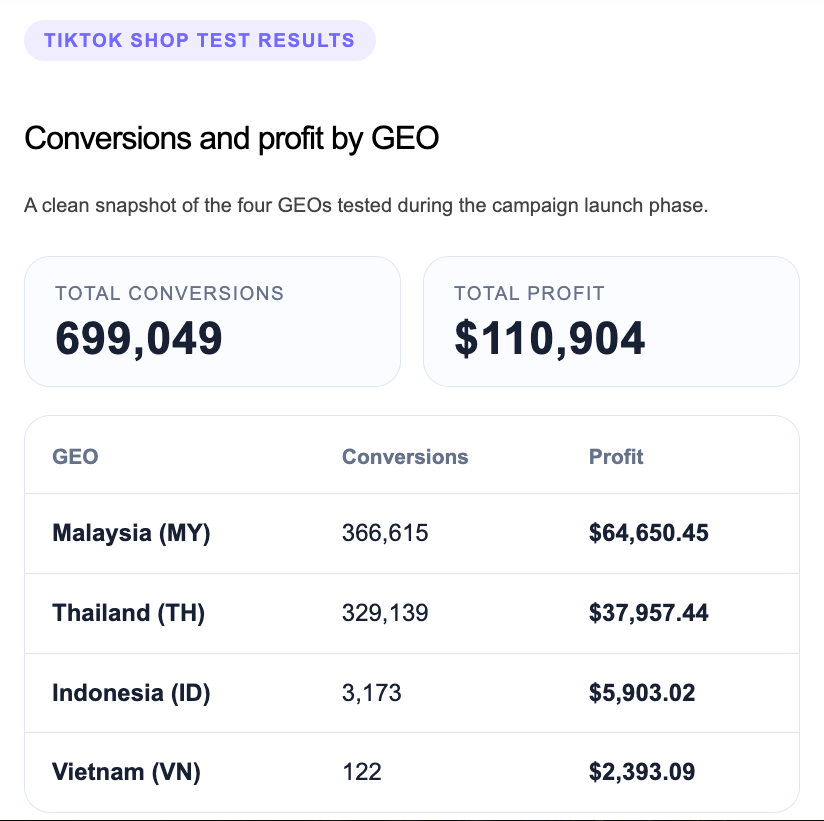
In the rapidly evolving landscape of digital commerce, the intersection of social media engagement and direct transactional utility has created a new gold rush for ecommerce affiliates. TikTok Shop, the platform’s integrated shopping ecosystem, has emerged as the focal point of this shift, particularly in Southeast Asia. A recent landmark case study from PropellerAds has illuminated the immense potential of this channel, revealing how a single advertiser managed to generate over 699,000 conversions and $110,000 in profit during the first quarter of 2026. This performance underscores a fundamental truth about modern digital retail: the future of high-conversion marketing lies in reducing friction between discovery and checkout.
The Convergence of Social Discovery and In-App Purchasing
The success of TikTok Shop is rooted in its ability to collapse the traditional marketing funnel. In legacy ecommerce models, users typically move from a discovery platform (like an ad on a search engine) to an external website, where they must navigate a landing page, add items to a cart, and enter payment information. Each of these steps introduces "friction," leading to significant drop-off rates.
TikTok Shop eliminates this friction entirely. By allowing users to discover products via organic or influencer-led content and finalize the transaction without ever leaving the application, the platform taps into the "impulse-led" shopping behavior that defines the modern Asian consumer. This seamless user experience is particularly effective for high-velocity categories such as fashion, beauty, personal electronics, and lifestyle gadgets. For affiliates and media buyers, this provides a unique advantage: a shorter, more intuitive path to purchase that consistently yields higher conversion rates than traditional retail pathways.
Inside the Campaign: A Strategy of Data-Driven Scale
The PropellerAds case study provides a transparent look at how performance marketers are leveraging alternative traffic sources—specifically Popunder traffic—to drive results for TikTok Shop offers. The strategy employed by the featured advertiser was not one of "blunt force" marketing, but rather a sophisticated, phased approach to optimization.
Phased Execution: The Power of Broad Testing
Instead of committing large budgets to hyper-targeted campaigns on day one, the advertiser adopted a "Run-On-Network" (RON) methodology. By casting a wide net across Malaysia, Thailand, Indonesia, and Vietnam, the campaign acted as a massive data-collection engine. This phase was critical for identifying which traffic sources, device types, and creative angles resonated most effectively with the local audiences.

Once the initial data set reached statistical significance, the campaign shifted into an optimization phase. Key metrics monitored included:
- Conversion Rate by Traffic Source: Filtering out low-quality placements to focus on high-intent environments.
- Geographical Performance: Shifting budget allocation toward regions where the "Cost Per Acquisition" (CPA) was lowest.
- Bid Management: Transitioning from manual bidding to automated models like CPA Goal and SmartCPM to maintain stable profitability.
Geographical Breakdown and Performance Data
The campaign’s success was largely anchored in its dominance across four key Southeast Asian markets. Malaysia and Thailand, in particular, stood out as the top-performing regions, consistently delivering high conversion volume at a competitive cost.
Market Performance Table
| Campaign GEO | Primary Traffic Method | Bid Strategy |
|---|---|---|
| Malaysia | Popunder | CPA Goal |
| Thailand | Popunder | SmartCPM |
| Indonesia | Popunder | High Intent CPM |
| Vietnam | Popunder | High Intent CPM |
The financial data highlights the efficiency of this strategy. With a CPA ranging between $0.04 and $0.20, the cost of acquiring a customer remained remarkably low. In some segments, the conversion rate peaked at 10%, a figure that far exceeds standard industry benchmarks for external traffic-to-cart conversions.
The Role of Alternative Traffic: Why Popunder Matters
While many marketers are obsessed with "walled garden" advertising (i.e., running ads strictly within the TikTok app), this case study highlights the efficacy of using external traffic sources to drive users to TikTok Shop.
Popunder traffic—often overlooked by novice marketers—proved to be a powerhouse for this campaign. By delivering high-volume visibility at scale, Popunders effectively funneled interested users into the TikTok ecosystem, where the platform’s native conversion tools took over. This approach allows affiliates to bypass the saturation often found on standard social platforms, accessing vast, untapped pools of potential customers at a fraction of the cost.
Strategic Implications for Affiliate Marketers
The implications of this data for the broader affiliate marketing community are profound. As the barrier between social media and ecommerce continues to dissolve, the role of the affiliate is evolving from a "traffic driver" to a "conversion architect."
Key Takeaways for Future Campaigns:
- Prioritize Frictionless Checkout: When selecting offers to promote, prioritize platforms that offer in-app checkout. The fewer clicks required to purchase, the higher the conversion rate.
- Embrace Broad-to-Narrow Testing: Do not attempt to guess which audience will convert. Start with a broad reach, gather conversion data, and then prune your campaign based on hard, real-time analytics.
- Leverage Automated Bidding: Modern ad platforms have sophisticated machine learning algorithms. Utilizing "CPA Goal" or "SmartCPM" strategies allows the platform’s AI to optimize your bids in real-time based on the likelihood of a conversion.
- Diversify Traffic Sources: Relying solely on one platform (like Facebook or Google) is a risk. Testing alternative formats like Push, Popunder, or native ads can unlock audiences that your competitors are not reaching.
Challenges and Future Outlook
While the results of this case study are highly encouraging, the landscape is not without its challenges. Maintaining high conversion rates requires constant vigilance regarding ad creative quality and landing page relevance—even when the landing page is a native TikTok store.
Furthermore, as social commerce continues to grow, competition is inevitably rising. The "low CPA" windows identified in the case study are likely to tighten as more affiliates flood the market. Success in the latter half of 2026 and beyond will depend on the marketer’s ability to pivot quickly, test new creative variations, and utilize the advanced reporting tools provided by networks like PropellerAds.
Conclusion: The Path Forward
The success of the TikTok Shop campaign analyzed here is a testament to the power of aligning high-intent traffic with a seamless, high-conversion user journey. By leveraging data-driven optimization and exploring underutilized traffic formats, performance marketers can achieve scale in the fast-growing Asian ecommerce market.
As we look toward the future, it is clear that social commerce is not merely a trend, but a fundamental shift in how global retail operates. For affiliates and media buyers, the message is clear: those who can bridge the gap between creative discovery and instant transactional gratification will define the next generation of digital commerce. Whether you are a seasoned affiliate or a digital marketing newcomer, the tools are now available to turn social engagement into measurable, sustainable profit. The only remaining variable is the speed and precision with which you execute your strategy.
