

The New Frontier: Navigating Social Media Marketing in Financial Services
In the modern digital economy, the divide between traditional financial institutions and the social platforms where their customers live is rapidly closing. For banks, insurance firms, wealth managers, and fintech disruptors, social media has evolved from a “nice-to-have” marketing channel into a critical infrastructure for customer acquisition, trust-building, and regulatory communication.
However, financial services marketing is not merely about brand awareness; it is a high-stakes balancing act. Organizations must navigate the tension between the demand for human, relatable content and the unforgiving requirements of global regulatory bodies. As financial literacy moves from boardrooms to TikTok feeds, the industry is recalibrating its approach to digital engagement.

The Strategic Imperative: Why Finance Must Be Social
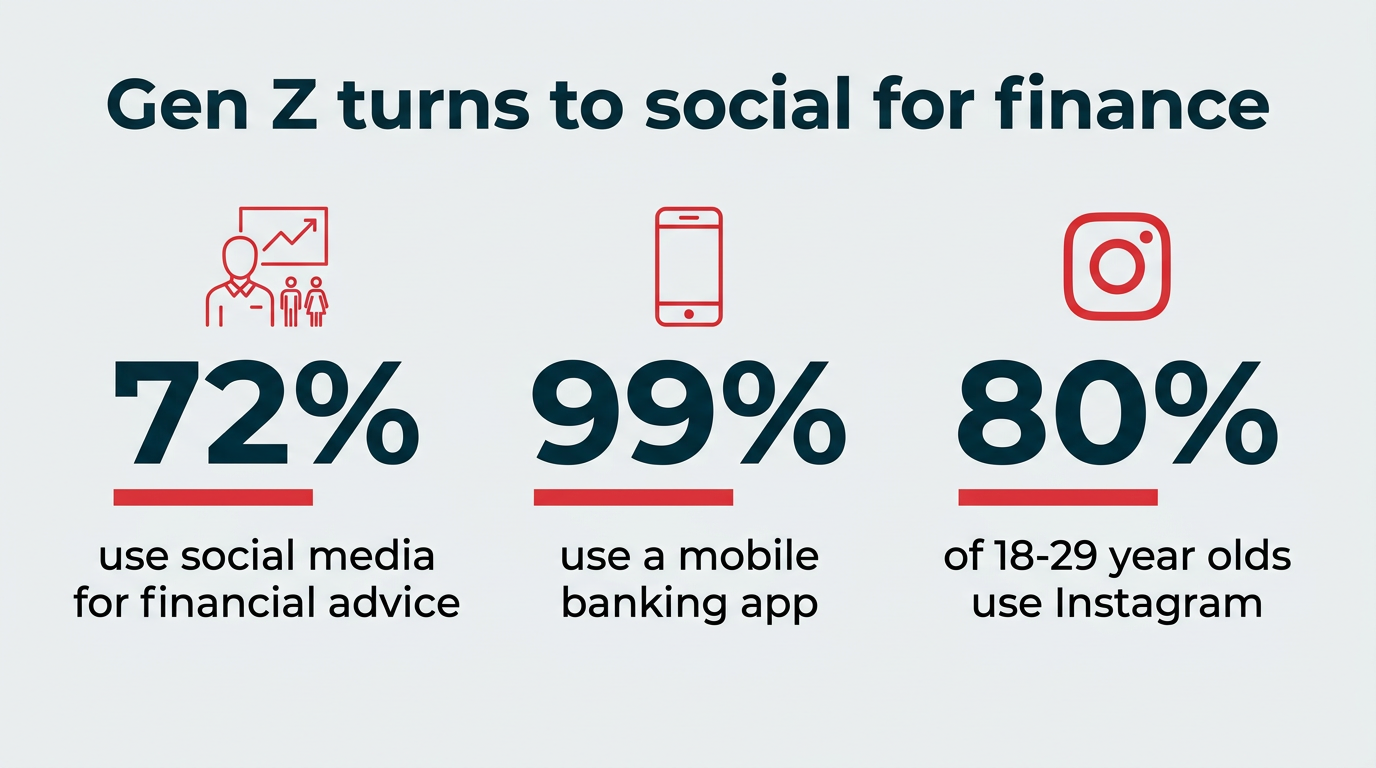
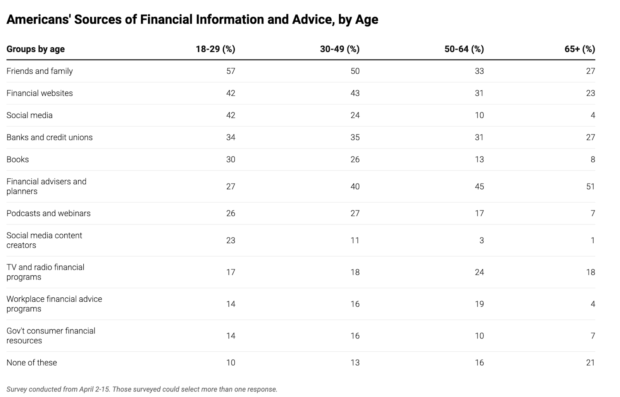
The primary driver behind the adoption of social media in financial services is a demographic and behavioral shift. With 80% of 18–29-year-olds active on Instagram and a massive cohort of Gen Z investors turning to social platforms for financial guidance, the industry has recognized that silence is no longer an option.
1. Reaching the New Investor
Gen Z and younger millennials represent the future of wealth management. Research shows that 72% of Gen Z consult social media for financial advice. Furthermore, 99% of this demographic relies on mobile banking apps to manage their daily finances. By positioning themselves on social platforms, financial institutions are not just chasing trends; they are meeting their future client base where they already conduct their financial research.

2. Social Selling and Relationship Management
In the world of finance, trust is the currency. Social selling—the practice of using social networks to find, connect with, and nurture prospects—has become an essential tool for advisors. By monitoring professional milestones on LinkedIn or offering timely, relevant information in response to industry news, advisors can transition from "cold callers" to trusted, knowledgeable consultants.
3. Humanizing the Institution
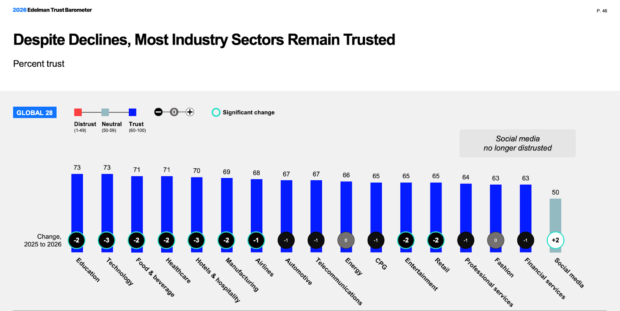
The traditional, cold, and distant image of financial institutions is a significant barrier to trust. Research from the 2026 Edelman Trust Barometer highlights that financial services remain among the least trusted industries. However, when senior executives and advisors maintain an active, authentic presence on social media, consumer trust increases by up to 82%. Humanizing the brand through leadership voices is no longer just a PR tactic; it is a business necessity.
A Chronology of the Digital Shift
The integration of social media into financial services has occurred in distinct phases:
- The Regulatory Hesitation (2010–2015): Most financial institutions avoided social media entirely, fearing the legal repercussions of "unauthorized" communications. Compliance departments acted as gatekeepers, often blocking all social activity.
- The Educational Pivot (2016–2020): Brands began to recognize that social media was a tool for financial literacy. Banks started producing blogs and infographics, focusing on risk-free, educational content to build brand authority.
- The Interactive Era (2021–2025): With the rise of "finfluencers" and the maturity of social customer care, institutions began using platforms for real-time support, conversational engagement, and, in some cases, direct integration with banking services.
- The AI and Governance Age (2026 and beyond): Today, institutions are leveraging AI to handle the immense burden of compliance, enabling them to scale their content creation and real-time monitoring without compromising security.
Supporting Data: Benchmarks for the Industry
For financial institutions, performance is measured not just in "likes," but in regulatory compliance and lead generation efficiency. Data from early 2025 provides a clear picture of industry standards:
| Platform | Avg. Engagement Rate | Follower Growth Rate |
|---|---|---|
| 3.8% | 2.26% | |
| 3.2% | 0.51% | |
| X (Twitter) | 2.1% | 0% |
| 1.8% | 0.61% | |
| TikTok | 1.6% | 0.98% |
These figures underscore a vital reality: Instagram currently serves as the highest-performing platform for engagement, while LinkedIn remains the undisputed leader for B2B thought leadership and professional networking.
Compliance and Risk Management: The Guardrails
The most significant distinction between financial services social media and other sectors is the compliance burden. Institutions must adhere to strict guidelines set by bodies like the SEC, FINRA, the FCA, and GDPR.
The Challenge of Archiving
Regulations require that any communication related to business must be archived for at least three years. This is not merely an IT requirement; it is a legal imperative. Modern solutions, such as integrations with Smarch or Brolly, are now standard, ensuring that every comment, post, and DM is stored in a searchable, audit-ready database.
The Role of Governance Layers
Tools like Vigil (within the Hootsuite Social OS) have become the "operating system" for compliance. By mandating approval workflows—where every piece of content must be vetted by a compliance officer before going live—firms can mitigate the risk of a non-compliant post triggering massive fines or public relations disasters.
Managing Fraud and Impersonation
The rise of deepfakes and brand impersonation poses a direct threat to client assets. A robust strategy now includes active social listening to identify fraudulent accounts, as well as clear, verified indicators on official profiles to ensure customers know they are interacting with the legitimate institution.
Implications for Future Strategy: AI and Advocacy
As we look toward the remainder of 2026, three trends are set to define the industry’s trajectory:
1. AI-Powered Intelligence
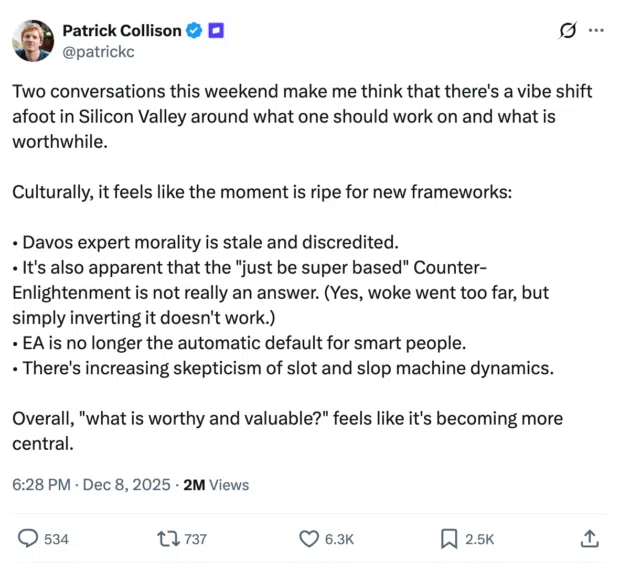
AI is no longer just for generating text; it is the primary tool for "social intelligence." Through platforms like Lumen, firms can now detect shifts in market sentiment before they evolve into full-blown crises. AI orchestration allows for the automation of high-volume, low-risk content, while reserving human expert time for complex advisory interactions.
2. The Rise of Employee Advocacy
Institutional accounts often feel corporate and detached. By contrast, an advisor or executive who shares a pre-approved, compliant update on their own LinkedIn profile achieves significantly higher trust metrics. Scaling this via employee advocacy platforms allows firms to turn hundreds of employees into a network of credible, localized brand ambassadors.
3. Video-First Education
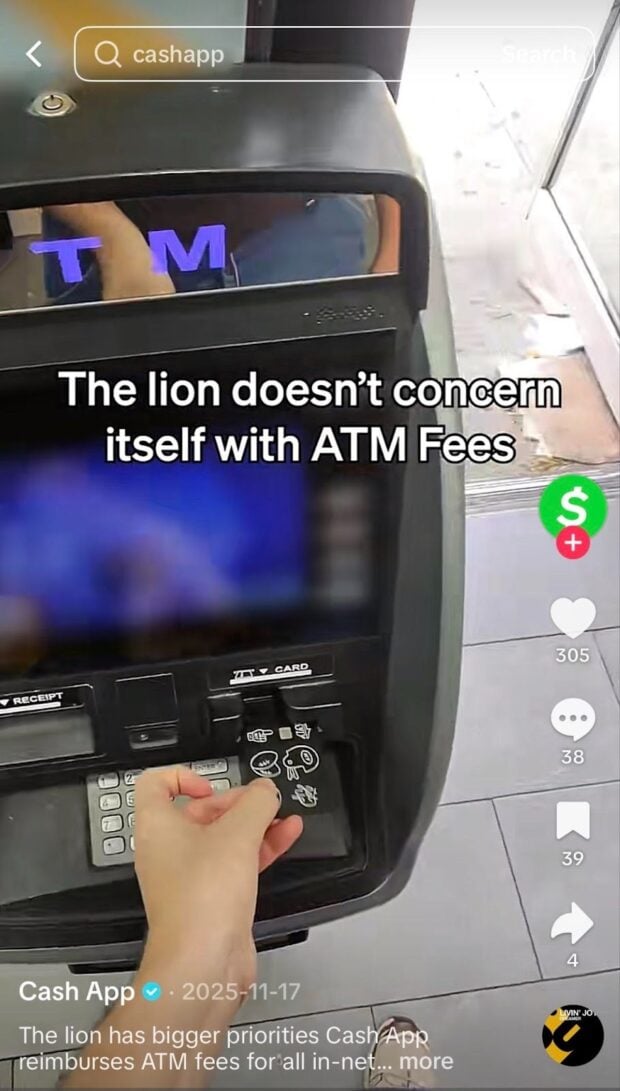
The popularity of TikTok and YouTube Shorts has forced financial institutions to become media companies. The ability to explain complex concepts like compound interest, ESG investing, or tax-loss harvesting in a 60-second video is now a primary competitive advantage. Vanguard Group’s weekly video series is a gold-standard example of how consistent, bite-sized education builds long-term customer loyalty.
Conclusion: The Path Forward
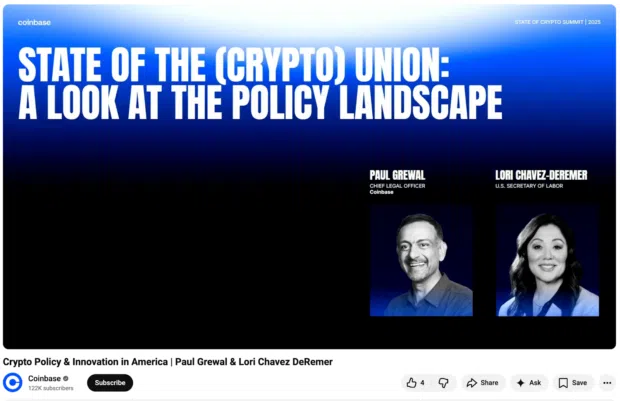
The "financial service social media" of the future is not a broadcast channel; it is a sophisticated, AI-driven, and highly regulated ecosystem.
For institutions looking to thrive, the strategy is clear:
- Conduct a comprehensive audit of all digital footprints to ensure compliance.
- Invest in integrated technology that bridges the gap between marketing, customer support, and compliance.
- Empower internal experts to build their personal brands, backed by pre-approved, compliant content libraries.
- Prioritize trust over transactions, using social platforms to answer the questions that matter most to the client’s financial journey.
By embracing this, financial services brands can move beyond being "utility providers" to becoming partners in their customers’ long-term financial success. The firms that win in the next decade will be those that manage to sound human, stay compliant, and show up exactly where their customers need them to be.
