
The New Consumer Vanguard: 26 Vital Statistics to Master Gen Z Marketing in 2026
First, Gen Z came for the skinny jeans. Then, they challenged the side part, and eventually, they declared the "crying-laughing" emoji a relic of a bygone era. While these cultural shifts may seem trivial on the surface, they signal a profound evolution in consumer behavior. Gen Z doesn’t just consume content; they curate it, vet it, and rapidly pivot away from anything that feels "try-hard" or disingenuous.
As we navigate 2026, understanding this demographic is no longer optional—it is a prerequisite for survival in the modern marketplace. Representing over 2.9 billion people, Gen Z is the most influential generation in modern history. To help your brand resonate, we have compiled 26 essential statistics that define how Gen Z shops, searches, and scrolls.

I. Main Facts: The Gen Z Landscape
The definition of Gen Z—often cited as those born between 1997 and 2012—places them at a critical juncture. They are currently transitioning from digital-native students to the backbone of the global workforce.
1. Demographic Dominance
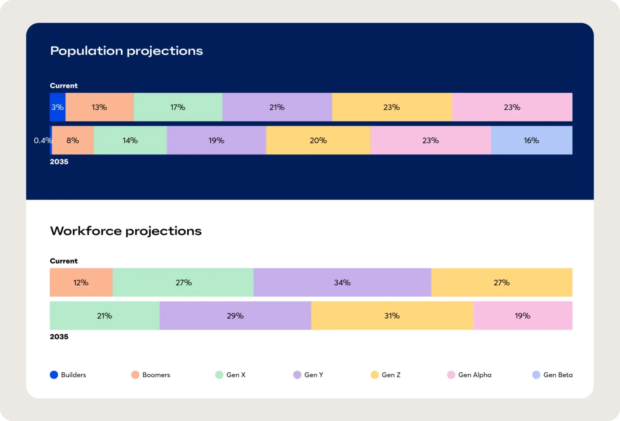
Gen Z accounts for 22.9% of the total worldwide population. In the United States, they represent roughly 21% of the citizenry. As they enter their peak earning years, their collective purchasing power is poised to reshape every sector, from retail to financial services.

2. A Force in the Workplace
Currently, Gen Z makes up 27% of the global workforce. By 2035, projections indicate they will account for 31%, solidifying their position as the dominant working generation. This transition shifts the focus of employer branding and internal communication, as these employees demand values-driven corporate cultures.
3. The Economic Squeeze
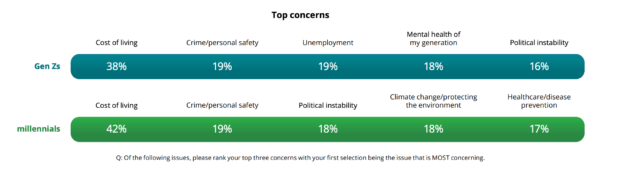
According to the 2026 Global Gen Z and Millennial Survey by Deloitte, the cost of living is the top concern for 38% of Gen Z. This financial anxiety is not just a personal struggle; it is a marketing constraint. Brands that acknowledge the economic reality—and provide tangible value—will earn the loyalty that premium, aspirational brands are currently losing.
II. Chronology of a Digital-Native Generation
Gen Z’s relationship with technology is not one of "adoption," but of "nativity." Unlike Millennials, who remember a time before smartphones, Gen Z has never known a world without ubiquitous connectivity.
- The Early Years (Late 90s–2010s): The rise of social media and the ubiquity of high-speed internet shaped their cognitive development.
- The Streaming Era: As traditional television viewing plummeted, Gen Z pivoted toward short-form, algorithmic video content.
- The AI Pivot (2025–2026): We are currently witnessing a massive surge in AI integration. 74% of Gen Z report using AI in their day-to-day work, though their optimism is becoming increasingly tempered by skepticism and "tech fatigue."
III. Supporting Data: How Gen Z Interacts with Media
The way Gen Z interacts with media is fundamentally different from their predecessors. They have replaced the "search bar" with the "scroll bar."
The Social Search Revolution
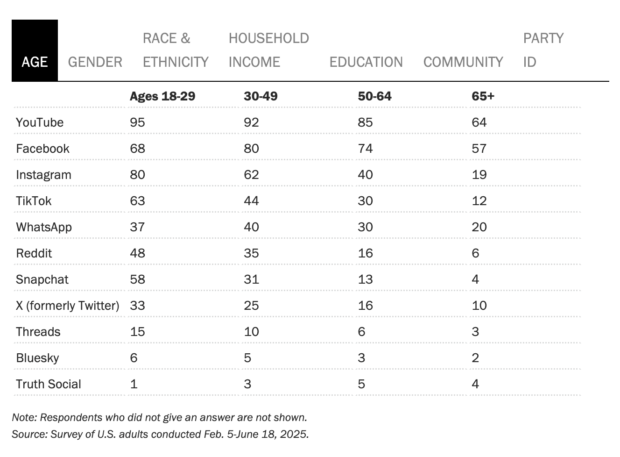
One of the most disruptive shifts is the use of TikTok and Instagram as primary search engines. 40% of Gen Z consumers have used TikTok to research products, bypassing traditional engines like Google. For marketers, this necessitates a move toward "Social SEO"—optimizing captions, utilizing alt text, and prioritizing high-intent hashtags to ensure discoverability.
The Death of Traditional TV
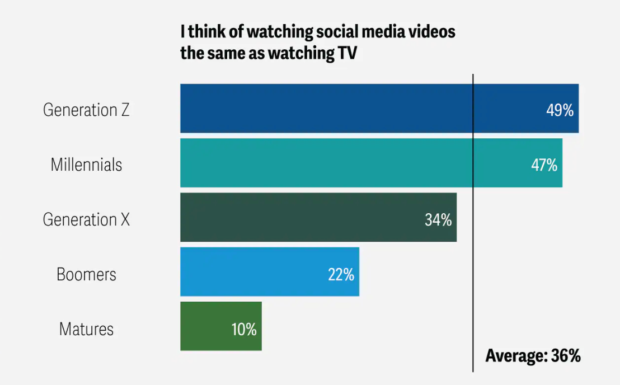
Nearly half of Gen Z (49%) view social media video content as equivalent to traditional TV programming. Furthermore, 58% spend more time watching social media clips than they do on streaming services like Netflix or Disney+. Brands must realize that a 30-second vertical video is not an "alternative" to a TV commercial—it is the primary vehicle for brand awareness.
The Influencer Economy
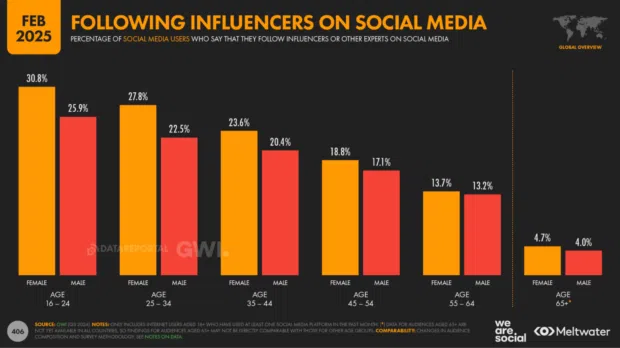
Data indicates that 16- to 24-year-olds follow influencers more than any other age group. Specifically, 30% of young women in this bracket follow creators, treating them as trusted authorities. Half of Gen Z reports feeling a stronger personal connection to social creators than to traditional celebrities.
IV. Official Responses and Industry Insights
Market analysts and platforms are reacting to this shift by prioritizing "authenticity" and "transparency."
The decline in AI optimism is a key industry insight. While 74% of Gen Z uses AI, their enthusiasm is waning. Excitement about AI tools dropped from 36% in 2025 to 22% in 2026, while anxiety regarding the technology rose to 42%.
What this means for brands: Do not use AI to "fake" human connection. Gen Z has an innate ability to spot bot-generated content. Use AI to optimize logistics and backend processes, but keep the creative, human-facing content authentic, messy, and real.
V. Implications for Marketing Strategy
1. The "Social Proof" Requirement
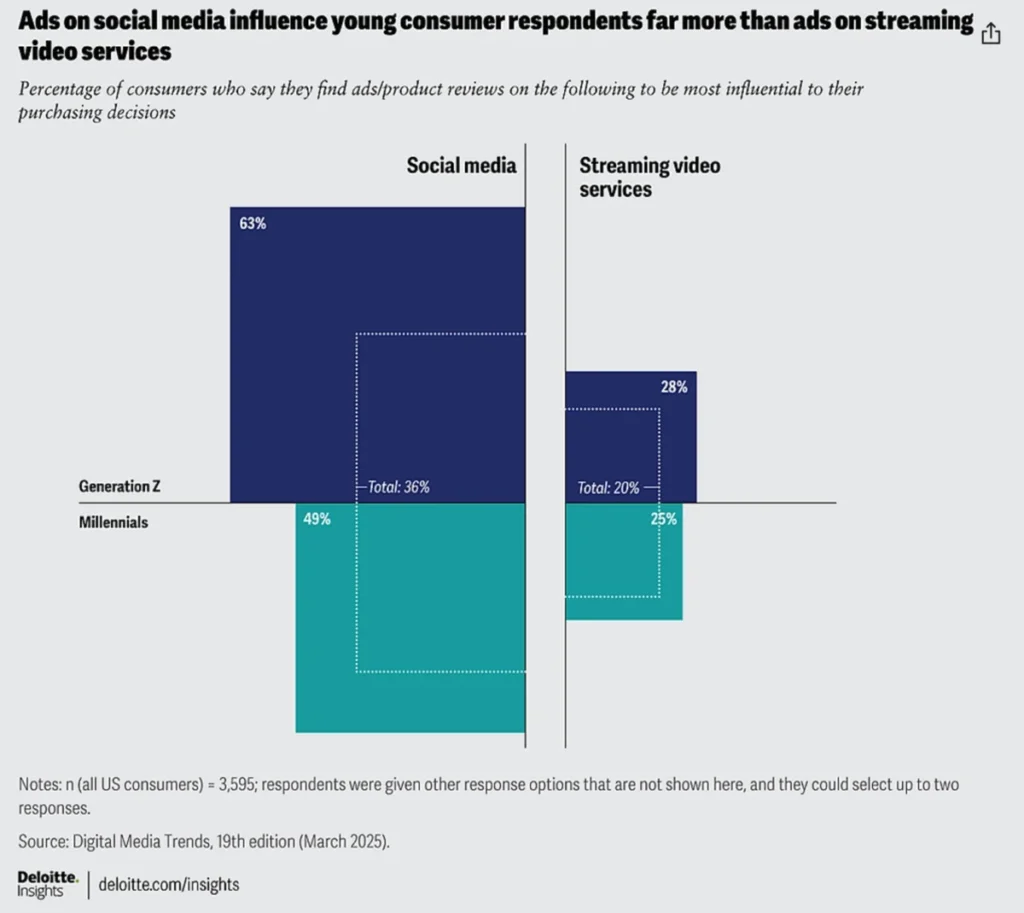
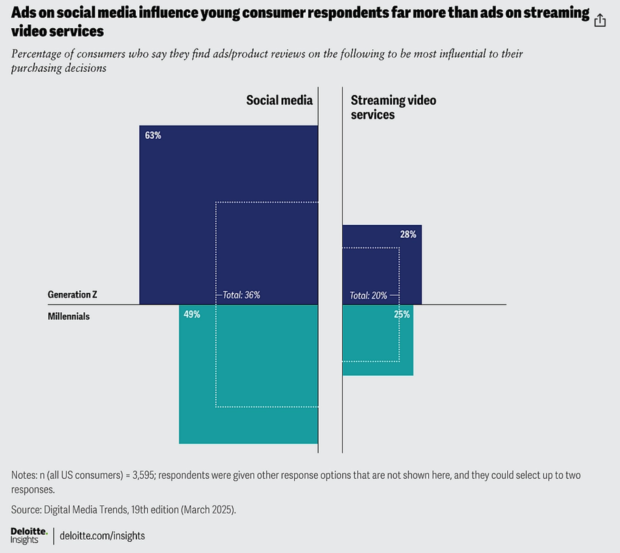
63% of Gen Z state that social ads and reviews are the most influential factors in their purchasing decisions. They do not trust brand messaging; they trust peer-to-peer verification. Integrating user-generated content (UGC), unboxing videos, and honest reviews into your ad strategy is no longer optional.
2. Mobile-First (and Mobile-Only) Shopping
With 99% of Gen Z shoppers using smartphones for purchases, the path to conversion must be frictionless. If a user has to navigate away from an app to complete a purchase, your conversion rate will suffer. Invest in in-app checkout features and digital wallet integration (Apple Pay, Google Pay).

3. Personalization vs. Privacy
52% of Gen Z shoppers welcome AI-driven personalization. They want their shopping experiences to be tailored to their interests. However, this comes with a caveat: transparency. Brands that are clear about how data is used will be rewarded with trust; those that hide their data practices will face immediate backlash.
4. The "Always-On" Reality
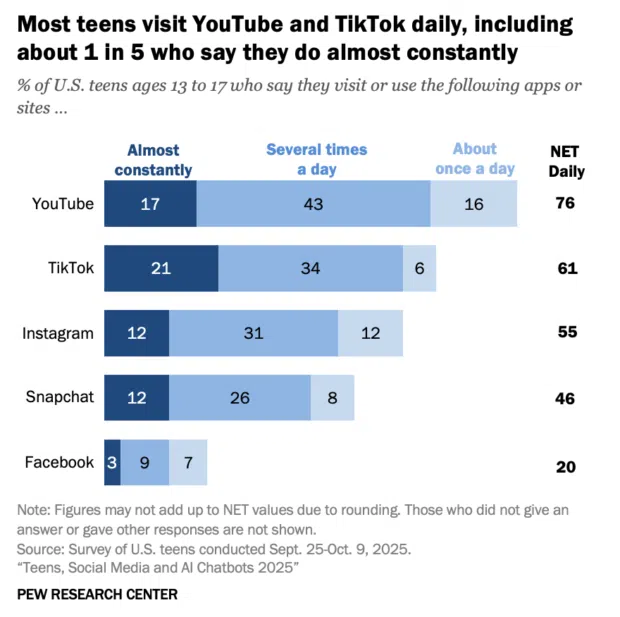
21% of Gen Z teens describe their TikTok use as "almost constant." This "always-on" culture means that timing is everything. Brands cannot rely on a single daily post. They must build a community presence, engage in the comments, and be part of the ongoing conversation in real-time.
Conclusion: Designing for the Future
Gen Z is not a monolithic group, but they are united by a common set of expectations: they demand authenticity, they prioritize efficiency, and they reject traditional, high-gloss advertising.
For the modern marketer, the path forward is clear. Stop interrupting what they are interested in, and start being what they are interested in. Use social media not just to broadcast, but to listen. Use AI to streamline the customer journey, not to replace the human element. And above all, respect their time—because in the digital age, attention is the most valuable currency of all.
As we look toward the remainder of 2026 and beyond, brands that treat these 26 statistics as a strategic roadmap will be the ones that capture the loyalty of the most powerful generation in history. The transition to a Gen Z-led economy is already underway; the only question is whether your brand is prepared to lead or destined to be scrolled past.
