
The Modern Playbook: Transforming Live Chat into a High-Performance Lead Generation Engine
In the digital-first economy, the traditional "contact us" form is rapidly becoming a relic of a bygone era. As website visitors demand immediate gratification and frictionless experiences, businesses are turning to real-time communication to bridge the gap between anonymous traffic and qualified revenue. Live chat lead generation is no longer just a support tool; it is a strategic imperative. By engaging potential customers at the exact moment of their highest interest, companies can capture data that static forms simply cannot replicate.
However, the "set it and forget it" approach—characterized by generic pop-ups and delayed responses—is failing to move the needle. To succeed in today’s hyper-competitive market, organizations must adopt a data-driven, behavioral approach to live chat.
Main Facts: The Anatomy of a Modern Lead Gen Chat
Live chat lead generation is defined by the orchestration of real-time conversations between human agents (or AI-augmented systems) and website visitors. The workflow is deceptively simple: a visitor arrives on a landing page, an intelligent trigger fires, an agent initiates a dialogue to qualify intent, and the contact is seamlessly transitioned to the sales pipeline.
Unlike static lead capture, which relies on the visitor to seek out the company, modern live chat is proactive. It functions on the premise that a conversation, when handled with precision, serves as a high-intent conversion event. This is particularly vital for:
- Urgency-driven services: Where a customer needs an immediate solution (e.g., insurance, emergency repair).
- Complex, high-consideration purchases: Where B2B buyers require validation before committing to a demo.
- Premium E-commerce: Where personalized product recommendations can overcome hesitation.
Chronology: From Static Forms to Real-Time Engagement
The history of web-based lead generation has moved through three distinct phases:
- The Form-Fill Era (Pre-2010): The standard was the gated whitepaper and the "Contact Us" form. Response times were measured in days, leading to high friction and low conversion.
- The Early Chat Era (2010–2018): Businesses began adding live chat widgets. However, these were often reactive, serving primarily as support channels. Proactive triggers were crude, often based on simple timers (e.g., "Fire chat after 5 seconds").
- The Intent-Driven Era (2019–Present): Today’s landscape is defined by behavioral analytics. With the integration of AI, CRM data, and visitor-ID tools, chat widgets are now sophisticated machines that identify who is on the site, what they are looking for, and when they are ready to buy.
Supporting Data and Strategy: The 10-Point Framework
To modernize your approach, implement the following strategies, which reflect the current reality of user behavior.
1. Behavioral Triggering Over Timers
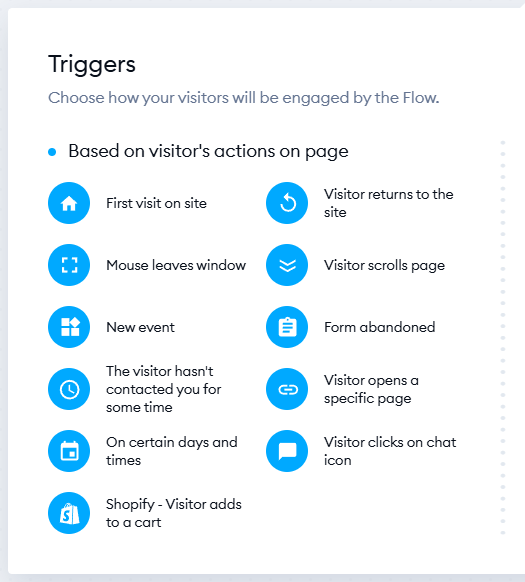
The "fire-at-five-seconds" rule is dead. It interrupts the user experience before a visitor has even processed the page content. Modern triggers rely on intent signals:
- Depth of engagement: Triggering after a user reaches the bottom of a pricing page.
- Comparative intent: Engaging visitors who spend significant time on a "Product A vs. Product B" comparison page.
- Return frequency: Identifying repeat visitors who haven’t yet converted.
2. Design for the Mobile-First User
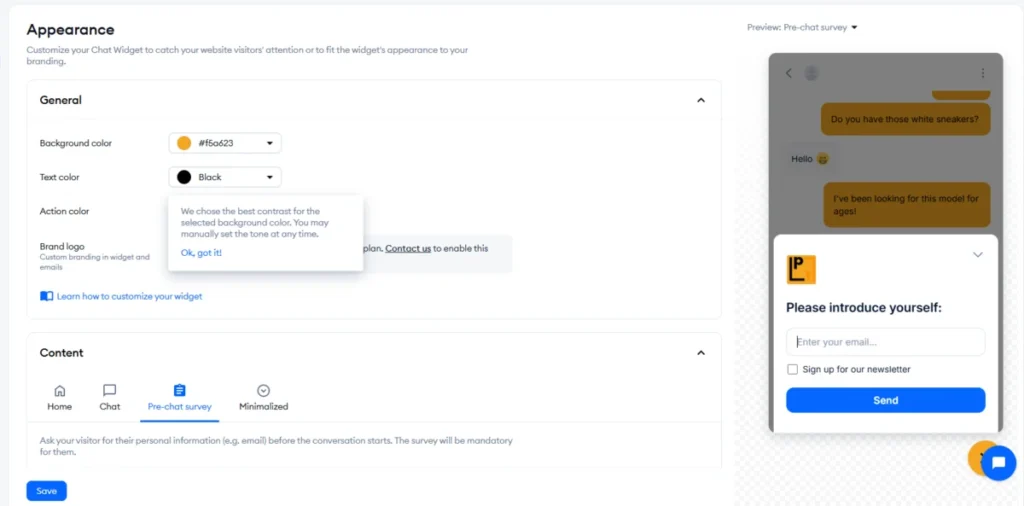
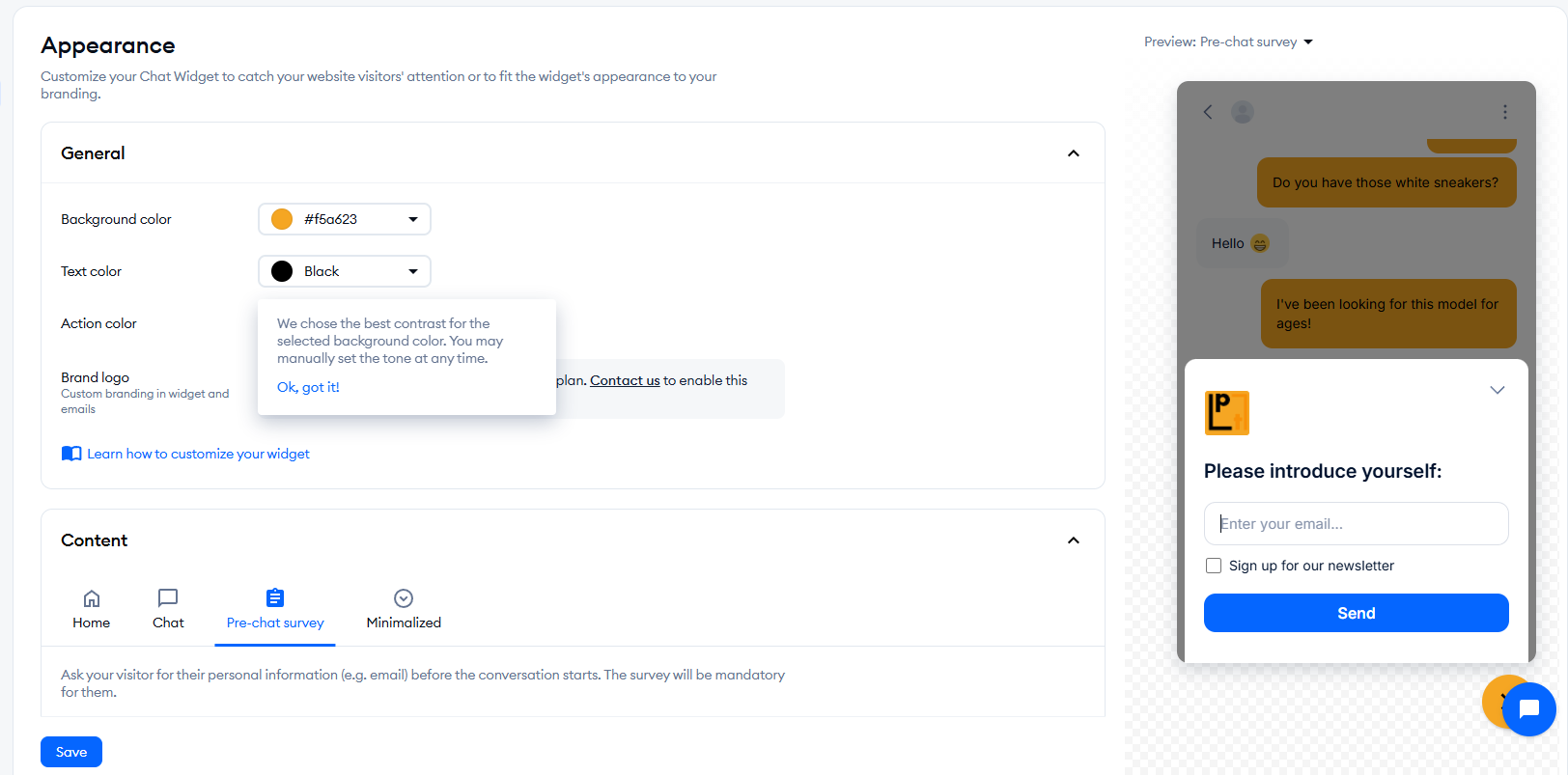
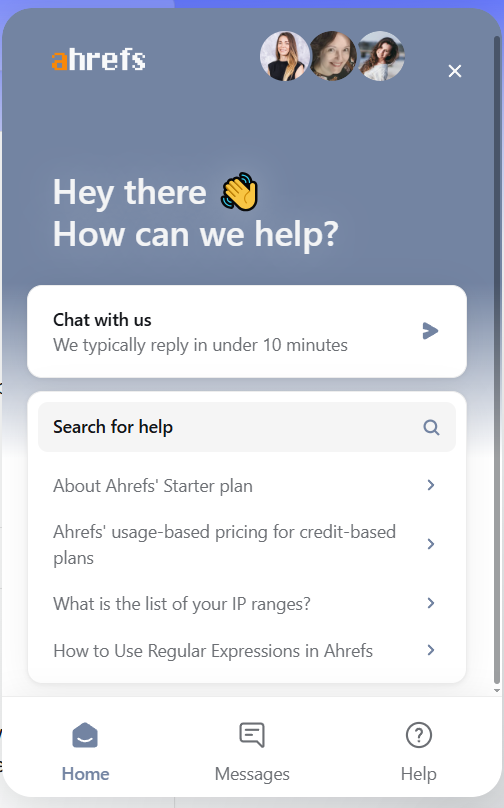
Design must prioritize mobile usability. If your widget is a tiny, hidden icon, it is invisible. Use high-contrast colors, position widgets for easy thumb access (e.g., sticky bottom-center), and use clear, actionable microcopy like "Chat with Sales" rather than a generic speech bubble.
3. Contextual Openers
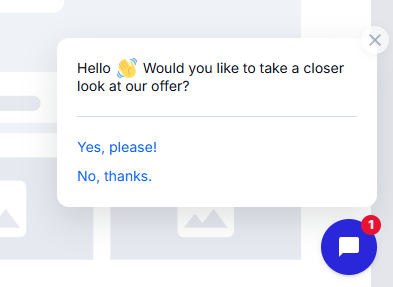
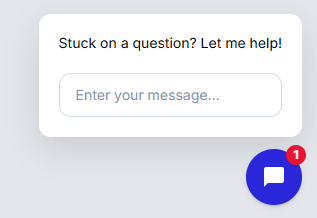
"Hi, can I help you?" is a wasted opportunity. Your opener should be contextual to the page.
- On a Pricing Page: "Have questions about our enterprise plans, or should we look at a custom quote?"
- On a Blog Post: "Enjoying this guide? We have a checklist version you can download."
4. The 30-Second Response Standard
According to 2024 benchmarks, 35 seconds is the average response time. If you exceed one minute, you lose the "window of interest." Use canned responses for initial greetings to ensure the user feels acknowledged instantly, then hand off to a human for the heavy lifting.
5. Hybrid Chatbot-to-Human Handoff
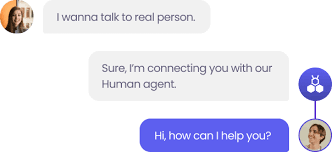
Chatbots excel at scale and 24/7 availability, while humans excel at empathy and closing. Use the bot to qualify the lead (e.g., "What is your budget?" or "What industry are you in?") and only alert the human agent when the lead meets pre-defined criteria.
6. The Exit-Intent Recovery
When a user moves to close a tab or navigate away, trigger a final chat. Frame this as a recovery tool: "Stuck on the checkout form? Let me help you complete your order."
7. Strategic Lead Magnets
Do not offer a lead magnet as an opening move. Engage in one or two exchanges first, then offer value. For instance, after discussing a feature, say, "I can send over our full technical whitepaper on this, would you like me to email it to you?"
8. Frictionless Meeting Booking
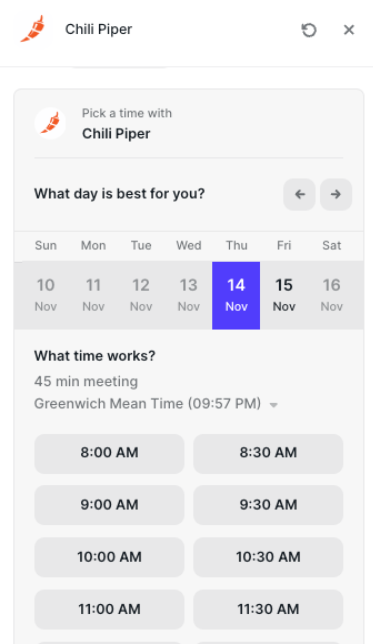
Integrating scheduling tools like Chili Piper or Calendly directly into the chat window eliminates the "email back-and-forth." A 2025 benchmark study indicated that booking a meeting immediately after a conversion event can double the conversion rate.
9. Omni-Channel Integration (WhatsApp and SMS)
Moving conversations to WhatsApp or SMS creates a permanent thread. It provides the user with convenience and gives the business a verified phone number—a high-value asset for future outreach. Note: Always maintain strict compliance with local regulations regarding marketing consent.
10. Account-Based Live Chat (ABLC)
For B2B firms, using tools like ZoomInfo or Leadfeeder to identify specific companies visiting your site allows you to tailor the conversation. When an employee from a target account arrives, the chat tone can shift from "general inquiry" to "specialized solution."
Official Perspectives: The Marketing vs. Sales Debate
A common point of friction is ownership. The industry consensus is clear: Marketing owns the setup, Sales owns the close.
Marketing should control the triggers, the widget aesthetics, and the initial qualification scripts to ensure the leads generated match the company’s Ideal Customer Profile (ICP). Sales agents should be the ones interacting with high-intent visitors, as they possess the negotiation skills required to turn a question into a signed contract.
Implications for the Future
The integration of Large Language Models (LLMs) into live chat is the next frontier. While current AI is excellent at routing and answering FAQs, its role in the next two years will expand to include autonomous negotiation and personalized product configuration.
However, the human element remains irreplaceable. As AI automates the mundane, the human agent’s role will shift toward "High-Touch Advisory." In a world of automated bots, a genuine, empathetic human connection is the ultimate competitive advantage.
Summary Checklist for Implementation:
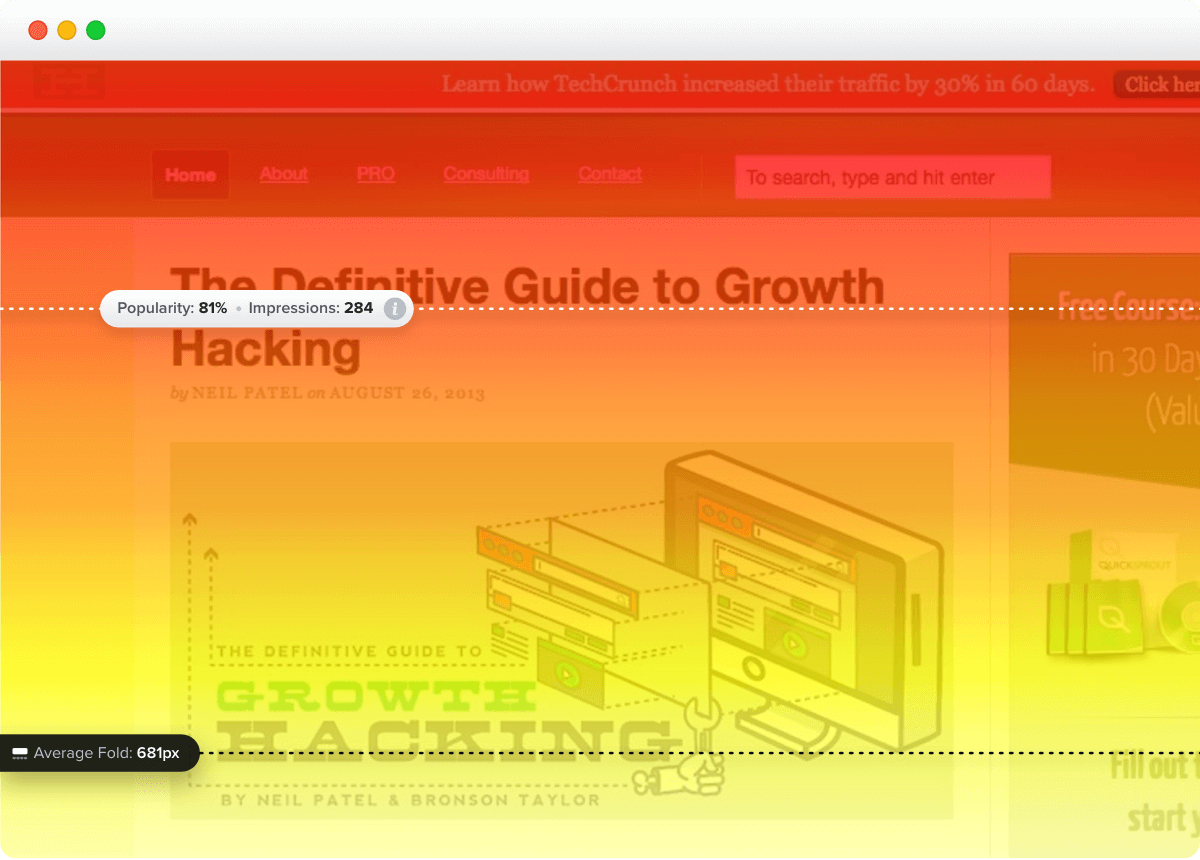
- Analyze current traffic using heatmaps to identify where users drop off.
- Define your qualification criteria (What makes a lead "sales-ready"?).
- Audit your current triggers and remove any that fire based purely on time.
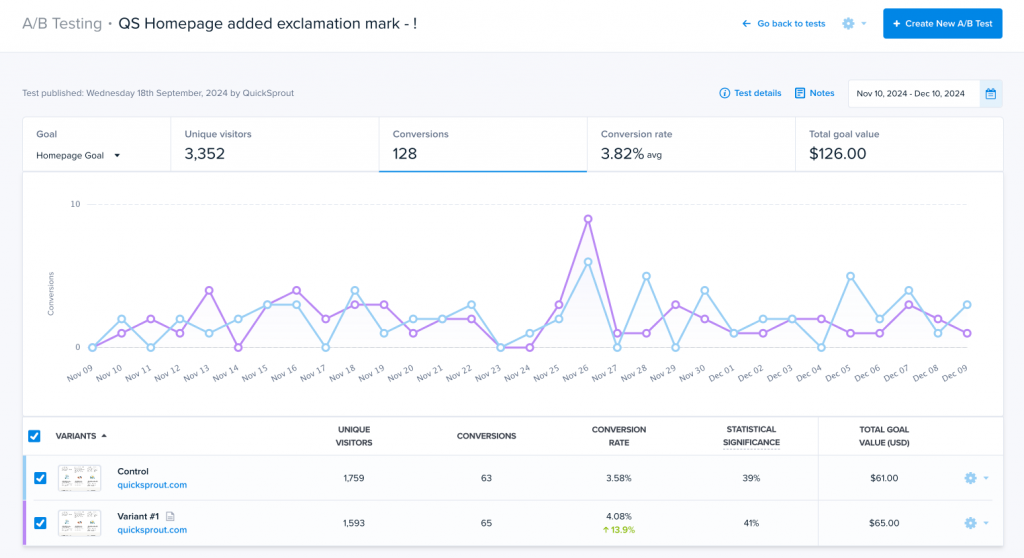
- A/B test your openers to find which phrases generate the highest response.
- Train your sales team on chat-specific closing techniques, emphasizing speed and empathy.
By moving away from static forms and embracing a behavioral, conversational strategy, businesses can convert their website from a passive brochure into an active, 24/7 revenue engine.
