
Dropshipping in 2024: Navigating the Evolution of Supply Chain Logistics with dropXL and Zendrop
The dropshipping industry is currently undergoing a radical transformation. Long gone are the days when a simple "arbitrage" model—buying a cheap product from a generic marketplace and marking it up for a quick profit—could guarantee success. As the global dropshipping market tracks toward a projected valuation exceeding $1.2 trillion by 2030, the barrier to entry has shifted from mere "access" to "value addition."
In this current climate, the difference between a failing store and a thriving brand often comes down to the reliability of the supply chain and the sophistication of the backend tools. Today, we examine two prominent players in this space: dropXL and Zendrop. While both serve the same fundamental purpose—facilitating the movement of goods from supplier to consumer—their methodologies and target demographics are starkly different.
Main Facts: Defining the Modern Dropshipping Supplier
To understand the competition between these two, one must first recognize the fundamental differences in their operational philosophies.
dropXL functions as a highly specialized, supplier-centric platform. It is effectively the dropshipping arm of the vidaXL catalog. By leveraging a centralized inventory of over 90,000 products, it provides a stable, consistent, and localized supply chain. Its model is designed for retailers who prioritize reliability, quality control, and the logistics of bulky goods like furniture and garden equipment.
Zendrop, conversely, is a broad-spectrum ecosystem. It acts as a bridge between a massive, fragmented network of suppliers and the individual entrepreneur. With over a million products and an extensive suite of AI-driven business tools, it is designed for speed, experimentation, and rapid scaling.
Core Comparison Table
| Feature | dropXL | Zendrop |
|---|---|---|
| Primary Catalog | 90,000+ vidaXL products | 1M+ products (general) |
| Best Niche | Furniture, Home, Garden, DIY | Beauty, Tech, Fashion, POD |
| Pricing Model | €30/month (Flat) | Free, Pro ($49), Plus ($79) |
| Shipping Origin | Localized (EU, USA, AU, Japan, etc.) | US 3PL, China, Supplier Network |
| Returns Support | Integrated/Direct | Supplier-dependent |
| AI Integration | Minimal | Extensive (Ads, Store, Copy) |
Chronology: The Evolution of the Dropshipping Model
The trajectory of the dropshipping industry has moved through three distinct phases.
- The Early Era (Pre-2015): Dominated by raw, unvetted marketplaces where quality was secondary to price.
- The Optimization Era (2015–2021): The rise of platforms that introduced automation, order syncing, and basic supplier vetting.
- The Brand-Building Era (2022–Present): The current phase. Platforms are now required to provide "brandable" logistics, such as custom packaging, faster domestic shipping, and AI-assisted marketing.
Zendrop emerged during the second phase, scaling rapidly by solving the "slow shipping from China" problem with US-based warehousing. dropXL, however, represents a more modern, refined approach, focusing on specific categories that require high-touch logistics, such as heavy home goods. The shift is clear: successful dropshippers are no longer just "middlemen"; they are becoming specialized retailers who rely on their suppliers to maintain the integrity of their customer promise.
Supporting Data: Why Product Fit Matters
The success of a dropshipping store is inextricably linked to the "Product-Market-Supplier" fit. Data suggests that retailers who specialize in high-ticket, durable goods (the dropXL demographic) face fewer returns and higher customer lifetime value (CLV) compared to those selling low-cost, impulse-buy gadgets (the typical Zendrop demographic).
- dropXL’s Edge: By focusing on the vidaXL catalog, dropXL eliminates the "supplier lottery." Because the stock is consistently managed by a single, large-scale entity, inventory levels are updated hourly, and pricing is adjusted daily. This stability is critical when shipping a $300 garden set versus a $5 phone case.
- Zendrop’s Edge: Zendrop’s power lies in its sheer volume and flexibility. For a merchant who has yet to find their "winning product," the ability to test 10 different niches in a month is invaluable. Zendrop’s internal data shows that its AI ad-generator tools significantly reduce the time-to-market for new entrepreneurs, allowing them to test conversion rates with minimal capital expenditure.
Official Responses and Service Architectures
When analyzing these platforms, it is important to look at how they handle "The Customer Experience Gap."
The dropXL Logistics Framework
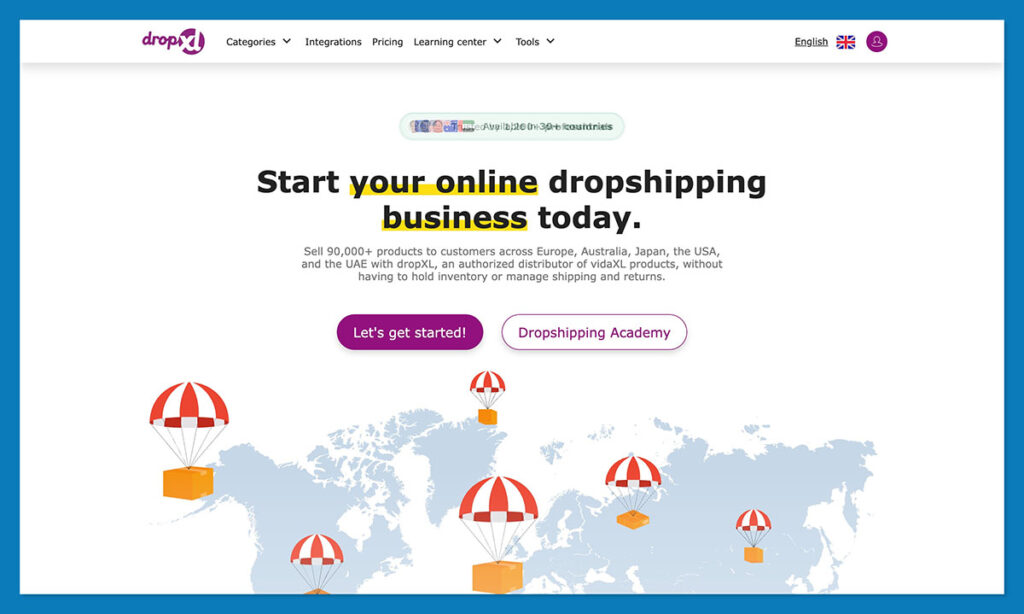
dropXL representatives emphasize that their model is built for the "serious retailer." Their infrastructure includes warehouses in over 30 countries, ensuring that a sideboard ordered in Germany or a patio heater ordered in Australia arrives from a local facility. This is the "Gold Standard" of logistics. Their official support architecture handles returns directly, which is a massive differentiator for sellers dealing with furniture, where shipping costs for returns would otherwise destroy a profit margin.
The Zendrop Ecosystem
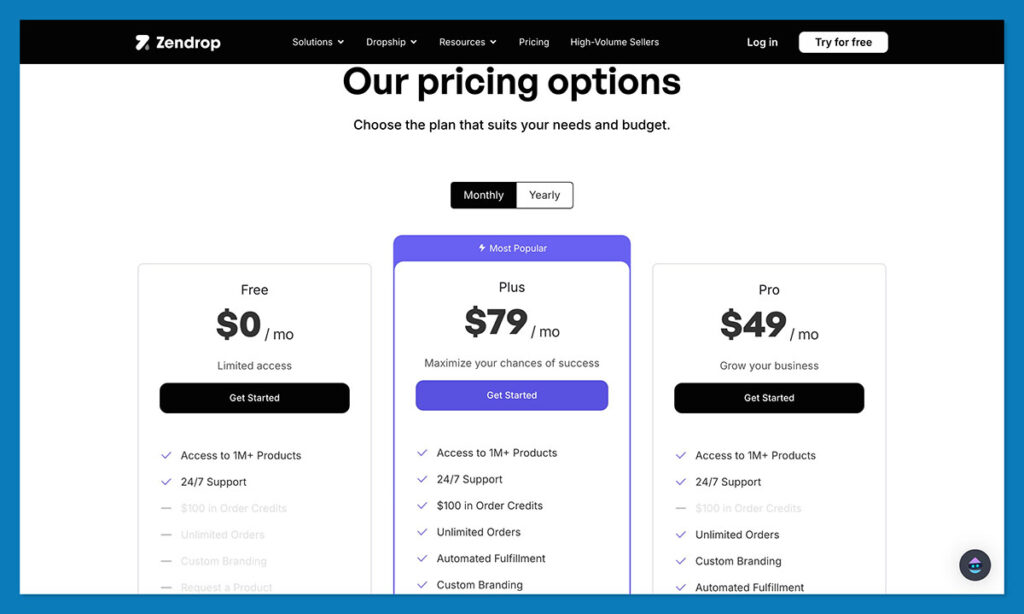
Zendrop takes a different approach. Their "Plus" tier is essentially an incubator. By offering coaching, AI-built stores, and print-on-demand services, they are not just acting as a supplier, but as a business consultant. Their official stance is one of "Empowerment via Technology." By allowing sellers to request custom products and leverage their 3PL (Third-Party Logistics) network, they are catering to the seller who wants to scale from a "hobbyist" to a "brand."
Implications for Future Entrepreneurs
If you are currently deciding between these two, consider these long-term implications for your business model:
1. The "Niche Down" Implication
If your goal is to build a long-term, sustainable brand in the home, garden, or pet furniture space, dropXL is the more logical, albeit more rigid, choice. You are buying into a system that prioritizes structural integrity and local logistics. The monthly fee of €30 is a predictable operational cost, and the lack of commission means your margins are locked in from the start.
2. The "Experimental" Implication
If you are currently in the "testing" phase—where you are analyzing trends on TikTok, looking for viral potential, or experimenting with print-on-demand clothing—Zendrop is the superior toolset. The ability to start for free allows you to experiment without the risk of heavy upfront costs. However, be aware that as you scale, the complexity of managing a broader, more fragmented supplier network on Zendrop requires more diligent customer service oversight compared to the centralized, more stable dropXL catalog.
3. The Automation Gap
We are entering an age where AI-generated content is becoming the baseline. Zendrop has leaned into this, integrating AI for ad creation and store design. For a solopreneur who is not a designer or a copywriter, these tools provide an immediate competitive advantage. dropXL is less focused on the marketing side, assuming that the retailer is a professional merchant who already has their own marketing strategy in place.
Final Synthesis: Which path should you take?
The modern dropshipper must choose between Depth and Breadth.
- Choose dropXL if: You value consistency, you are targeting a specific niche (Home/Garden), and you want to offer your customers a "premium" experience with fast, local shipping and a clear return policy. It is a "set it and forget it" solution for serious, focused entrepreneurs.
- Choose Zendrop if: You are an agile marketer. If your business model relies on spotting trends, launching stores quickly, testing ad creatives, and iterating based on real-time data, Zendrop’s ecosystem of AI tools and massive product variety will act as a force multiplier for your efforts.
Ultimately, the market is no longer about finding a "secret supplier." It is about finding a partner that aligns with your operational capabilities. Whether you choose the stability of dropXL or the versatility of Zendrop, success in 2024 and beyond will be determined by your ability to integrate these tools into a cohesive, high-quality customer experience. The tools are ready; the question is, what kind of brand are you going to build?
