
The Modern Dropshipper’s Dilemma: Choosing Between dropXL and Zendrop in a $1.2 Trillion Market
The landscape of ecommerce is shifting. For years, the "get rich quick" narrative surrounding dropshipping—characterized by low-quality goods, long shipping times, and thin margins—has dominated the conversation. However, as the global dropshipping market barrels toward a projected valuation of over $1.2 trillion by 2030, the rules of the game have fundamentally changed. Today’s consumers are more discerning, and the "arbitrage" model of simply marking up cheap goods is failing.
To survive in this crowded, high-stakes environment, dropshippers must pivot toward brand building, superior logistics, and high-value product niches. Choosing the right supply chain partner is no longer just a logistical decision; it is a strategic one. In this comprehensive analysis, we compare two industry titans: dropXL and Zendrop.
Main Facts: The Changing Face of Dropshipping
The core challenge for any modern dropshipper is differentiation. In a market where anyone can launch a store with a few clicks, the winners are those who offer something the competition cannot—be it lightning-fast shipping, high-quality furniture, or AI-driven marketing efficiency.
What is dropXL?
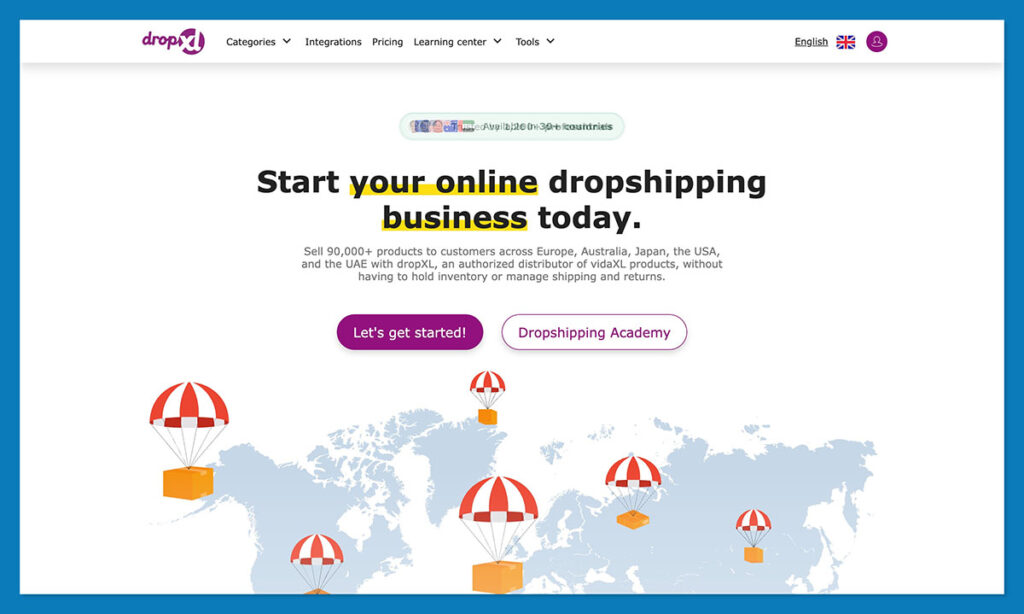
dropXL is a specialized supplier-integrated platform anchored by the massive vidaXL catalog. With over 130,000 products, it functions as a "pure-play" supplier model. It is designed for merchants who want to build a serious, long-term brand in the home, garden, and furniture space. By leveraging local warehouses across Europe, the USA, Australia, Japan, and the UAE, dropXL removes the "long-haul" pain associated with traditional overseas shipping.
What is Zendrop?
Zendrop is a comprehensive ecosystem designed for the modern "entrepreneur-in-motion." It offers more than just products; it provides a suite of tools for store building, advertising, and sourcing. With over a million products and an infrastructure that supports print-on-demand (POD) and AI-automated workflows, it is built for testing, pivoting, and scaling businesses at high velocity.
Chronology: The Evolution of the Supplier Model
The dropshipping industry has matured in three distinct waves:
- The Wild West (2010–2016): Characterized by direct-from-China shipping, poor tracking, and "winning product" hunting on social media.
- The Quality Pivot (2017–2022): The rise of specialized platforms that began enforcing stricter supplier vetting and offering faster, localized shipping options.
- The Ecosystem Era (2023–Present): The current landscape, where platforms like Zendrop and dropXL offer "all-in-one" solutions. Zendrop leads the charge in AI-driven store building and automated marketing, while dropXL focuses on the stability of a single, highly reliable global supply chain.
Supporting Data: Feature Comparison
| Feature | dropXL | Zendrop |
|---|---|---|
| Primary Focus | Furniture, Home, Garden, Outdoors | Beauty, Tech, Fashion, General, POD |
| Catalog Size | 90,000+ (vidaXL) | 1,000,000+ |
| Warehousing | Global (USA, EU, AU, JP, UAE) | US 3PL, China, Supplier Network |
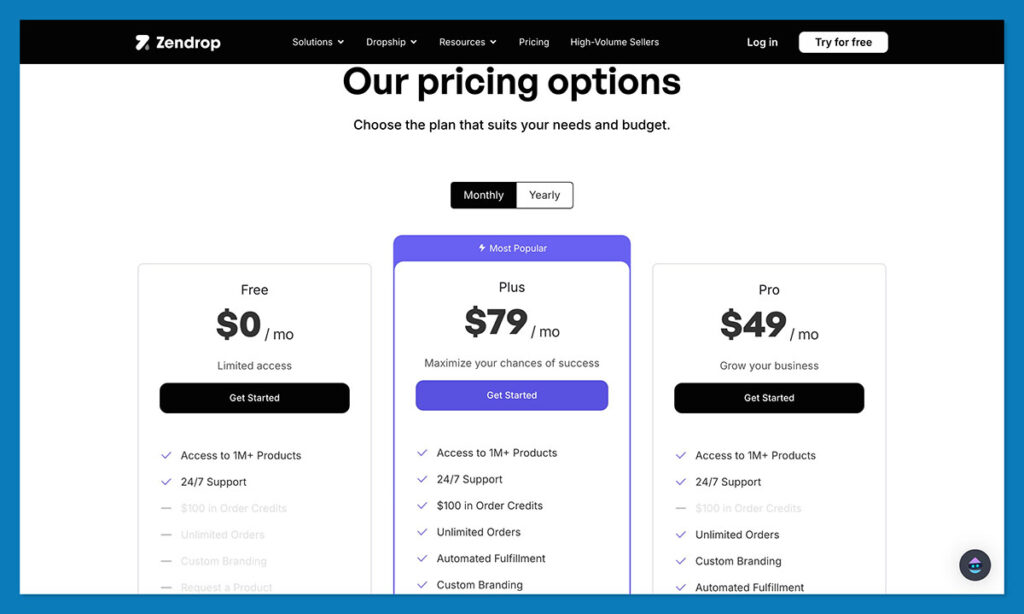
| Pricing Model | Flat ~€30/mo | Free, Pro ($49), Plus ($79) |
| AI Integration | Minimal | Extensive (Ads, Store Builder, AI) |
| Returns Support | Integrated/Direct | Supplier-dependent |
Deep Dive: Product Range and Quality
The Case for dropXL’s Niche Dominance
If your business strategy revolves around high-ticket items like solid-wood sideboards, garden lounge sets, or high-end pet furniture, the catalog consistency of dropXL is unmatched. Because the products are sourced directly from vidaXL, the quality control is significantly tighter than on general marketplaces. You aren’t just selling "stuff"; you are selling durable goods. The logistical advantage here is the "Return-as-a-Service" feature, which is critical when shipping bulky items that are prone to transit issues.
The Case for Zendrop’s Broad Versatility
Zendrop operates on a "volume-and-test" philosophy. With over a million items, it is the perfect sandbox for a merchant who hasn’t found their "winning" niche yet. Whether you are launching a boutique store for beauty oils, selling custom-printed hoodies via their print-on-demand service, or testing trending tech gadgets, Zendrop provides the inventory to support a rapid testing cycle. The ability to request custom quotes for products not in the main catalog provides a safety net for merchants ready to scale a proven product.
Official Perspectives: How They Support Sellers
Zendrop’s "Hand-Held" Approach
Zendrop has positioned itself as an educational hub. Their "Zendrop Academy" and live weekly coaching sessions serve as a bridge for beginners. Their official stance is that success is not just about the product, but the ability to market it. By integrating AI video ad creators and AI-built Shopify stores, they are effectively lowering the barrier to entry for non-technical founders.
dropXL’s "Infrastructure-First" Approach
dropXL focuses on backend stability. Their official communication emphasizes API efficiency, .csv/.xml feed synchronization, and real-time inventory updates. They cater to the "professional" merchant—someone who has already built a store and needs a reliable pipeline that won’t break during peak seasons. Their support is geared toward order processing, shipping logistics, and managing the complexities of global taxation and duties.
Implications for the Future of Ecommerce
The Death of the "Cheap Margin"
The data suggests that the era of selling a $2.00 item for $20.00 is ending. Consumers are increasingly using tools to compare prices globally. As a result, both dropXL and Zendrop are pushing their users toward brand value.
- dropXL users are encouraged to build brands based on home aesthetics and reliability.
- Zendrop users are encouraged to build brands based on lifestyle, trends, and rapid community engagement.
The Rise of Automation
The integration of AI (as seen in Zendrop’s ecosystem) and advanced API feeds (as seen in dropXL) implies that the "manual" dropshipper is becoming obsolete. Merchants who fail to leverage these automated tools to manage stock levels and dynamic pricing will likely find themselves unable to compete with the speed of the market.
Final Verdict: Which Path Should You Choose?
Choose dropXL if:
- You have a defined niche: You are focused on home, garden, or outdoor furniture.
- You prioritize reliability: You want to minimize customer complaints regarding returns and shipping times.
- You are a pro-level operator: You prefer a stable API-led integration and don’t need "AI hand-holding" to run your ads.
- You want predictable costs: You prefer a flat monthly subscription with no hidden commission-based surprises.
Choose Zendrop if:
- You are an experimental entrepreneur: You are still testing niches and need access to a vast, rotating catalog.
- You want an "all-in-one" tech stack: You need built-in AI ads, store builders, and print-on-demand services.
- You are a beginner: You value 24/7 support and educational coaching to help you navigate your first sale.
- You want to start at zero cost: You prefer a platform that lets you test the waters with a free plan before committing to a monthly subscription.
The Bottom Line
There is no "better" platform, only the one that aligns with your current business lifecycle. If you are building a boutique brand that you want to stand the test of time, dropXL is the logistical partner that will help you build trust. If you are an agile marketer looking to capitalize on trends and leverage the latest AI tools to scale rapidly, Zendrop offers the infrastructure to keep your business moving at the speed of social media.
As we move toward 2030, the most successful dropshippers will be those who stop viewing themselves as "resellers" and start viewing themselves as "brand managers." Whether you choose the stability of dropXL or the versatility of Zendrop, your success will ultimately depend on how well you leverage the tools they provide to solve real problems for your customers.
