

The Half-Decade Mark: Grading the "Martech 2030" Vision
As the calendar turns to 2026, we find ourselves at a critical juncture—the statistical halftime of the vision laid out in the seminal 2021 report, Martech 2030. Authored by Scott Brinker and Jason Baldwin, the report promised a bold roadmap for what they termed "The Decade of the Augmented Marketer."
Five years later, the landscape of marketing technology has undergone a metamorphosis that has fundamentally rewritten the rules of engagement. By subjecting these initial predictions to the scrutiny of the industry’s leading AI models—ChatGPT, Claude, and Gemini—we can now assess not just the accuracy of these forecasts, but the profound shift in the relationship between humans, machines, and the digital marketplace.
Main Facts: The Five Pillars of 2030
The Martech 2030 report was built on five core pillars, intended to serve as the structural framework for the evolution of the marketing function:
- "No Code" Citizen Creators: The democratization of software creation through intuitive, non-technical interfaces.
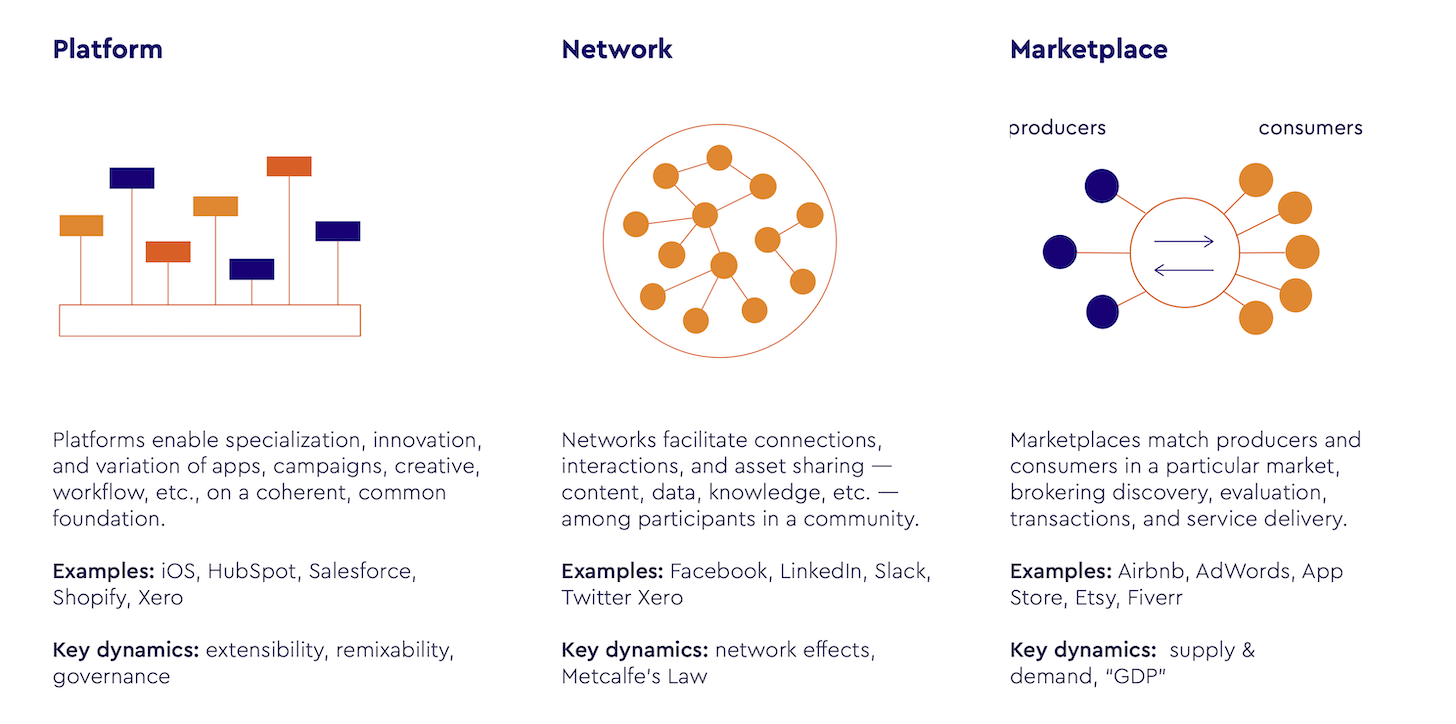
- Platforms, Networks, and Marketplaces: A shift from linear, rigid value chains toward interconnected, ecosystem-driven business models.
- The Great App Explosion: A move beyond the "martech stack" into a "hypertail" of custom, hyper-specialized applications.
- From Big Data to Big Ops: The transition from simply storing massive datasets to orchestrating thousands of automated, AI-driven processes.
- Harmonizing Humans and Machines: A new paradigm where AI augmentation enhances, rather than replaces, human creativity and strategic intent.
A Chronology of Disruption: From Prediction to Reality
To understand how far we have come, we must look at the timeline of the last half-decade.
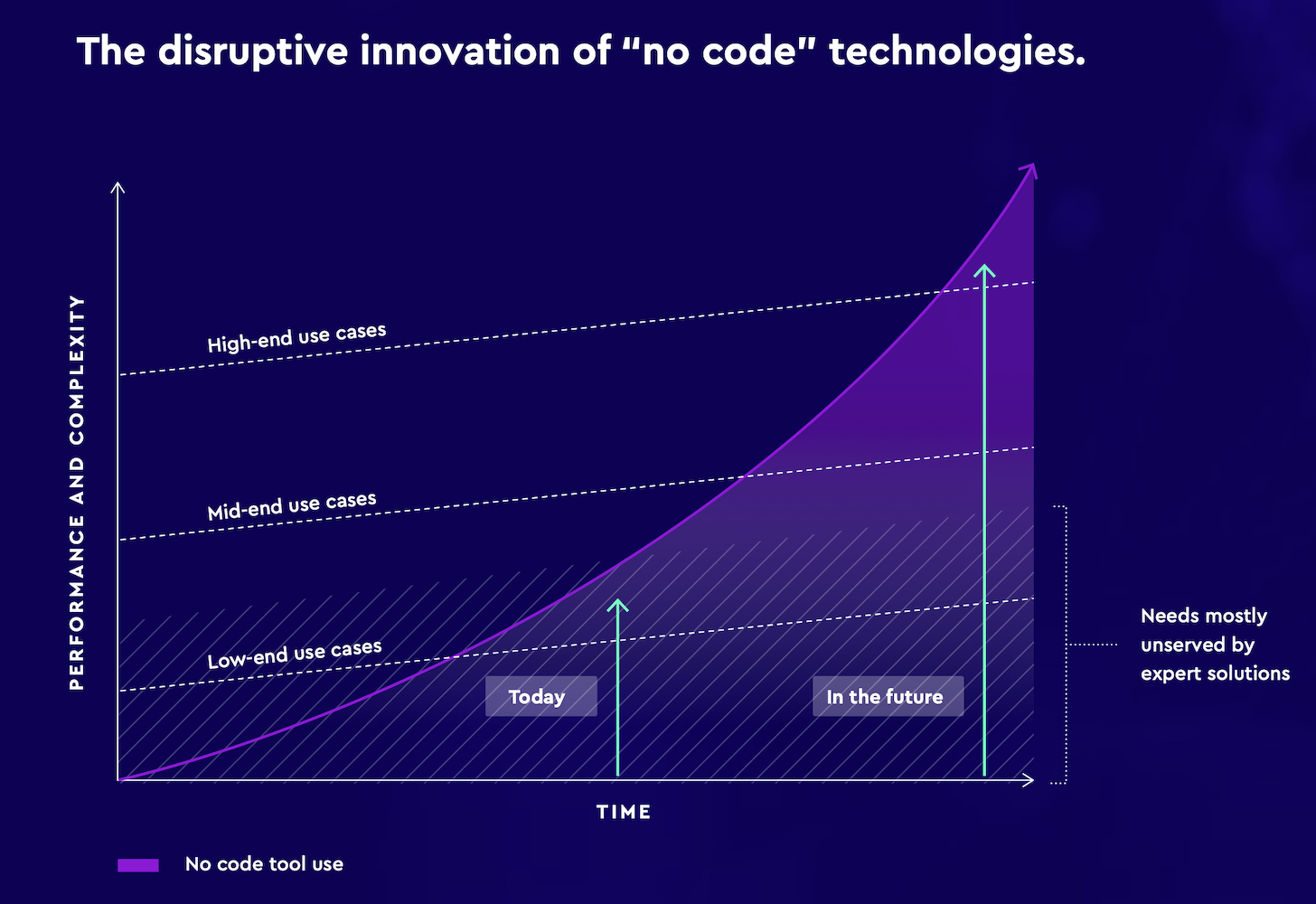
- 2021: Martech 2030 is published. The industry remains tethered to the "suite vs. best-of-breed" debate, and "no-code" is still largely viewed through the lens of drag-and-drop builders like Zapier and Airtable.
- Late 2022: The generative AI explosion occurs. This was the "black swan" event that Brinker and Baldwin did not fully anticipate in its magnitude, acting as a force multiplier for every one of their predictions.
- 2025: The "Summer of Vibes." The emergence of "vibe coding"—a term coined by Andrej Karpathy—marks a shift where English, not syntax, becomes the primary programming language.
- 2026: We enter the second half of the decade. The focus has shifted from the tools themselves to the orchestration of agentic workflows.
Supporting Data: The Exponential Growth of Complexity
The sheer scale of the martech ecosystem serves as the primary evidence for the "Great App Explosion." When the 2020 landscape was released, it contained roughly 8,000 solutions—a number many pundits deemed "peak martech." Yet, the 2025 landscape reports a staggering 15,384 commercial solutions.
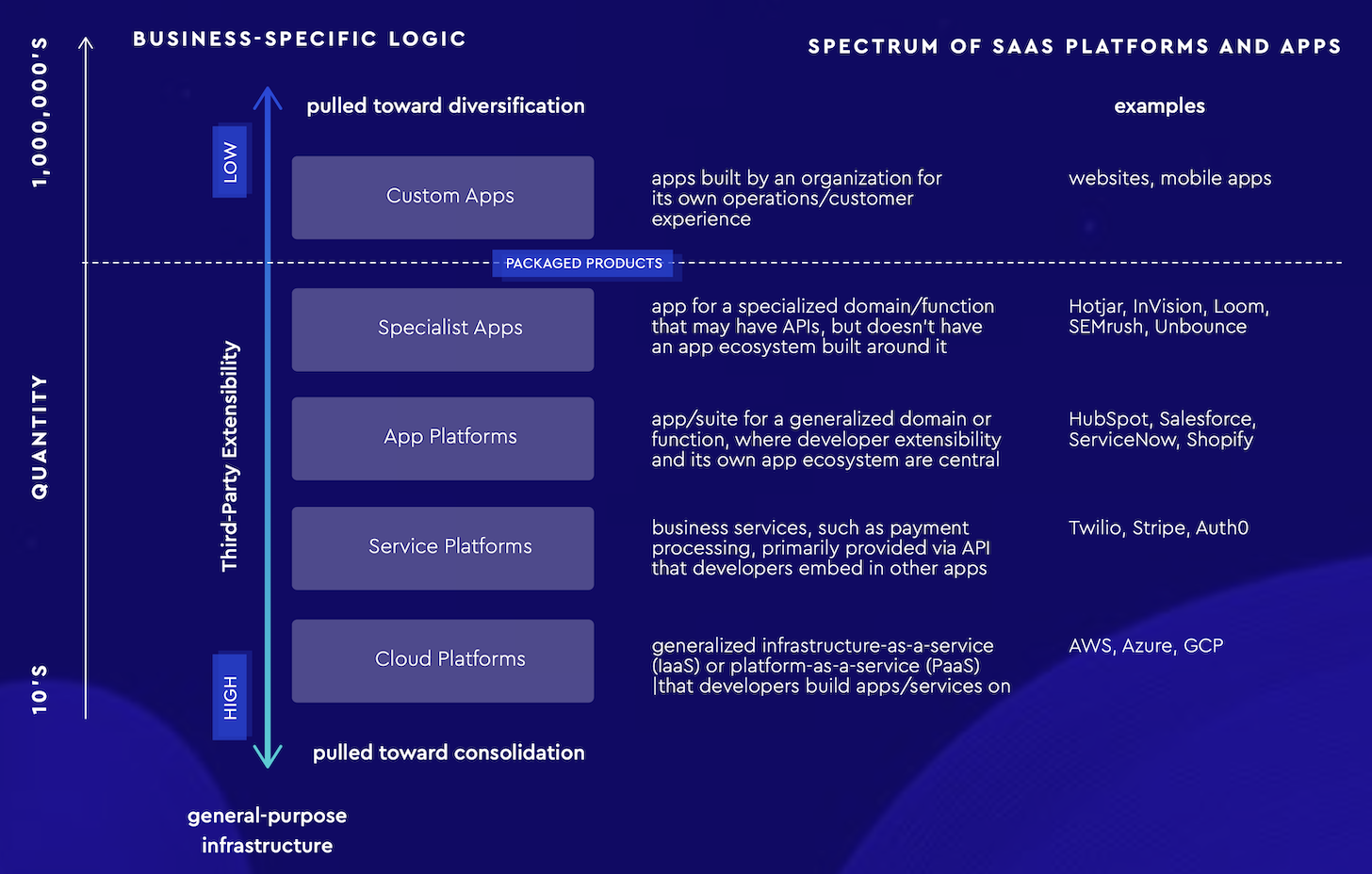
This growth isn’t a sign of inefficiency; it is a sign of structural evolution. The consolidation of hyperscaler cloud infrastructure (AWS, Google, Microsoft) has created a foundation upon which a massive, specialized "long tail" of applications is built. Moreover, the transaction volume flowing through these digital marketplaces—now estimated at $45 billion annually for enterprise software—validates the shift toward platform-based, decentralized growth.
Official Assessments: AI Grades the Visionaries
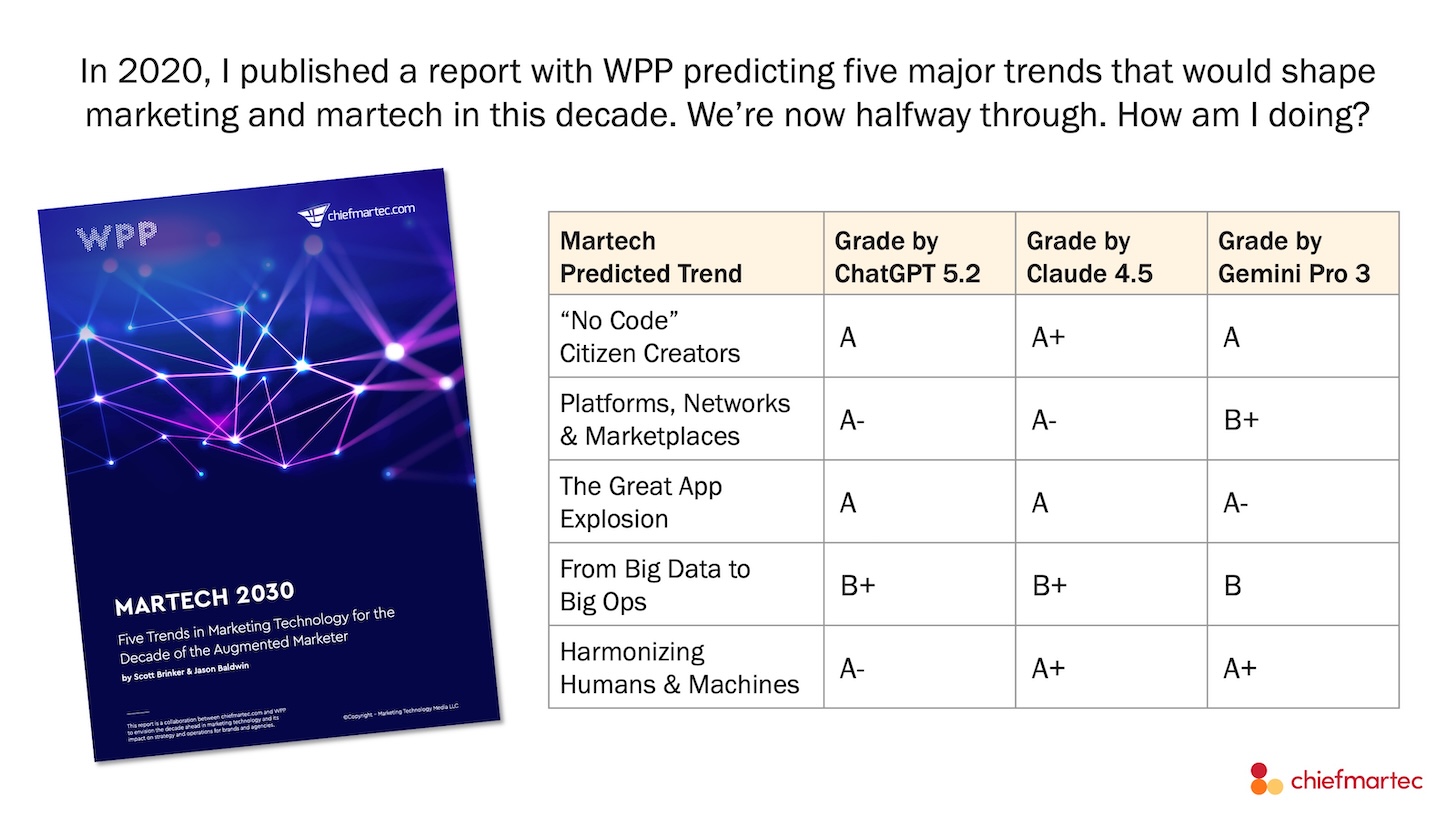
In an unprecedented meta-analysis, Scott Brinker asked the primary AI engines to grade the Martech 2030 report. The results were largely favorable, with "Harmonizing Humans and Machines" receiving an A+ from both Claude and Gemini.
The consensus among these models is that while the terminology used in 2021 was theoretical, the underlying mechanics have proven highly accurate. For instance, the prediction of "Bot Commerce" has evolved into "Agentic Commerce," and "SEO" has effectively morphed into "AEO" (AI Engine Optimization). While the labels have changed to match the rapid advancements of 2025, the core principles remain the bedrock of modern marketing strategy.
Implications for the Modern CMO
The implications of these trends are far-reaching, particularly regarding the concept of "Big Ops." If the 2010s were about the accumulation of data, the 2020s are defined by the struggle to manage that data’s activation.
The Rise of the "Hypertail"
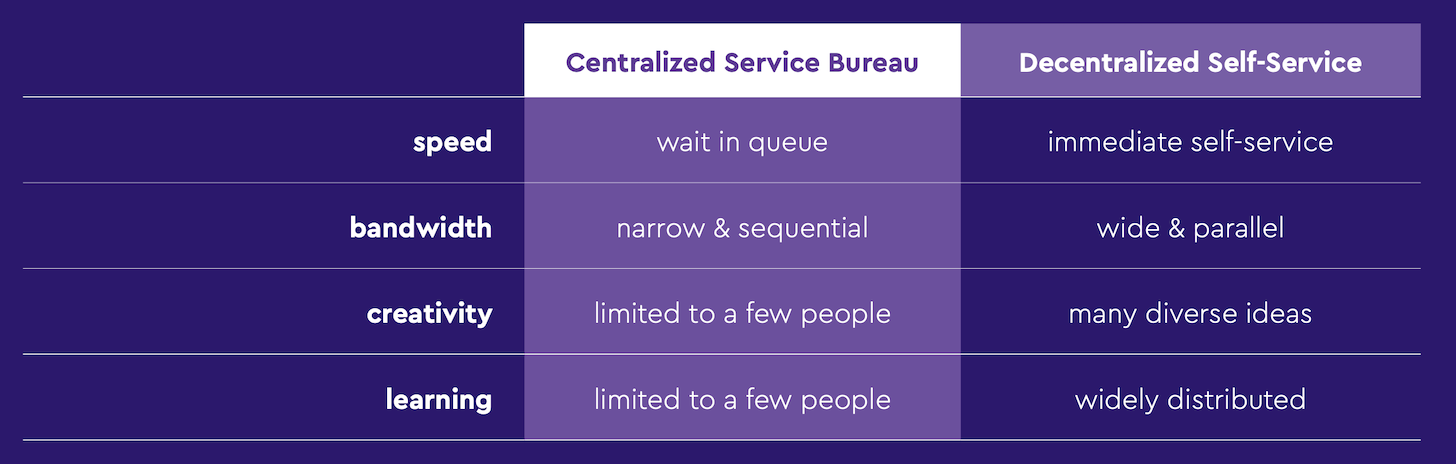
Organizations are no longer just buying software; they are building it. The "hypertail"—a vast, custom-built layer of martech unique to an organization’s internal operations—is becoming the true source of competitive advantage. Teams that can leverage AI to build, iterate, and deploy these custom agents are seeing a level of speed and creativity previously reserved for the world’s largest tech conglomerates.
The Governance Gap
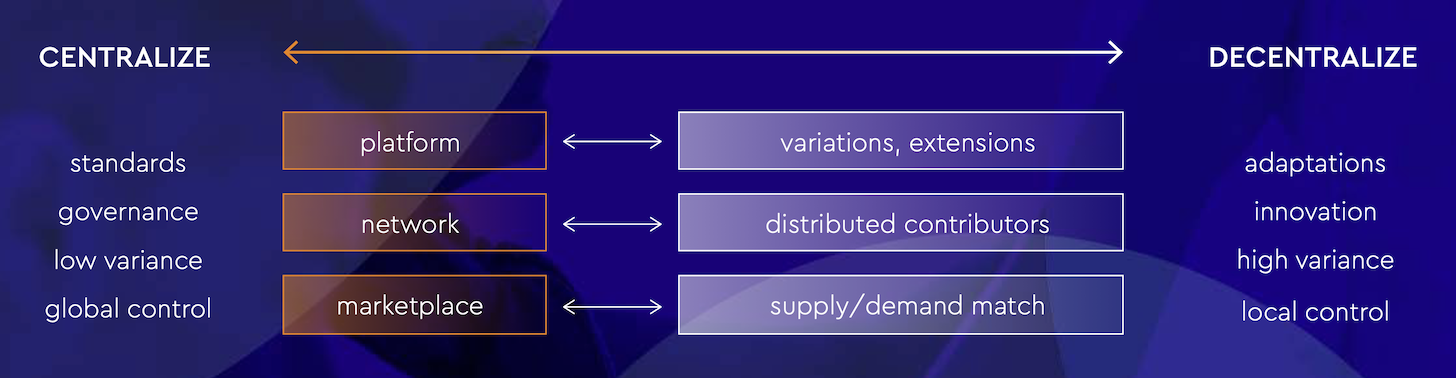
The primary friction point remains governance. While "no-code" and "vibe coding" empower marketers to build at the speed of thought, they also create a "Wild West" of digital assets. The industry is currently in a race to implement guardrails that maintain brand consistency and compliance without stifling the creative decentralization that these new tools provide.
The "Orchestration War"
As we look toward 2030, the most significant battleground will be the "Orchestration Wars." Platforms like Snowflake and Databricks are emerging as the new nerve centers, competing with legacy martech giants like Adobe and Salesforce to provide the "decisioning" layer for the entire organization. The ability to harmonize these heterogeneous stacks into a single, cohesive operational heartbeat will determine the winners of the next five years.
Conclusion: The Long-Term Arc
Amara’s Law suggests that we consistently overestimate the short-term impact of new technologies while underestimating their long-term effects. The Martech 2030 report is a testament to this principle. By focusing on the long-term arc, Brinker and Baldwin were able to look past the "noise" of the latest shiny object to identify the structural shifts in how business is transacted and how value is created.
The "harmonization of humans and machines" is no longer a visionary goal; it is an operational requirement. As we head into the second half of this decade, the pace is only quickening. If the first five years were about discovering the potential of these trends, the final five will be about mastering their execution. The "Decade of the Augmented Marketer" has only just begun to show its true power. One thing is certain: by 2030, the marketing function will look nothing like the one that existed when this report was first penned. The tools have changed, the language has evolved, but the mission—to connect, to create, and to convert—remains as vital as ever.
