
The Growth Marketer’s New Superpower: Why Python is Replacing Excel in the Age of Data
In the modern digital landscape, growth marketing is no longer just about creative messaging or intuition-led strategy. It has evolved into a discipline defined by the rapid synthesis of data, the precision of behavioral analytics, and the speed of experimentation. As datasets swell in size and complexity, the limitations of traditional spreadsheet software like Excel have become a bottleneck for teams aiming to scale.
Enter Python: the high-level programming language that is rapidly becoming the essential toolkit for growth marketers. By bridging the gap between raw data and actionable insight, Python allows marketers to move beyond manual reporting into the realm of automated, predictive, and scalable growth strategies.

The Shift from Spreadsheets to Scripts
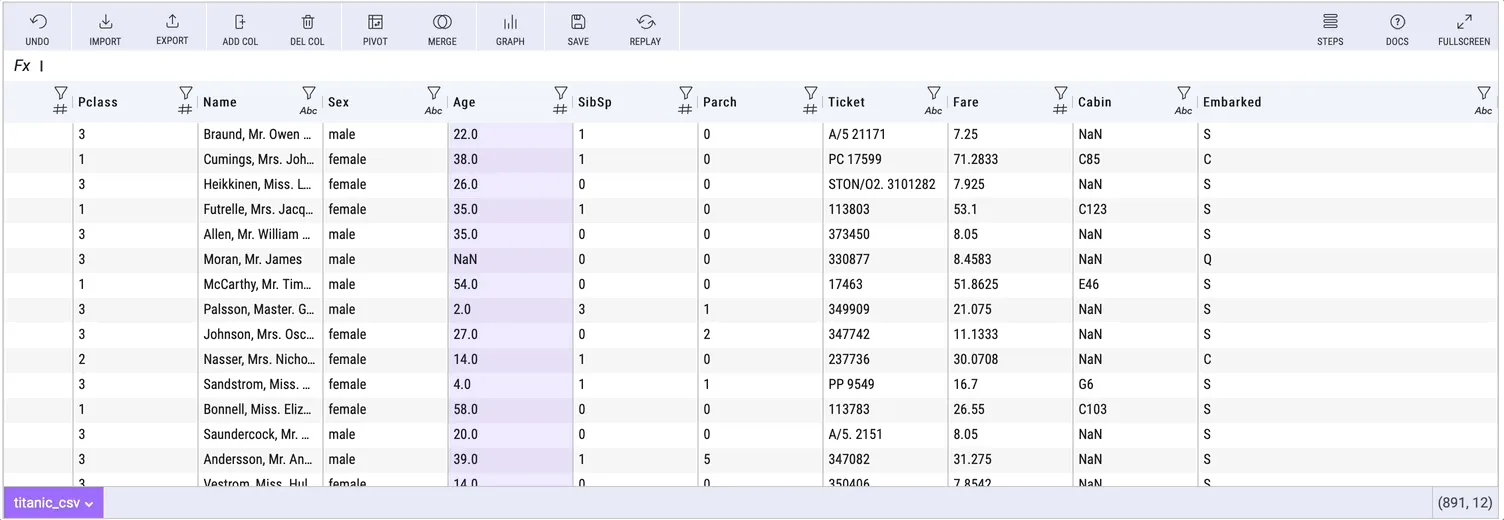
Historically, marketing teams relied on Excel or Google Sheets to organize campaign performance, track KPIs, and forecast trends. While accessible, these tools suffer from significant limitations: they struggle with massive datasets, require tedious manual updates, and are prone to human error when handling complex formulas.
Python, by contrast, offers a robust, scalable environment. It is not merely a coding language; it is a versatile ecosystem. From a data science perspective, Python is the industry standard. This common ground allows marketing teams to speak the same language as their data engineering and technical product counterparts, fostering a more collaborative, cross-functional approach to growth.
As Alistair Allan, a prominent voice in the growth space, notes: “Growth is the crossover of data, analytics, and testing. You can do all of that stuff manually, or you can try and figure out how to automate it—to make decisions without having a human in the loop. Python is a way to save time, it’s a way to connect the dots between disparate systems, and it’s a way to get out of Excel spreadsheets and huge, fragile formulas.”
Why Python Reigns Supreme
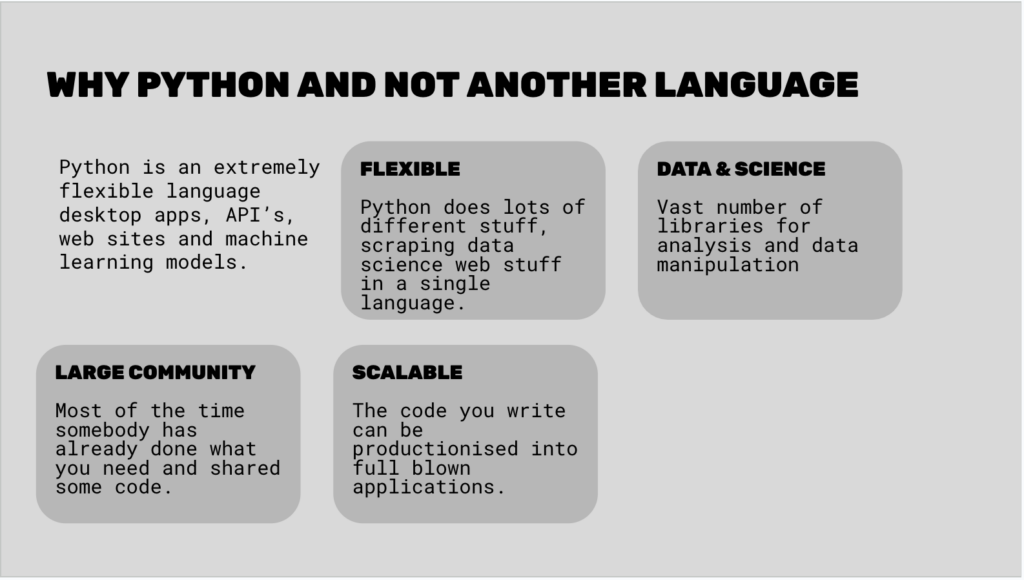
For growth marketers evaluating their technical stack, the question often arises: Why Python and not another language? The answer lies in three key pillars: flexibility, community, and scalability.
- Unrivaled Flexibility: Python is a "glue" language. It can be used to build full-stack web applications, automate simple email workflows, or run sophisticated machine learning scripts.
- The Power of Community: Python boasts one of the largest developer communities in the world. Whatever challenge a marketer faces—be it integrating a new API or performing a complex regression analysis—it is almost certain that someone else has already solved it and shared the solution via open-source libraries.
- Scalability: A manual report created in Excel is static. A script written in Python is dynamic, repeatable, and capable of being integrated into a company’s automated pipeline, allowing it to scale from a single project to enterprise-level operations.
Core Pillars of Python in Marketing Operations
The adoption of Python transforms the daily workflow of a growth marketer by automating the "drudgery" and elevating the "strategy."
1. Advanced Automation and API Integration
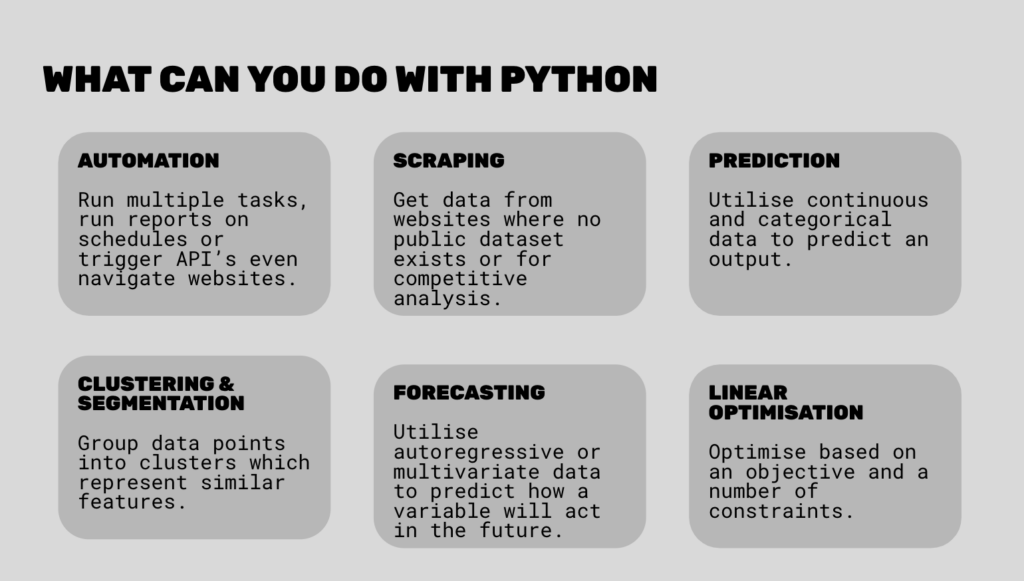
Growth marketers spend an inordinate amount of time pulling data from various silos: Google Analytics, Facebook Ads, LinkedIn, and CRM platforms. Python’s ability to interact with APIs allows for the seamless aggregation of this data. Scripts can be written to trigger specific actions—such as pausing an underperforming ad campaign or shifting budget between channels—based on real-time performance thresholds, effectively removing the need for manual intervention.
2. Intelligent Web Scraping
In an era where market intelligence is a competitive advantage, web scraping allows marketers to gather public data sets, monitor competitor pricing, or track industry trends without visiting hundreds of websites manually. Python libraries like BeautifulSoup and Scrapy enable the automated retrieval and cleaning of this data, transforming raw HTML into structured, decision-ready information.
3. Predictive Modeling and Forecasting
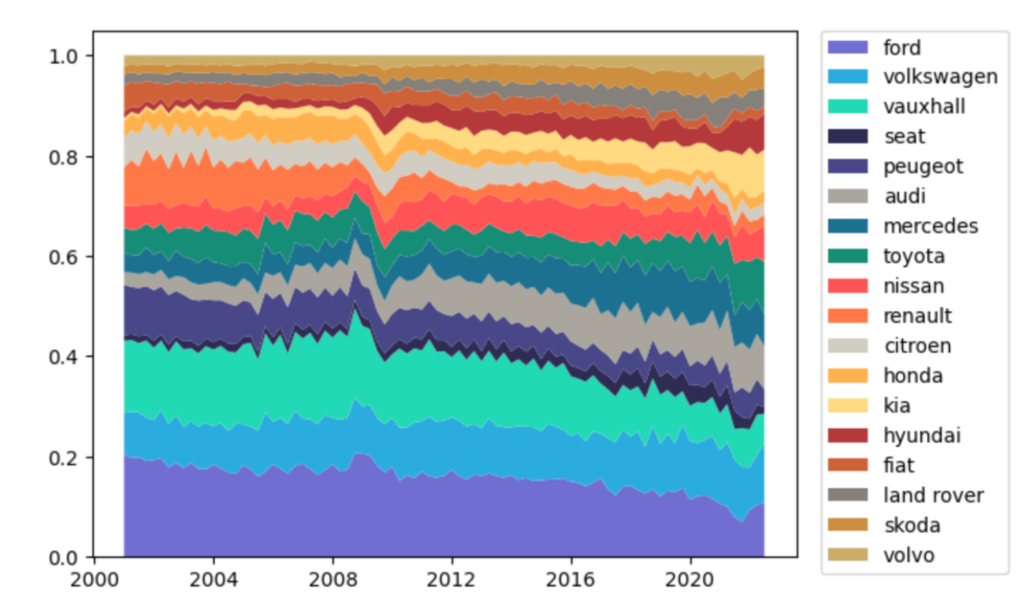
Using libraries like Prophet (developed by Meta), marketers can move beyond simple historical reporting to future-state forecasting. By feeding historical campaign performance and seasonal trends into predictive models, teams can better anticipate customer churn, predict lifetime value (LTV), and forecast future ad spend requirements with greater accuracy than traditional linear trendlines.
4. Clustering and Segmentation
The "one-size-fits-all" approach to marketing is obsolete. Python enables sophisticated customer segmentation through clustering algorithms (such as K-Means). By analyzing thousands of data points regarding user behavior, demographics, and purchase history, marketers can create hyper-personalized segments, ensuring that ad spend is directed toward the most profitable and relevant audiences.
5. Linear Optimization and Budget Allocation
Marketing budget allocation is essentially a complex mathematical puzzle. How do you distribute limited resources across dozens of channels to maximize ROI? Python’s linear optimization libraries allow marketers to define their constraints (e.g., total budget, minimum and maximum spend per channel) and their objectives (e.g., maximum conversion volume), allowing the code to calculate the mathematically "perfect" spend distribution.
Implications for the Future of Marketing
The implications of this shift are profound. As marketers become more proficient in Python, the divide between "marketing" and "engineering" continues to shrink. This creates a new breed of professional: the "Growth Engineer."
This professional does not just optimize a landing page; they build the infrastructure that allows the landing page to optimize itself through A/B testing and algorithmic content delivery. Organizations that adopt this technical mindset are finding they can move faster, experiment more frequently, and make decisions backed by rigorous statistical analysis rather than gut feeling.
Getting Started: The Low-Code Path
The common perception is that learning Python requires a Computer Science degree. In reality, the barrier to entry has never been lower. For those looking to transition from spreadsheets to code, the journey should begin with tools that prioritize ease of use and immediate feedback.
Google Colab: The Sandbox for Marketers
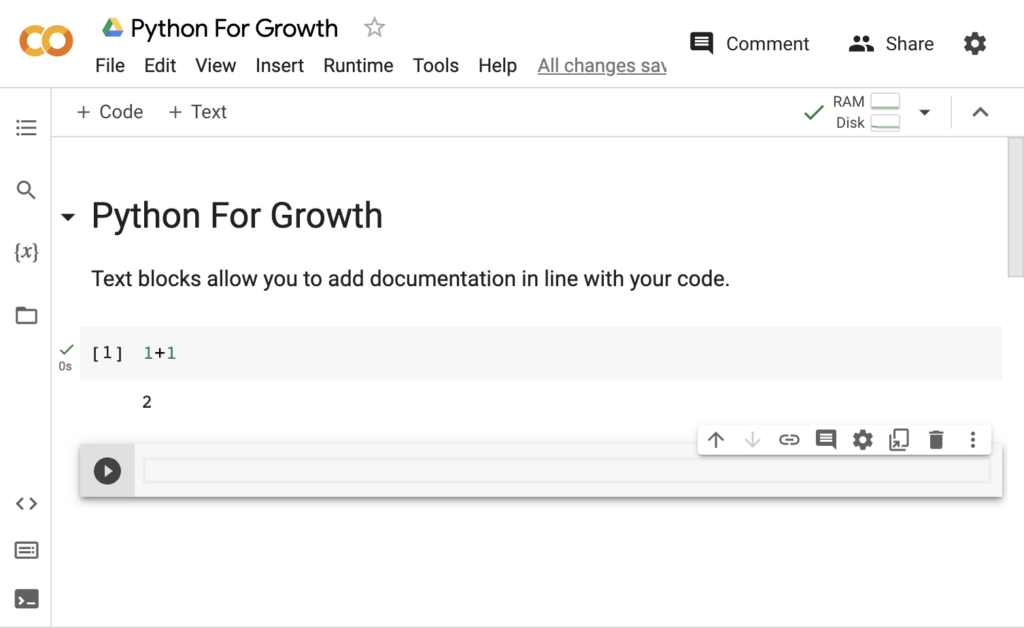
Google Colab is arguably the most accessible entry point. It is a cloud-based environment that requires no installation. It operates similarly to a Google Doc, allowing users to combine text documentation with "executable" code blocks. This makes it an ideal environment for learning, documenting, and sharing experiments.
Visual Python and AI-Assisted Coding
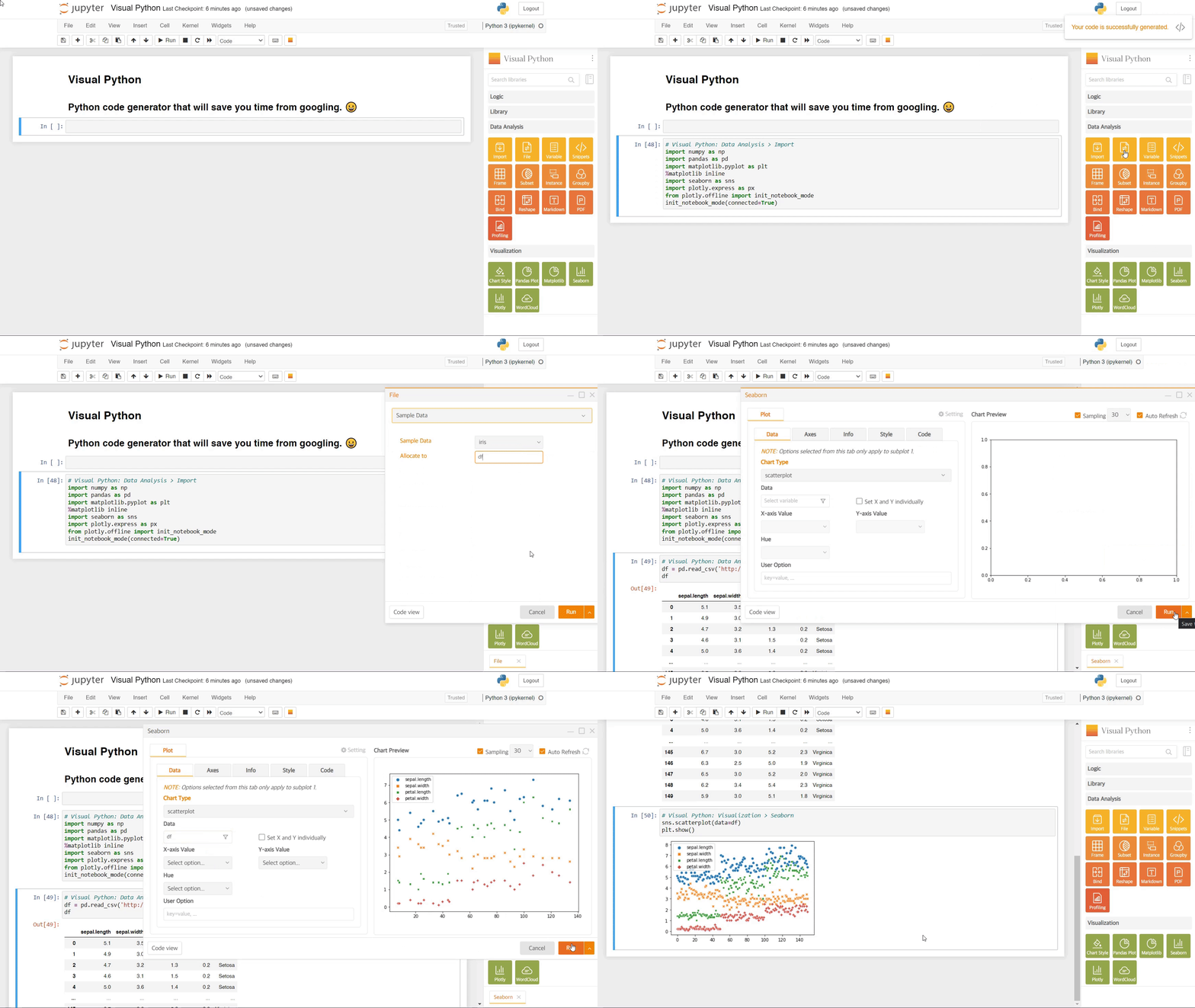
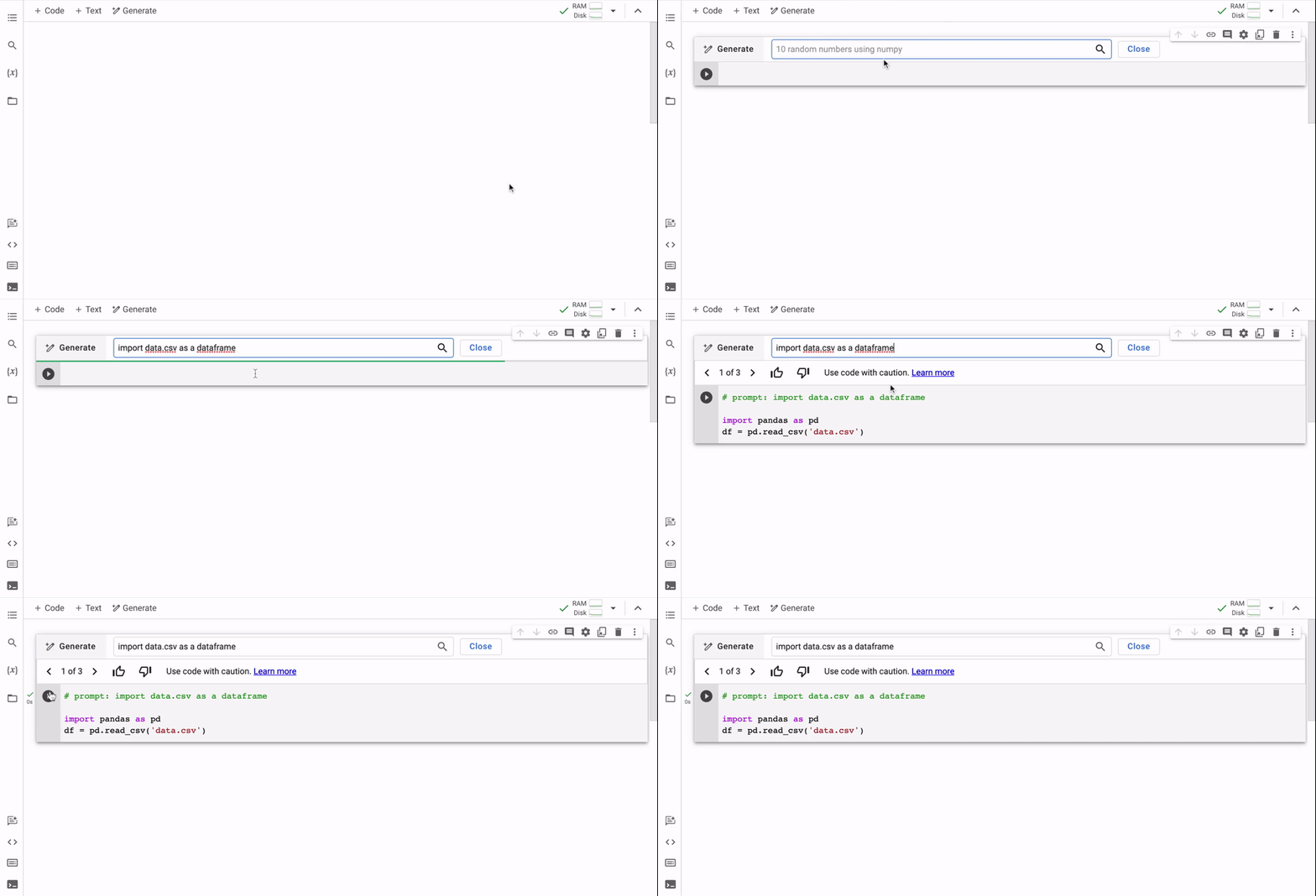
For beginners, the prospect of syntax errors can be daunting. "Visual Python" is a Google Colab add-on that provides a GUI for common coding tasks, allowing users to generate code blocks by selecting options from a menu rather than typing from scratch. Furthermore, the advent of AI-coding assistants—leveraging advanced models like Google’s family of code generators—means that marketers can describe what they want to achieve in plain English and have the code written for them, significantly flattening the learning curve.
The Role of Libraries
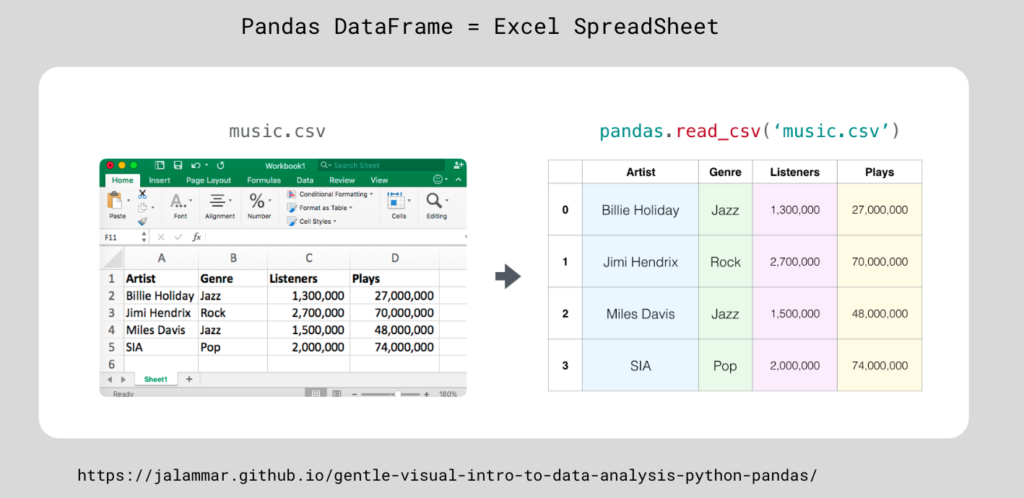
The true power of Python lies in its libraries. Libraries like pandas for data manipulation, Matplotlib and Seaborn for data visualization, and scikit-learn for machine learning provide "pre-built" complex functionalities. A marketer does not need to know how to build a clustering algorithm from scratch; they simply need to know how to import the right library and pass their data through it.
Conclusion: A Call to Action
The transition from Excel to Python is not just a change in software; it is a change in mindset. It represents a move away from passive observation toward active, data-driven orchestration. While the learning curve may seem steep, the investment in coding literacy pays dividends in time saved, insights gained, and revenue generated.
For the modern growth marketer, Python is no longer an optional "nice-to-have" skill. It is an indispensable tool for navigating an increasingly complex, data-saturated world. By starting small—perhaps by automating a single report or running a simple segmentation analysis—marketers can begin their journey toward becoming more efficient, more analytical, and significantly more effective at driving growth. The tools are available, the community is vast, and the opportunity is waiting. It is time to start coding your own growth.
