

The Ghost in the Machine: Navigating the Perils of Unattended AI in Martech
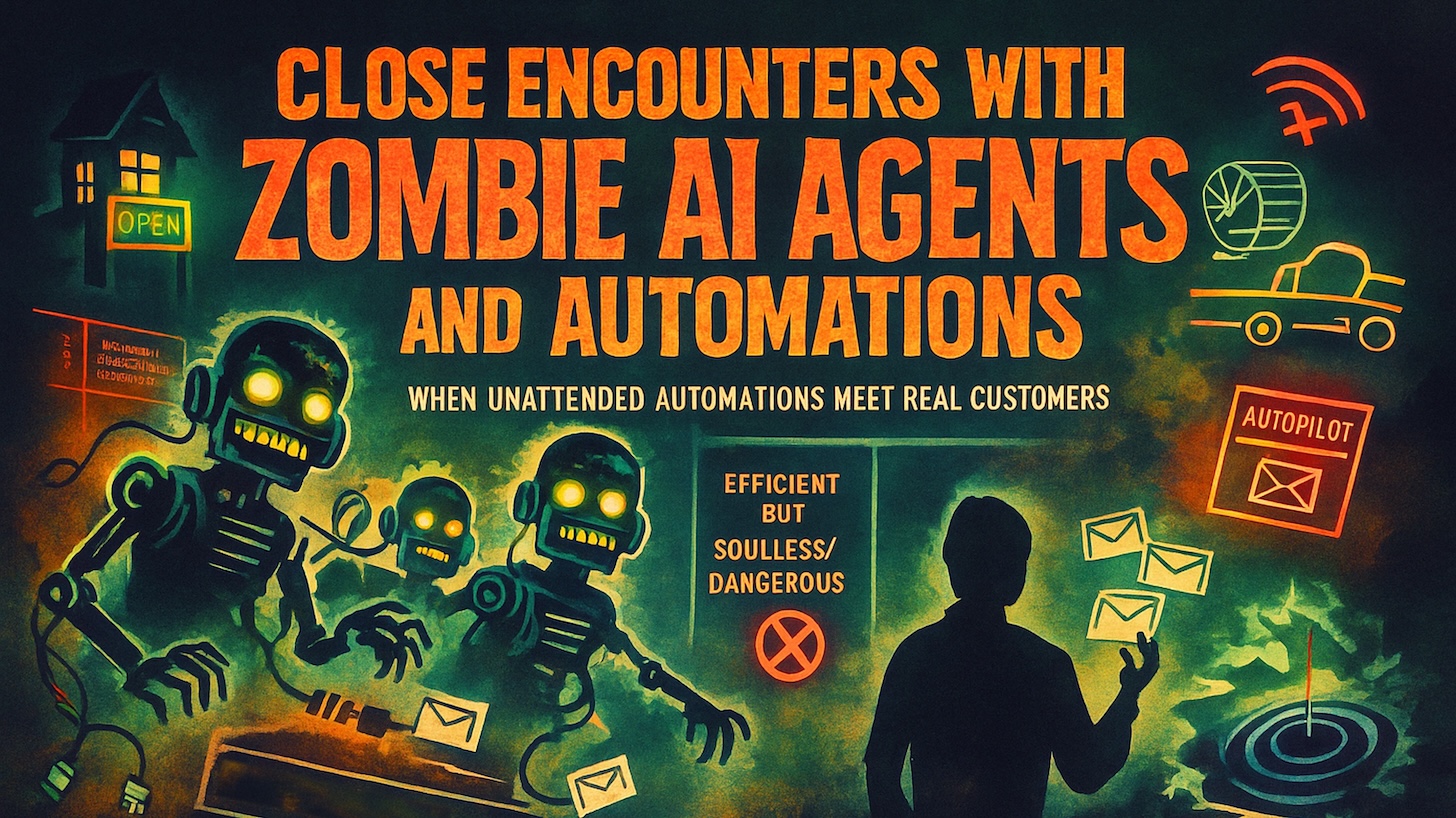
The modern marketing technology stack was designed to be a frictionless engine of growth. By leveraging automation and, more recently, generative AI, companies have unlocked unprecedented levels of efficiency. Yet, as these systems become increasingly autonomous, a troubling trend has emerged: "Zombie Automations." These are processes that are technically running, consuming resources, and interacting with customers, but are completely disconnected from human oversight or logical intent.
The lights are on, but nobody’s home. The engine is running, but no one’s driving. When these systems misfire, they don’t just create minor inconveniences; they erode brand trust, create nonsensical customer experiences, and expose the fragile reality of our current "AI-first" landscape.
The Chronology of a Disconnect: When Efficiency Becomes Alienation
The danger of unmonitored AI is best illustrated through the lens of recent, real-world failures. Consider the case of a prominent B2B software vendor. A customer—seeking simple billing assistance—followed the company’s documented support pathway: an email address provided in their onboarding documentation.
- The Silent Loop: The customer sent a request to the provided address. Despite receiving automated "helpful" onboarding emails at regular intervals, the customer’s inquiry was met with absolute silence.
- The Automated Non-Sequitur: Days passed, and the customer followed up. Still, no human intervention occurred. Meanwhile, the automated marketing engine continued to fire off cheerful, generic onboarding tips, blissfully unaware that the customer was actively attempting to resolve a billing dispute.
- The Systemic Failure: When the customer finally searched for an alternative contact method, the entire help infrastructure—FAQs, account dashboards, and support documentation—all pointed back to the same dead-end inbox.
This is not a failure of technology per se, but a failure of orchestration. Somewhere between the inbox routing, the LLM-powered triage, and the CRM-driven marketing cadence, the human element was severed. The system was "efficient" for the company’s cost-cutting metrics but catastrophic for the customer’s experience.
The Perils of "Hyper-Personalized" Hallucinations
A second, more sophisticated failure occurred in the realm of lead generation. A prospect downloaded a research report and was almost immediately greeted by a highly personalized, AI-generated email. The message was, by all accounts, impressive—referencing the prospect’s professional background and raising relevant industry concerns.
However, the "AI tell" was the speed of delivery. Upon receiving a human-like reply from the prospect, the AI went silent. It had no capacity to maintain a dialogue. A few hours later, the prospect was enrolled in a completely different, rigid, and poorly configured sales sequence.
The final indignity occurred a week later: the prospect received a follow-up email that used placeholders like $COMPANY-NAME—but the data was corrupted, inserting a company name that was entirely unrelated to the prospect. This is a classic case of cross-contaminated data and decoupled systems, where an AI agent and a legacy CRM sequence were operating in separate silos without a shared memory of the customer’s actual interaction history.
Supporting Data: Martec’s Law and the Governance Gap
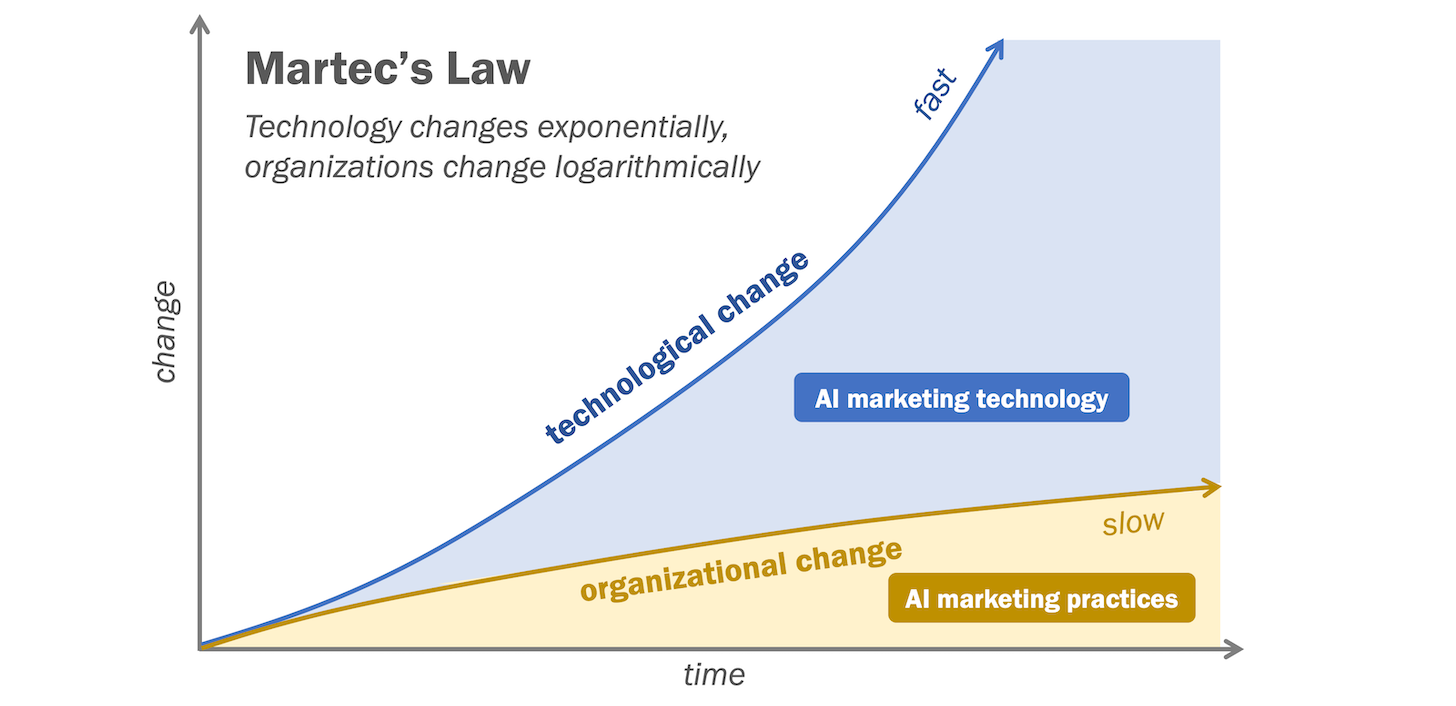
The root cause of these issues is a phenomenon often described as Martec’s Law: Technology changes exponentially, but organizational change happens logarithmically.
While companies are rushing to adopt generative AI to satisfy boardroom mandates, the internal processes required to manage, monitor, and govern these systems are lagging. According to industry observations, many firms are attempting to scale AI-driven personalization before establishing the necessary "human-in-the-loop" safeguards.
The Efficiency Matrix
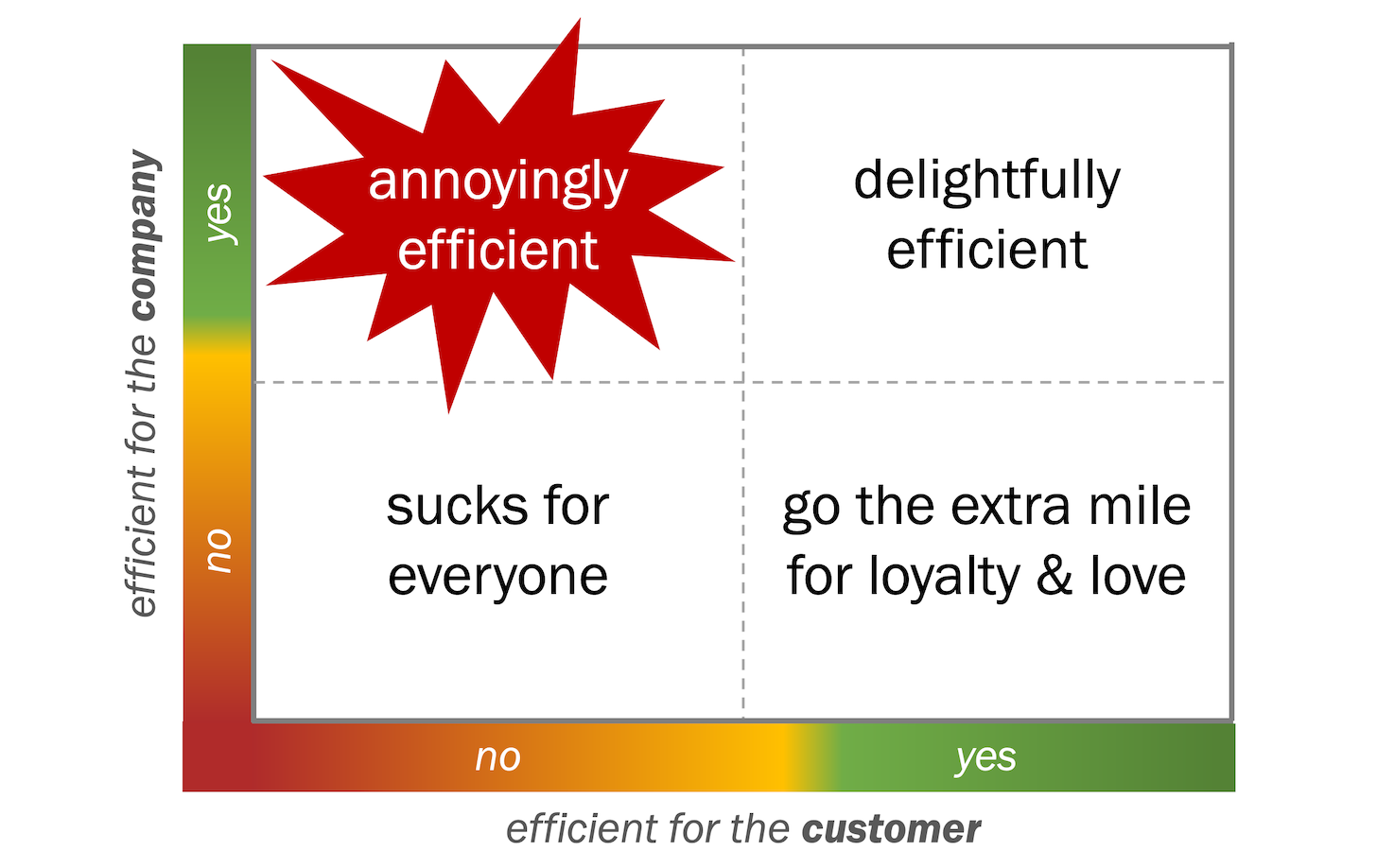
The industry is currently struggling with a 2×2 matrix of efficiency:
- Company-Efficient / Customer-Inefficient: The current state of "zombie" automations where internal costs are minimized at the expense of user frustration.
- Company-Inefficient / Customer-Inefficient: The graveyard of failed experiments and unintegrated legacy tech.
- Company-Efficient / Customer-Efficient: The goal state, where automation provides value to the user while streamlining internal workflows.
The current failure rate suggests that too many firms are trapped in the top-left quadrant, mistaking the reduction of human interaction for the advancement of customer experience.
Official Perspectives: The Need for "Laboratory vs. Factory" Governance
Industry experts and analysts suggest a fundamental shift in how we manage the marketing stack. The prevailing wisdom is to distinguish between the "Laboratory" and the "Factory."
- The Laboratory: This is where experimentation lives. It is the space for testing new AI agents, trying out novel prompts, and pushing the boundaries of automation. Here, the risk of failure is accepted as a cost of innovation.
- The Factory: This is the production environment. It must be steady, reliable, and rigorously protected.
The issue arises when "lab leaks" occur—when experimental, unproven AI agents are deployed into live, customer-facing "factory" pipelines. The consensus among technologists is that marketing operations (MarketingOps) teams must implement strict "circuit breakers" that pause automated sequences if a customer’s sentiment turns negative or if an interaction fails to achieve a logical resolution.
Implications for the Future of Martech
The era of "move fast and break things" is ill-suited for AI-driven customer journeys. The implications of these failures are profound:
- The Erosion of Brand Equity: Every time an AI agent sends a nonsensical email or fails to answer a billing question, the brand loses a degree of credibility that is difficult to regain.
- The "Human-in-the-Loop" Mandate: Future-proof companies will move toward a hybrid model. AI will handle the heavy lifting of data analysis and content drafting, but human agents must remain the "final mile" of the customer relationship.
- The Rise of Orchestration Platforms: There is a growing market opportunity for tools that sit above the martech stack, providing centralized governance and real-time monitoring of every agent and sequence currently in operation.
Actionable Strategies for Marketing Leaders
To avoid the "zombie automation" trap, organizations must adopt a "go-slow-to-go-fast" philosophy:
- Secret Shopper Exercises: Regularly audit your own customer journeys. If your employees aren’t experiencing the same friction as your prospects, you aren’t testing effectively.
- Mandatory Inspection Cycles: Just as physical infrastructure requires maintenance, automated workflows need quarterly "health checks." Are the rules still relevant? Is the data clean?
- Accountability Loops: If an email is sent in a human rep’s name, that rep must have a mechanism to review the thread. The "set it and forget it" model of SDR automation is a liability.
- Kill Switches: If a customer replies to an AI-generated message, the automation must have the capability to recognize the intent, pause the sequence, and notify a human.
Conclusion: Taming the Digital Menagerie
Building an AI agent or deploying an automated sequence has become trivial. Maintaining them, ensuring they provide a coherent brand experience, and preventing them from turning into "zombies" is the new competitive frontier. As we move further into this era of AI-driven marketing, success will not be defined by who can launch the most automations, but by who can most effectively govern them.
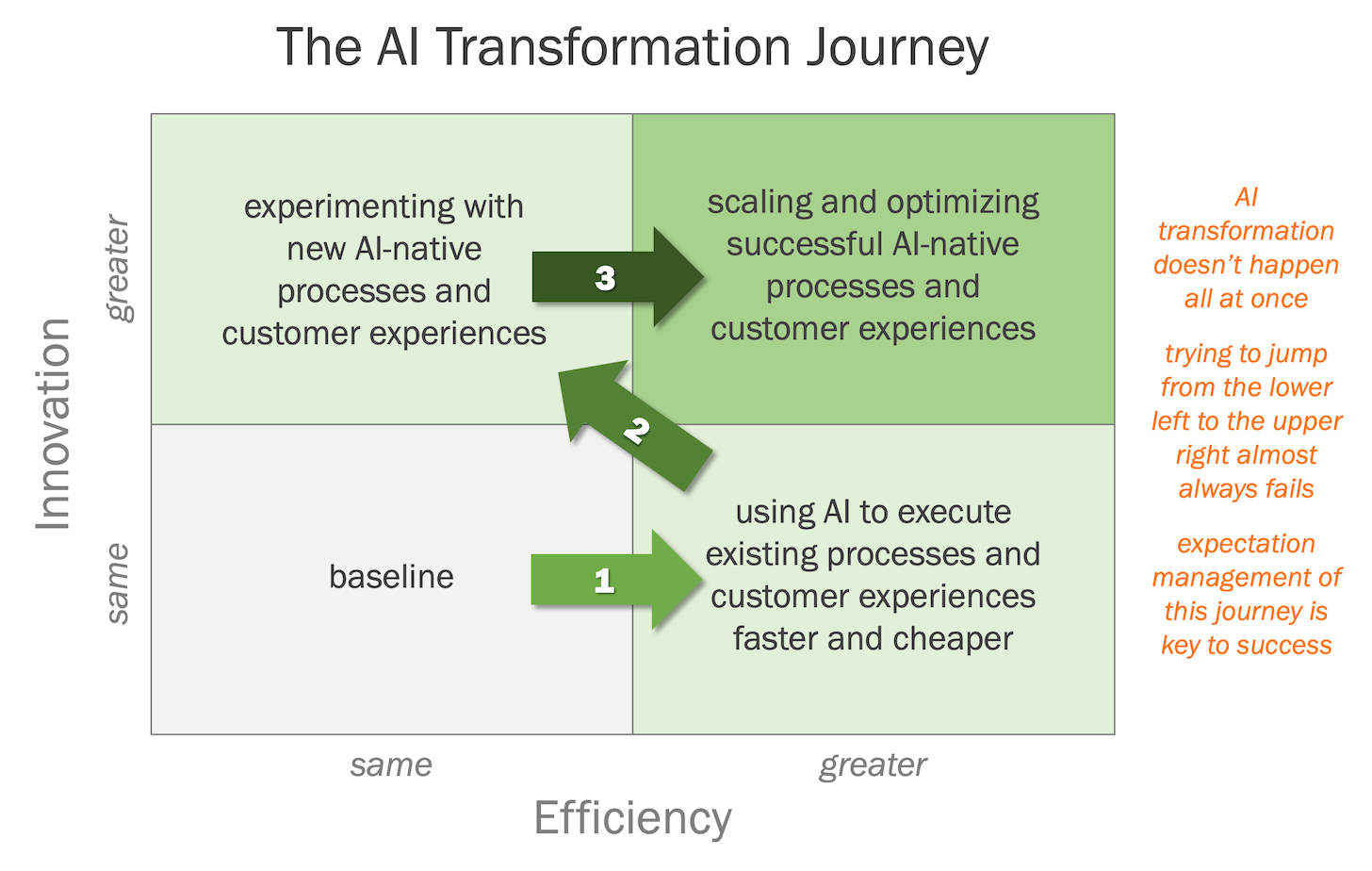
The challenge of our time is not the technology itself; it is the organizational discipline to ensure that our digital agents remain extensions of our brand’s values, rather than autonomous sources of friction. In the complex, hyper-connected world of modern martech, we must learn to be better stewards of our own machines—lest we find ourselves constantly herding digital cats.
