

Master Your Social Media Presence: A Strategic Guide to Content Planning for 2026
In an era where digital noise is at an all-time high, the difference between a brand that resonates and one that fades into the background often comes down to one thing: a disciplined content plan.
Social media content planning is no longer a luxury for large enterprises; it is the backbone of efficient, high-impact marketing. By moving away from reactive, "scramble-mode" posting and toward a structured, data-informed calendar, teams can ensure their content remains consistent, relevant, and directly tied to bottom-line business objectives.

What is Social Media Content Planning?
Content planning is the strategic process of determining what to post, when to post, and how each piece of content serves your overarching marketing goals. It transcends simple scheduling. A robust content plan encompasses topic mapping, format selection, and campaign synchronization.
By establishing a repeatable workflow, teams avoid the "rebuilding-the-wheel" fatigue that plagues many marketing departments. A well-planned strategy provides three distinct advantages: it optimizes team efficiency, prevents creative burnout, and creates a clear line of sight between daily social activity and executive-level KPIs.

The Strategic Importance of Planning
The primary driver for implementing a formal plan is the ability to leverage content batching. Creating content in dedicated sessions is significantly more resource-efficient than drafting posts on a whim. Furthermore, a single "hero" idea can be atomized—transformed into a short-form video, a carousel, a long-form text post, and an infographic—thereby maximizing the return on investment for every creative asset.
Beyond efficiency, planning provides tactical flexibility. By accounting for known events like product launches, seasonal holidays, or industry milestones, teams can build a reliable baseline of content. This stability creates the "headroom" necessary to pivot quickly when breaking news or trending topics arise, ensuring your brand remains agile without sacrificing its long-term strategy.

A 10-Step Framework for Effective Content Planning
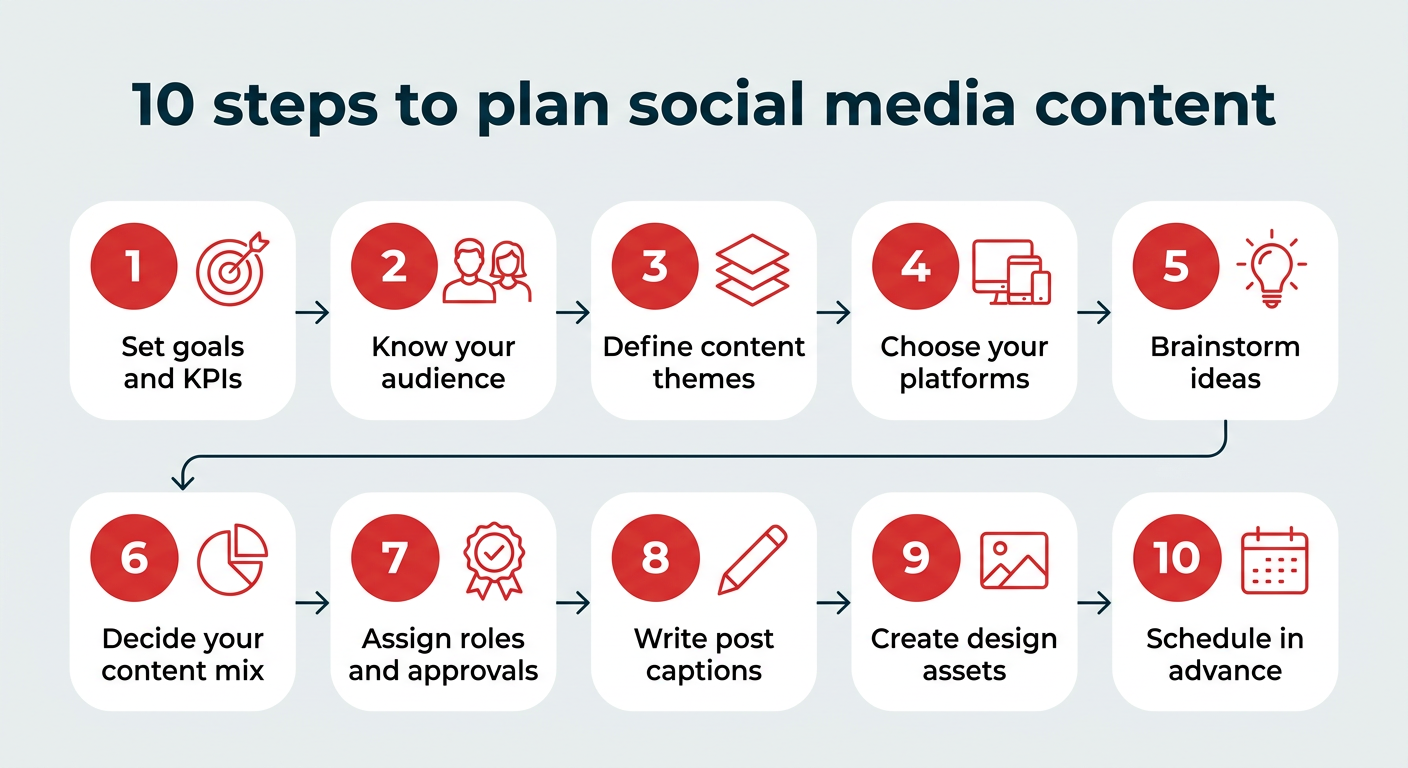
To build a professional-grade social media content plan, marketing leaders should follow this 10-step methodology:
1. Set Your Goals and KPIs
Your strategy must be rooted in measurable outcomes. Whether your goal is brand awareness, lead generation, or community engagement, it must be tied to a specific KPI. Avoid vague targets like "increase reach." Instead, aim for "increase monthly impressions by 20% by the end of Q2."

2. Deepen Audience Understanding
Stop guessing what your audience wants. Utilize social listening tools and native analytics to identify the language, pain points, and topics your audience cares about. This data should be documented in a central, accessible hub to ensure the entire team is aligned on the customer persona.
3. Define Your Content Themes
Think of content pillars as the guardrails of your brand. These should be 3–5 core topics that represent your expertise. If a post doesn’t fit into these pillars, it likely doesn’t belong in your feed.

4. Strategic Platform Selection
Not every brand needs to be on every platform. Use your audience research to determine where your target customers spend their time. It is better to excel on two platforms than to struggle with mediocre, cross-posted content across six networks.
5. Brainstorming and Ideation
High-performing teams build a pipeline of ideas rather than starting from scratch each week. Establish a dedicated space—like a Slack channel or a shared project management board—where team members can capture ideas based on industry trends and past performance.
6. Curate a Balanced Content Mix
A healthy calendar includes both original content and curated material. A common starting point is a 40/60 split. Curated content keeps your channels active and positions your brand as an industry thought leader without requiring the resource-heavy creation of 100% original assets.
7. Define Roles and Approvals
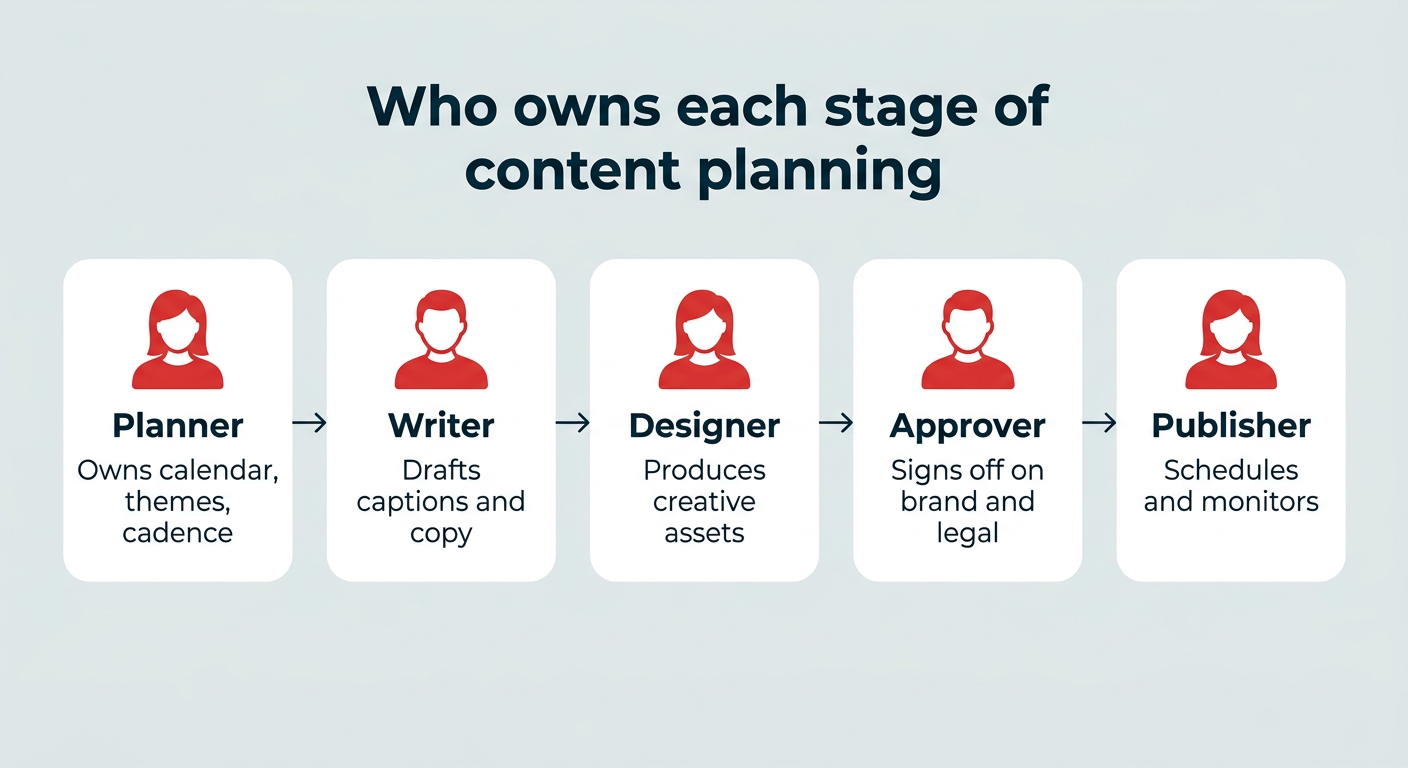
Content planning is a collaborative effort. Clearly define who is the writer, who is the designer, and who holds the "approval authority." For regulated industries, this step is vital to ensure compliance and avoid legal risks.

8. Write and Refine Captions
Write your captions before moving to the design phase. This ensures your messaging drives the visual concept. Leveraging AI-assisted writing tools can help generate initial drafts, provided a human editor reviews them for brand voice and accuracy.
9. Produce Design Assets
Once the copy is approved, move into the production phase. Use your content calendar to track asset status, ensuring that designers have clear, written briefs that align with the platform-specific requirements.

10. Schedule and Optimize
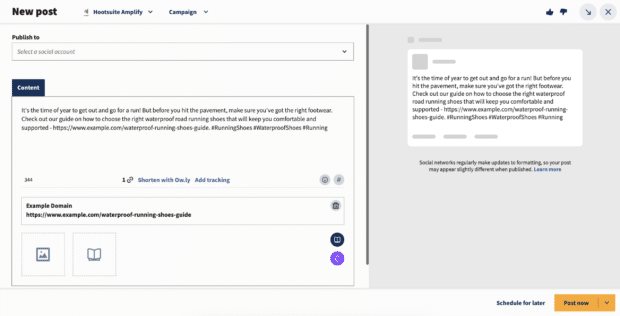
Consistent posting is essential, but smart posting is better. Use tools that suggest the "best time to publish" based on your unique audience activity. A unified calendar view allows you to spot gaps, prevent campaign collisions, and maximize the impact of every post.
Measuring Performance and Iterating
A content plan that is never reviewed is merely a schedule. Measurement turns a static plan into a dynamic engine of growth. Teams should track performance at three intervals:
- Weekly: A "pulse check" to identify trending topics and make minor adjustments.
- Monthly: A deeper look at what formats (e.g., carousels vs. videos) are driving the most engagement.
- Quarterly: A comprehensive review to pivot strategy, reallocate resources, and set new goals based on the last three months of data.
If a specific theme is underperforming, the data gives you permission to cut it. Conversely, if a format is over-performing, you should immediately increase its share of voice in the upcoming month.
The Role of AI in 2026 Content Planning
As we move further into 2026, the role of Artificial Intelligence in social media planning has shifted. It is no longer about blindly generating content; it is about compressing the time required for research and drafting.
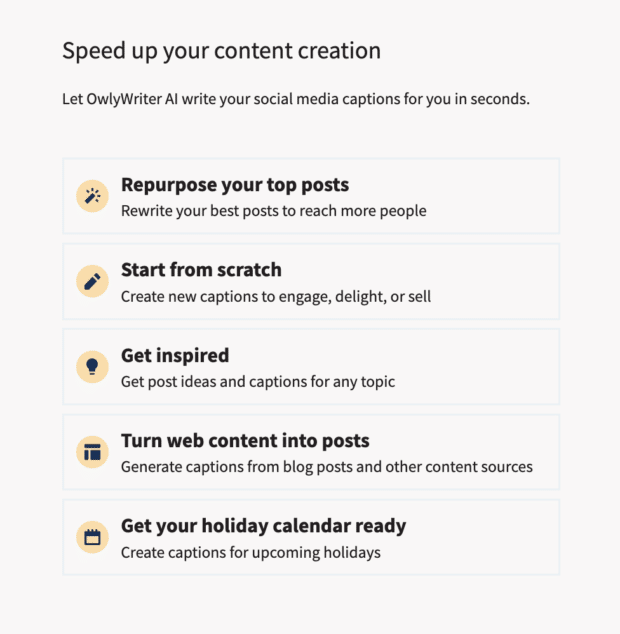
Gartner’s recent insights emphasize that while the majority of marketers are exploring GenAI, only a fraction are realizing significant business benefits. The key to success lies in using AI as an accelerator for the "boring" parts of the process: summarizing industry reports, generating caption variations, and analyzing sentiment. However, the "judgment" of the content—its tone, its alignment with brand values, and its compliance—must remain human-led.
Implications for Modern Teams
The transition to a unified, AI-supported content planning system has profound implications for enterprise teams. It eliminates the "silo" effect, where social listening, analytics, and scheduling live in disparate tools.

When your insights are connected to your publishing dashboard, your team can pivot in real-time. For example, if your listening tool flags a sudden surge in interest regarding a specific industry challenge, your planners can immediately see where that fits into the upcoming month’s calendar and adjust their output accordingly.
Conclusion: Turning Strategy into Action
Social media is the digital front door of your brand. A disorganized, reactive approach to this channel is a risk that most businesses can no longer afford to take. By adopting a formal, 10-step planning process, leveraging integrated tools like Hootsuite Social OS, and maintaining a cycle of constant measurement and refinement, teams can move from simply "posting" to building a community that drives real, measurable business value.
As the digital landscape evolves, the brands that win will be those that use technology to simplify their workflow, freeing up their creative talent to focus on the human connection that social media was meant to foster. Start today—your calendar is the first step toward a more strategic, and more successful, future.
