
The Future of Dropshipping: Navigating the Choice Between dropXL and Zendrop
The global dropshipping market is undergoing a seismic shift. Far from being a dying industry, the sector is projected to reach a valuation exceeding $1.2 trillion by 2030. However, the "easy money" era—characterized by importing low-quality goods, slapping on a markup, and hoping for the best—has effectively ended. Today’s consumers are more discerning, demanding faster shipping, professional-grade support, and high-quality products.
For entrepreneurs looking to enter this space, the choice of supplier has become the single most critical business decision. Two platforms currently dominate the conversation for different reasons: dropXL and Zendrop. While both serve the dropshipping community, they offer vastly different philosophies, operational models, and growth trajectories.
Main Facts: The Changing Landscape of Modern Commerce
The modern dropshipper faces a crowded marketplace. To compete with established retail giants, a store must offer a unique value proposition. This is where the divide between dropXL and Zendrop becomes apparent.
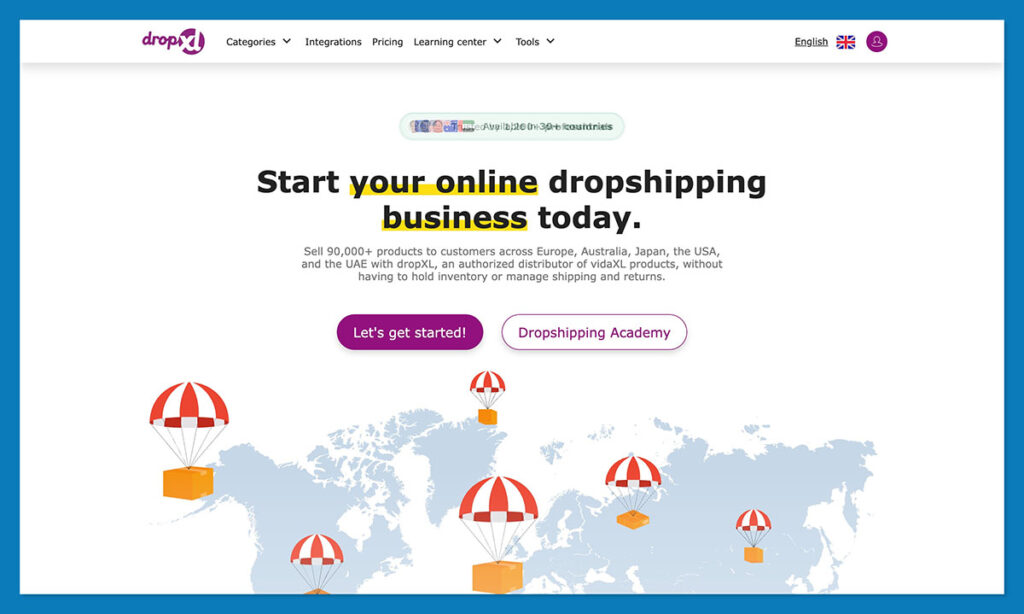
dropXL is essentially the engine room for niche-focused retailers. Built upon the expansive vidaXL catalog, it provides access to over 90,000 products, with a specific focus on furniture, home, garden, and outdoor equipment. Its primary value is reliability: it provides a stable, predictable supply chain with localized warehousing in key global markets, including the USA, Europe, Australia, Japan, and the UAE.
Zendrop, by contrast, operates as a comprehensive ecosystem. With a library exceeding one million products, it functions as a "business-in-a-box" solution. It is designed to assist entrepreneurs who are still in the testing phase, offering AI-driven store builders, automated marketing tools, print-on-demand services, and dedicated coaching.
Chronology of Development: How We Got Here
The evolution of these platforms mirrors the maturation of the e-commerce industry.
- The Early Days: Dropshipping began as a fragmented industry, with store owners relying on marketplaces like AliExpress, which were plagued by long shipping times and inconsistent quality control.
- The Rise of Specialized Suppliers (2018–2021): Platforms like vidaXL began to recognize the power of the dropshipping model, leading to the creation of dedicated channels like dropXL. These platforms emphasized professional logistics and higher-tier manufacturing to combat the "cheap goods" stigma.
- The AI and Automation Era (2022–Present): As competition intensified, Zendrop emerged to solve the "discovery" problem. Rather than just acting as a middleman for goods, platforms began offering AI-based product research, automated video ad creation, and store-building tools to bridge the gap between technical skill and entrepreneurial ambition.
Supporting Data: Comparing the Two Giants
To understand the competitive landscape, we must analyze the operational differences between these two platforms.
Feature Comparison Matrix
| Feature | dropXL | Zendrop |
|---|---|---|
| Catalog Size | 90,000+ (vidaXL) | 1 Million+ |
| Primary Niche | Furniture, Home, Garden | Beauty, Tech, POD, Apparel |
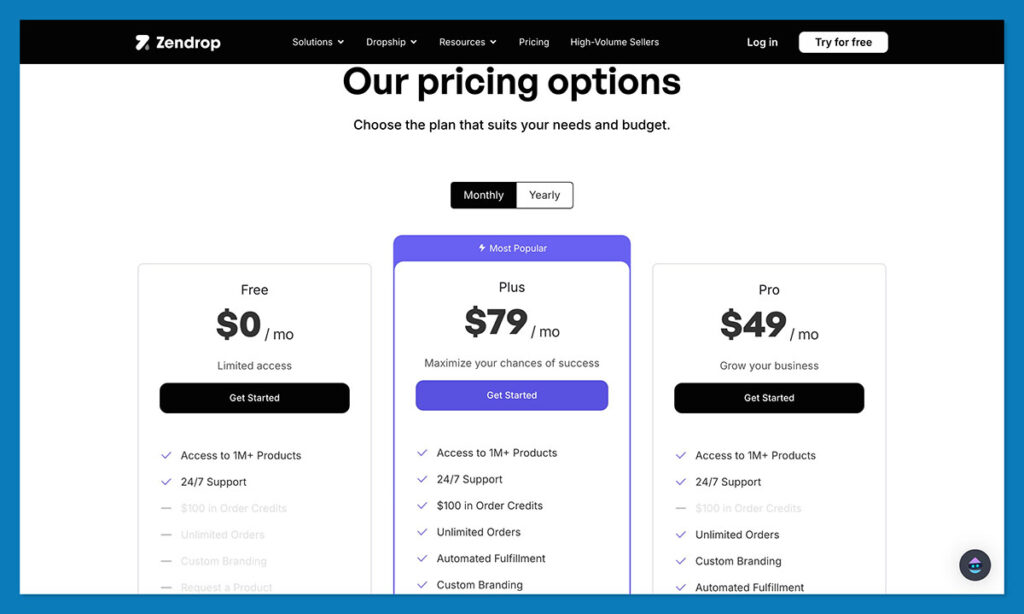
| Pricing Model | Fixed €30/mo | Free, $49/mo, $79/mo |
| Returns Support | Integrated/Direct | Supplier-dependent |
| AI Tools | Limited | AI Store/Ads/Sourcing |
| Warehousing | Global Localized | US 3PL, China, Supplier |
Operational Implications
The data suggests a clear divide. dropXL is a "high-trust, high-quality" model. By specializing in bulky items like furniture, it requires a robust logistics network, which they provide through localized warehouses. This reduces shipping times and damage rates—two critical factors for high-ticket items.
Zendrop utilizes a "high-velocity, high-volume" model. By providing access to everything from beauty products to print-on-demand apparel, it encourages rapid testing. The availability of a free tier allows beginners to validate market demand without upfront subscription costs, making it a lower-risk entry point for the uninitiated.
Official Responses and Strategic Positioning
Representatives from both companies have consistently highlighted their distinct value propositions in recent industry forums.
The dropXL Strategy:
"Our focus is on the long-term sustainability of the merchant’s business," says a spokesperson for the platform. "By providing direct access to the vidaXL catalog, we ensure that the quality of the product is consistent, the shipping is handled by professional logistics networks, and the merchant doesn’t have to worry about the unpredictable nature of generic sourcing."
The Zendrop Strategy:
"We are a partner in the entrepreneur’s journey," says a member of the Zendrop team. "Dropshipping is not just about moving products; it’s about building a brand. Through our AI tools, educational Academy, and 24/7 coaching, we help our users transition from ‘product testers’ to ‘brand owners’ as quickly as possible."
Implications: Which Path Should You Choose?
The decision between these two platforms rests entirely on your business maturity and your ultimate goals.
When to Choose dropXL
If your goal is to build a professional, sustainable brand within the home and garden niche, dropXL is the superior choice. Its strength lies in its predictability. When you are selling a $300 garden sideboard, you cannot afford to have the item arrive late, broken, or misrepresented. dropXL’s integrated return support and localized stock updates provide the peace of mind necessary for high-ticket dropshipping. You are paying for a "clean" lane where the supplier is vetted and the infrastructure is robust.
When to Choose Zendrop
If you are an experimentalist or a beginner, Zendrop is the clear winner. The "fail fast, scale faster" mentality is baked into its architecture. The platform’s ability to generate AI ads, build a store from scratch, and offer print-on-demand services means that you can test ten different product ideas in a month with minimal friction. Its free plan acts as a sandbox, and its paid tiers provide the "pro" tools required to scale once you have identified a winning product.
Conclusion: The Path Forward
The dropshipping industry is no longer about finding the cheapest supplier; it is about finding the right logistical partner.
If you are a specialist who values operational stability and high-quality goods, the focused, supplier-first model of dropXL will prove invaluable. You will spend less time managing supplier disputes and more time optimizing your conversion rates for a loyal, niche-specific customer base.
Conversely, if you are an entrepreneur at the beginning of your journey, the ecosystem provided by Zendrop offers a competitive advantage. The combination of AI-driven tools, diverse product categories, and educational support creates a roadmap for success that is difficult to replicate elsewhere.
Ultimately, both platforms acknowledge a fundamental truth: the market is crowded, but there is still massive opportunity for those who prioritize customer experience, logistics, and branding over simple arbitrage. Whether you choose the curated reliability of dropXL or the expansive, high-tech toolkit of Zendrop, your success will be determined by your ability to differentiate your store in an increasingly sophisticated digital marketplace. Choose the partner that aligns with your specific operational expertise, and you will find that the "saturated" market is, in fact, ripe for innovation.
