
The Future of Dropshipping: Navigating the Choice Between dropXL and Zendrop in a $1.2 Trillion Market
The dropshipping industry is currently undergoing a radical metamorphosis. Once characterized by a "race to the bottom" mentality—where entrepreneurs would scrape cheap items from marketplaces, add a thin margin, and hope for the best—the modern landscape demands a more sophisticated approach. With the global dropshipping market projected to exceed $1.2 trillion by 2030, the barrier to entry has lowered, but the barrier to success has risen significantly.
Today’s consumer is discerning. They demand fast shipping, professional customer service, and high-quality, reliable goods. To survive, modern dropshippers must evolve from mere resellers into brand builders. This shift has necessitated a move away from generic suppliers toward specialized, integrated platforms. Two of the most significant players in this evolution are dropXL and Zendrop.
The Core Facts: Understanding the Shift in Dropshipping Logistics
The fundamental challenge for any new online merchant is balancing product quality with supply chain reliability. In the past, the "classic" dropshipping model relied on fragmented, unreliable suppliers, leading to shipping delays and poor customer feedback.
The Rise of dropXL
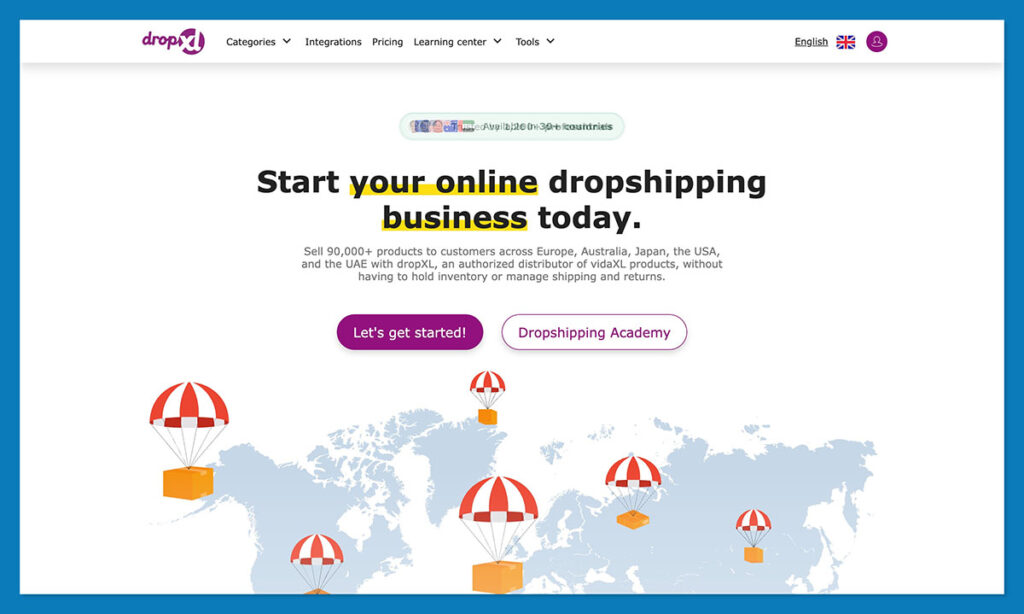
dropXL is fundamentally a specialized logistics and inventory partner for merchants who prioritize home, garden, and furniture niches. By leveraging the vast, established catalog of vidaXL, it provides access to over 90,000 items. Its core strength lies in its proximity to the consumer: with warehouses spanning Europe, the USA, Australia, Japan, and the UAE, dropXL functions less like a third-party marketplace and more like a dedicated back-end infrastructure for established e-commerce brands.
The Rise of Zendrop
In contrast, Zendrop has positioned itself as the "all-in-one" ecosystem for the modern entrepreneur. It is designed to act as a bridge between the chaos of the global manufacturing market and the streamlined storefronts of platforms like Shopify. Zendrop does not just supply products; it offers a suite of technological tools—including AI-driven ad generation, store builders, and custom sourcing—to help merchants find a winning product before they commit to scaling.
Chronology of Market Maturity: From "Get Rich Quick" to "Brand Scaling"
The evolution of these platforms reflects a broader industry timeline.
- 2015–2018 (The Wild West Era): The market was dominated by low-barrier-to-entry platforms. Success was dictated by who could run the best Facebook ads for cheap, unbranded trinkets.
- 2019–2022 (The Logistics Pivot): As consumers became more aware of long shipping times, platforms began investing in domestic warehousing. dropXL emerged as a response to the need for high-quality, bulkier items (like furniture) that required professional handling and reliable returns.
- 2023–Present (The AI and Automation Era): With the integration of Generative AI, Zendrop pivoted toward high-velocity testing. The focus shifted from "what is the best product?" to "how fast can I test a hundred different concepts using AI-generated creatives?"
This chronology highlights a divergence in strategy. dropXL remains tethered to the traditional principles of supply chain excellence, while Zendrop has aggressively adopted the "lean startup" methodology of rapid iteration.
Supporting Data: Feature Comparison at a Glance
For the data-driven entrepreneur, the choice between these two platforms often comes down to the specific business model being deployed.
| Feature | dropXL | Zendrop |
|---|---|---|
| Catalog Scope | 90,000+ (vidaXL focused) | 1M+ (Diverse categories) |
| Primary Niche | Home, Garden, Furniture, Pets | Beauty, Tech, POD, Apparel |
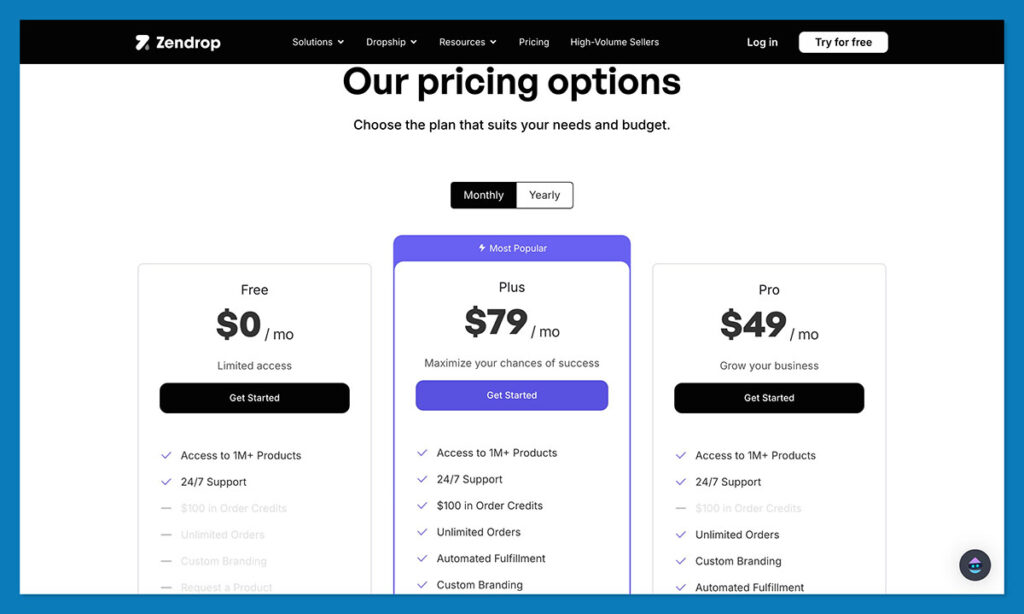
| Pricing | €30/month (Flat rate) | Free / $49 / $79 tiers |
| Warehousing | USA, Europe, AUS, Japan, UAE | US 3PL, China network |
| Return Handling | Full support included | Supplier dependent |
| AI Integration | Minimal | Extensive (Ads, Store, Copy) |
The Financial Implications
The pricing structures tell the story of their target demographics. dropXL operates on a flat, predictable model. This appeals to established retailers who have moved past the testing phase and are operating on thin, high-volume margins.
Zendrop’s tiered pricing is built for the growth funnel. A beginner can start for free, validating ideas without overhead. As they scale, the Pro and Plus plans provide the necessary automation and coaching to handle higher order volumes, effectively "unlocking" features as the business grows.
Official Stances: How the Platforms Support the Seller
Both platforms have addressed the industry’s "trust deficit" through specific service policies.
The dropXL Philosophy:
dropXL emphasizes consistency. By managing the returns process and providing real-time data feeds for inventory and pricing, they allow the merchant to offload the most stressful aspects of e-commerce. Their official stance is that the seller should focus on marketing, while the logistics engine (the warehouse and the return chain) remains invisible and reliable.
The Zendrop Philosophy:
Zendrop focuses on agility. Their support infrastructure includes 24/7 assistance and a "coaching" element, recognizing that their user base is often comprised of first-time entrepreneurs. Their stance is that a dropshipper should not be a logistics expert, but a product-testing expert. By providing AI tools for ad creation and product discovery, they aim to shorten the time it takes for a merchant to find a winning product.
Implications: Which Platform Fits Your Business?
When to choose dropXL:
If your business strategy is built on the "Home and Garden" vertical, dropXL is the superior choice. Furniture, outdoor gear, and home storage units are notoriously difficult to dropship due to size, weight, and the high probability of shipping damage. dropXL’s ability to handle returns and their localized warehouse presence in over 30 countries removes the "logistical nightmare" that usually kills furniture-based dropshipping stores.
When to choose Zendrop:
If your strategy is built on "Trend Surfing" or "Niche Testing," Zendrop is the clear winner. If you are not sure what you want to sell, or if you intend to cycle through various product categories (beauty, tech, print-on-demand) to see what gains traction on social media, you need the massive inventory and rapid-fire AI tools that Zendrop provides.
Final Assessment: The Strategic Verdict
The "crowded market" concern is valid, but it is only a threat to those who continue to operate in the old way. The future of dropshipping is not about finding the cheapest supplier; it is about building a brand that solves a problem or satisfies a aesthetic desire.
Choose dropXL if:
You want to build a "boring" but profitable, high-ticket business. You have a vision for a furniture brand, you want to minimize customer complaints regarding logistics, and you prefer a fixed, transparent monthly cost over a complex tier system. You are looking for a reliable partner, not a toolset.
Choose Zendrop if:
You are a digital native looking to build a lean, data-driven empire. You value the ability to test new products, use AI to lower your production costs for ads and store design, and want a partner that scales with your growth. You are willing to deal with a broader, more competitive catalog in exchange for the flexibility to pivot quickly when a product stops trending.
In conclusion, neither platform is "better" in a vacuum. Success in the next five years of e-commerce will be determined by how effectively a merchant utilizes the strengths of their chosen platform to build a brand identity that can survive in a crowded, global digital marketplace. Whether you prioritize the logistical depth of dropXL or the technological velocity of Zendrop, the key remains the same: treat your dropshipping platform as an extension of your company, not just a service provider.
