
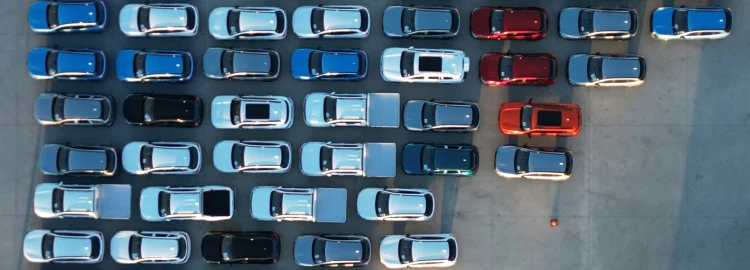
The Digital Showroom: Why Email Marketing is the New Engine for Automotive Growth
The automotive retail landscape has undergone a seismic shift. For decades, the industry operated on a simple, physical premise: billboards, local radio spots, and newspaper ads were designed to drive foot traffic onto a sprawling asphalt lot. The goal was face-to-face interaction. However, the modern consumer has rewritten the rulebook. Today, the "showroom" is digital, and the initial point of contact rarely involves a handshake.
As physical dealership traffic declines, industry leaders are pivoting toward a more precise, high-conversion strategy: meeting the customer exactly where they live—in their inbox. While email marketing is a legacy technology, it has emerged as the most underutilized, yet potent, weapon in the automotive arsenal.
Main Facts: The Evolution of the Automotive Sales Funnel
The fundamental challenge for modern dealerships is the "informed buyer." Before a prospective customer ever steps onto a lot, they have already performed extensive research. They have compared specifications, read third-party reviews, calculated potential monthly payments, and narrowed their choices to two or three models.
This behavior creates a critical gap in the traditional sales funnel. If a dealer waits for a customer to walk through the door to begin the sales process, they have already lost the opportunity to influence the decision-making journey.
Email marketing bridges this gap by providing a direct, low-cost line of communication. It transforms the dealership from a reactive environment—waiting for leads to arrive—into a proactive one, nurturing prospects from initial interest to the final signature. With modern email platforms, this shift no longer requires a dedicated marketing agency or an expansive internal team; it is an accessible tool for any dealership, regardless of size.
A Chronology of the Shift: From Billboards to Inboxes
The transition to digital-first automotive retail did not happen overnight. Its trajectory reflects broader changes in consumer technology and shopping habits:
- The Pre-Digital Era (1980s–2000s): Marketing was dominated by broad-spectrum advertising. Dealerships relied on "spray and pray" tactics—mass mailers and television ads intended to capture the attention of the general public.
- The Information Age (2005–2015): The rise of third-party automotive websites (such as Edmunds and Kelley Blue Book) allowed buyers to access transparent pricing and vehicle history reports. Dealership websites became digital catalogs, but interaction remained limited to "Contact Us" forms that often went unanswered for days.
- The Personalization Era (2016–2022): Dealers began utilizing CRM data to track interest. However, many failed to act on this data, leaving valuable leads cold.
- The Automated Maturity Phase (2023–Present): Today, the most successful dealerships use integrated automation. They no longer treat every customer the same; instead, they trigger specific, automated email sequences based on a lead’s specific digital footprints—such as configuring a car online or downloading a brochure.
Supporting Data: Why Email Beats Traditional Channels
The efficacy of email in the automotive sector is backed by its unique ability to provide measurable ROI. Unlike a radio ad, which provides no data on who listened or if they eventually visited the dealership, email offers granular insights.
According to industry benchmarks, segmented and personalized email campaigns in the automotive sector consistently outperform social media ad engagement. When a dealer sends a targeted email—for instance, notifying a lead that a specific SUV they viewed has dropped in price—the open rates often exceed 30%.
Furthermore, transactional emails—such as service appointment reminders, financing updates, and warranty expiration notices—regularly see open rates topping 50%. These emails serve a dual purpose: they provide value to the customer and maintain brand visibility, ensuring that when the customer is ready to trade in their vehicle, the dealership is the first name that comes to mind.
Official Industry Perspectives: The Strategic Value
Industry experts emphasize that the key to modern automotive marketing is the "customer journey." The goal is not just to sell a car, but to own the relationship throughout the entire lifecycle of the vehicle.
"The modern dealership is a service hub, not just a sales floor," says one marketing executive specializing in automotive retail. "When you use email to manage the relationship, you aren’t just sending a sales pitch; you’re sending a service reminder or a personalized update on a vehicle they’ve expressed interest in. That turns a transaction into a long-term partnership."
This sentiment is echoed by those who have integrated CRM systems with email platforms. By connecting inventory management systems to an email engine, dealers can trigger an alert the moment a vehicle matching a customer’s previous search criteria arrives on the lot. This level of automation replaces manual follow-up, which is often inconsistent, with a seamless, high-touch experience that builds trust.
Strategic Implementation: What Works in Practice
To maximize the impact of email marketing, dealerships should focus on five core categories of communication:
1. Promotional and Seasonal Campaigns
These are the tactical "workhorses." Whether it is end-of-year clearance events or seasonal service specials (e.g., winter tire changeovers), these emails drive immediate traffic. Success here relies on segmentation; a customer who drives a truck should receive different offers than a customer interested in a fuel-efficient sedan.
2. Transactional Reminders
These emails are expected and appreciated. By automating reminders for service appointments or payment deadlines, dealerships reduce "no-show" rates and administrative overhead. They also reinforce the brand as a professional, organized entity.
3. Inventory and Product-Specific Alerts
This is where personalization truly shines. By tracking which vehicles a visitor views on the website, the dealership can send "Just In" emails or price-drop notifications. These emails feel less like marketing and more like helpful updates, which significantly increases conversion rates.
4. Re-engagement Campaigns
Many leads go "cold" after an initial interaction. Automated re-engagement sequences—such as offering a test-drive incentive or an exclusive financing rate—can "wake up" dormant leads without requiring a salesperson to make a manual phone call.
5. Brand and Community Building
Not every communication needs a direct call-to-action. Sharing customer success stories, highlighting community involvement, or showcasing the dealership’s history helps humanize the brand. Trust is the currency of the automotive world, and consistency in brand messaging is how that currency is earned.
Implications for the Future of Dealerships
The primary implication of this shift is the decentralization of the "salesman." In the past, the salesperson was the primary gatekeeper of information. Today, the information is available to everyone. The salesperson’s role has shifted from "information provider" to "consultant and facilitator."
Email marketing facilitates this transition by handling the top-of-funnel heavy lifting. It answers basic questions, provides vehicle details, and guides the customer toward a financing application. By the time the customer walks into the dealership, they are "qualified"—they have already expressed intent, they have been nurtured by a series of communications, and they are significantly more likely to close.
Moreover, the low barrier to entry means that small, independent dealers can compete with massive, multi-location groups. By utilizing user-friendly tools—such as drag-and-drop builders and pre-built templates—a two-person marketing team can execute campaigns that look and feel as professional as those of a national brand.
Conclusion: Meeting the Customer Where They Are
The decline in foot traffic is not a signal that the car-buying industry is shrinking; it is a signal that the industry is evolving. The future of automotive retail lies in the ability to integrate digital tools into the fabric of the dealership’s operations.
By embracing email marketing as a core strategy, dealerships can stop fighting against changing consumer behaviors and start leveraging them. The tools are available, the data is actionable, and the ROI is clear. In an era where attention is the scarcest resource, the inbox remains the most effective place to win the customer’s trust, their business, and their long-term loyalty.
