
The Digital Optimization Showdown: Crazy Egg vs. Mouseflow – A Comprehensive Comparative Analysis
In the high-stakes world of digital marketing and e-commerce, the difference between a high-converting landing page and a high-bounce rate disaster often comes down to the quality of the data driving your decisions. For growth teams, UX designers, and digital marketers, the choice of a conversion rate optimization (CRO) tool is a foundational decision.
Two of the most prominent names in this space, Crazy Egg and Mouseflow, have long competed for market share. While both platforms provide the essential visual tools—heatmaps and session recordings—to decode user behavior, they diverge significantly in their philosophy, feature sets, and intended use cases.
Main Facts: The Core Differences in Philosophy
At a high level, the distinction between the two platforms is clear: Crazy Egg is an all-in-one conversion optimization ecosystem, whereas Mouseflow is a specialized friction-detection engine.
- Crazy Egg aims to bridge the gap between "seeing" a problem and "fixing" it. By integrating A/B testing, web analytics, error tracking, and AI-driven insights directly into the platform, it seeks to minimize the number of tools a team must manage.
- Mouseflow positions itself as a diagnostic powerhouse. It excels in quantifying user struggle through metrics like the "Friction Score," detailed form analytics, and live session monitoring. It is designed to be the primary behavioral layer for teams that may already be utilizing dedicated experimentation software elsewhere.
Chronology and Evolution
Both platforms emerged during the formative years of the "web analytics 2.0" era. Crazy Egg, founded by Neil Patel, popularized the concept of "click heatmaps" as an accessible, visual alternative to the dense, row-and-column data of Google Analytics. Its evolution has focused heavily on simplicity and the integration of the full CRO cycle—from observation to testing.
Mouseflow entered the market with a focus on high-fidelity session replays and deep technical diagnostics. Over the last decade, it has evolved into an enterprise-grade analytics tool, introducing advanced features like "Friction Scores" and "Industry Benchmarks," which cater to data scientists and UX researchers who require precise, quantifiable data points rather than just visual heatmaps.
Supporting Data: Feature Breakdown
To understand how these tools perform in real-world scenarios, we must examine their technical capabilities side-by-side.
1. Heatmaps: Visual vs. Analytical Depth
Both platforms offer industry-standard click and scroll tracking. However, their approaches differ:
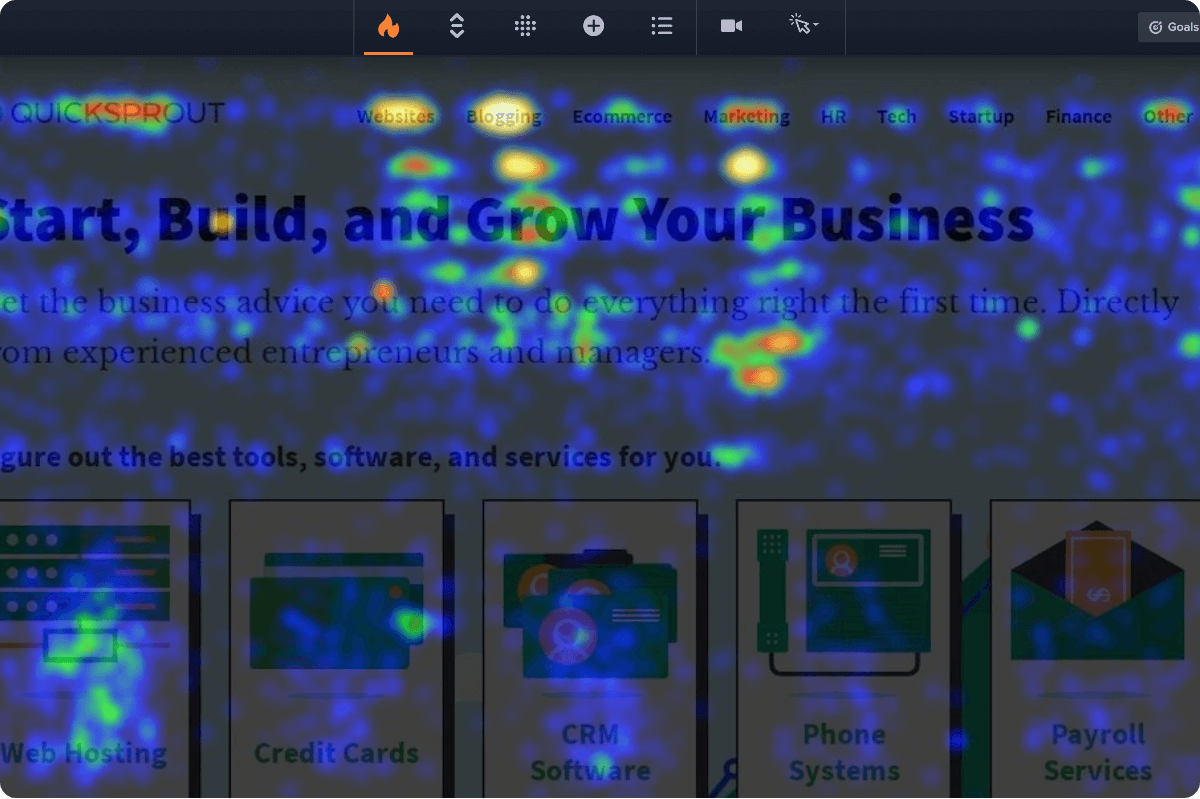
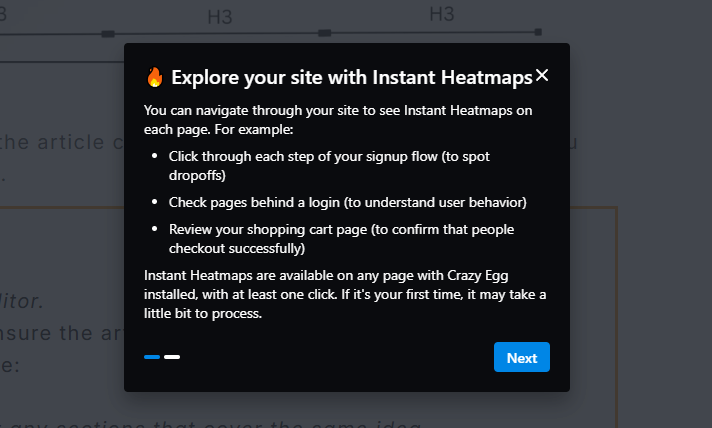
- Crazy Egg emphasizes versatility with five map types, including "Confetti" maps, which allow for granular, per-click segmentation based on over 17 distinct metrics. Its "Instant Heatmaps" feature is a standout, allowing users to view engagement data immediately upon installation by browsing their own live site.
- Mouseflow provides seven map types, including specialized views for "Attention," "Friction," and "Geo" data. Its strength lies in cross-type comparison, enabling users to overlay different behaviors—such as click density vs. scroll depth—on the same screen.
2. Session Recordings and Live Monitoring
Recording user sessions is the "gold standard" for troubleshooting.
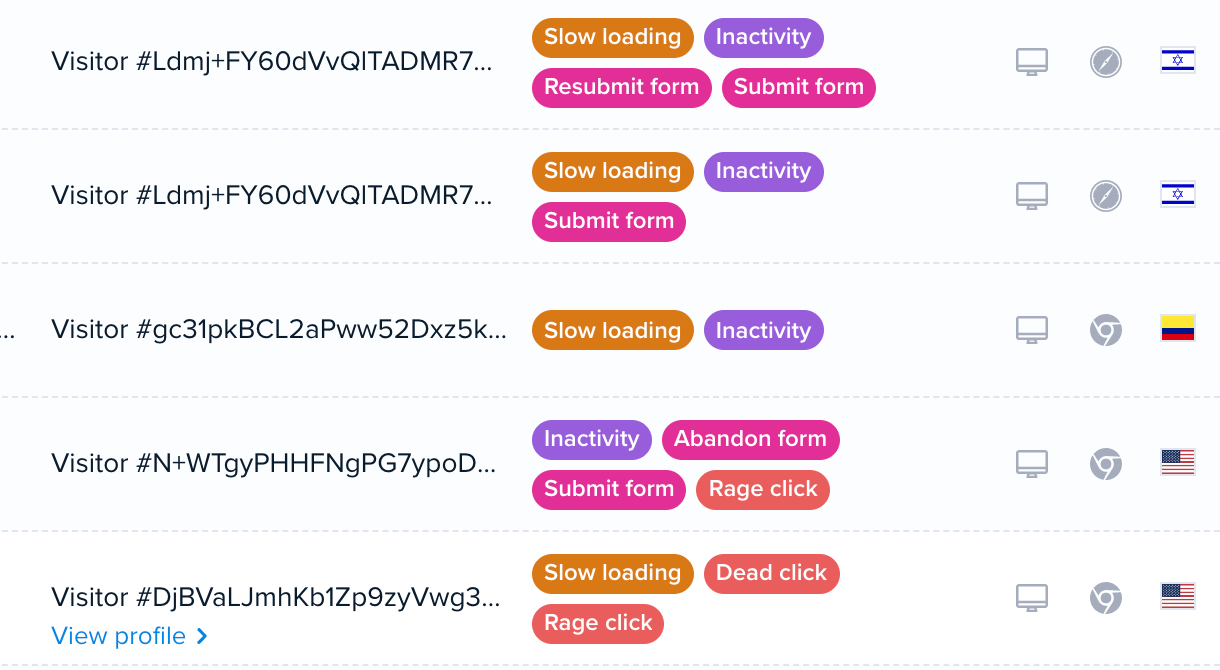
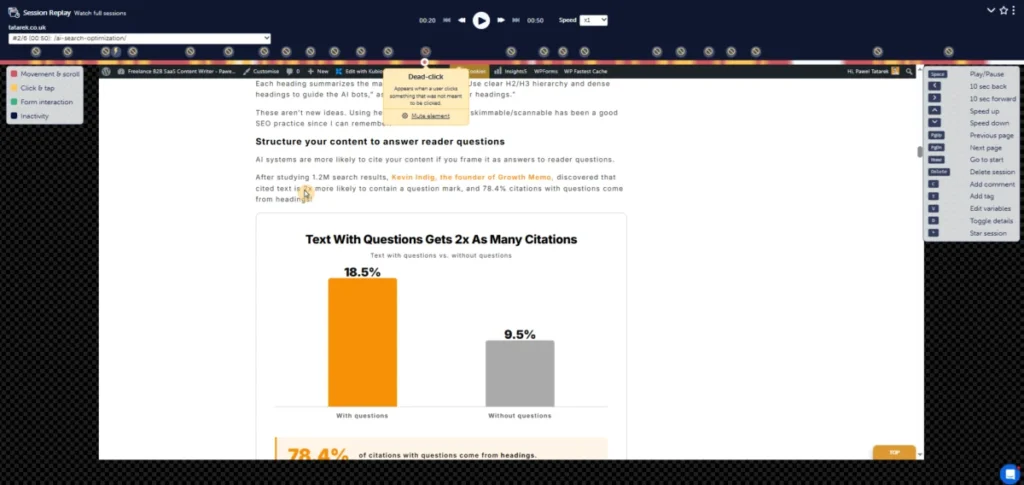
- Crazy Egg focuses on automated tagging. It uses AI to identify "friction signals" like rage clicks, dead clicks, and JavaScript errors, tagging them automatically so teams can jump straight to the relevant sessions.
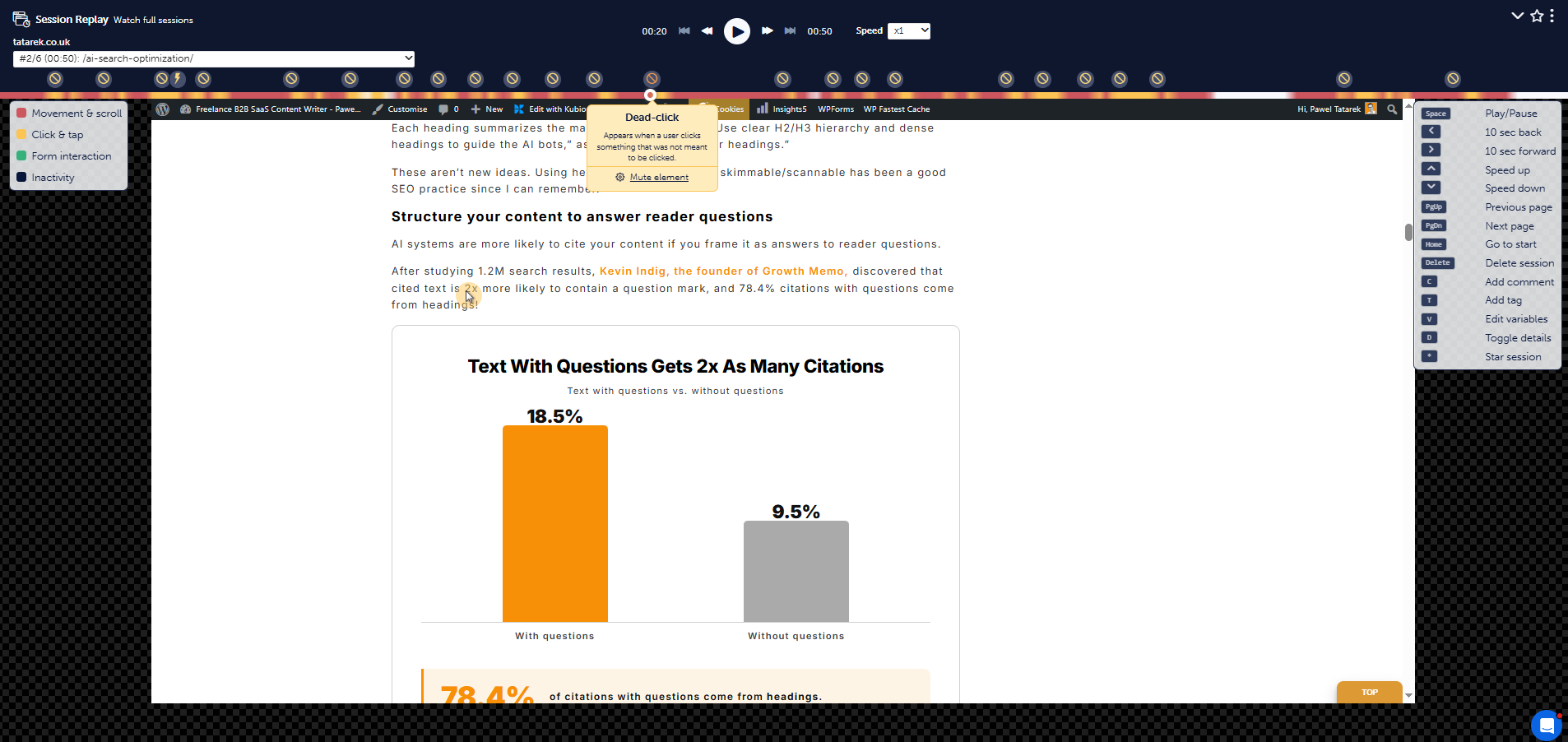
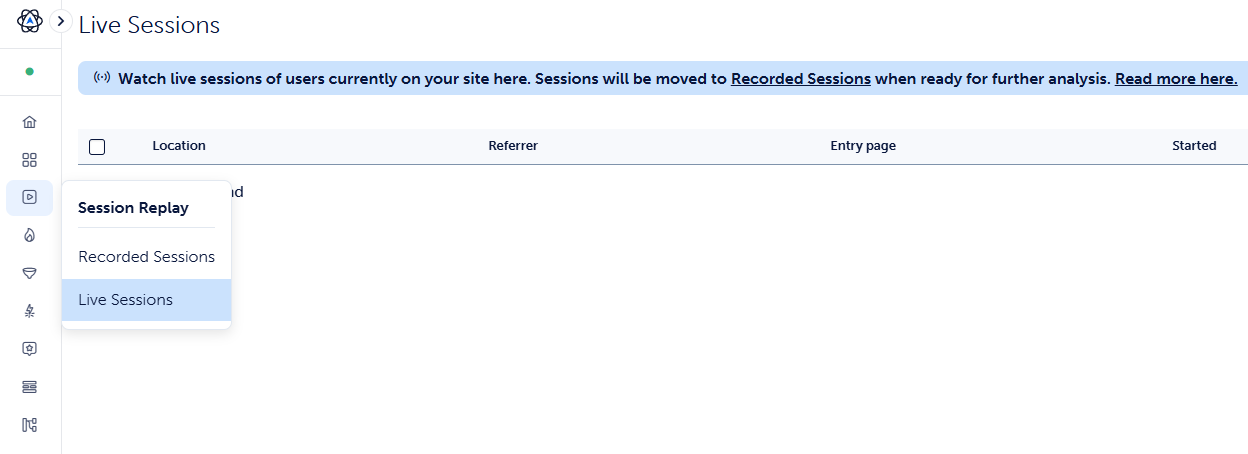
- Mouseflow offers a unique "Live Session Viewing" capability, allowing stakeholders to observe users in real-time. This is invaluable for support teams and developers who need to witness a bug or conversion hurdle as it occurs.
3. Conversion Funnels and Revenue Attribution
While both tools offer retroactive funnels—meaning you can define a path and immediately see historical data—they serve different ends:
- Crazy Egg is built for ease of use. You can define funnels based on URL paths, ad clicks, or specific events. It is highly effective for marketing teams looking to identify where traffic leaks from a funnel.
- Mouseflow introduces "Revenue Insights," which allows users to assign monetary values to funnel steps. This capability is superior for e-commerce managers who need to visualize the exact financial impact of a drop-off point.
4. AI and Sentiment Analysis
The industry has pivoted toward AI-assisted insights.
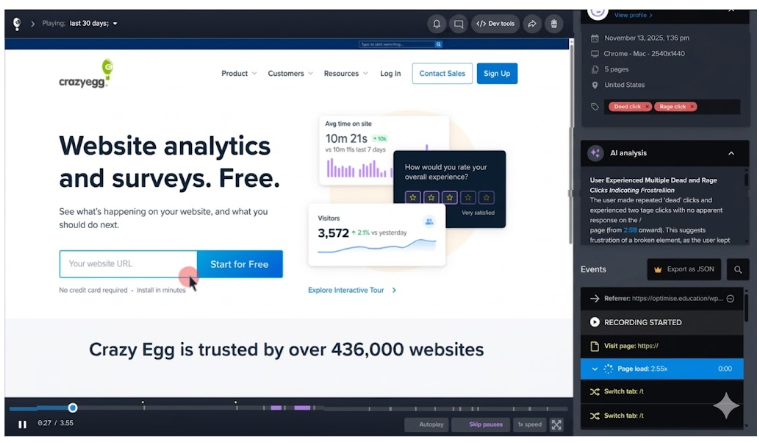
- Crazy Egg embeds AI directly into its reporting dashboard. It provides automated summaries and actionable recommendations across recordings, heatmaps, and surveys.
- Mouseflow has adopted a conversational approach, featuring a "Mina AI" chat assistant. This allows users to query their data using natural language, making it highly accessible for non-technical team members.
Implications for Your Tech Stack
The decision between these two tools often comes down to the maturity of your current marketing technology stack.
When to Choose Crazy Egg
If your goal is to consolidate your toolset, Crazy Egg is the clear winner. By including native A/B testing, you eliminate the need to pay for and integrate a secondary testing platform (like Optimizely or VWO). This is a massive advantage for small-to-medium-sized businesses or agencies that need to move from "finding a problem" to "testing a solution" without switching browser tabs. Its support for unlimited domains and team seats also makes it more scalable for agency work.
When to Choose Mouseflow
If your organization is already invested in a dedicated experimentation platform, Mouseflow is the better diagnostic tool. Its "Friction Score" provides a quantitative, objective metric for UX health that is hard to replicate elsewhere. The ability to perform field-level form analytics is also a critical differentiator for companies with complex, multi-step application forms or lengthy checkout processes.
Official Perspectives: The Value of Data Ownership
While both companies emphasize user privacy and GDPR compliance, their pricing models reflect their core values.
- Crazy Egg’s pricing is driven by "tracked pageviews." This is a user-centric model: you only pay for the pages you are actively monitoring. If you have a massive site but only care about your product pages, you aren’t penalized for the rest of your traffic.
- Mouseflow operates on a session-based model. Because it is designed to be "always on" for high-fidelity diagnostics, the session cap ensures that users receive consistent, high-resolution data for every visitor.
Final Analysis and Verdict
The choice between Crazy Egg and Mouseflow is not a question of which tool is "better," but which is more aligned with your operational workflow.
Choose Crazy Egg if:
- You are a growth marketer or agency lead looking to reduce your software bill by combining analytics, heatmaps, and A/B testing into one subscription.
- You require unlimited team seats and domains to manage multiple client accounts.
- You want an "all-in-one" solution where AI provides immediate, actionable advice on where to optimize next.
Choose Mouseflow if:
- You already have an established A/B testing process and need a deeper, more technical "microscope" to view user behavior.
- You require advanced technical features like form field analysis, live session viewing, and quantitative friction scoring.
- You have a dedicated analyst or UX researcher who will be spending significant time querying data to find subtle patterns in user behavior.
Ultimately, the best way to determine the right fit is to leverage the trial periods. Crazy Egg’s 30-day trial allows for a significant testing period without requiring a credit card, providing ample time to verify if its "all-in-one" approach fits your team’s velocity and goals. In a digital landscape where every percentage point of conversion matters, the right tool is the one your team will actually log into every day.
