
The Digital Agora: Navigating the Evolution of Social Media in Modern Government
In the digital age, the relationship between government and the citizenry has undergone a profound transformation. No longer confined to the static, one-way broadcasts of press releases or formal town halls, government communication has moved into the "digital agora"—the fast-paced, highly interactive world of social media. As of 2026, social platforms have become the primary interface through which public officials engage with their constituents, manage crises, and distribute essential services.

However, this transition is not without its perils. Balancing the need for authentic, real-time engagement with the rigid requirements of transparency, legal compliance, and security is the defining challenge for modern public affairs teams.

The Pillars of Modern Government Engagement
The move toward social-first governance is driven by necessity: with over half of U.S. adults sourcing their news from social platforms, government agencies must meet the public where they congregate.
Direct Engagement and Trust-Building
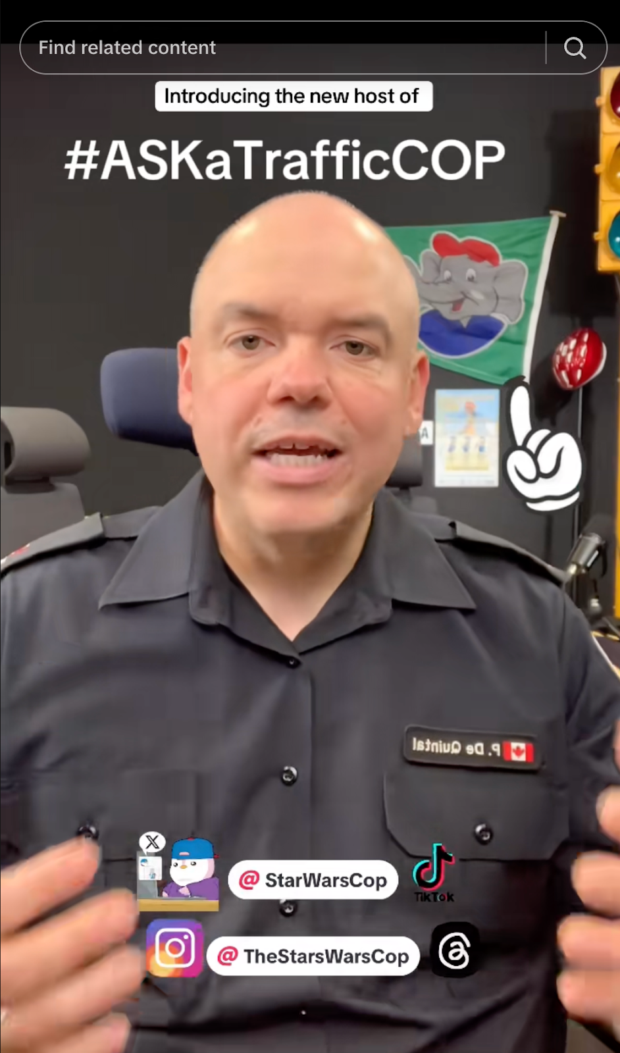
Social media allows for a humanized, responsive government. When the Toronto Police Traffic Unit hosts a TikTok "Ask Me Anything" session, they aren’t just answering questions about traffic laws; they are humanizing the badge. By moving away from sterile, bureaucratic language, officials can foster a sense of accessibility that is often lacking in traditional government institutions. In an era where public trust in government sits at a historic low—hovering around 17% in the United States—this shift toward authenticity is a strategic imperative.
Crisis Communication as a Public Utility
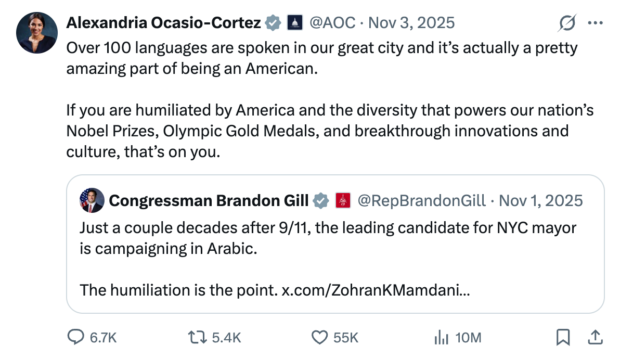
During emergencies, the speed of information flow is critical. Social media provides the infrastructure for rapid dissemination of alerts, safety instructions, and real-time updates. Yet, this speed is a double-edged sword. The rise of sophisticated, AI-generated misinformation means that government agencies must now act as the definitive "source of truth." Utilizing social listening tools to identify and dampen false narratives before they reach a fever pitch is now as vital to emergency management as traditional disaster response protocols.
Chronology: From Static Portals to Dynamic Interaction
The trajectory of government social media has evolved significantly over the last two decades:
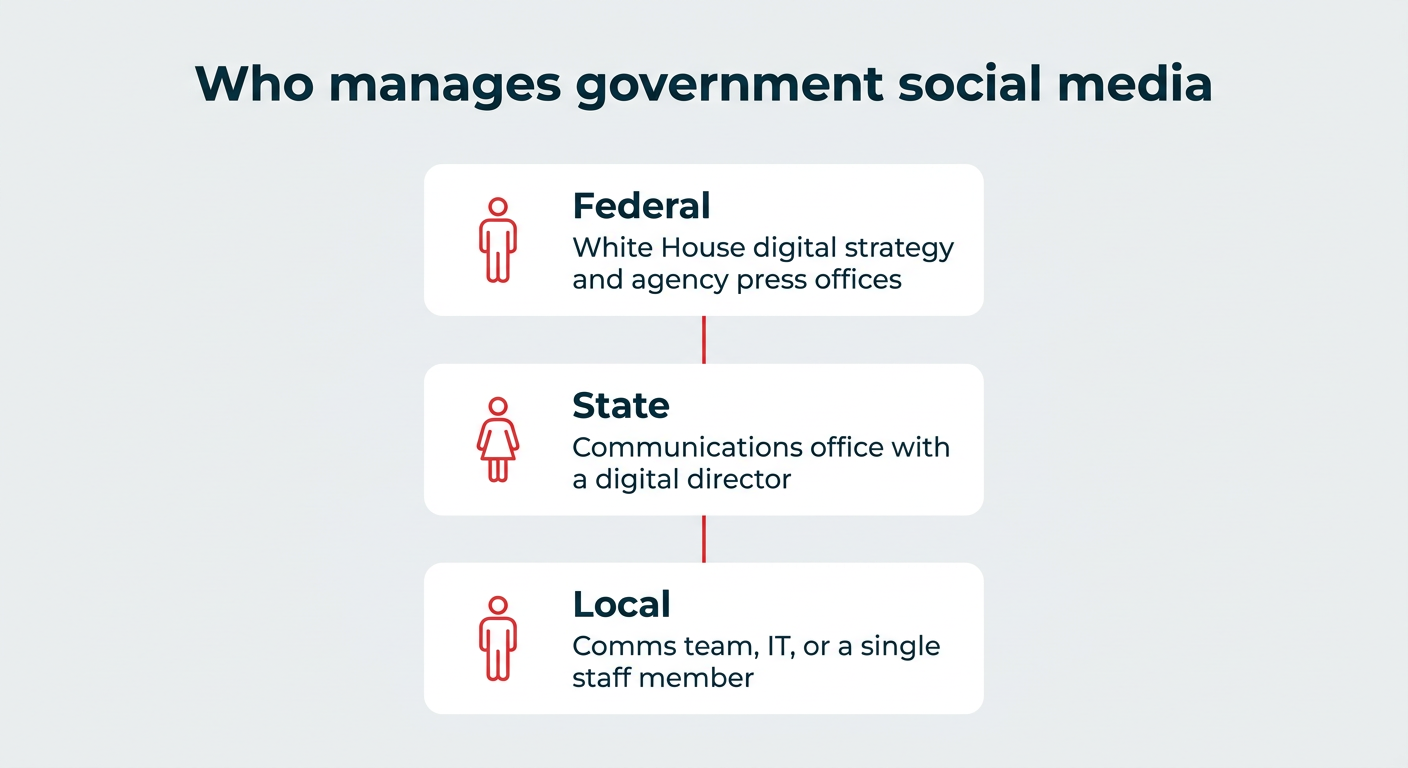
- 2008–2012 (The Early Adoption Phase): Agencies began experimenting with basic Facebook pages and Twitter accounts, mostly using them as digital bulletin boards for press releases.
- 2013–2019 (The Engagement Era): The rise of video-first content and mobile accessibility forced agencies to develop more interactive strategies. The era of the "viral government moment" began.
- 2020–2023 (The Crisis and Compliance Phase): The pandemic and global geopolitical tensions underscored the danger of misinformation, leading to stricter social media policies and the widespread adoption of archiving tools.
- 2024–2026 (The AI-Governance and Multi-Platform Era): Current efforts focus on managing fragmented audiences across newer platforms like Bluesky and Threads, while grappling with the ethical integration of AI in public communication.
Supporting Data: The 2026 Benchmarking Landscape
To understand how agencies are performing, we look to Q4 2025 performance data, which reveals a complex landscape of engagement and growth.
| Platform | Avg. Weekly Posts | Engagement Rate | Follower Growth |
|---|---|---|---|
| 16.1 | 1.5% | 1.38% | |
| N/A | 3.5% | 2.17% | |
| N/A | 2.7% | 0.39% | |
| X (Twitter) | N/A | 1.7% | 0% |
| TikTok | 2.4 | 1.6% | 0.7% |
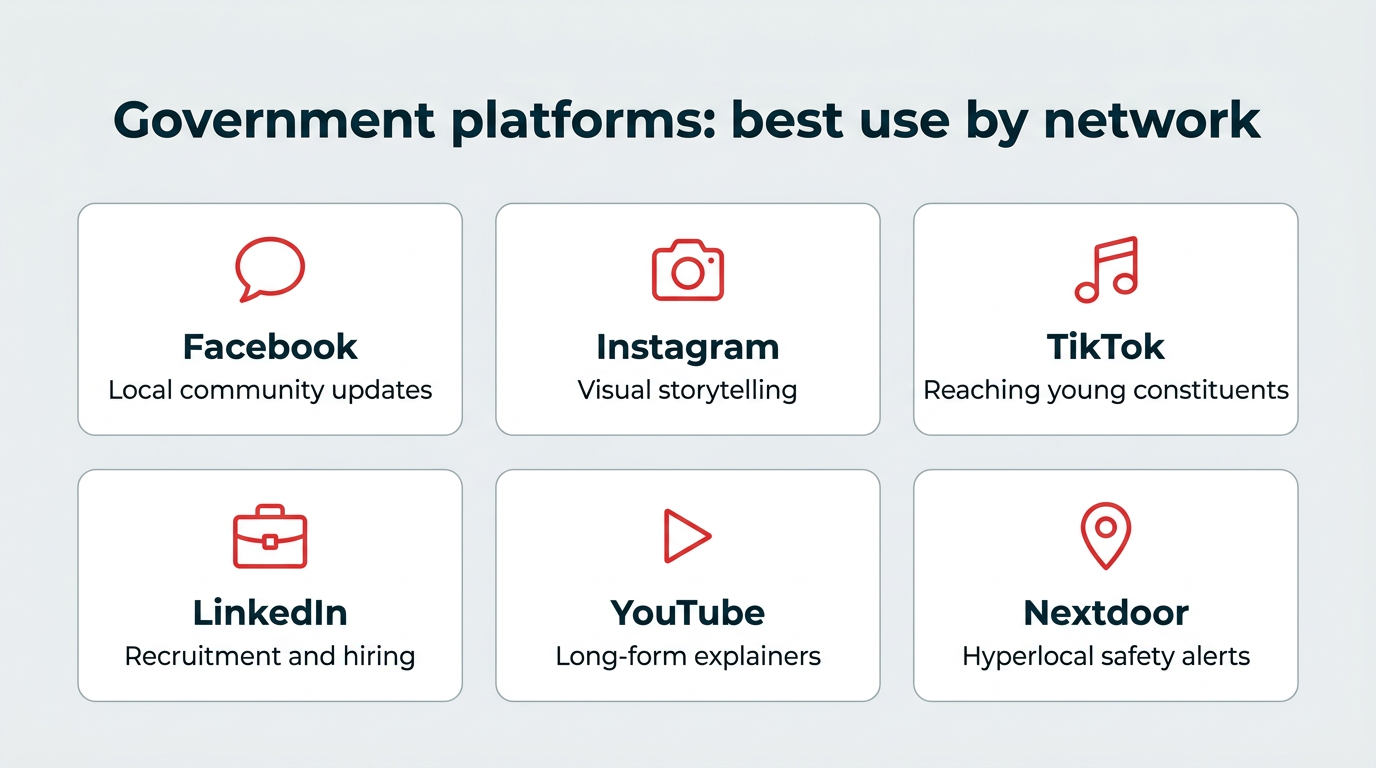
These figures highlight a crucial trend: while Facebook remains the "workhorse" for high-frequency municipal updates, visual-heavy platforms like Instagram command significantly higher engagement. Furthermore, the stagnation of follower growth on X signals a shift in where public discourse is occurring, pushing agencies to diversify their presence across emerging text-based platforms.
Official Responses and the Legal Framework
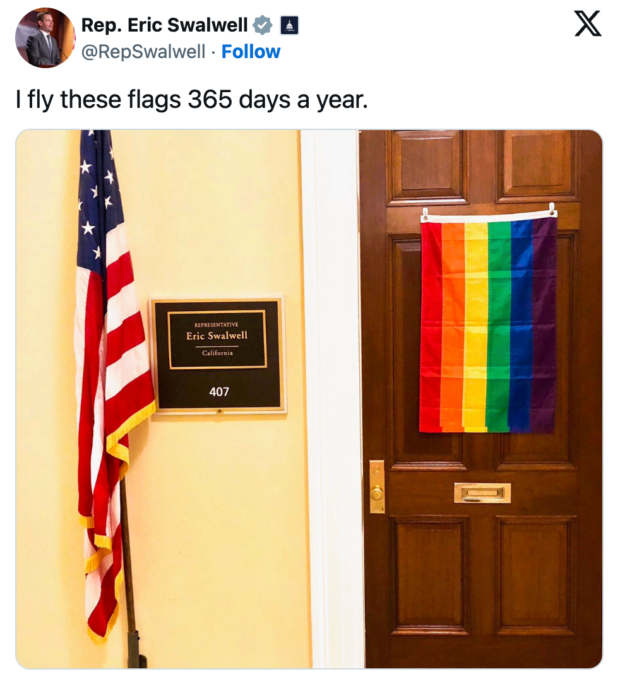
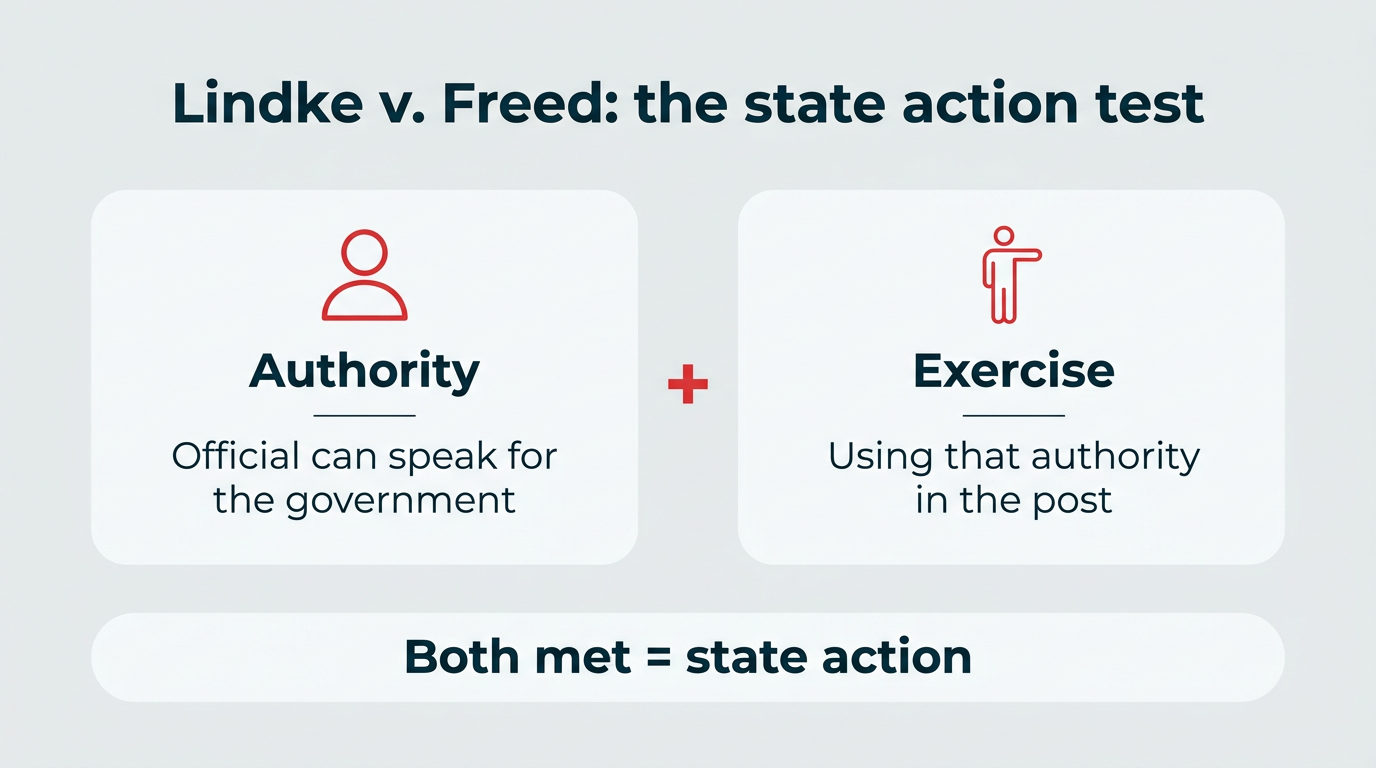
The role of social media in government is increasingly defined by the judiciary. The 2024 U.S. Supreme Court ruling in Lindke v. Freed provided a landmark clarification regarding the "state action" test. The court established that if an official uses a personal social media account to conduct government business, they may be restricted from blocking constituents or deleting critical comments, as the account effectively becomes a "public forum."
Compliance and Security Standards
Government social media managers now operate under a rigorous set of constraints:
- Section 508 Accessibility: Digital content must be fully usable by individuals with disabilities, including the use of alt-text and closed captions.
- Archiving Requirements: Under the Freedom of Information Act (FOIA) and local public records laws, all interactions on official accounts must be archived.
- FedRAMP Authorization: For federal agencies, the tools used to manage social media must meet stringent cloud security standards.
Implications: The AI Dilemma and Future Outlook
As we look further into 2026, the integration of Artificial Intelligence represents the next great frontier. AI tools are currently being deployed to automate content drafting, monitor public sentiment, and provide real-time translation for diverse communities.
However, the "black-box" nature of some AI tools is incompatible with government standards. An incorrect, AI-hallucinated response from an official government account is not merely a marketing error—it is a failure of public trust. Therefore, the industry standard is shifting toward "human-in-the-loop" governance. AI is being used as a force multiplier for efficiency, but the final editorial authority and ethical accountability must remain strictly with human public affairs professionals.

Strategic Recommendations
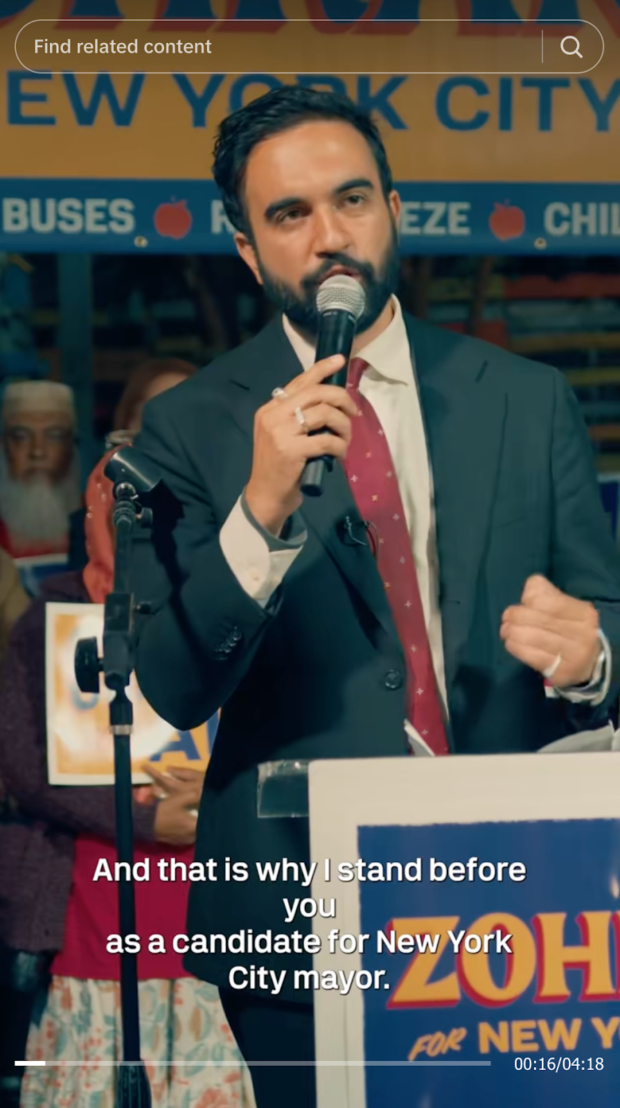
- Audience-Centric Strategy: As demonstrated by successful campaigns like those of Zohran Mamdani, who leveraged TikTok to secure overwhelming support from young voters, agencies must tailor their content to the platform and the demographic. A "one-size-fits-all" message is no longer effective.
- Invest in Listening: Proactive reputation management is the only way to stay ahead of misinformation.
- Standardize Governance: Utilize centralized management systems to ensure that every post is reviewed for compliance, accessibility, and brand alignment before it goes live.
Conclusion
The digital transformation of the public sector is no longer an experiment; it is the cornerstone of modern civic life. By treating social media not just as a megaphone, but as a genuine channel for service delivery and transparency, government agencies can rebuild the trust that has been eroded in recent decades. The future of government social media lies in this delicate equilibrium: leveraging the speed and reach of global platforms while upholding the rigorous standards of public service. As technologies evolve, the most successful agencies will be those that view every interaction as an opportunity to reinforce their commitment to the public they serve.
