
The Definitive Guide to Email Newsletter Software: Choosing Your Infrastructure for 2026
In the modern digital landscape, the "best" email newsletter software is no longer just about sending a broadcast to a list. It is about orchestrating a sophisticated, high-conversion communication strategy. While most software comparisons prioritize feature lists, they often overlook the "Big Three" pillars of success: deliverability, human-centric support, and the speed at which a marketing team can turn an idea into revenue.
As we look toward the 2026 marketing climate, businesses are moving away from bloated, generic platforms in favor of agile, data-backed systems. This guide cuts through the marketing fluff to help you choose the right infrastructure for your specific growth stage.
The Evolution of Email Marketing: Why Your Choice Matters
Historically, email marketing was a simple "blast" mechanism. Today, it serves as the backbone of customer retention and revenue generation. The shift from simple list management to behavioral-based automation has created a divide between tools that merely "send" and those that "convert."
The 4P Fit Framework for Evaluation
Before diving into specific tools, you must audit your needs against four critical pillars:
- Personalization: Does the platform support dynamic content blocks that change based on user behavior?
- Performance: Are the analytics bot-filtered? Can you see true engagement, or are you looking at vanity metrics inflated by privacy proxies?
- Platform: Does it integrate natively with your existing tech stack (Shopify, Salesforce, etc.), or will you be tethered to manual CSV exports?
- Partnership: When an IP block happens or a complex campaign breaks, do you have access to a human expert, or just a static FAQ page?
Top Contenders: A Comparative Analysis
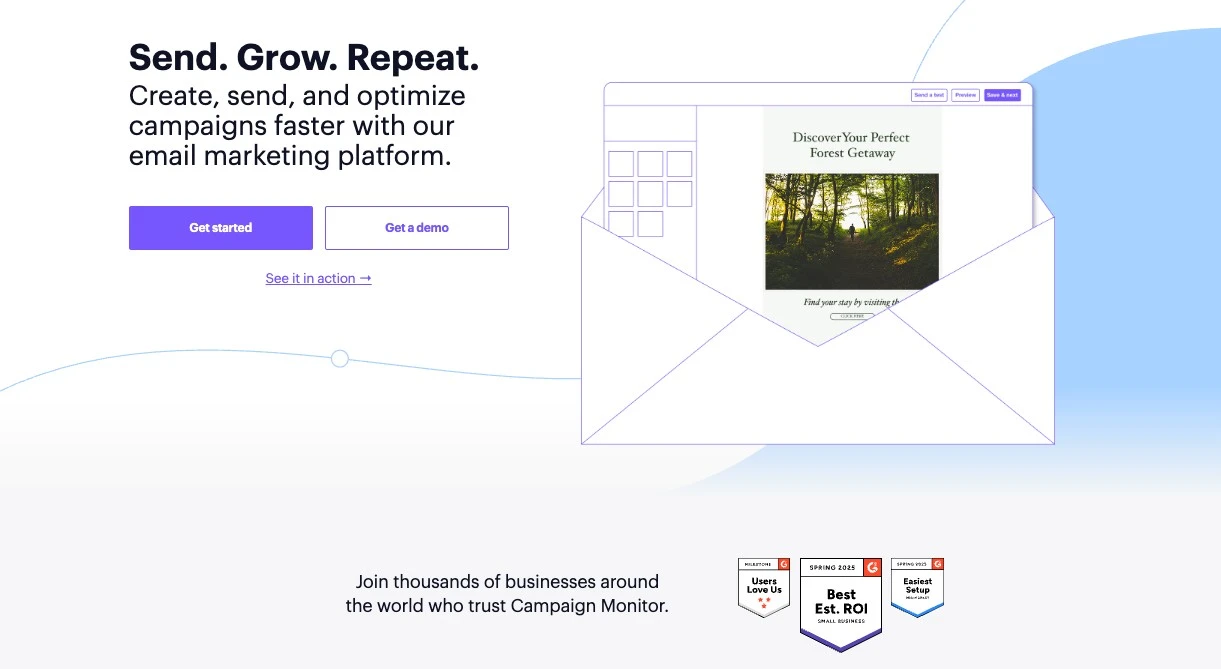
1. Campaign Monitor: The Gold Standard for Brand Control
Campaign Monitor is designed for teams that refuse to compromise on aesthetics or deliverability. It is particularly adept at handling multi-brand agencies and nonprofits that require strict brand consistency across various campaigns.
- Key Strength: Pixel-perfect design controls and highly robust deliverability.
- Best For: Design-led teams and agencies.
- The "Why": Its drag-and-drop editor is "fail-safe," meaning even non-technical team members can build high-end newsletters without breaking the underlying code.
2. Mailchimp: The All-in-One Small Business Hub
For the small business owner who needs a centralized dashboard for email, social media, and basic CRM, Mailchimp remains a household name.
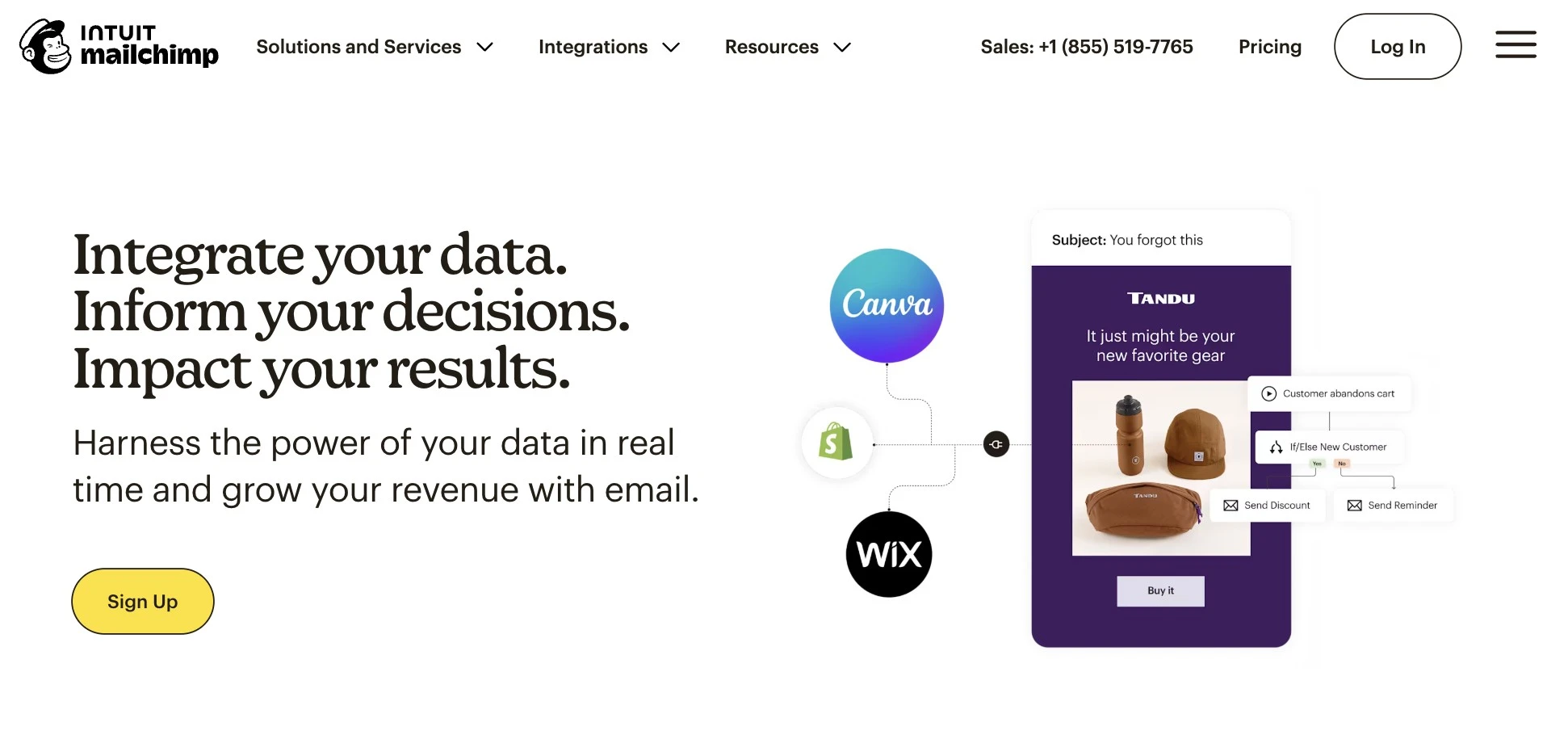
- Key Strength: An intuitive "everything-in-one" interface.
- Best For: eCommerce startups and small businesses.
- Implication: While convenient, power users may eventually find the template structure rigid and the pricing tiers restrictive as their contact list scales.
3. Brevo (Formerly Sendinblue): The Multichannel Budget Specialist
Brevo has disrupted the market by shifting away from per-subscriber pricing to volume-based pricing. This makes it an incredibly attractive option for high-volume senders who want to incorporate SMS and WhatsApp alongside their email strategy.
- Key Strength: Unlimited contact storage on free plans and multichannel versatility.
- Best For: Budget-conscious teams with high-volume needs.
4. ActiveCampaign: The Automation Powerhouse
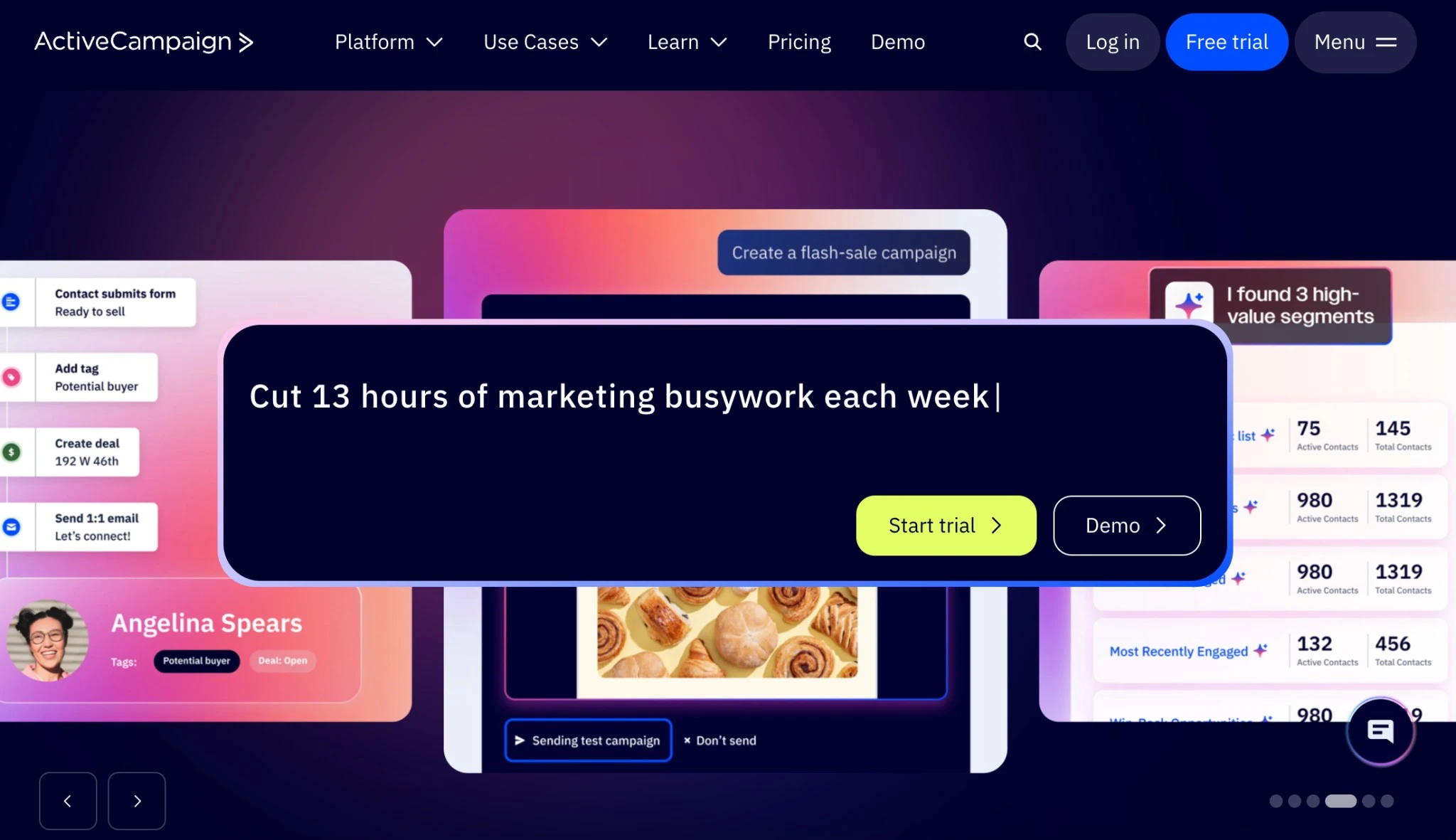
ActiveCampaign is not just an email tool; it is a sophisticated marketing automation platform. With its integrated CRM, it allows for deep, behavior-driven journeys that trigger emails based on specific user actions.
- Key Strength: Complex, multi-branch automation workflows.
- Best For: B2B, SaaS, and advanced eCommerce brands.
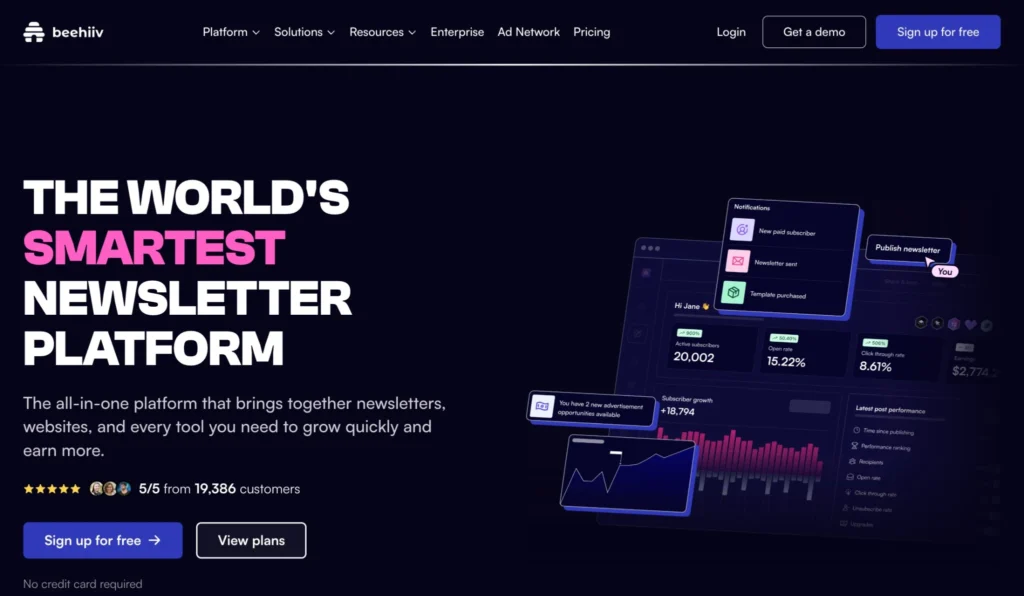
5. Beehiiv: The Creator-First Platform
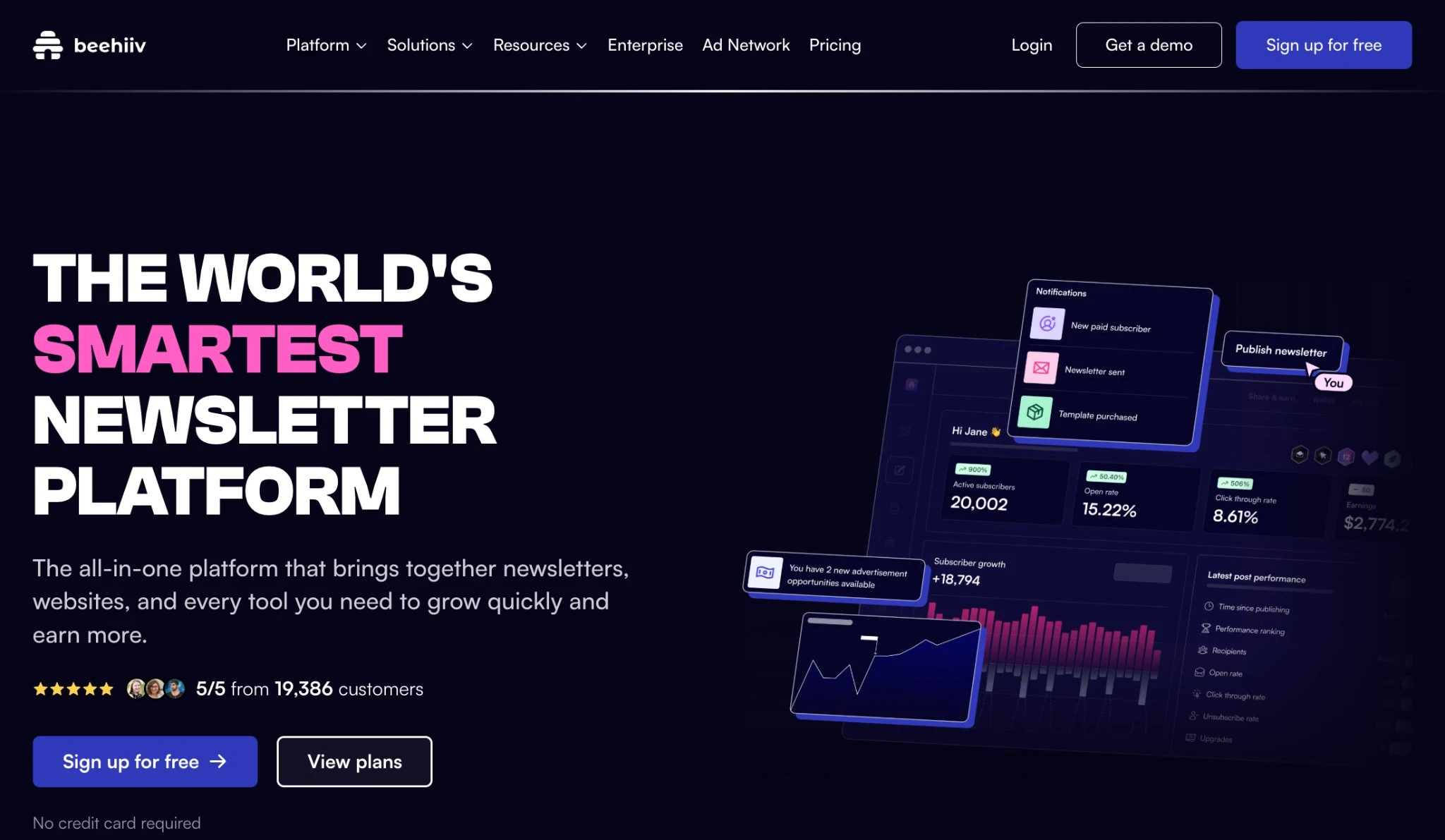
Beehiiv is the disruptor in the newsletter-publishing space. It was built specifically for content creators who treat their newsletter as a standalone media product.
- Key Strength: Built-in monetization, referral programs, and ad-network integrations.
- Best For: Media brands, writers, and solo creators looking to scale an audience.
Supporting Data: The ROI of Proper Tooling
The data suggests that the platform you choose has a direct impact on your bottom line. According to industry benchmarks:
- Personalization: High-relevance emails using dynamic content blocks see up to 3x the conversion rate compared to generic blast newsletters.
- Time Efficiency: Teams using robust, template-based systems report 75% less time spent in the building phase, allowing for more time in the strategy phase.
- Engagement: Platforms with built-in, bot-filtered analytics provide a clearer picture of ROI, allowing teams to pivot away from low-performing campaigns within 48 hours.
The Chronology of Choosing Your Software
Finding the right platform is not a one-day task. We recommend a 14-day "mini-pilot" strategy:
- Days 1–3: The Data Audit. Export your existing list. Ensure your custom fields (join date, purchase history, tags) are cleaned using a service like NeverBounce.
- Days 4–7: Template Stress Test. Build three different types of newsletters in your trial account. If you find yourself fighting the editor, abort the trial—the platform is not a fit.
- Days 8–10: Integration Check. Connect your store or CRM. Ensure data flows in both directions without manual interference.
- Days 11–14: The Support Test. Send a specific, technical question to the support team. Their response time and quality of advice will be the single most important factor when you eventually encounter a real-world crisis.
Official Industry Stance and Implications
As of 2026, the email marketing industry is undergoing a "Privacy-First" shift. Apple’s Mail Privacy Protection and other similar measures have rendered traditional "open rate" metrics nearly obsolete.
The Implication: If your software vendor is still pushing "open rates" as their primary performance metric, they are behind the curve. Modern industry leaders are now focusing on:
- Click-Through Attribution: Measuring what happens after the click.
- Revenue Attribution: Connecting email engagement directly to sales within your CRM.
- Deliverability Reputation: Managing IP health to ensure emails hit the inbox, not the junk folder.
Frequently Asked Questions
Q: Does any tool guarantee 100% deliverability?
A: No. Deliverability is a shared responsibility between your software provider and your own list hygiene. If you send emails to unverified, stale addresses, even the best platform will see your reputation suffer.
Q: How do I handle a massive migration?
A: Most premium platforms (like Campaign Monitor) offer migration assistance. If you have over 50,000 subscribers, do not attempt a manual move. Request a white-glove migration to ensure your segmentation and subscriber data remain intact.
Q: When should an agency upgrade their software?
A: Agencies should upgrade the moment they feel "limited" by client permissions. If you cannot easily give a client access to their own data while maintaining control over the master template, you have outgrown your current tool.
Conclusion: The Path Forward
The "best" email software is the one that aligns with your specific "North Star" metric. Whether that is subscriber growth (Beehiiv), conversion volume (ActiveCampaign), or brand-aligned communication (Campaign Monitor), the goal is to remove friction.
In 2026, your email strategy is only as strong as the infrastructure supporting it. By focusing on the 4P Fit Framework—Personalization, Performance, Platform, and Partnership—you can ensure that your newsletter becomes a sustainable, high-growth engine for your brand.
Disclaimer: This guide is provided for educational purposes and does not constitute financial or legal advice. Always perform your own due diligence and consult with a professional before finalizing a software migration.
