
The Definitive Guide to Email Newsletter Software: Choosing the Right Engine for Your 2026 Strategy
In the noisy landscape of modern digital marketing, most "best email newsletter software" roundups function as little more than feature dumps. They provide endless lists of bullet points while conveniently ignoring the metrics that actually define success: deliverability rates, the quality of human support, and the speed with which a business can transform an idea into measurable revenue.
As we move deeper into 2026, the stakes for email marketing have shifted. With privacy regulations tightening and AI-driven content flooding inboxes, the ability to land in the primary tab—and provide value once you arrive—is the new gold standard. Whether you are an agency managing dozens of clients, a creator building a media brand, or a nonprofit seeking to maximize donor engagement, the platform you choose is a fundamental business decision.
The 4P Fit Framework: Why Features Aren’t Enough
Before selecting a provider, you must look beyond the surface-level feature list. We recommend the 4P Fit Framework to evaluate any software:
- Personalization: Look for dynamic content blocks that allow you to tailor messaging based on subscriber behavior, not just simple "first name" tags.
- Performance: Demand real-time, bot-filtered analytics. In an era where privacy changes have made open rates unreliable, true revenue attribution is the only metric that matters.
- Platform: Prioritize native integrations. If your newsletter tool cannot sync seamlessly with your CRM, Shopify, or Salesforce instance, you are destined for a life of manual CSV exports and data silos.
- Partnership: When an IP address gets flagged or a complex template breaks, you need access to human support, not a forum thread.
Chronology of the Modern Email Landscape
The evolution of email marketing has progressed from simple text blasts to complex, omnichannel automated ecosystems.
- The Era of Mass Blasting (Early 2000s): The goal was volume. Deliverability was less of a concern, and segmentation was virtually non-existent.
- The Rise of Automation (2010s): Tools like Mailchimp and Constant Contact introduced "drip campaigns," allowing for basic triggered emails based on user signup.
- The Data-Driven Era (2020–2025): Focus shifted to segmentation, behavioral tagging, and the integration of transactional emails with marketing newsletters.
- The AI and Privacy Era (2026 and beyond): Success now requires hyper-personalization, stringent list hygiene, and tools that can navigate complex privacy filters while proving ROI.
Market Leaders: Top Software Solutions for 2026
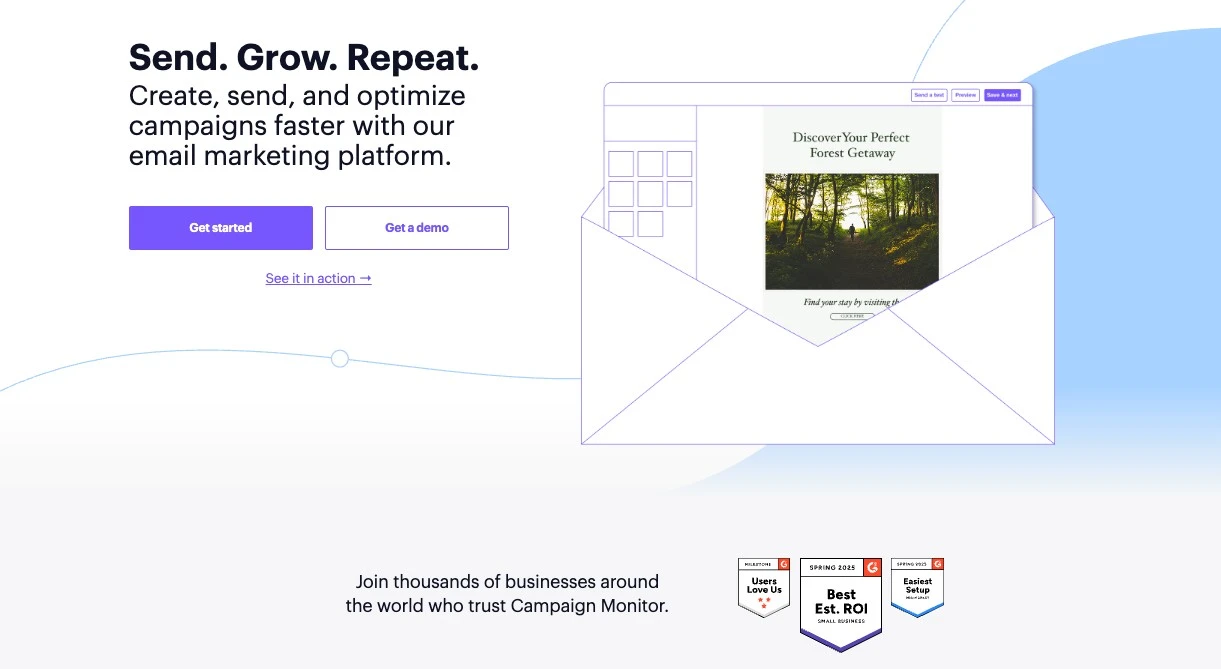
1. Campaign Monitor: Best for Design and Deliverability
Campaign Monitor stands out for its "pixel-perfect" design capabilities and enterprise-grade deliverability. It is built specifically for teams that prioritize brand integrity.
- Key Advantage: A visual journey builder that allows for complex, automated workflows without requiring a developer.
- Best For: Agencies, nonprofits, and design-led businesses.
2. Mailchimp: The All-in-One CRM
Mailchimp remains the most recognized name in the space, acting as a "one-login" ecosystem for small businesses that need email, basic CRM, and marketing automation under one roof.
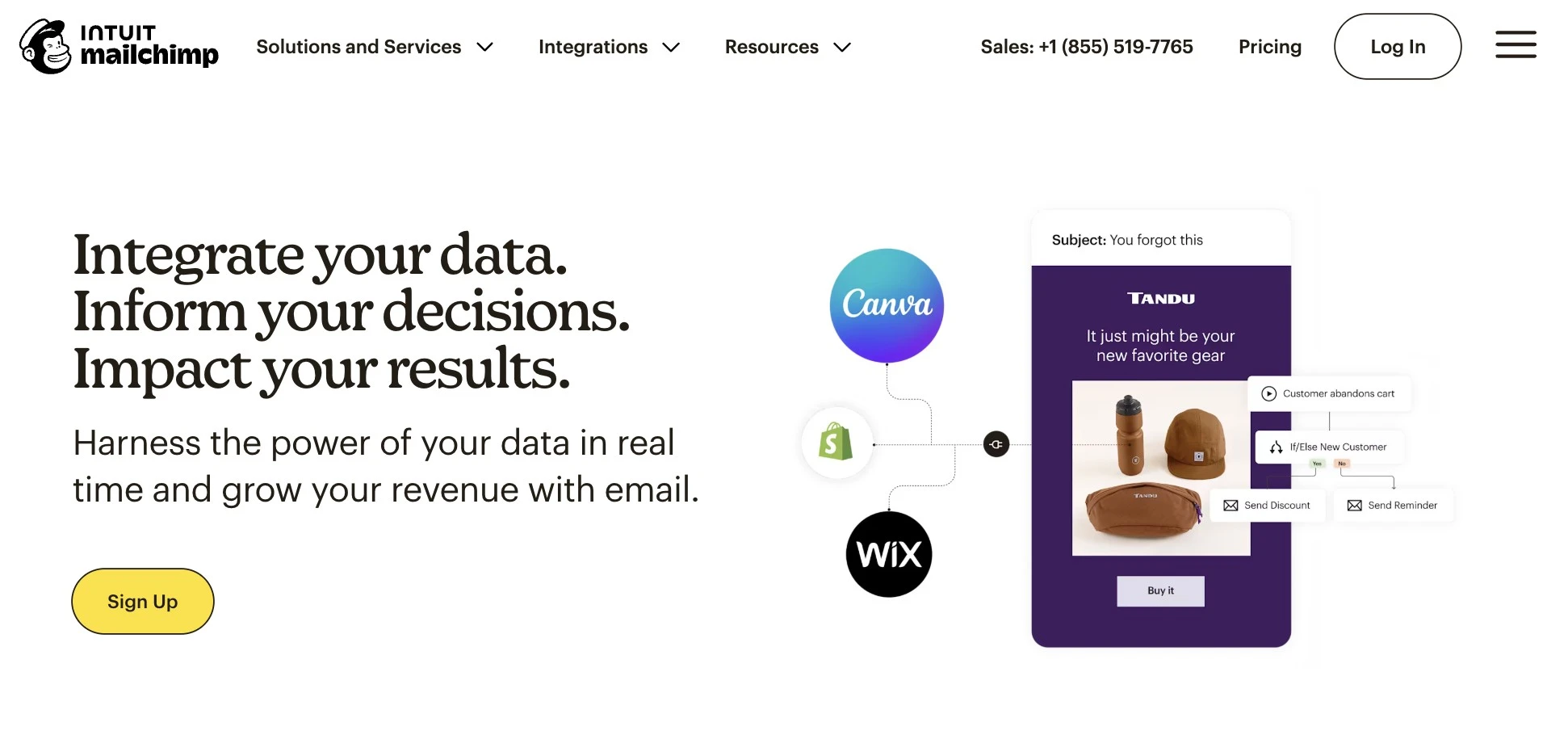
- Key Advantage: Ease of use and a massive library of third-party integrations.
- Best For: Small businesses and eCommerce startups that want simplicity.
3. Brevo: The Budget-Friendly Multichannel Choice
Formerly known as Sendinblue, Brevo has pivoted to focus on volume-based pricing. Because they charge based on email volume rather than list size, they are a favorite for businesses with large, static databases.
- Key Advantage: Includes SMS, WhatsApp, and transactional email capabilities in the base package.
- Best For: Budget-conscious teams with high-volume, multichannel needs.
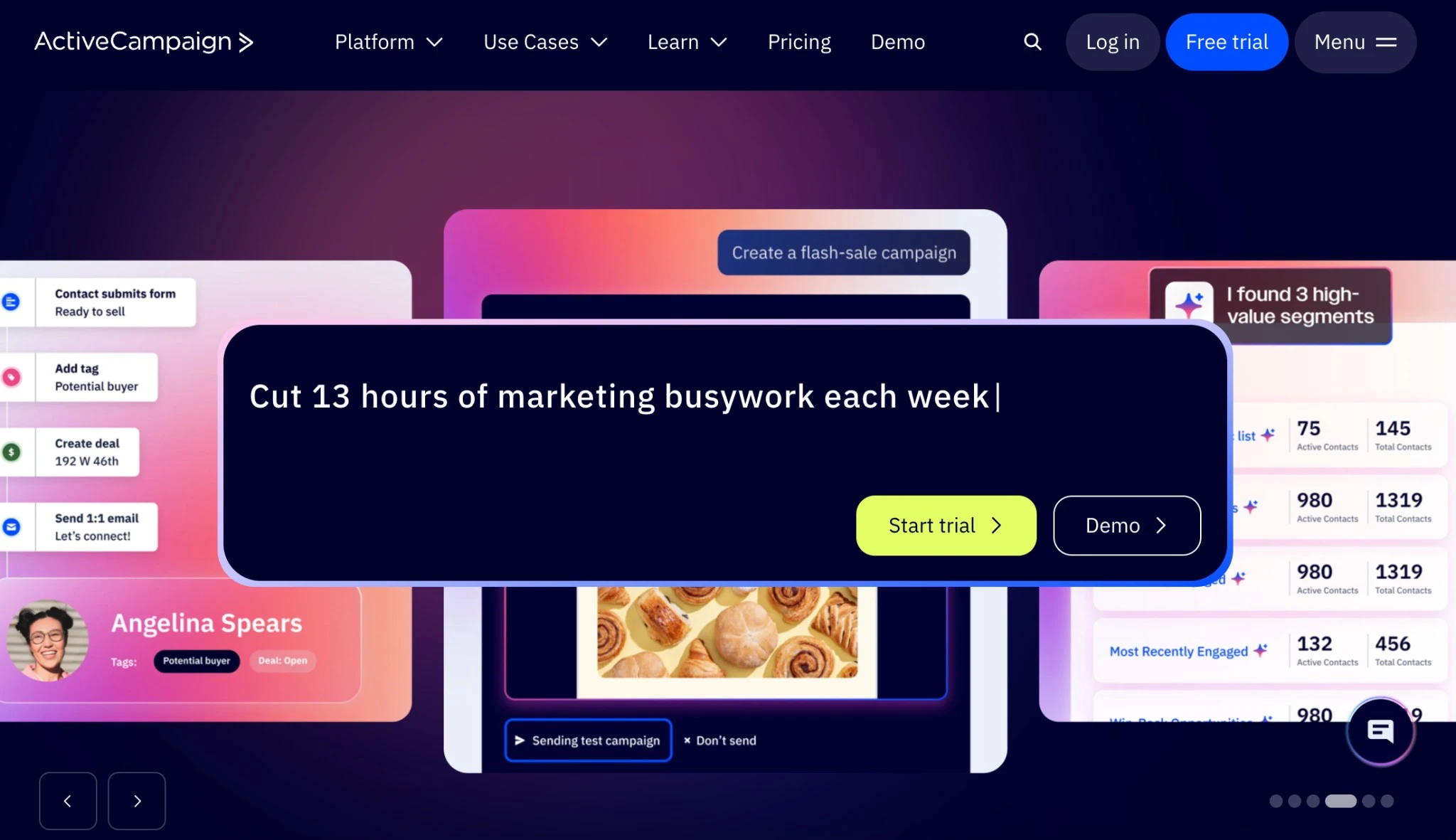
4. ActiveCampaign: The Powerhouse for B2B
ActiveCampaign is the undisputed champion of complex automation. It is less of a "newsletter tool" and more of a customer experience platform.
- Key Advantage: Deep, behavior-driven automation and an advanced built-in CRM.
- Best For: Scaling SaaS and B2B companies.
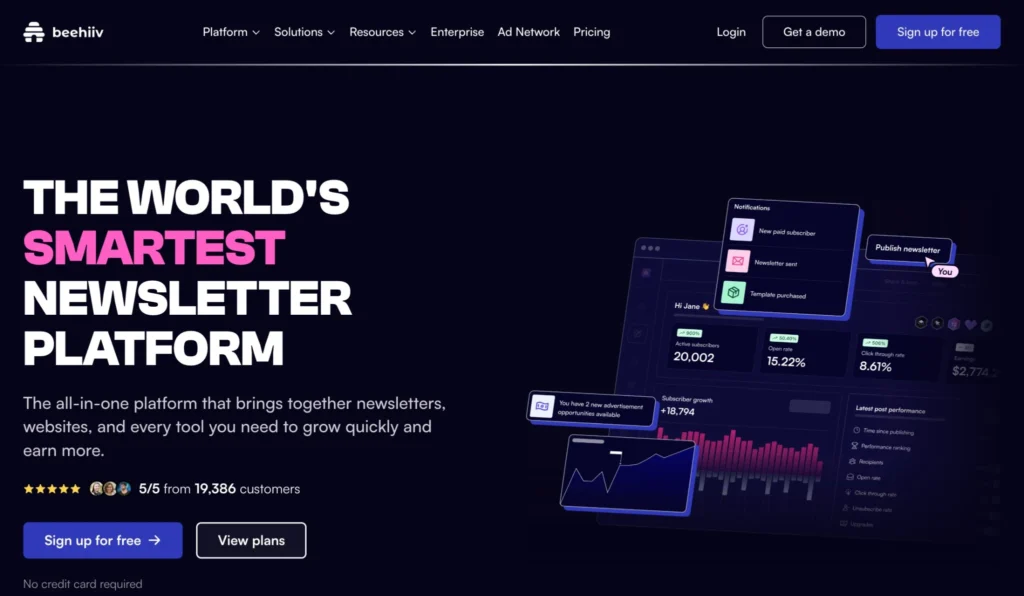
5. Beehiiv: The Creator’s Toolkit
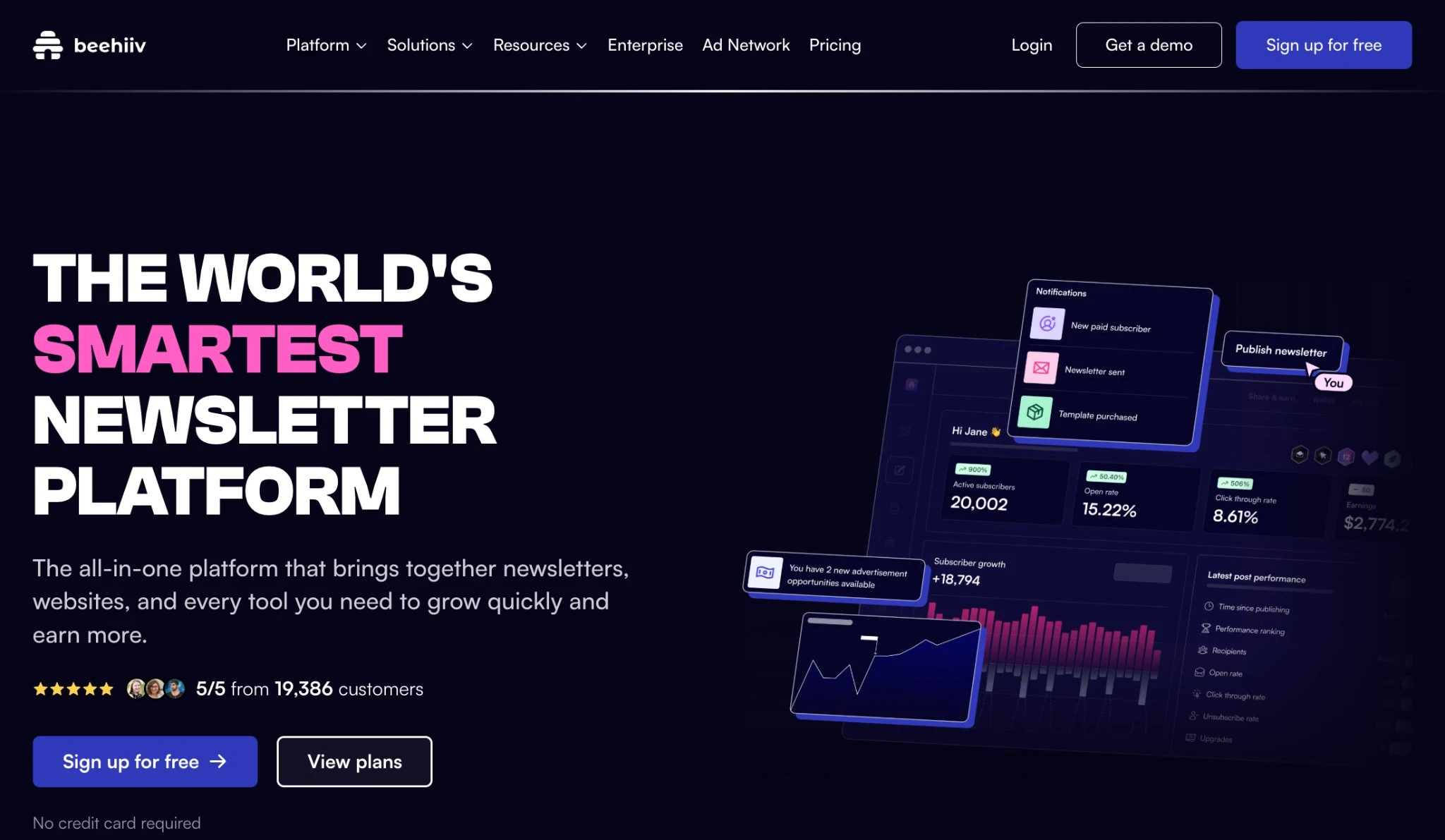
Beehiiv was purpose-built for the newsletter-as-a-business model. It is designed to help publishers grow their audience and monetize through paid subscriptions and ad networks.
- Key Advantage: Built-in referral programs and monetization features that are usually bolted onto other platforms.
- Best For: Newsletter publishers, bloggers, and media entrepreneurs.
Supporting Data: Why Strategy Beats Features
Industry benchmarks from 2026 suggest that high-relevance emails—those utilizing dynamic content and behavioral triggers—see up to 3x the conversion rate of generic "blast" newsletters.
Furthermore, data suggests that "vanity metrics" are dead. In a study of top-performing campaigns, brands that prioritized click-through rates (CTR) and revenue attribution over open rates experienced a 22% higher year-over-year growth in customer lifetime value. The implication is clear: the technology you choose must be able to filter out bot-driven clicks and provide a clear line from "email sent" to "transaction completed."
Implications of Platform Selection
Selecting an email service provider (ESP) is a high-switching-cost decision. Once you migrate your list, set up your segments, and integrate your API, you are locked in.
- For Agencies: Choosing the wrong platform can lead to "client churn." If your ESP cannot handle sub-accounts or provide white-labeled reports, your ability to justify your retainer fees diminishes.
- For Nonprofits: Deliverability is a mission-critical issue. If your donation appeals hit the spam folder, your fundraising goals are at risk.
- For eCommerce: If your email tool does not sync with your cart data, you are losing out on abandoned cart revenue—which often accounts for 15–20% of total online sales.
How to Run a "Mini-Pilot" Before Committing
Do not migrate your entire list based on a marketing brochure. Follow this professional audit process:
- Define your North Star: Are you optimizing for sales, open rates, or list growth?
- The 14-Day Pilot: Select 500 to 1,000 subscribers from your current list. Import them into the new platform and run a standard campaign.
- Test the Support: During the trial, purposefully open a support ticket with a technical question. The speed and quality of the response will tell you everything you need to know about your future partnership.
- Audit the Export: Before you commit, test the export process. Ensure that all your custom fields, tags, and suppression lists move over cleanly. If the platform makes it hard to leave, they have failed the "Partnership" pillar of the 4P framework.
Final Thoughts: The Path Forward
In 2026, the "best" software is not the one with the most bells and whistles; it is the one that aligns with your operational maturity. If you are a creator, look to Beehiiv. If you are a complex B2B firm, ActiveCampaign is your likely partner. If you are a design-led brand, Campaign Monitor remains the gold standard.
Remember: Your newsletter is your direct line to your audience. In an age of algorithm changes and social media volatility, email remains the only channel where you truly own the relationship. Choose your engine wisely, test it thoroughly, and focus on the data that drives real-world revenue.
Disclaimer: This guide provides general information regarding email marketing. It does not constitute financial, legal, or tax advice. Consult with a qualified professional before making significant changes to your marketing infrastructure.
