
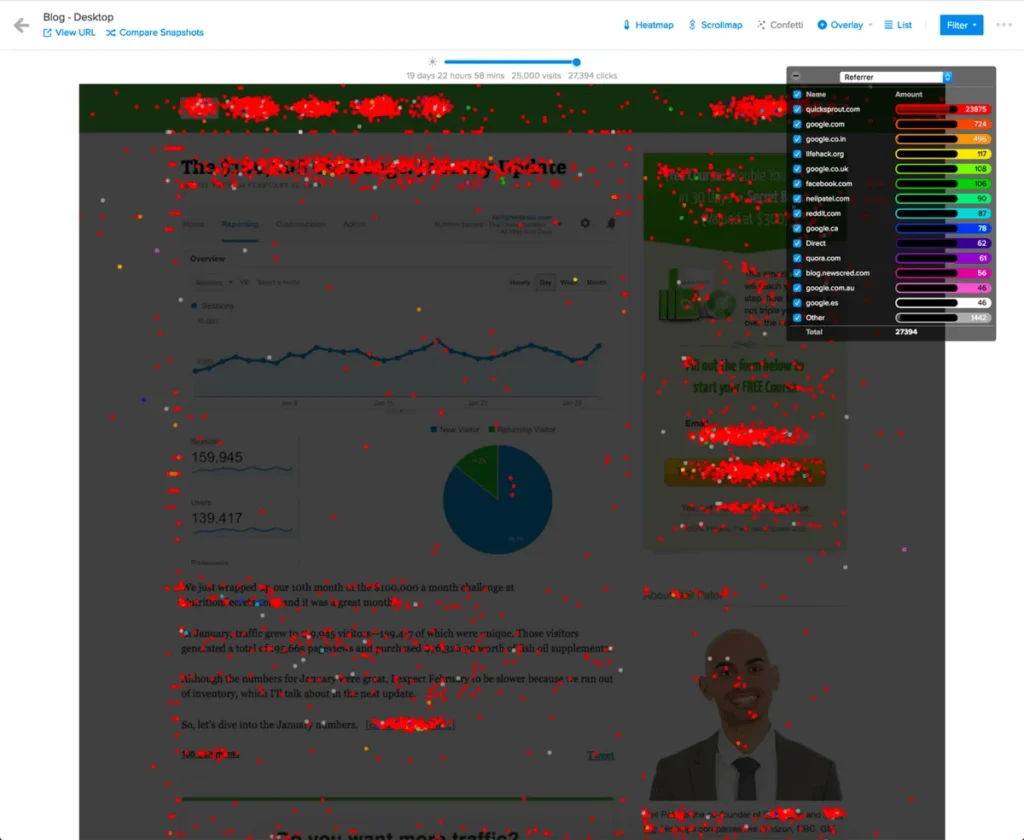
The Art and Science of Landing Page Optimization: A Comprehensive Guide to Boosting Conversions
In the high-stakes world of digital marketing, the landing page is the final frontier. It is the digital storefront where the promise of an advertisement or search result meets the reality of user intent. When a visitor clicks, the clock starts ticking—and you have only seconds to prove that your page is the destination they were looking for.
Landing page optimization (LPO) is the systematic process of improving the visitor experience on a specific page to drive higher conversion rates. Whether your goal is to secure a product sale, capture an email address for a newsletter, or book a high-value demo, LPO ensures that the gap between traffic and revenue is as narrow as possible.
The Optimization Loop: A Strategic Framework
Landing page optimization is not a one-time design tweak; it is a continuous, iterative loop. This framework consists of three distinct phases: Find, Fix, and Test.
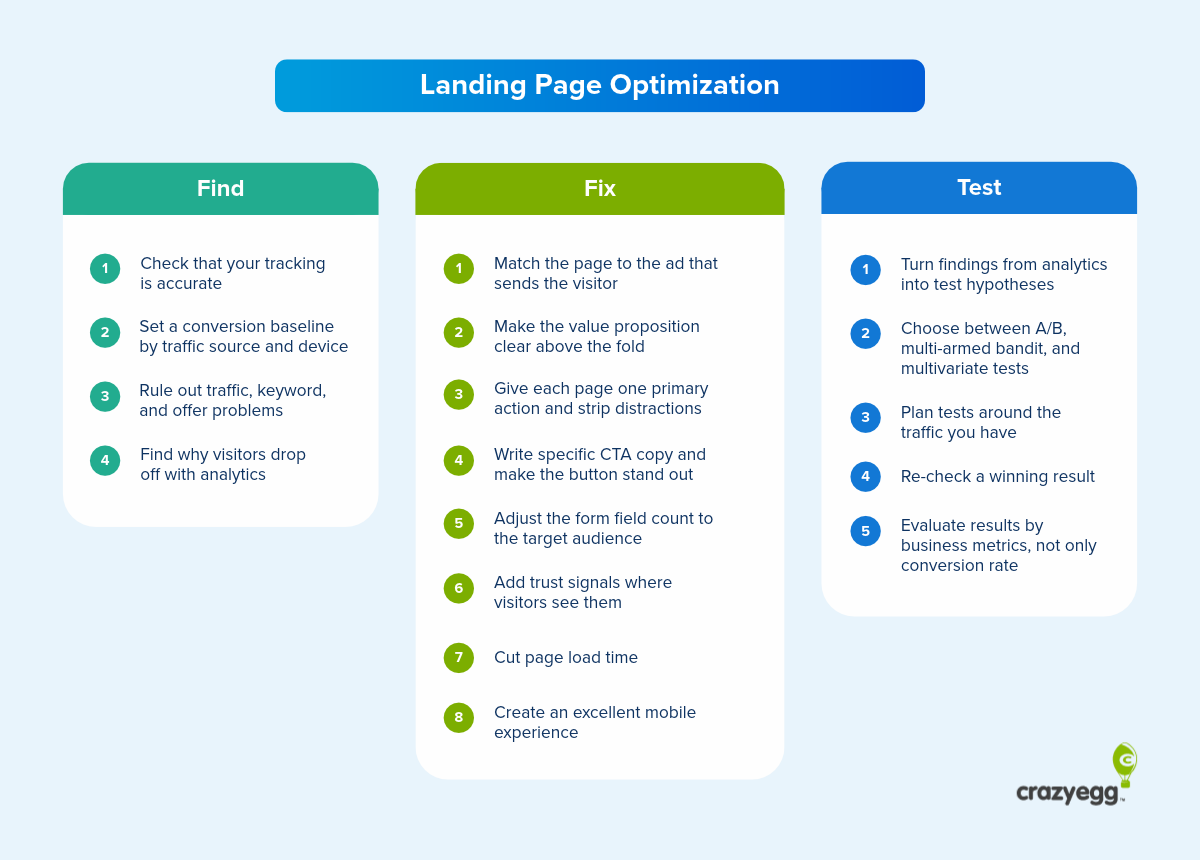
- Find: Utilize data to identify exactly where your page is leaking visitors.
- Fix: Implement evidence-based changes designed to remove friction.
- Test: Validate those changes through rigorous A/B or multivariate testing before a full-scale rollout.
By following this cycle, marketers can move away from guesswork and rely on the empirical evidence of how users actually interact with their digital assets.
Phase 1: Diagnosing Performance Gaps
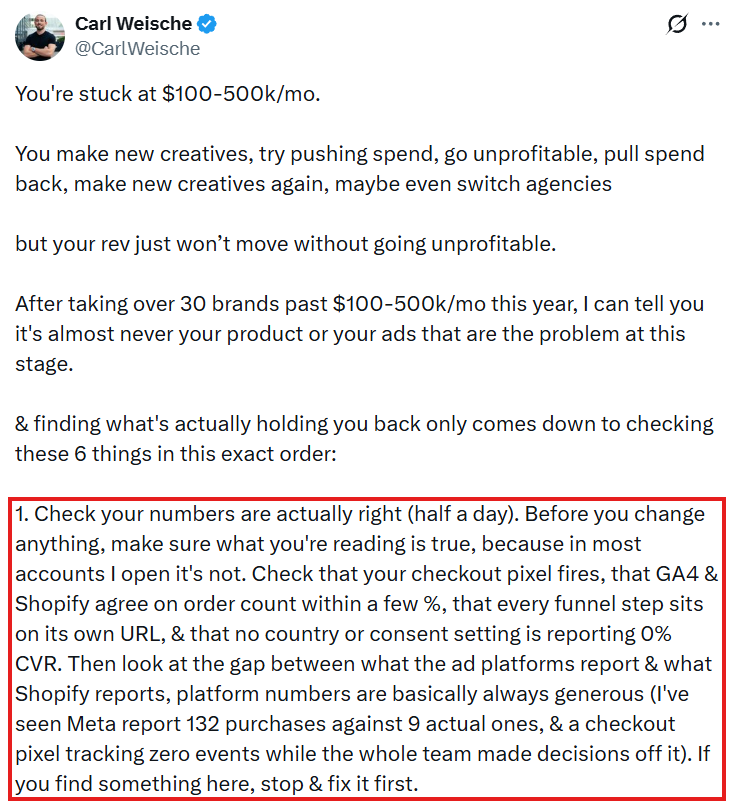
Before you commit to a redesign, you must ensure your data is a reliable foundation for decision-making. As Carl Weische, CEO of the ecommerce growth agency Accelerated, famously warns: "Before you change anything, make sure what you’re reading is true, because in most accounts I open, it’s not."
Verifying Tracking Accuracy
If your analytics platform is misconfigured, you are essentially flying blind. Before troubleshooting your landing page, verify that your conversion tracking pixels are firing correctly and that your data isn’t being skewed by internal traffic or bot activity.
Setting Baselines by Channel and Device
A common pitfall is relying on "average" conversion rates. These metrics are often misleading because they aggregate vastly different behaviors. According to Unbounce’s 2024 benchmarks, conversion rates fluctuate wildly by source: email traffic often converts at 16.9%, whereas display advertising may hover near 0.3%.
Furthermore, you must segment your data by device. While desktop often maintains a slight lead in general commerce, SaaS products frequently show parity between mobile and desktop users. If you do not segment your data, a sudden influx of mobile traffic could artificially depress your conversion rate, leading you to "fix" a page that isn’t actually broken.
Ruling Out External Variables
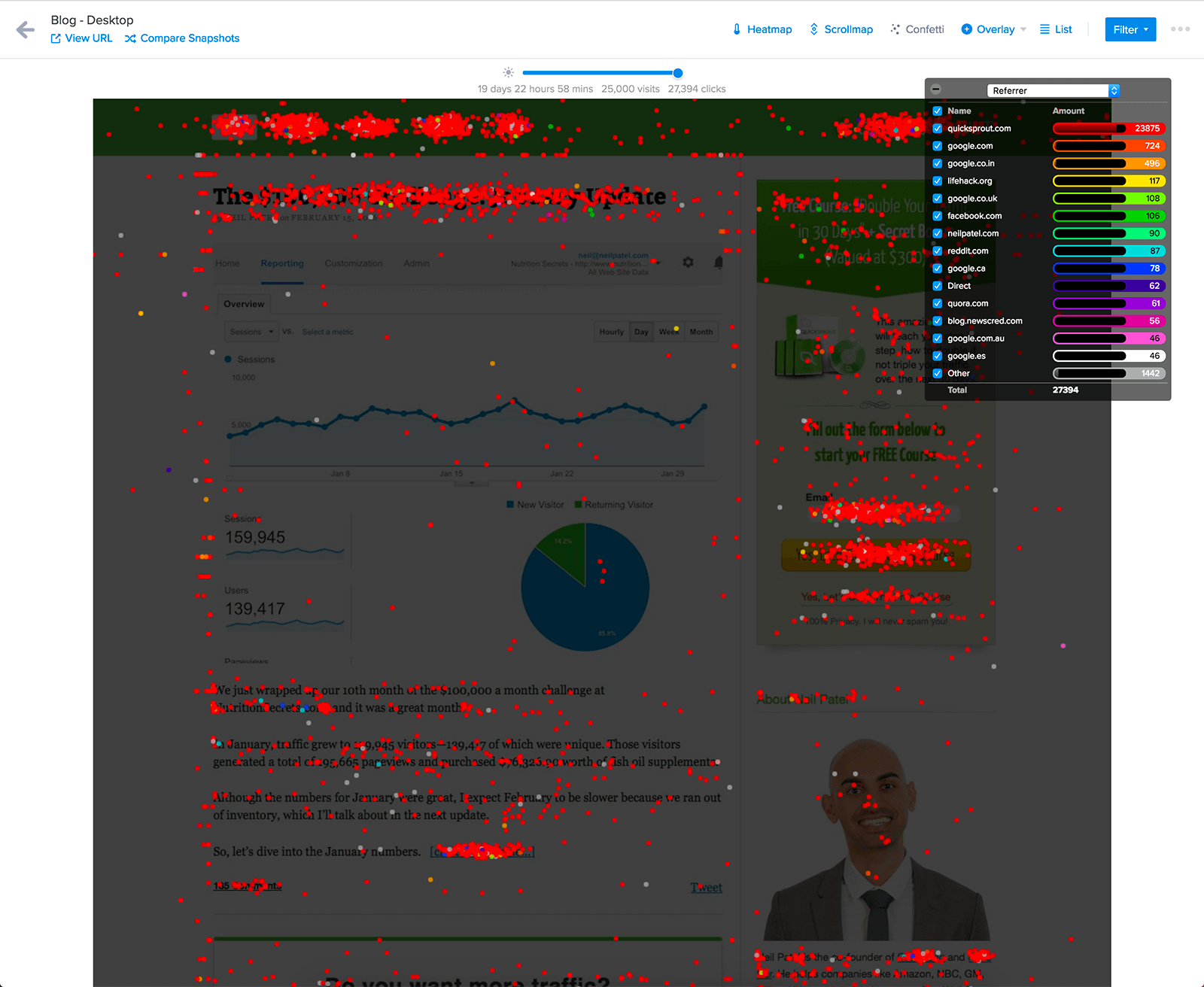
Sometimes, a drop in performance has nothing to do with your landing page design. Before making structural changes, investigate:
- Traffic Quality: Did your ad budget scale too quickly? Often, reaching a broader, "colder" audience results in lower conversion rates.
- Keyword Intent: Is your organic search traffic arriving via irrelevant search queries?
- Seasonality: Does your current performance dip correlate with historical data from previous years?
- The "Ad-to-Page" Bridge: If the headline and offer in your ad do not perfectly mirror the content on the landing page, you have created a "broken promise" that triggers immediate bounces.
Phase 2: Implementing Best Practices for Conversion
Once the data confirms that the issue lies within the page itself, it is time to apply proven optimization principles.
1. Aligning the Promise with the Page
The "bridge" between an ad and a landing page must be seamless. If a user clicks an ad promising a "30% discount on winter jackets," they should not be met with a generic homepage. The headline, the offer, and the Call to Action (CTA) must be in lockstep with the user’s expectations.
2. The Power of "Above the Fold"
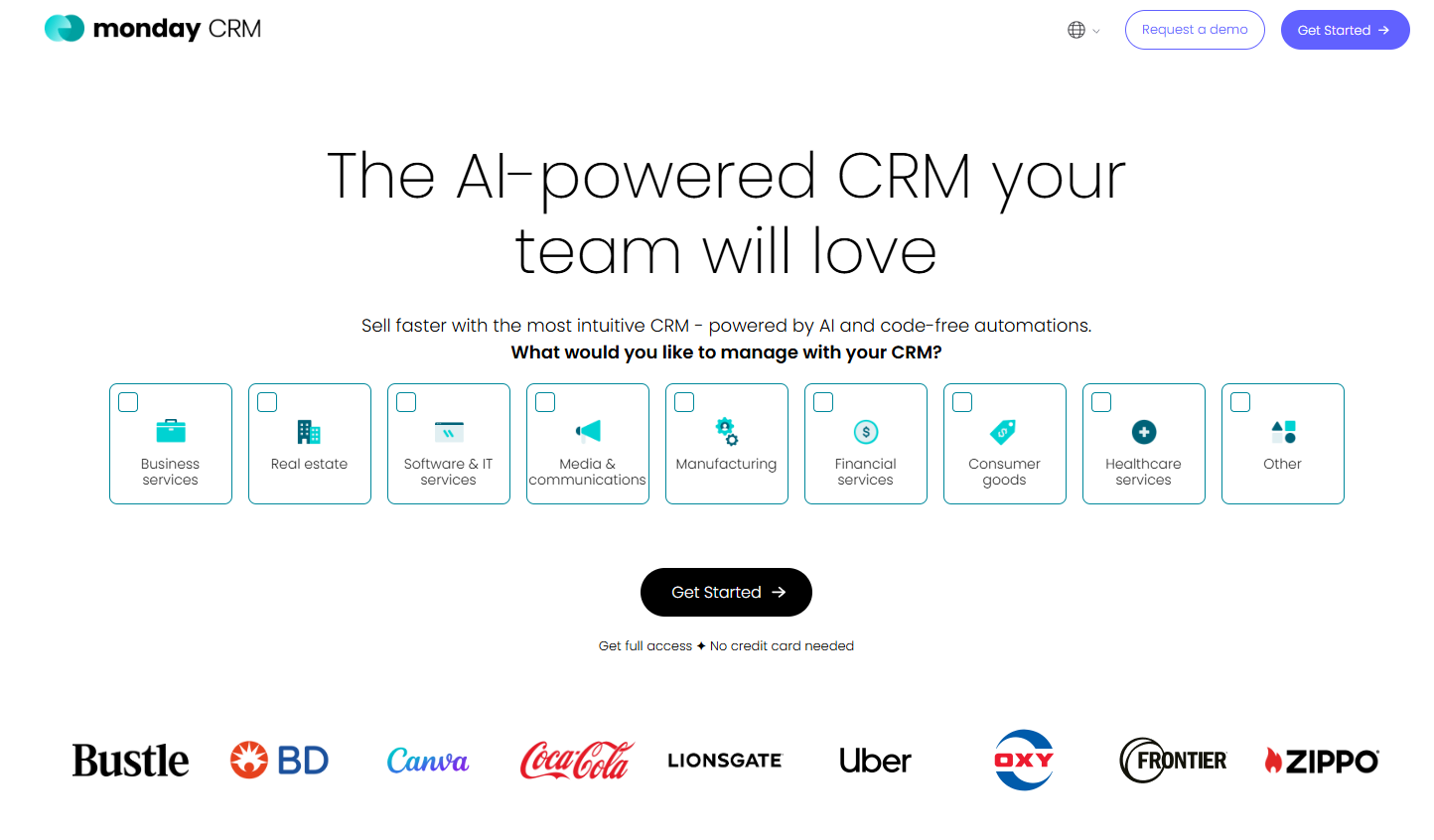
Visitors decide within seconds whether to stay or go. Your value proposition—who it is for, what it does, and why it is superior to alternatives—must be visible immediately. Use a "five-second test" to ensure that first-time visitors can articulate your core offer after just a quick glance.
3. Removing Distractions
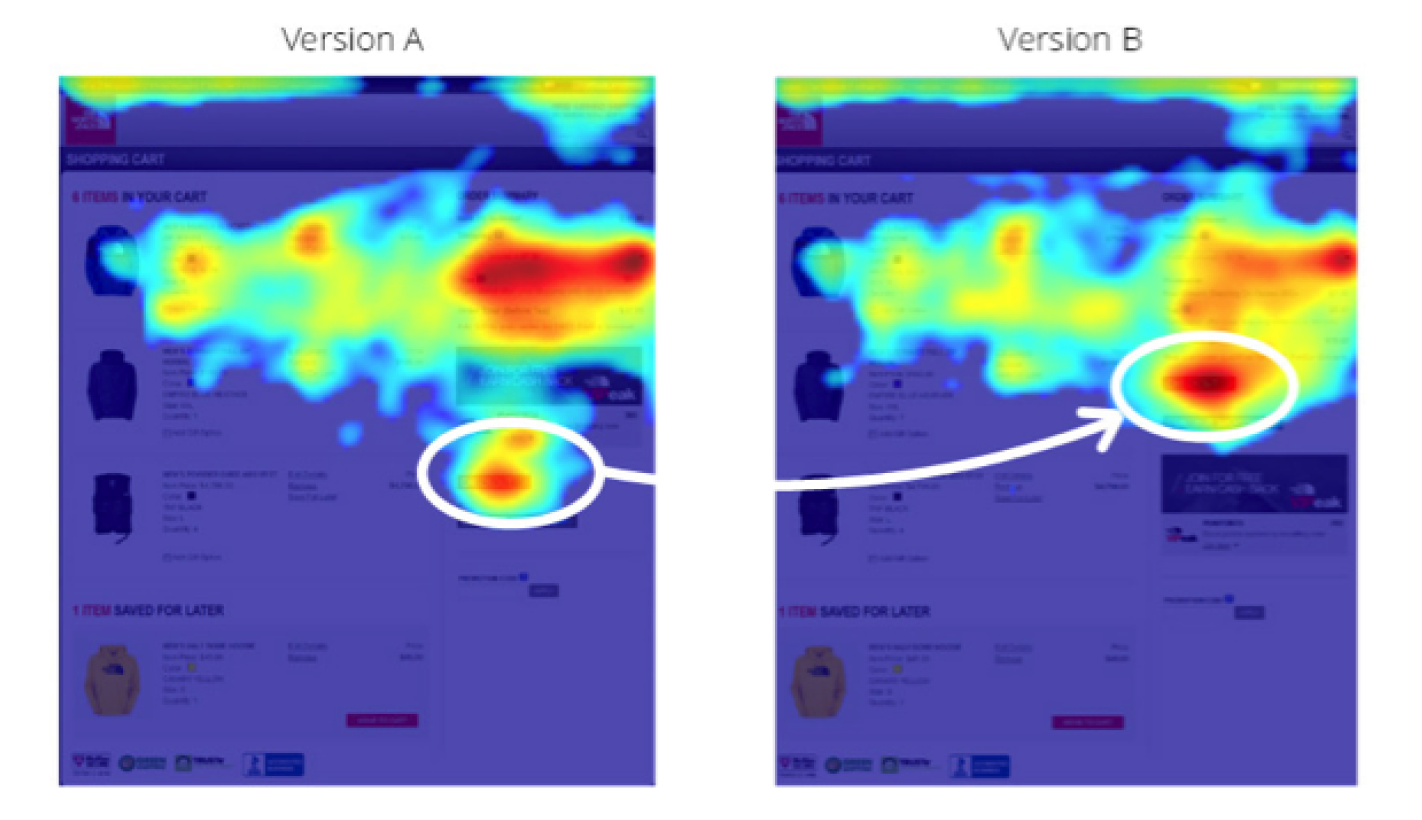
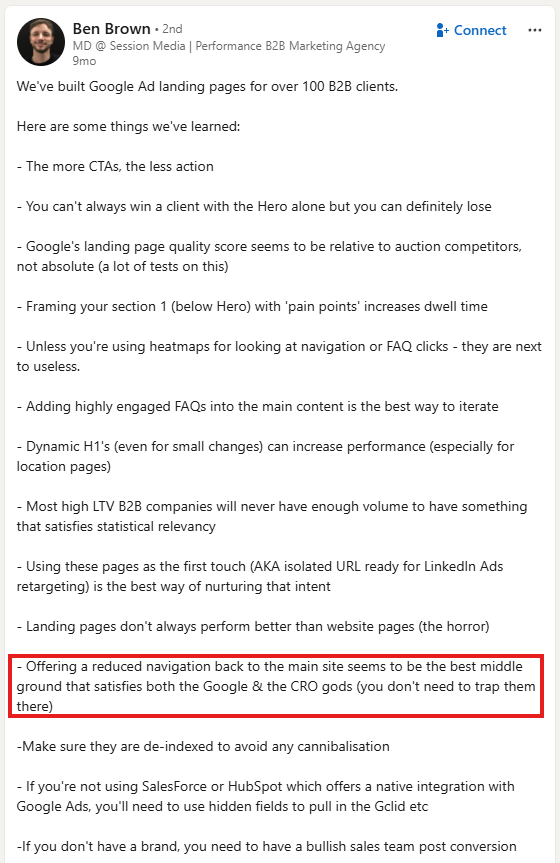
Every element on your page that does not contribute to the conversion is a potential point of exit. By removing unnecessary navigation menus, extraneous footer links, or competing banners, you force the user to focus on the primary goal. Case studies, such as those from The North Face, demonstrate that even minor re-arrangements—like moving a checkout button above a distracting rewards banner—can yield double-digit conversion increases.
4. Strategic CTA Copy
"Submit" is the weakest CTA you can use. Your button copy should describe the outcome of the click. Use action-oriented language such as "Get My Free Quote" or "Start My 14-Day Trial." Ensure the button color contrasts sharply with the background so it stands out immediately.
5. Balancing Form Length with Intent
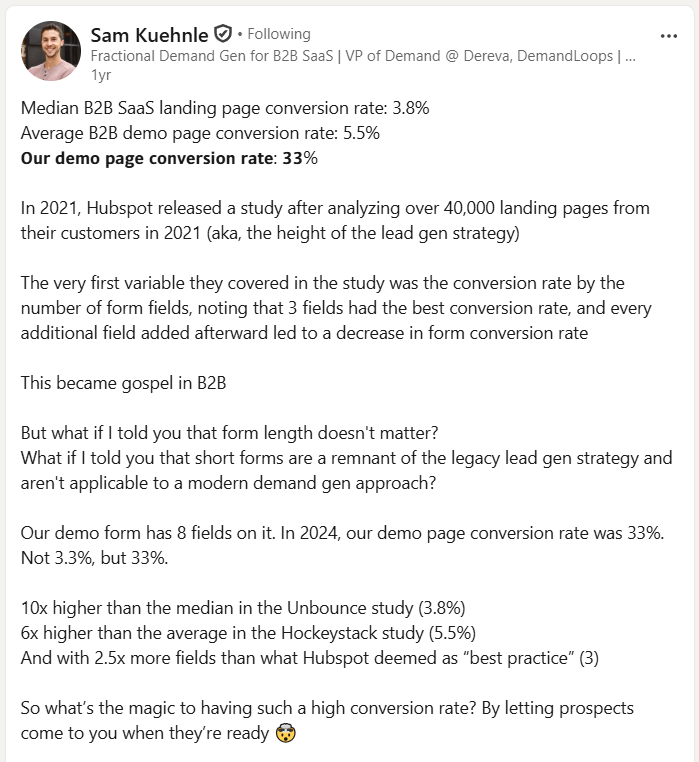
There is a long-standing debate regarding form length. While shorter is generally better, high-intent leads are often willing to provide more information. The key is to match the form friction to the user’s level of commitment. If your conversion rate is low, audit your fields: do you really need their phone number, or are you just asking for it out of habit?
6. The Trust Signal Factor
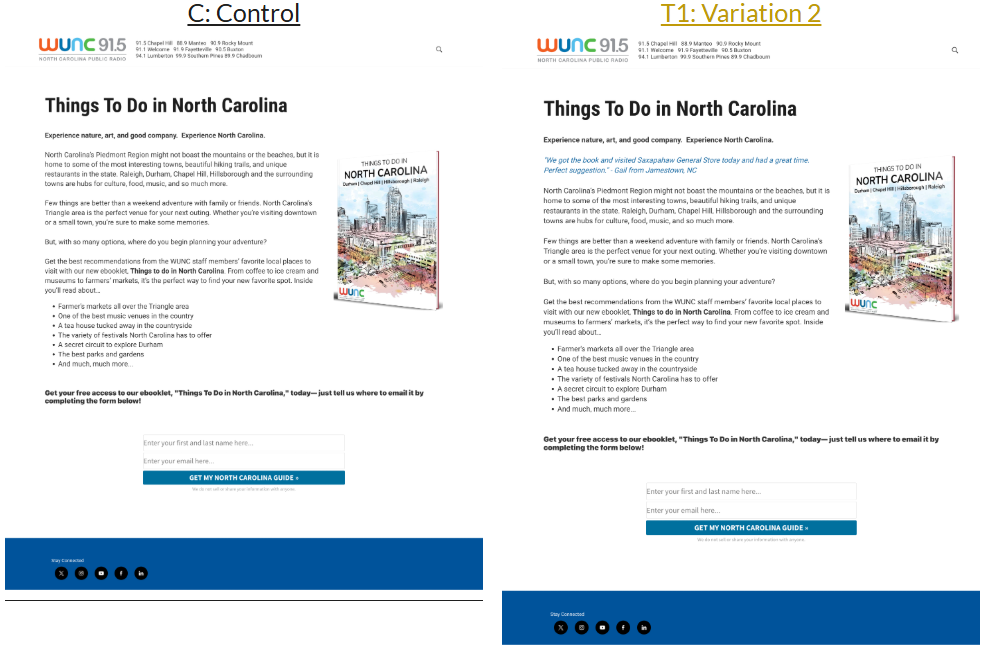
Trust signals—testimonials, client logos, security badges, and case study excerpts—act as psychological safety nets. Research by WUNC, for example, showed a significant rise in email sign-ups simply by adding a single, well-placed testimonial near the sign-up form.
7. The Performance Imperative: Speed
Google’s Core Web Vitals emphasize that speed is a direct factor in user satisfaction. A 2022 Portent analysis revealed that sites loading in one second have conversion rates three times higher than those loading in five seconds. If your landing page is heavy with unoptimized images or excessive tracking scripts, you are paying to send traffic to a page that most users will leave before it even renders.
Phase 3: Testing and Validation
Optimization is not a "set it and forget it" task. Even best practices are merely hypotheses until they are tested against your specific audience.
The Hypothesis Framework
Every test must start with a formal hypothesis: “Because [evidence] suggests that users are struggling with [problem], I believe that [change] will result in [metric improvement].”
Choosing the Right Methodology
- A/B Testing: Ideal for comparing two distinct versions of a page to see which performs better.
- Multivariate Testing: Used when you want to test multiple variables (like headlines, images, and button colors) simultaneously.
- Multi-Armed Bandit (MAB): An algorithmic approach that automatically directs more traffic to the better-performing variation, reducing the "lost revenue" typically associated with waiting for a test to conclude.
Beyond Conversion Rate
While conversion rate is the most common metric, it is not the only one. Always monitor "guardrail metrics." For instance, you might increase the number of leads by making a form easier to fill out, but if the quality of those leads drops, your sales team will suffer. Always evaluate the results by the final business outcome, such as revenue per visitor or cost per qualified lead.
Implications for Modern Marketing
The landscape of landing page optimization is evolving. With the rise of agentic AI, tools are now capable of analyzing heatmaps, identifying scroll-depth issues, and drafting page variants automatically. However, the human element remains irreplaceable. AI can propose, but the marketer must dispose.
The core takeaway remains consistent: your landing page is a living document. By maintaining a rigorous, data-backed loop of diagnosing issues, applying user-centric fixes, and validating results through testing, you turn a static webpage into a high-performance engine for growth.
Frequently Asked Questions
What is a "good" conversion rate?
While benchmarks vary by industry, the median SaaS landing page conversion rate sits around 3.8%. The top 25% of pages often achieve conversion rates exceeding 11%.
Are dedicated landing pages still necessary?
Yes. Dedicated pages allow for specific messaging that matches the user’s intent. While some transactional queries can be handled by well-optimized product pages, informational and research-heavy queries almost always perform better on dedicated landing pages.
How can I test with low traffic?
If your traffic volume is too low for a standard A/B test, focus on testing "upstream" metrics—such as clicks on a specific button—rather than final conversions. Alternatively, aim for larger, more radical changes that are likely to produce statistically significant results with smaller sample sizes.
