
The Architecture of Profit: Building an Agency-Ready Tech Stack for 2026
Marketing agencies rarely fail because they lack the "next big thing" in software. On the contrary, they often fail because they have too much of it. In the rush to optimize performance, many agency owners fall into the trap of "tool sprawl"—a state where disconnected systems slow delivery, blur ownership, and transform high-value creative work into soul-crushing manual data entry.
As we move deeper into 2026, the competitive landscape for agencies has shifted. Profitability is no longer just about client acquisition; it is about operational leverage. To maintain healthy margins, agencies must transition from a collection of ad-hoc apps to a lean, agency-ready stack that prioritizes speed, clarity, and, above all, financial control.
Main Facts: The Anatomy of an Agency-Ready Tool
What separates a "good" tool from an "agency-ready" tool? It isn’t just about the feature set. For an agency, the risks shift as you scale. Early on, the question is, "Can we pull this off?" At scale, the question becomes, "Can we deliver this consistently, profitably, and without errors across 50 different clients?"
An agency-ready tool must possess four core attributes:
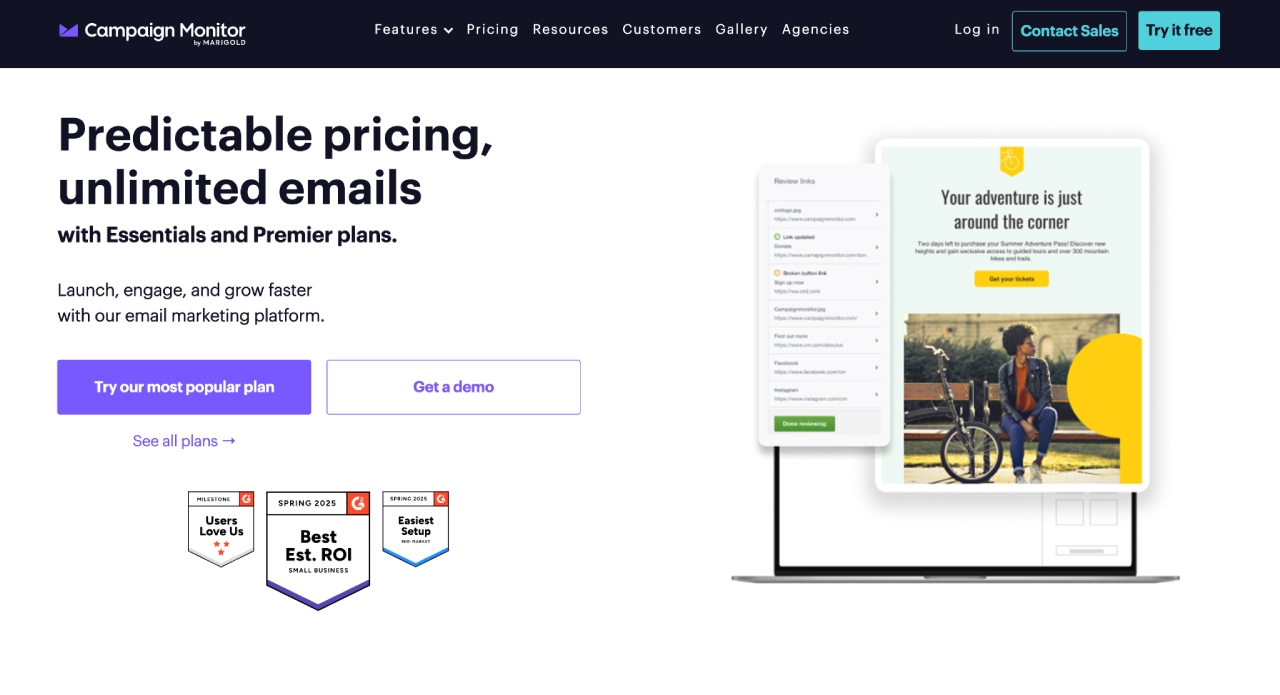
- Multi-Tenant Architecture: The ability to manage multiple clients or workspaces from a single administrative dashboard without constantly logging in and out.
- Granular Permissioning: Control over who sees what, ensuring that junior staff or external contractors only access what is necessary for their specific tasks.
- Repeatable Workflow Logic: The capacity to build a process once and replicate it across multiple clients, ensuring brand consistency.
- Automated Reporting: Data must be surfaced in a way that requires zero manual cleanup at the end of the month.
Chronology: The Evolution of the Modern Stack
The history of the agency stack is one of fragmentation followed by integration.
- The Early 2010s (Manual Era): Agencies relied on spreadsheets for project management, email for communication, and manual logins to client platforms.
- The Mid-2010s (SaaS Proliferation): The explosion of niche SaaS tools created the "Best of Breed" movement. While this gave agencies better features, it birthed the "Integration Tax"—the cost of paying for, training on, and maintaining dozens of disconnected systems.
- The Current Era (Consolidation & Orchestration): Today’s leading agencies are ruthlessly pruning their stacks. They are prioritizing platforms that offer "all-in-one" capabilities for specific verticals (like email or social) and using glue-layer automation (like Zapier or Make) to bridge the gaps between major operational pillars.
Supporting Data: Marketing Agency Tools at a Glance
When auditing your current stack, evaluate these tools not by their marketing hype, but by their operational utility.
| Tool | Category | Standout Feature for Agencies |
|---|---|---|
| Campaign Monitor | Email Marketing | Multi-client dashboard, white-label, billing consolidation |
| Asana | Project Management | Structured task dependencies and sub-tasks |
| AgencyAnalytics | Reporting | Automated white-label client dashboards |
| Zapier | Automation | Massive integration library for cross-app workflows |
| PandaDoc | Proposals | Digital signing with integrated tracking |
| Semrush | SEO/PPC | Competitive intelligence and keyword research |
| Slack | Communication | Channel-based architecture with API connectivity |
Note: Features and pricing listed represent current market offerings as of December 2025.
Implications: The Hidden Costs of Complexity
The most dangerous aspect of a bloated stack is the "compounding cost" effect. Agency software costs rarely grow in a linear fashion.
The Seat Tax
As you hire, your per-user costs scale. If you are using a tool that charges $200 per user for features that 80% of your staff doesn’t need, your margins will evaporate as you grow your headcount.
The Client Tax
Many platforms tie pricing to "client nodes" or "active contacts." A platform that feels cheap when you have five clients can become a significant drag on profitability when you hit fifty. Before adopting a new tool, map out its pricing model against your projected growth over the next 24 months.
The Cognitive Load
Every tool in your stack requires a learning curve. If your team is spending more time "managing the software" than "delivering for the client," you have a net-negative operational asset.
Official Perspectives: Managing Email at Scale
For agencies offering email marketing, the complexity of managing 40+ brands is significant. Industry practitioners, such as Stuart S., an agency owner and digital strategist, emphasize that the right tools should simplify the "heavy lifting."
"We manage 40+ clients within Campaign Monitor," Stuart notes. "This has saved us considerable time spent duplicating and monitoring campaigns across the country. I’m a fan of the flexible pricing models, and their support system is fantastic. Their Canvas builder automatically resolves most of the issues we have with mobile displays."
The implication here is clear: Standardization equals scalability. By using a platform that allows for global templates and centralized billing, the agency reduces the "per-client" operational cost, which directly improves the bottom line.
Strategic Implementation: How to Build Your Stack
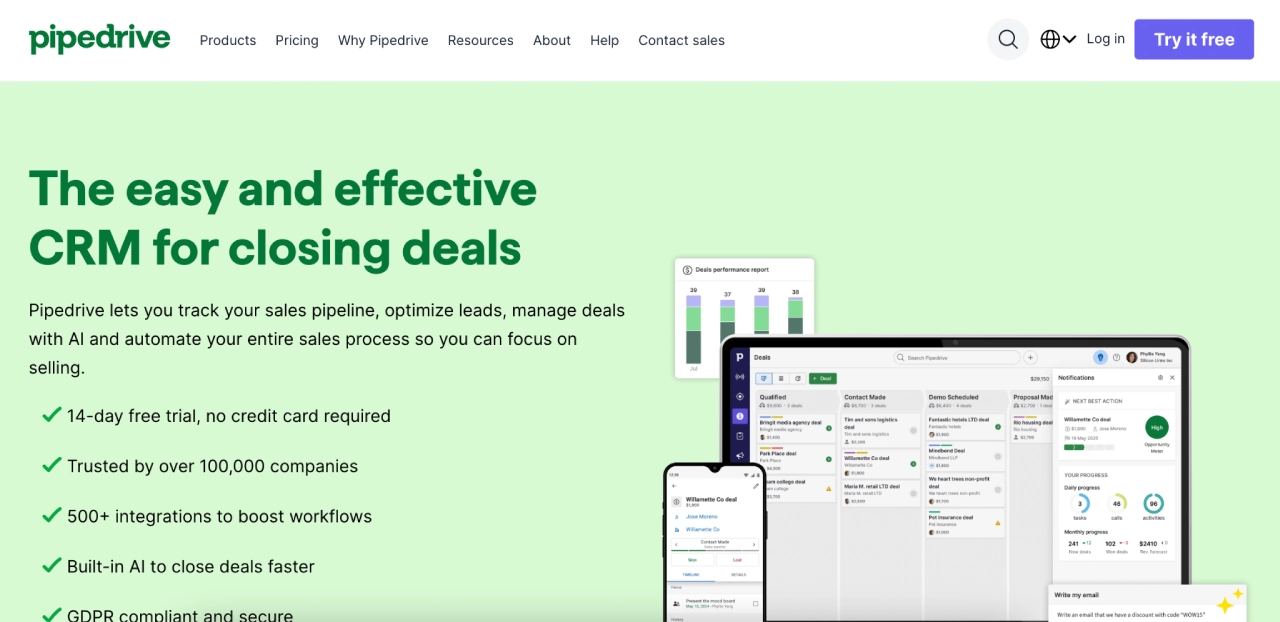
No agency should use all of these tools. A mature agency stack follows a "Four-Pillar" model:
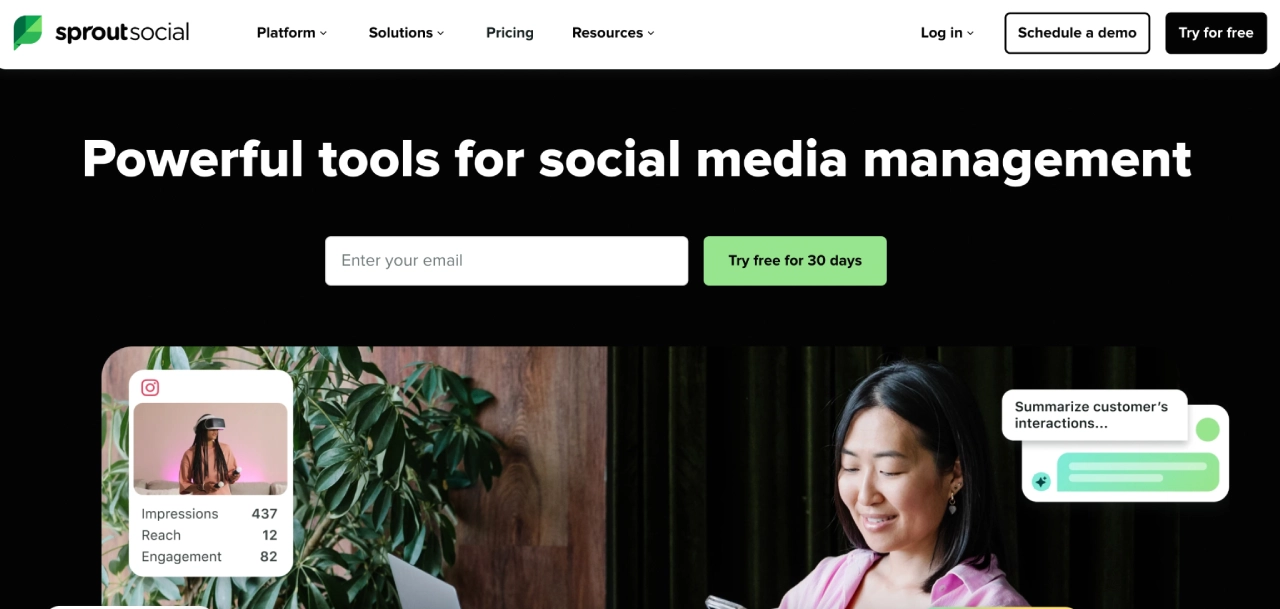
1. The Delivery Engine (Project Management)
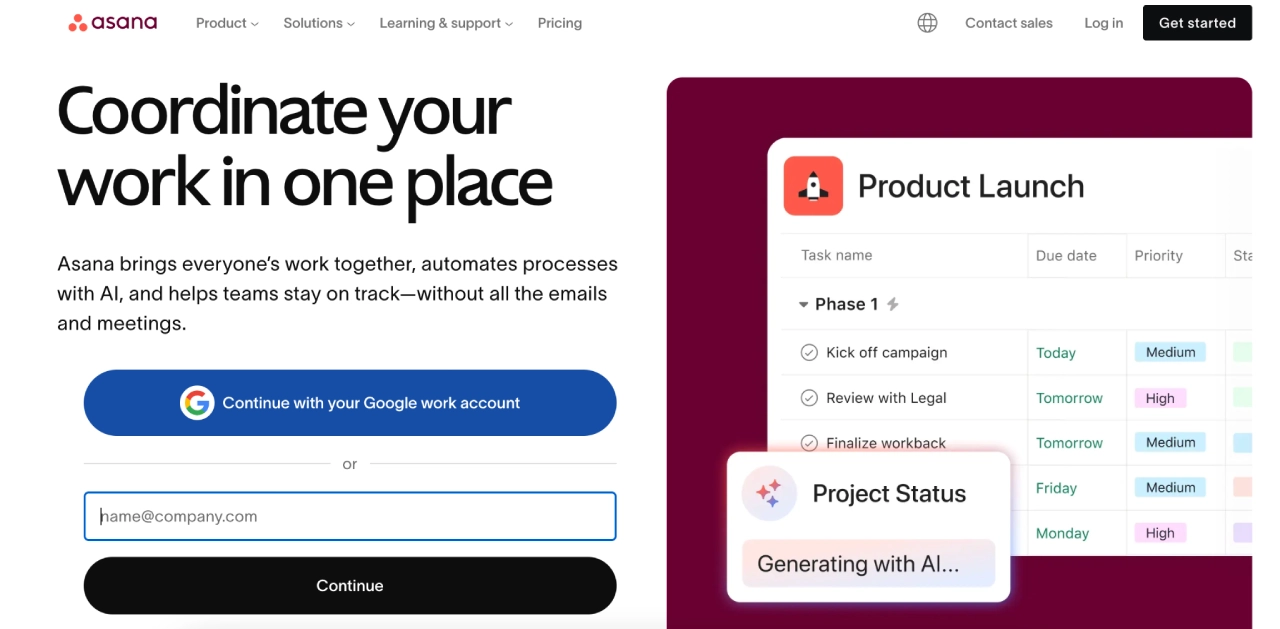
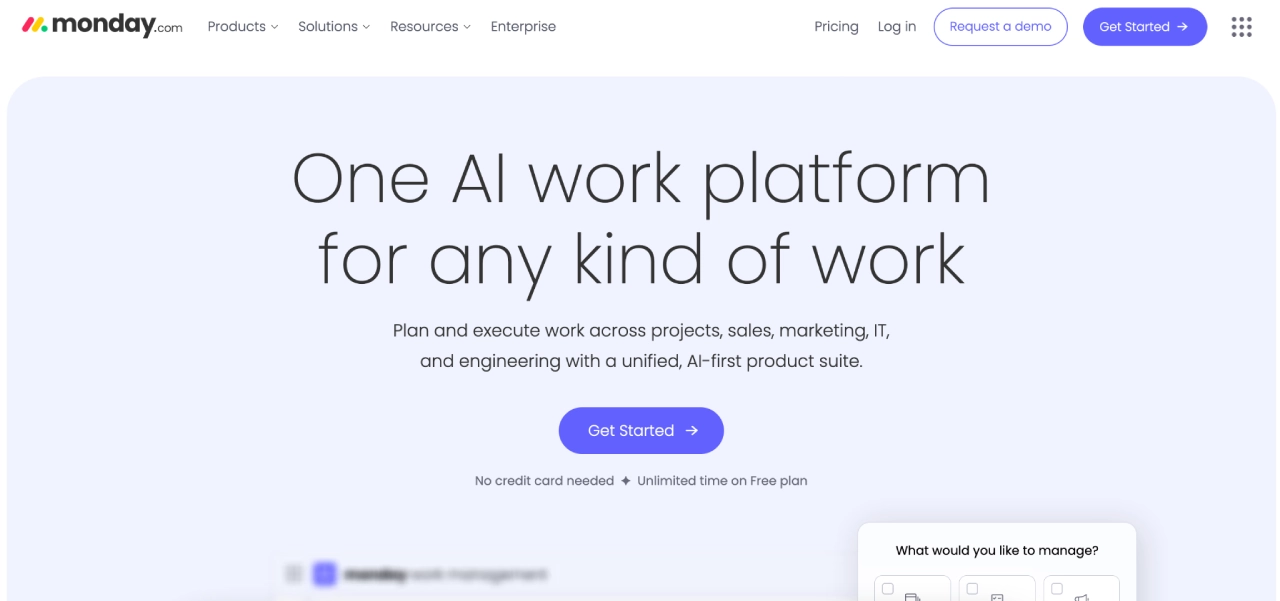
Use Asana or monday.com. The goal here is to document the "Agency Way" of working. If you can’t turn a recurring project into a repeatable template, you aren’t scaling; you’re just repeating work.
2. The Communication Layer
Slack remains the industry standard. However, the key to scaling is disciplined channel naming conventions and integrated notifications. If your project management tool isn’t talking to your Slack channel, you are creating a communication silo.
3. The Reporting & Transparency Layer
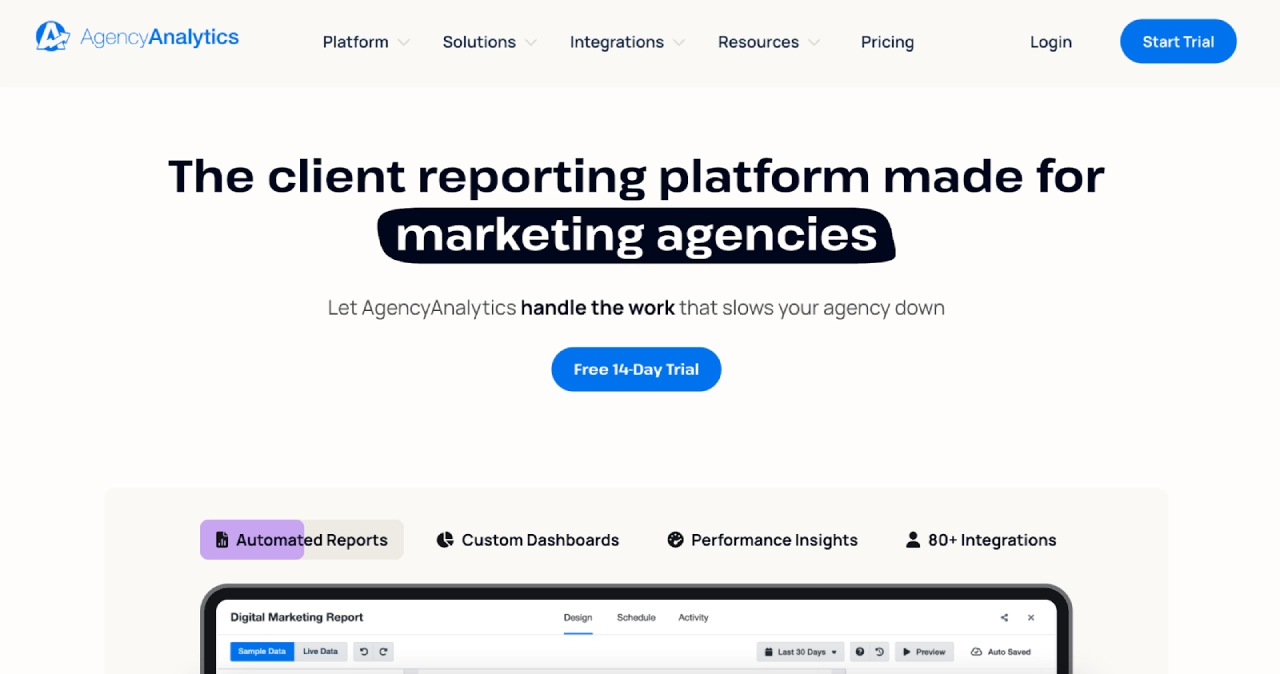
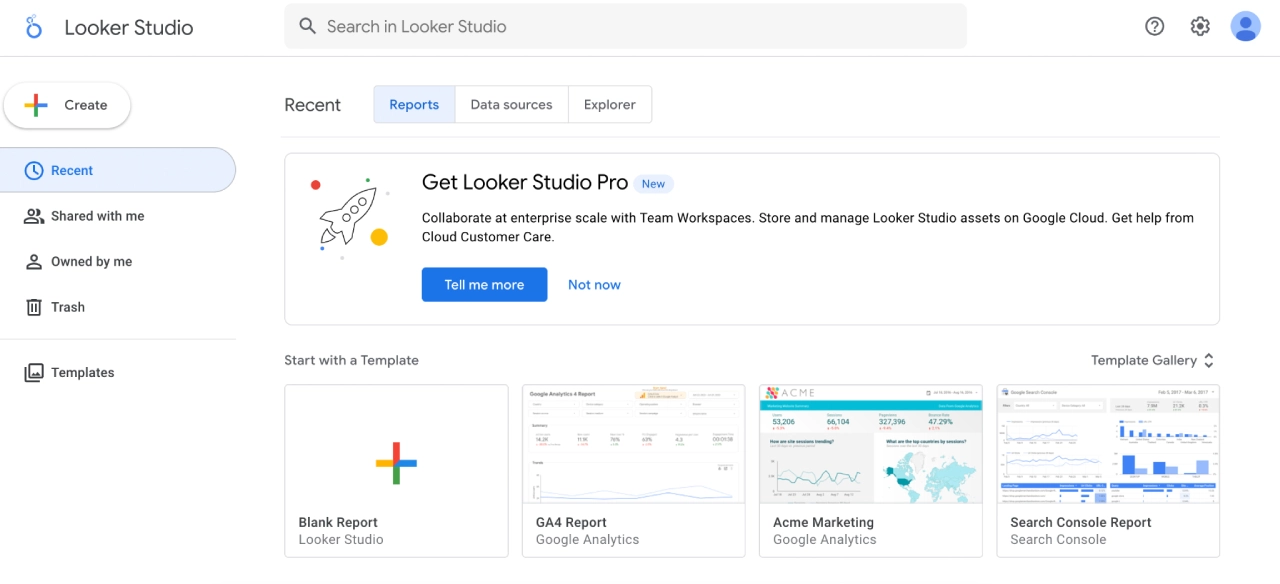
Clients pay for results, but they also pay for clarity. AgencyAnalytics or Looker Studio allows you to push data to clients automatically. The goal is to remove the "Friday reporting scramble" where account managers manually export CSV files and format them in PowerPoint.
4. The Automation Fabric
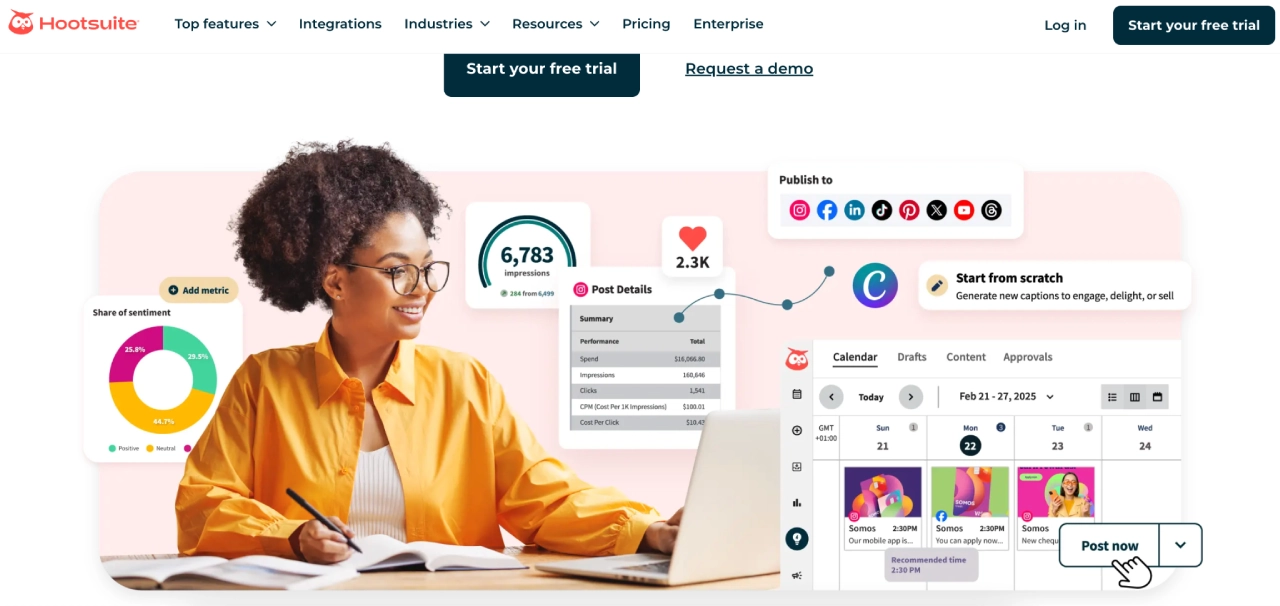
Zapier or Make acts as the glue. For example, when a contract is signed in PandaDoc, it should automatically trigger a project creation in Asana, invite the client to a Slack channel, and set up their billing profile.
Contrarian Insight: Workflow Before Software
There is a common, dangerous fallacy in the agency world: “If we buy this tool, our processes will fix themselves.”
The reality is the exact opposite. If you automate a bad process, you simply get a bad result faster. Before investing in a new piece of technology, define your service boundaries. What exactly are you delivering? How do you hand off work from sales to production? Where does the client provide feedback?
Define these workflows first on a whiteboard. Only once the process is documented—and proven to be effective—should you choose the tools that reinforce that model.
Conclusion: Driving Agency Profitability in 2026
The best agency stacks aren’t designed to impress your competitors with their complexity; they are designed to be invisible. When a stack is truly "agency-ready," the tools fade into the background, allowing your creative and strategic talent to focus on what actually moves the needle for the client.
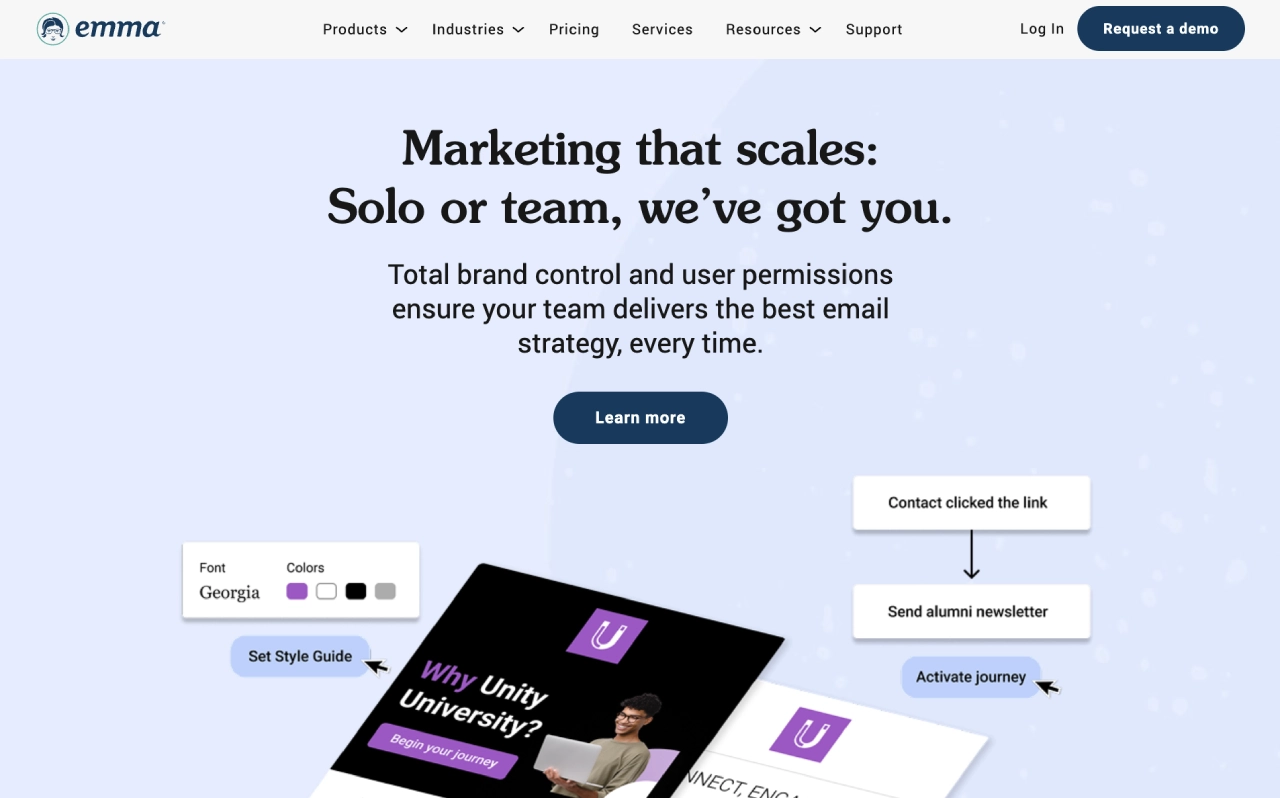
For agencies that incorporate email marketing into their service mix, the ability to centralize and automate this channel is a massive competitive advantage. By leveraging platforms like Campaign Monitor, agencies can turn a high-touch, error-prone task into a systematic, high-margin revenue stream.
Ready to audit your own operations? Start by identifying the one tool in your current stack that causes the most friction. Then, look for a replacement that offers multi-client control, clear permissions, and the ability to scale alongside your client list. In 2026, the agencies that win will be the ones that prioritize simplicity, control, and the relentless pursuit of operational efficiency.
If email is part of your agency’s service offering, consider starting a Campaign Monitor free trial to see how a purpose-built, multi-client interface can streamline your delivery.
