
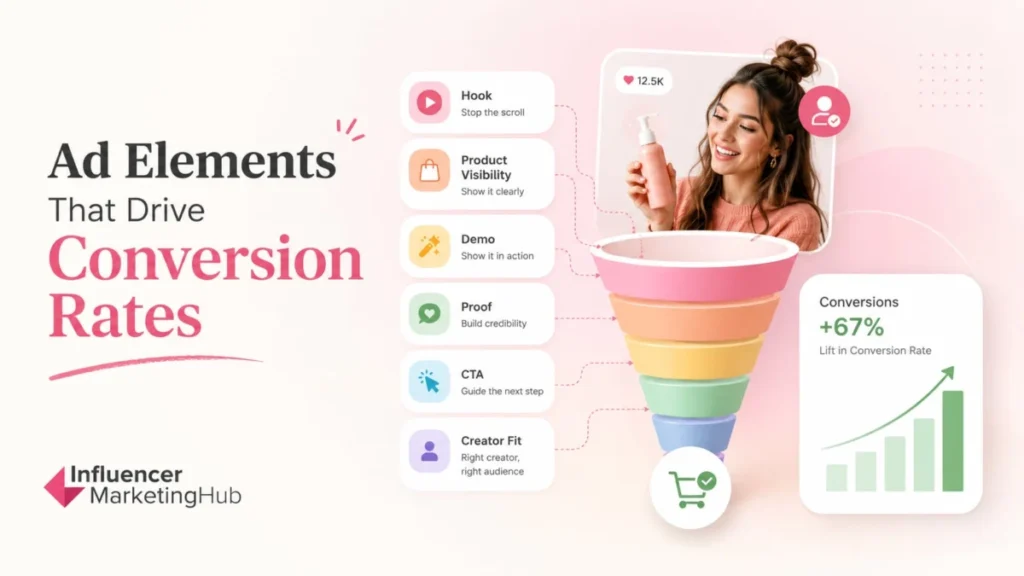
The Anatomy of High-Conversion Influencer Ads: A Strategic Blueprint for Modern Brands
In the hyper-competitive landscape of digital advertising, brands are increasingly pivoting away from traditional, polished studio commercials in favor of influencer-led content. While standard branded ads often trigger "ad blindness" in users, influencer-driven campaigns—often referred to as creator ads—leverage the inherent trust between a content creator and their audience. However, the assumption that a high follower count automatically translates into a high conversion rate is a dangerous fallacy.
In reality, successful influencer marketing is a precise science. To convert audiences on platforms like Meta, TikTok, Instagram Reels, and YouTube Shorts, marketers must move beyond the "influencer-as-a-billboard" model and embrace a highly strategic, intentional approach to creative production.
The Shift Toward Performance-Driven Creator Content
The core of a high-converting influencer ad is not merely the creator’s fame; it is the structural integrity of the creative itself. When an influencer talks about a product, demonstrates its utility, and provides a call-to-action (CTA), they are navigating a complex psychological funnel.
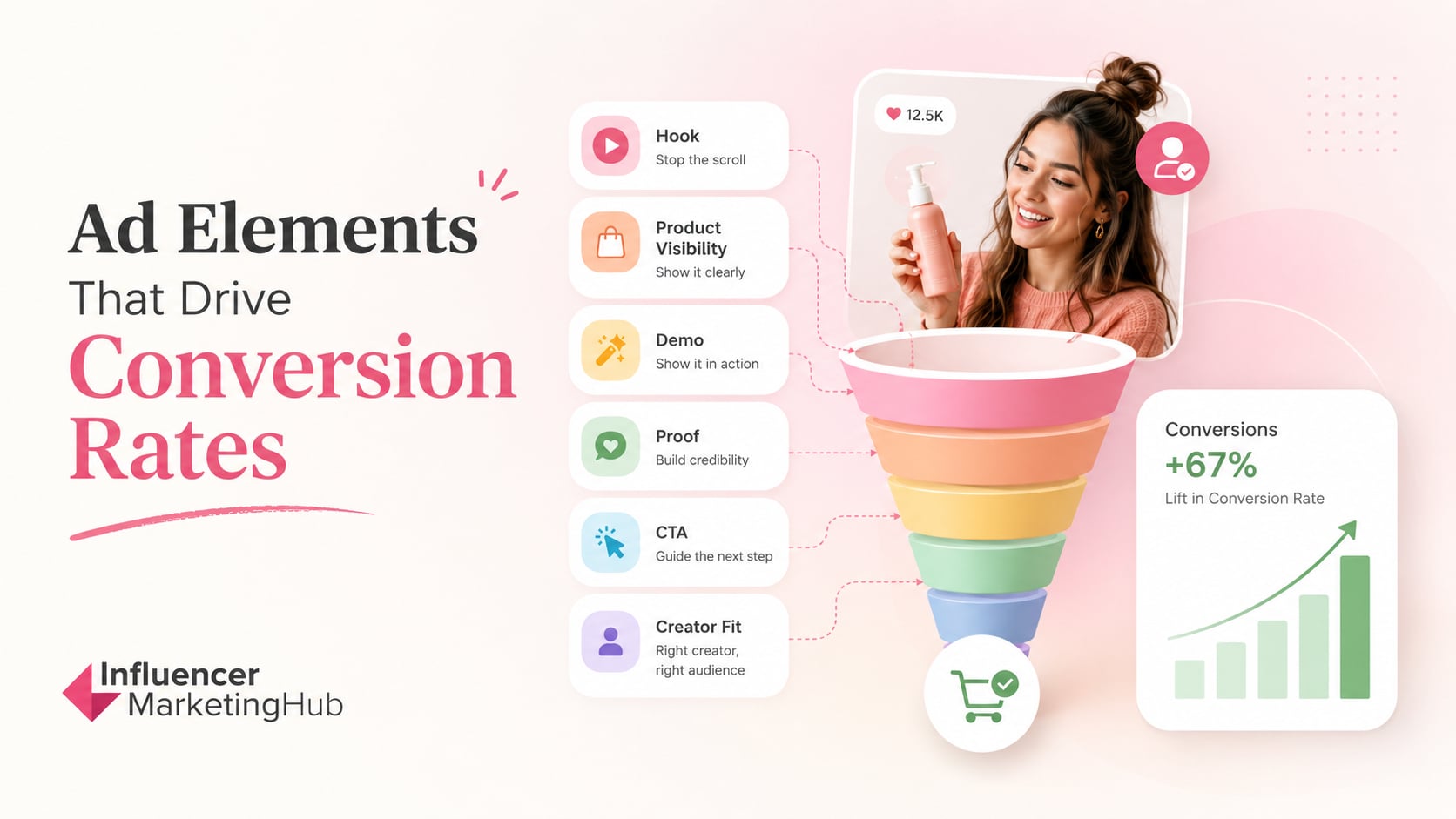
Data indicates that the most effective influencer ads share a common blueprint: they capture attention with a disruptive hook, articulate a specific pain point, provide authentic product proof, and conclude with a seamless, high-intent CTA. Achieving this requires moving away from overly scripted advertisements that sound like corporate press releases and toward content that feels native to the platform.
1. The Power of the Three-Second Hook
The "scroll-stopping" moment is the most critical juncture in any social video ad. In a world of infinite content, viewers make a split-second decision to watch or move on.
Contrary to the belief that hooks must be flashy or sensationalist, the most successful hooks are those that create an immediate incentive to continue watching. The best hooks generally accomplish one of four objectives:
- The Relatable Problem: Stating a struggle that resonates immediately with the viewer.
- The Curiosity Gap: Posing a question or hinting at a secret that can only be answered by watching.
- The Result-First Approach: Showing the desired outcome before explaining the product.
- The Counter-Intuitive Claim: Challenging a common industry belief to stop the viewer in their tracks.
By connecting the hook to the product within the first three seconds, marketers ensure that the product is not an afterthought, but the focal point of the narrative.
2. Prioritizing Product Visibility and Clarity
A common pitfall in influencer marketing is "creative drift," where the creator focuses so heavily on entertainment value that the product is lost in the background. While organic content often thrives on subtle product placement, paid advertising requires absolute clarity.
Viewers need to see the product early and clearly. This involves close-up shots of the packaging or the item in use, ensuring that even if the video is watched on a small mobile screen, the product is unmistakable. As seen in successful campaigns for brands like Dove, the product should not only be visible but should be explicitly linked to its core benefits—such as "MicroMoisture droplets"—to educate the consumer while they are watching.
3. Addressing Specific Pain Points
Modern consumers are solution-seekers. They do not buy "skincare"; they buy relief from acne, dullness, or dry patches. They do not buy "productivity software"; they buy a solution for missed deadlines or messy calendars.
The 2026 Influencer Marketing Hub findings highlight that content addressing real, tangible problems drives significantly higher engagement. When an influencer articulates a specific pain point—something a corporate brand account often struggles to do authentically—the viewer feels understood. This emotional connection acts as a catalyst for conversion, transforming passive viewers into active buyers.
4. The Role of Proof and Product Demonstration
"Show, don’t tell" is the golden rule of creator-led video. A product demonstration provides the "proof" necessary to overcome consumer skepticism. Whether it is a side-by-side comparison of a cleaning product, a tutorial for a complex gadget, or a "get ready with me" session featuring beauty products, visual demonstrations turn abstract claims into tangible results.
When a brand can demonstrate exactly how a product saves time, improves quality of life, or solves a recurring headache, the conversion rate inevitably climbs.
5. Focusing on a Singular Value Proposition
"Less is more" remains the mantra for high-performing ads. Many campaigns falter because they try to highlight too many features—affordability, eco-friendliness, ease of use, and style—all in one 30-second clip. This "feature-stuffing" dilutes the message and makes the ad sound overly salesy.
Effective ads focus on one clear value proposition. By centering the creative on a single, compelling benefit, the influencer can build a cohesive story. The hook introduces the pain, the demo proves the solution, and the CTA seals the deal.
6. Visual Contrast and Dynamic Editing
Visual contrast is a silent language. With many social media users scrolling with the sound off, the visual transformation—the "before and after"—must be immediate and obvious.
Techniques such as split screens, quick cuts, text overlays, and high-contrast color palettes help the brain process the product’s value before a single word is spoken. According to research published in the Journal of Marketing and Social Research, the initial impression of a product is largely influenced by color and visual composition. By aligning the video’s aesthetic with the product’s identity, brands can communicate value instantly.
7. Platform-Native Aesthetics
An influencer ad should never look like a repurposed TV commercial. TikTok, Instagram, and YouTube Shorts each have distinct visual languages. TikTok, for instance, favors green-screen effects, POV (point-of-view) storytelling, and rapid-fire text overlays.
Data shows that ads specifically designed for their host platform see a 27% higher completion rate. When an ad feels native, it avoids the "advertising wall" that consumers put up, leading to higher engagement and more authentic brand reception.
8. The Strategic Use of Captions
Accessibility and engagement go hand-in-hand. Captions are no longer just for the hearing impaired; they are a critical tool for attention retention. Facebook video data shows that ads with captions see a 12% increase in average view time. By using on-screen text to highlight key points, brands can reinforce the message, provide context to busy viewers, and ensure that the value proposition is communicated regardless of the user’s audio settings.
9. Frictionless Calls to Action (CTA)
A common mistake is burying the CTA at the end of the video, after a significant portion of the audience has already scrolled away. A high-converting ad treats the CTA as an integral part of the narrative.
Whether it’s a direct instruction to "Click the link in the bio" or a time-sensitive offer to "Use code SAVE20," the CTA must be both verbal and visual. It should be clear, urgent, and perfectly aligned with the campaign’s ultimate objective.
10. The Vitality of Audience-Influencer Fit
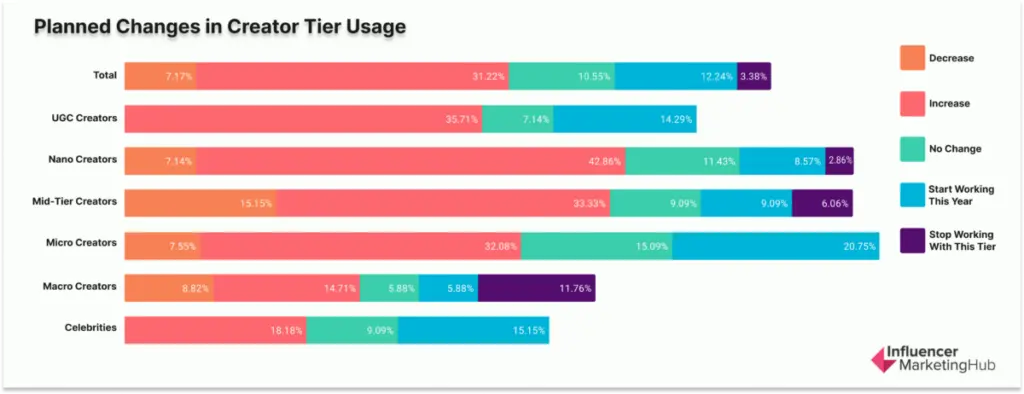
The most sophisticated creative strategy will fail if the influencer’s audience does not align with the brand. Relevance is the ultimate currency in 2026. Micro and nano-influencers often outperform celebrities because their audiences are highly segmented and deeply trust their recommendations on specific topics.
Brands must look for influencers who have a proven track record of engagement within the brand’s niche. An influencer who is trusted by their audience as an authority on "honest skincare" will always drive more conversions for a beauty brand than a high-reach celebrity with a broad, disengaged following.
Implications for Future Campaigns
As the digital advertising ecosystem continues to evolve, the distinction between "content" and "advertisement" will continue to blur. The most successful brands will be those that treat influencer partnerships as long-term strategic collaborations rather than one-off transactions.
Key Takeaways for Marketers:
- Authenticity is the Strategy: Avoid overly scripted content that feels like a television commercial.
- Data-Informed Creative: Use platform analytics to determine which hooks and visual styles perform best for your specific audience.
- Continuous Testing: No ad is perfect on the first attempt. Use A/B testing to refine hooks, CTAs, and visual editing styles.
By integrating these ten pillars—from the initial scroll-stopping hook to the final, precise CTA—brands can unlock the full potential of influencer marketing. In an era of infinite noise, the ability to deliver a clear, credible, and engaging message is the ultimate competitive advantage.
