
The AI Toybox: Navigating Creativity and Hallucination in the Era of Generative Art
Last Revised: June 22, 2025
In the rapidly evolving landscape of generative artificial intelligence, the line between technical precision and creative spontaneity has become increasingly porous. For hobbyists and technologists alike, tools like OpenAI’s o3 and o4-mini models have opened a new frontier: the ability to manifest bespoke, physical-world concepts—like custom-designed action figures—from simple text and image prompts. However, as one enthusiast’s journey demonstrates, the path to AI-assisted perfection is often paved with unexpected "hallucinations" that transform intended designs into whimsical, surreal, or downright perplexing works of art.
The Genesis of the Project: A Cruise-Inspired Experiment
The project began not in a high-tech lab, but on the high seas. Following a seven-day "Flower Power Cruise" last March, which departed from Fort Lauderdale and sailed to Falmouth, Jamaica, and the Cayman Islands, Mike, the creator behind the DataVizBlog, found himself inspired by the vibrant atmosphere of the voyage. The cruise featured legendary musical acts of the 1960s and 1970s, including The Cowsills, Jay and the Americans, Ron Dante, and Jefferson Starship.
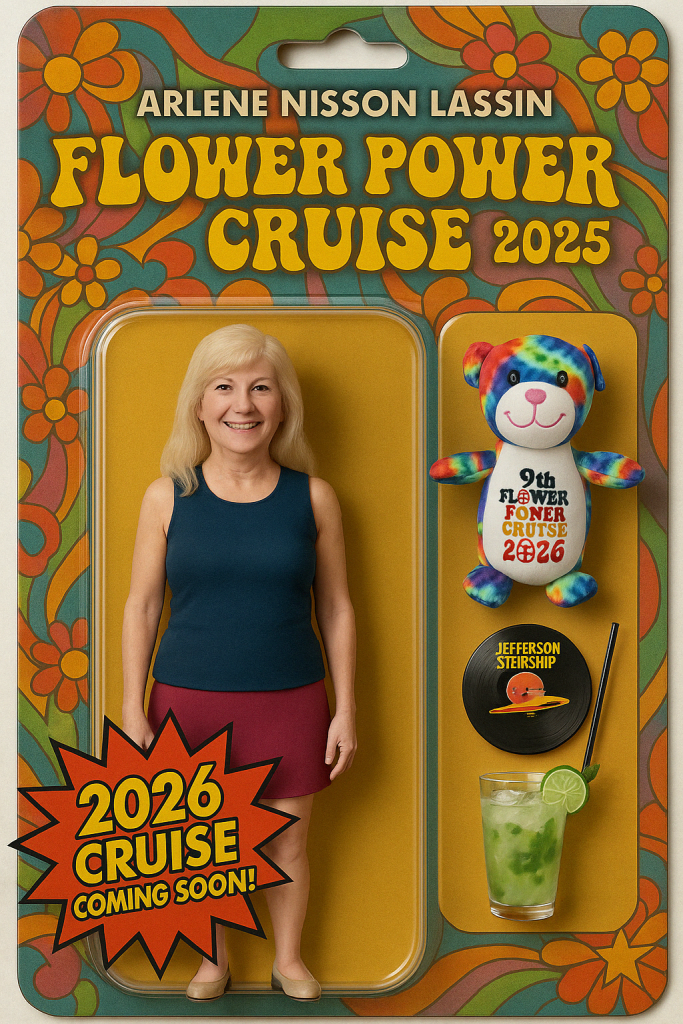
Upon returning home, Mike set out to memorialize his fellow passengers and the entertainers he met by creating custom "Action Figures" using ChatGPT’s DALL-E image generation capabilities. What started as a simple hobby quickly evolved into a deep dive into the capabilities—and the notable limitations—of modern AI.
The Challenge of AI Hallucinations
As any user of advanced language models knows, "hallucinations" remain a significant hurdle. In the context of AI image generation, these occur when the model interprets prompts in unintended ways or inserts elements that were never requested, often based on the latent associations in its training data.
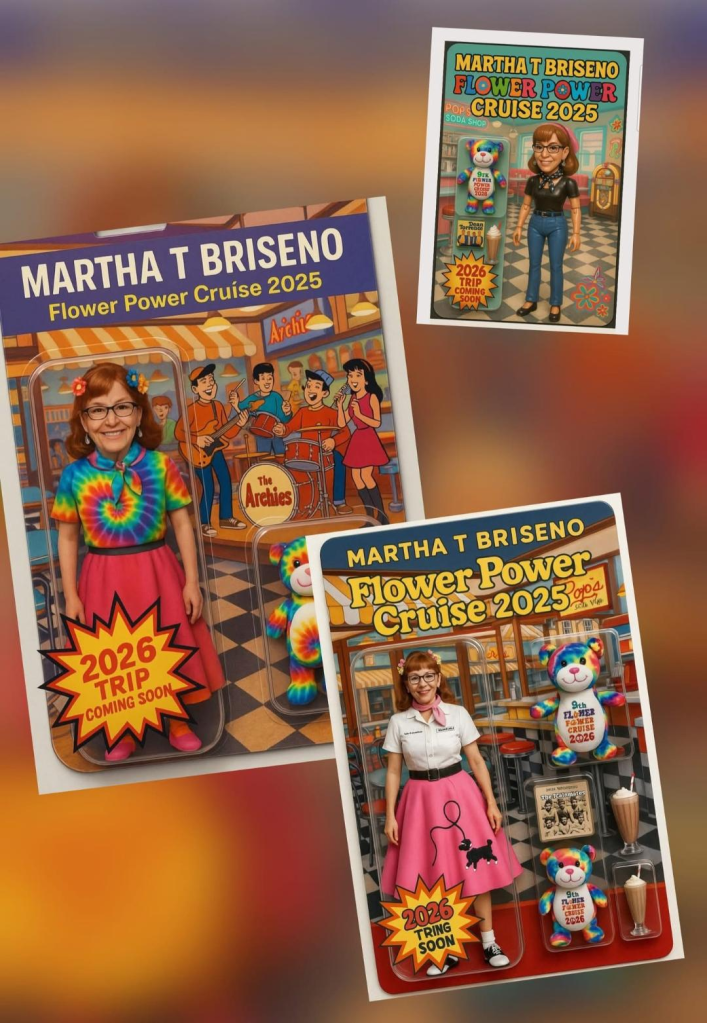
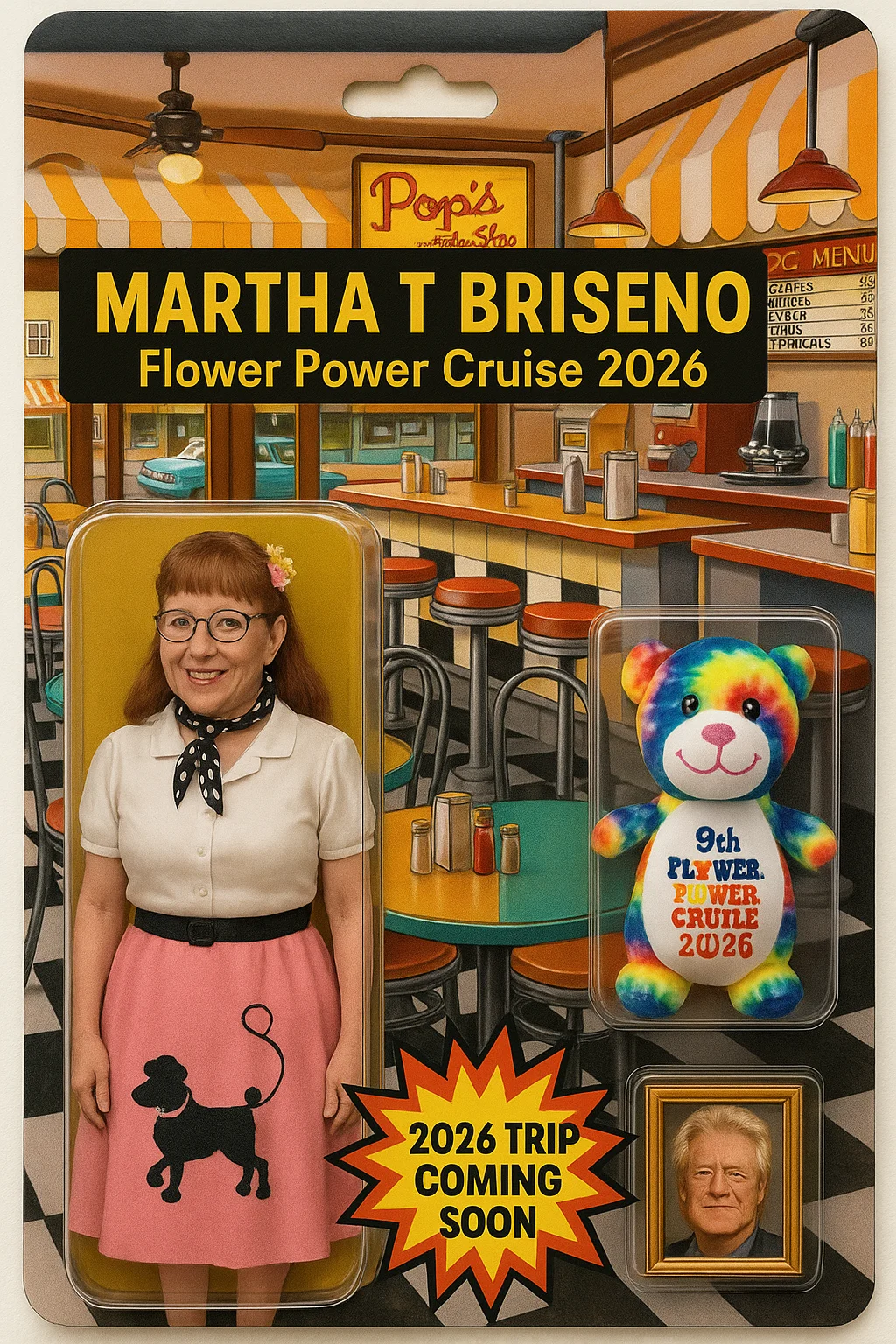
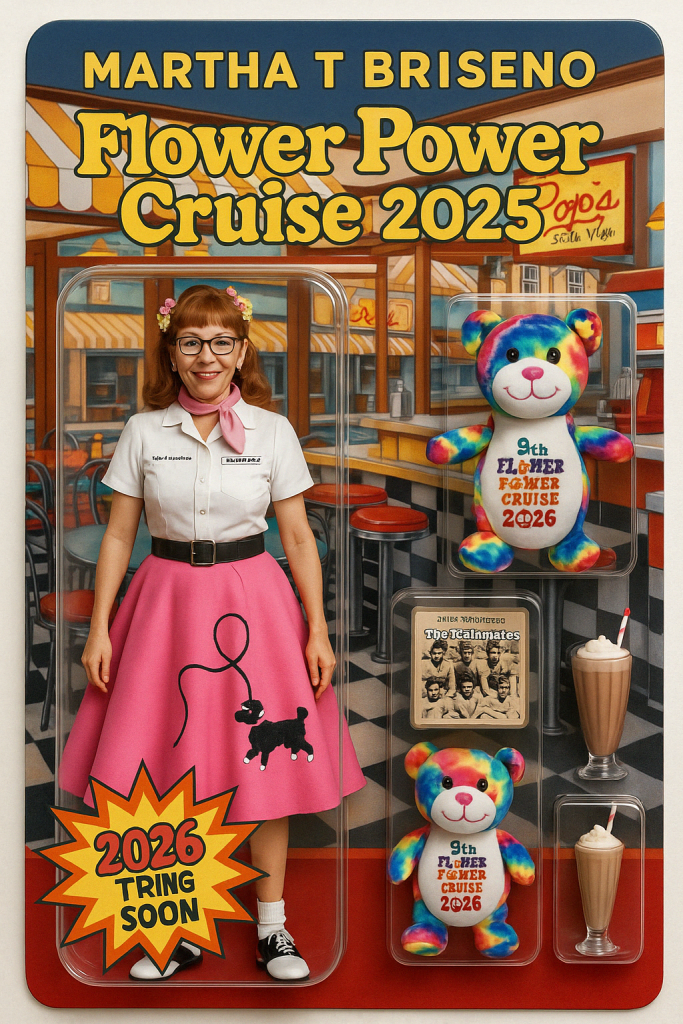
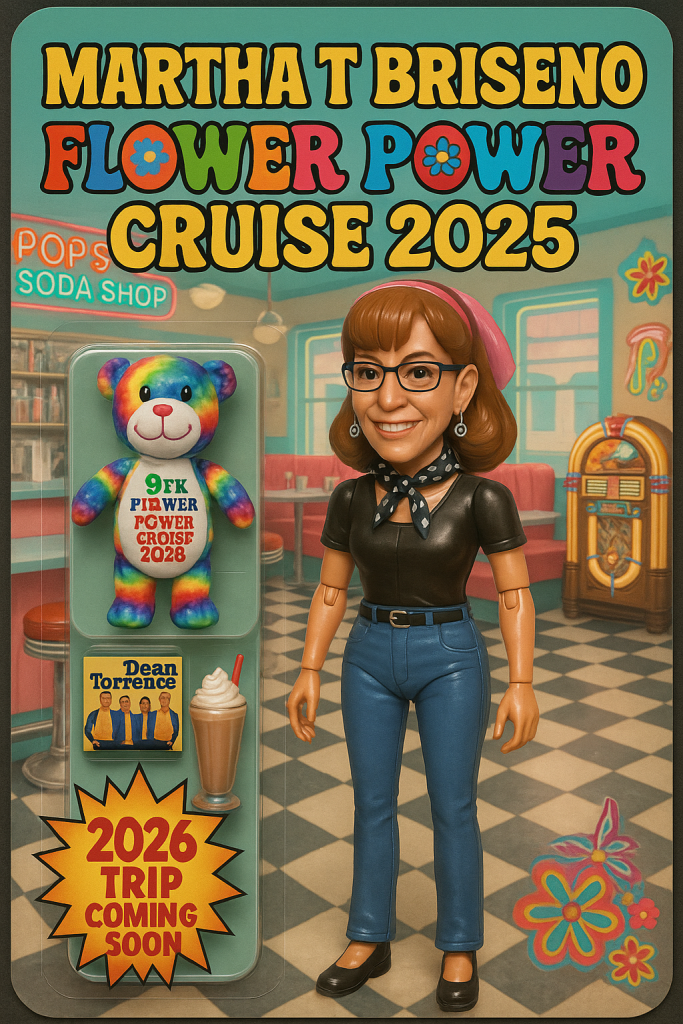
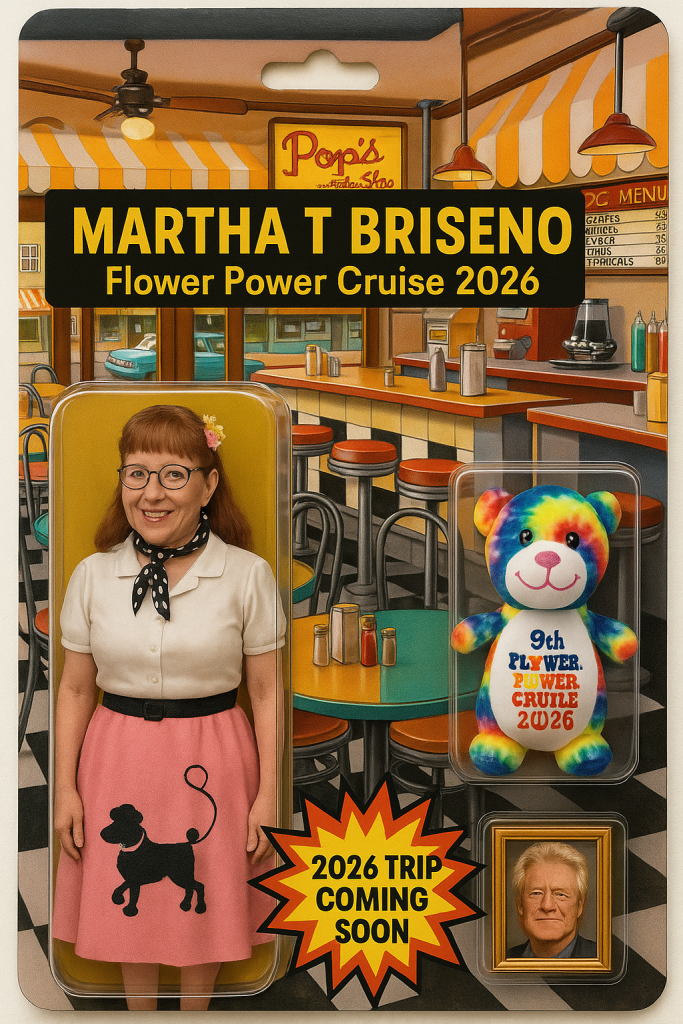
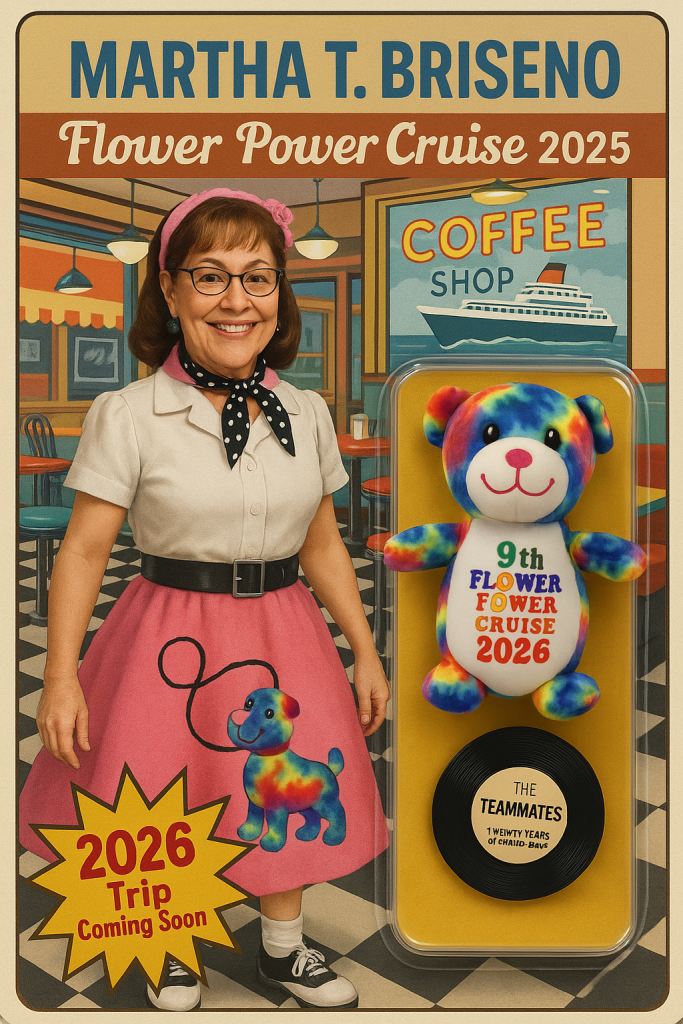
According to internal company benchmarks, OpenAI’s latest models (o3 and o4-mini) still exhibit hallucination rates of 30% to 50%. For Mike, this meant that his attempts to create a "Martha T. Briseno" action figure often resulted in the unrequested addition of "Groovy Bears" or multiple chocolate milkshakes. These glitches serve as a stark reminder that even the most sophisticated AI systems are still prone to "creative" errors that require constant human oversight and iterative prompt engineering.
Chronology of an AI Designer
The process of refining these figures followed a clear, if often frustrating, progression.
Phase 1: The Martha Experiments
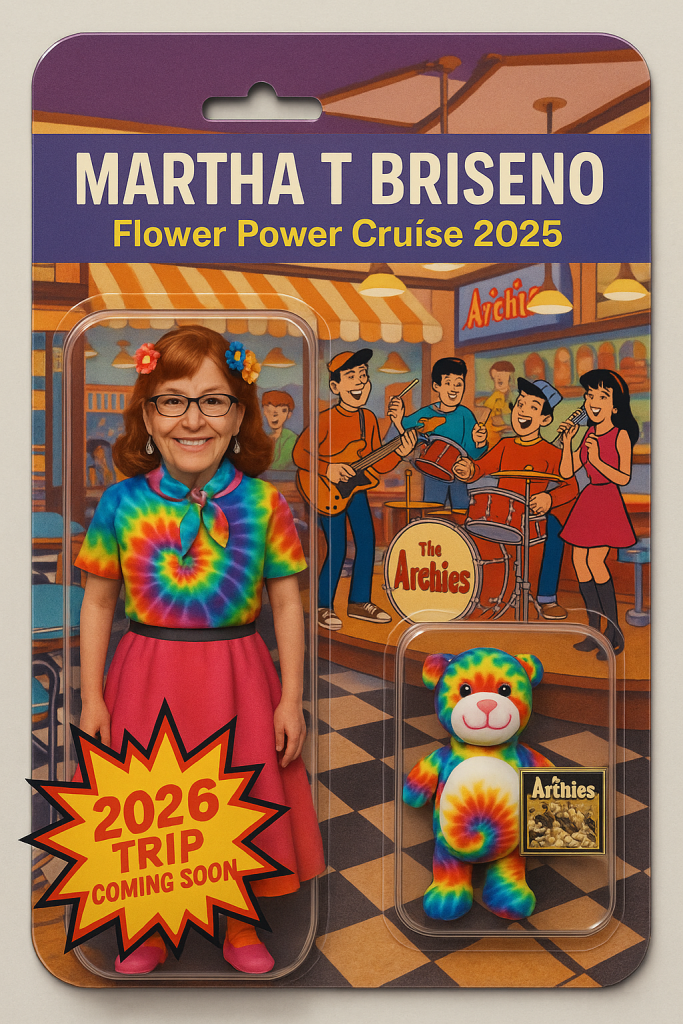
The creation of the Martha action figure highlights the trial-and-error nature of the workflow. Initial attempts to place the subject in a poodle skirt and white blouse resulted in the aforementioned unwanted accessories. Further refinements—attempting to capture the essence of The Archies—led the AI to incorporate background elements of a 1960s soda shoppe, likely associating the brand with the band’s lead singer, Ron Dante. Subsequent iterations saw the AI veering into the aesthetic of the movie Grease, proving that the model often leans on cultural stereotypes when specific instructions are not strictly enforced.
Phase 2: Incorporating Real-World Artifacts
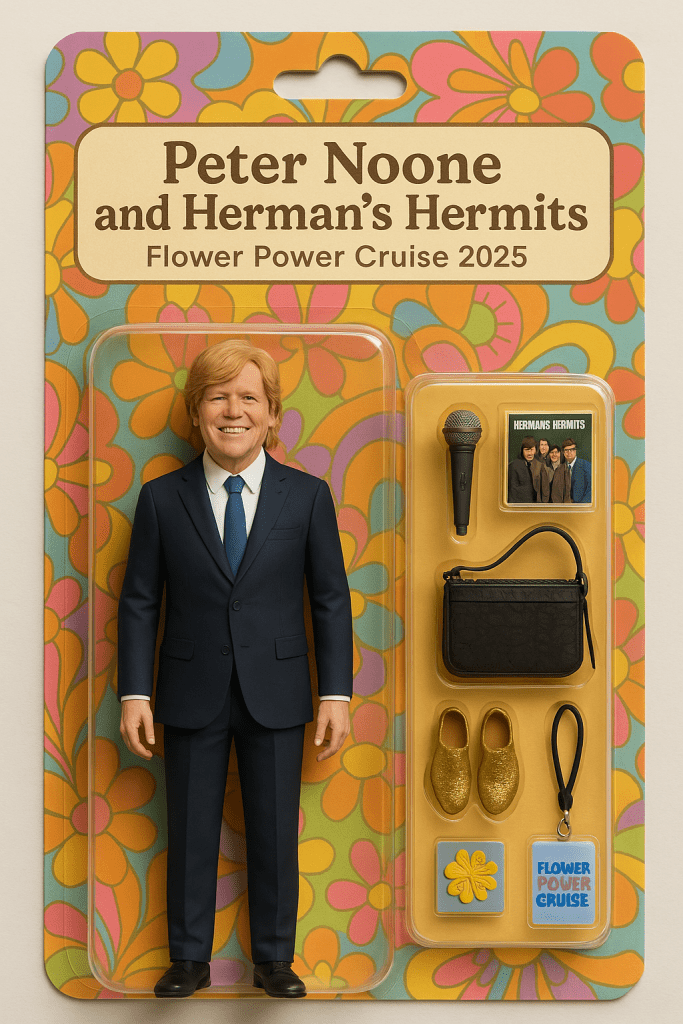
One of the most successful applications of this technology involved Peter Noone of Herman’s Hermits. During the cruise, Noone famously engaged with the audience, throwing personal items—such as a fan’s purse and a badge—onto the stage, and teasing a passenger about his gold sparkle shoes. By feeding the AI headshots of Noone combined with photographic evidence of these specific artifacts, the resulting action figure achieved a level of personal detail that standard AI generation rarely hits, blending real-world history with digital mimicry.
Phase 3: Scaling to Friends and Colleagues
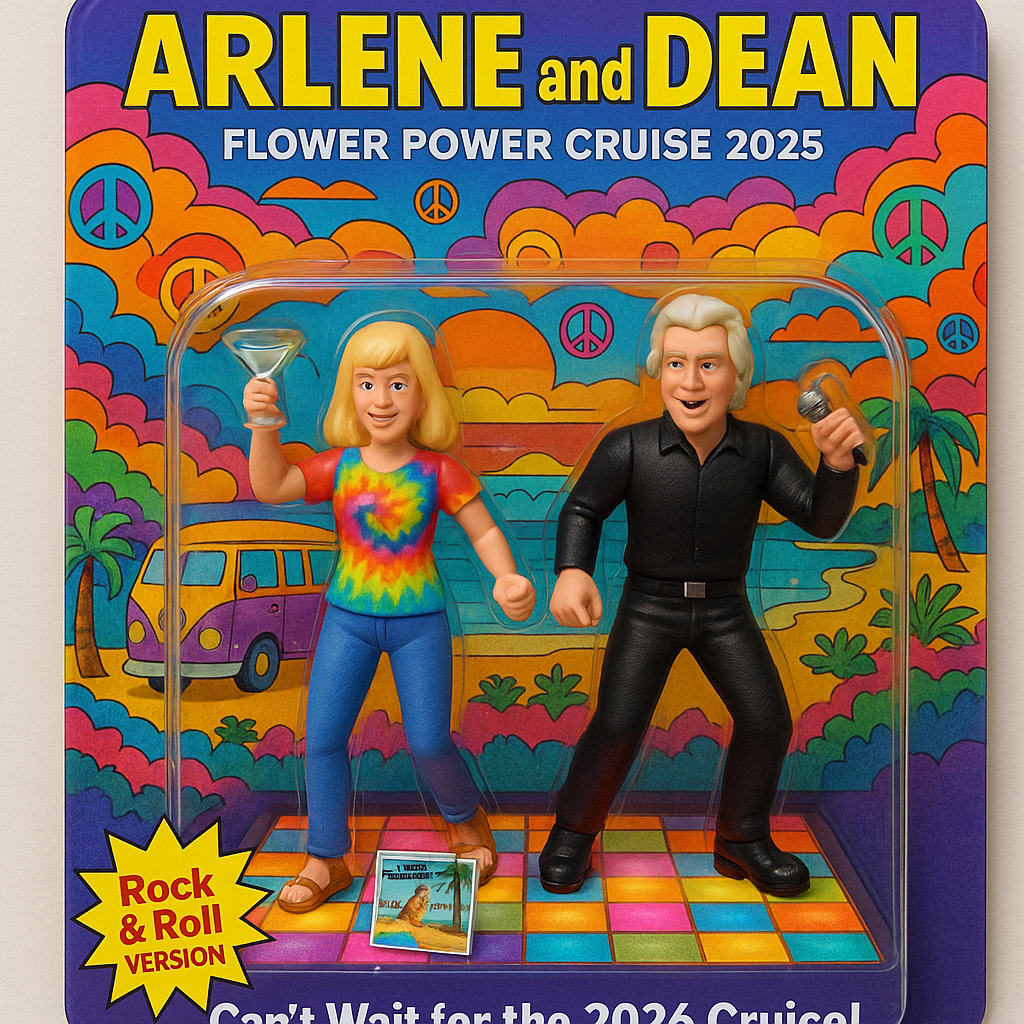
As confidence in the tool grew, the scope expanded to include colleagues and family. The project grew to include:
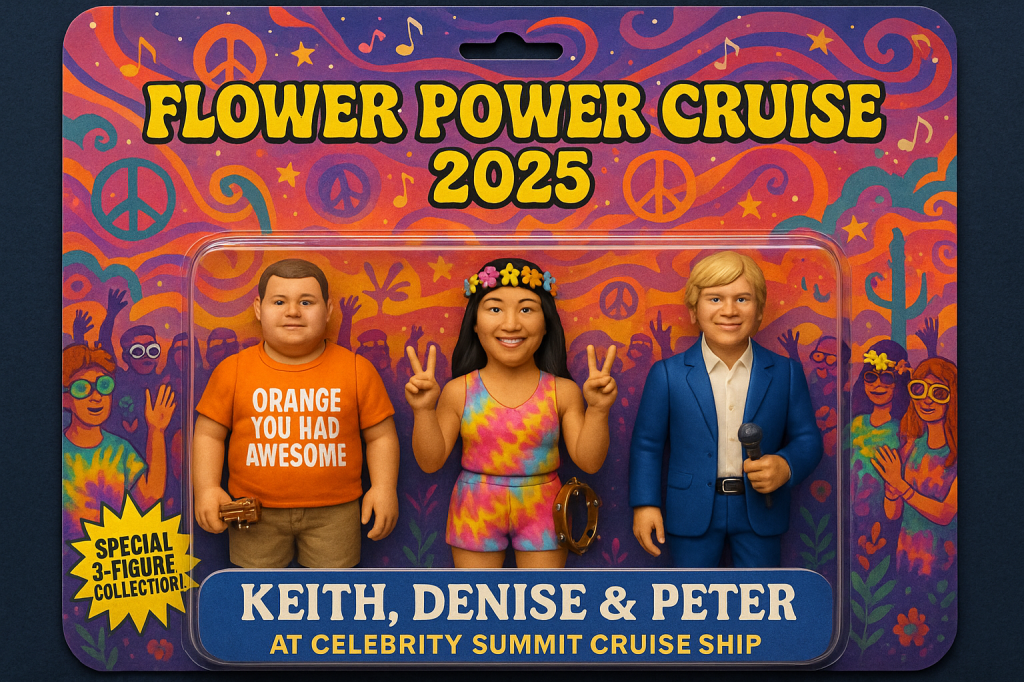
- The Three-Pack: Utilizing a video frame from a concert, the AI was tasked with creating a collectible three-pack action figure featuring Peter, Denise, and Keith.
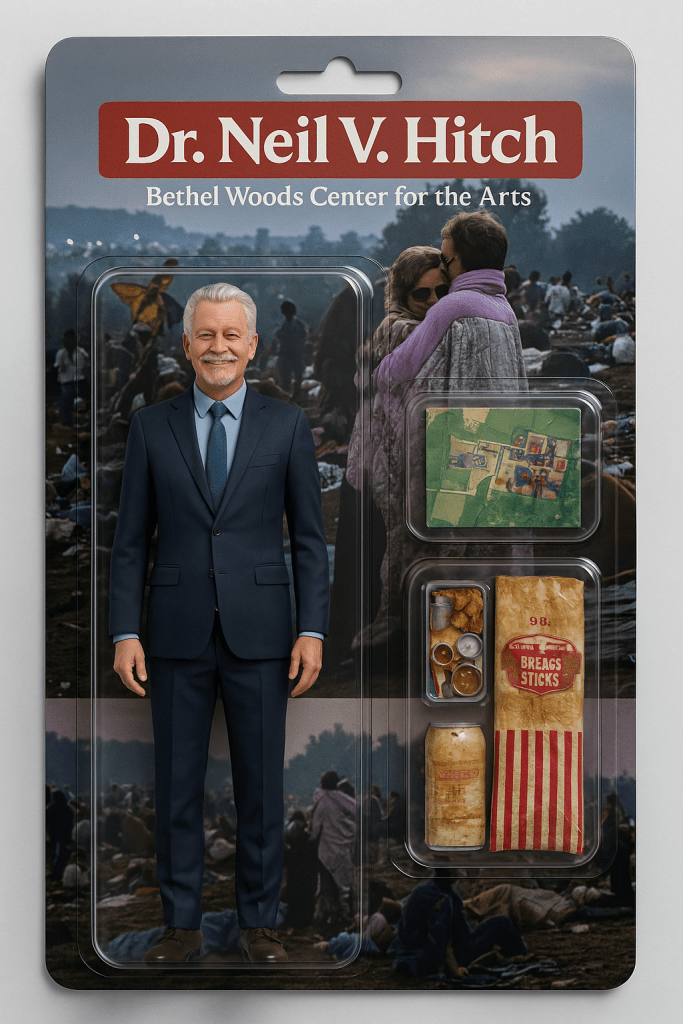
- Dr. Neil V. Hitch: A complex project that required synthesizing a headshot of the archaeologist with items discovered at a Bethel Woods fire pit (the site of the 1969 Woodstock festival).
- The "Purge" Variation: A collaboration with coworker Eric Carlson pushed the boundaries of the tech, resulting in a dark, thematic action figure modeled after the The Purge film franchise, demonstrating the AI’s ability to pivot to specific, moody genres.
Supporting Data: Understanding the "Toon" Effect
One of the most interesting observations from this project is the tendency for AI to "cartoonize" subjects when forced to regenerate images repeatedly. Mike noted that the more he prompted the system to refine a figure, the more the output shifted from realistic proportions to the exaggerated, rubber-hose style reminiscent of Who Framed Roger Rabbit. This suggests a potential "drift" in the model’s latent space, where repeated iterations push the output toward the most statistically common, stylized representation of an "action figure" rather than the realistic likeness of the subject.

Official Responses and Ethical Boundaries
The use of AI to generate likenesses of public figures and personal friends raises questions about intellectual property (IP) and digital ethics. When Mike attempted to create a Jar Jar Binks figure, the system hit a hard wall, refusing the prompt due to strict guardrails protecting Disney/Lucasfilm IP. The AI steered the user toward generic "fantasy figure" alternatives, illustrating the platform’s active efforts to prevent copyright infringement.
However, for personal projects, the balance remains flexible. The "hallucinations" encountered—such as the AI automatically replacing a lost baby tooth on a grandson’s action figure or defaulting to "space alien money" when denied Star Wars assets—show that the model is designed to be helpful, sometimes to a fault.
Implications for the Future of Personal Collectibles
The implications of this experiment are twofold:
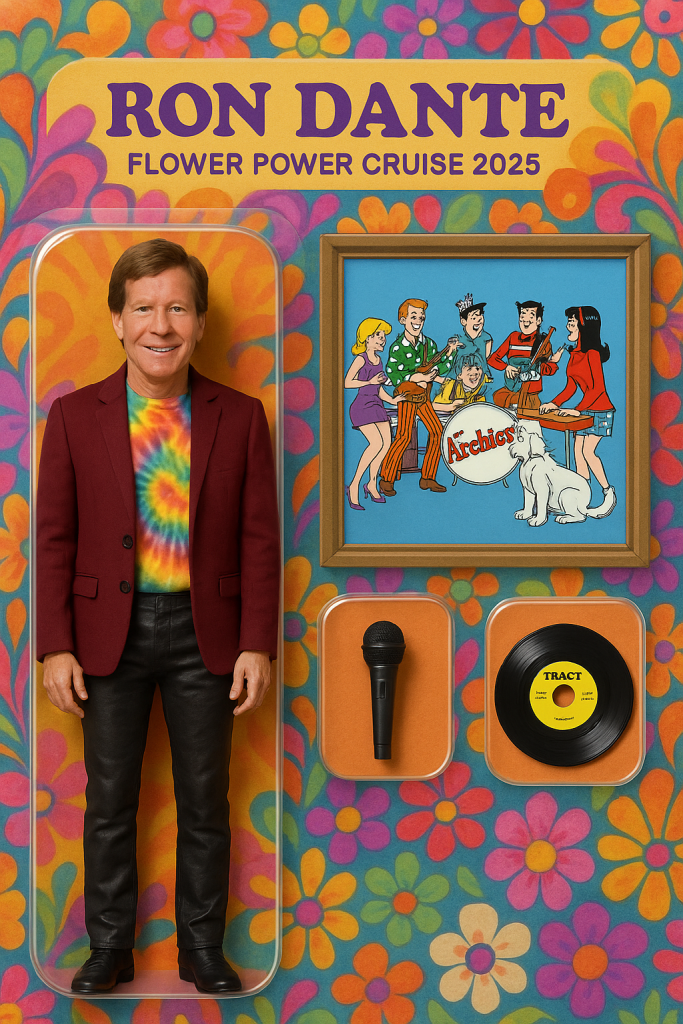
- Democratization of Design: We are entering an era where any individual with access to an LLM can act as a product designer. The ability to take a personal photo and translate it into a vintage-style Kenner-carded action figure is a feat of engineering that was inaccessible to the public just a few years ago.
- The Human-in-the-Loop Requirement: Despite the efficiency of AI, the "perfectionist" element of design remains firmly human. As Mike’s experience with the Dotti Bolt action figure (which required multiple iterations to get the "weathered" look of a cowboy hat just right) shows, the AI is a tool, not a replacement. It requires a human director to curate, edit, and ultimately define what is "good enough."
Conclusion: A Work in Progress
As of June 2025, the gallery of action figures continues to grow. Whether it is adding missing faces to robot figures or correcting dental work on digital grandchildren, the process is continuous. These figures are not just images; they are digital artifacts of a specific time and place—the Flower Power Cruise—filtered through the unpredictable lens of silicon-based imagination.
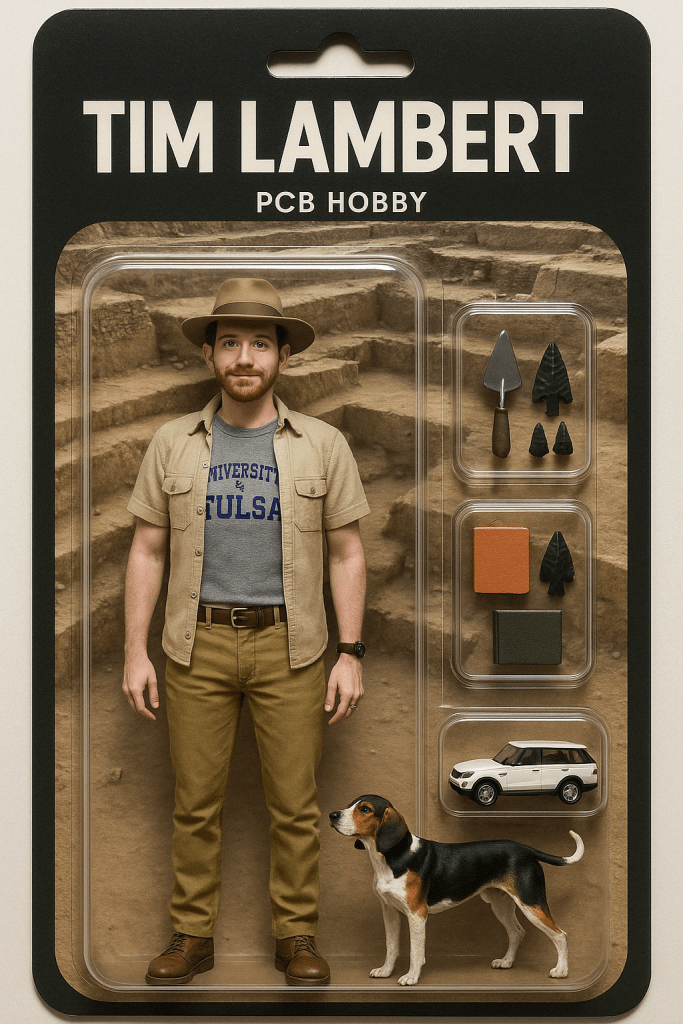
For those looking to follow in these footsteps, the lesson is clear: embrace the hallucinations, refine your prompts, and never underestimate the value of a well-placed cowboy hat. As Mike concludes, there is always another figure to design, another memory to capture, and another "glitch" to turn into a feature. Stay tuned—the AI toybox is only just getting started.
