
The AI Marketing Revolution: How Smart Automation is Defining the 2026 Competitive Landscape
In the rapidly evolving digital landscape of 2026, the question for marketing agencies and internal growth teams is no longer whether to adopt Artificial Intelligence, but how to deploy it with surgical precision. The narrative surrounding AI has shifted: it is no longer just a "time-saver" or a novelty for generating quick social media captions. Today, AI is the engine room of modern commerce, capable of reshaping what is possible in customer lifecycle management, hyper-personalization, and predictive analytics.
The true cost of resisting this shift is not found in the price of legacy software, but in the staggering opportunity cost of manual, reactive workflows. In an era where generic messaging is filtered out by increasingly sophisticated consumer spam blockers, brands that leverage AI to execute faster and personalize deeper are the ones capturing market share.
The Evolution of AI in Marketing: A Chronology
The integration of AI into marketing tools has followed a distinct trajectory over the past half-decade:
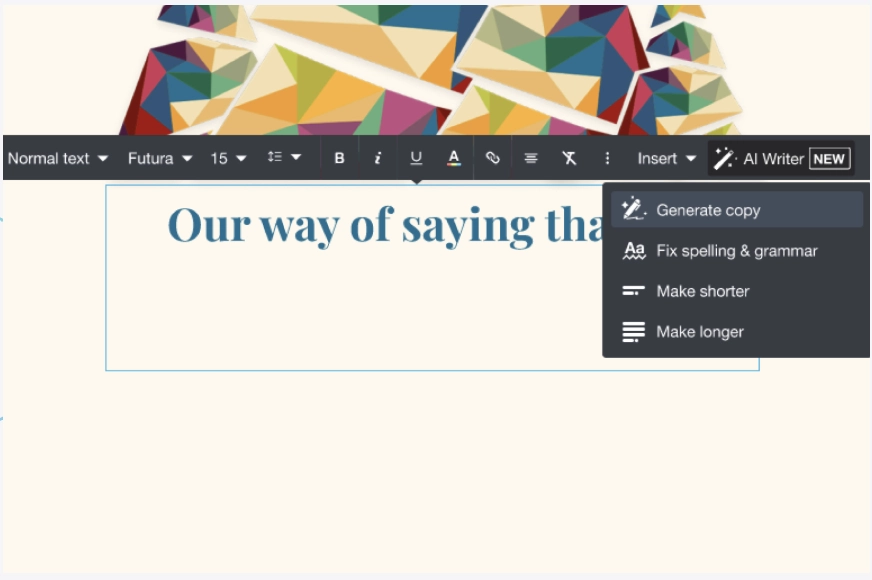
- 2021–2022: The Era of Experimentation. Initial adoption focused on simple text generation and basic chatbot interactions. Tools were largely standalone, requiring heavy human oversight and "copy-paste" workflows.
- 2023–2024: The Integration Phase. APIs allowed AI models to talk to CRMs and Email Service Providers (ESPs). We saw the rise of automated subject line optimization and basic content scoring.
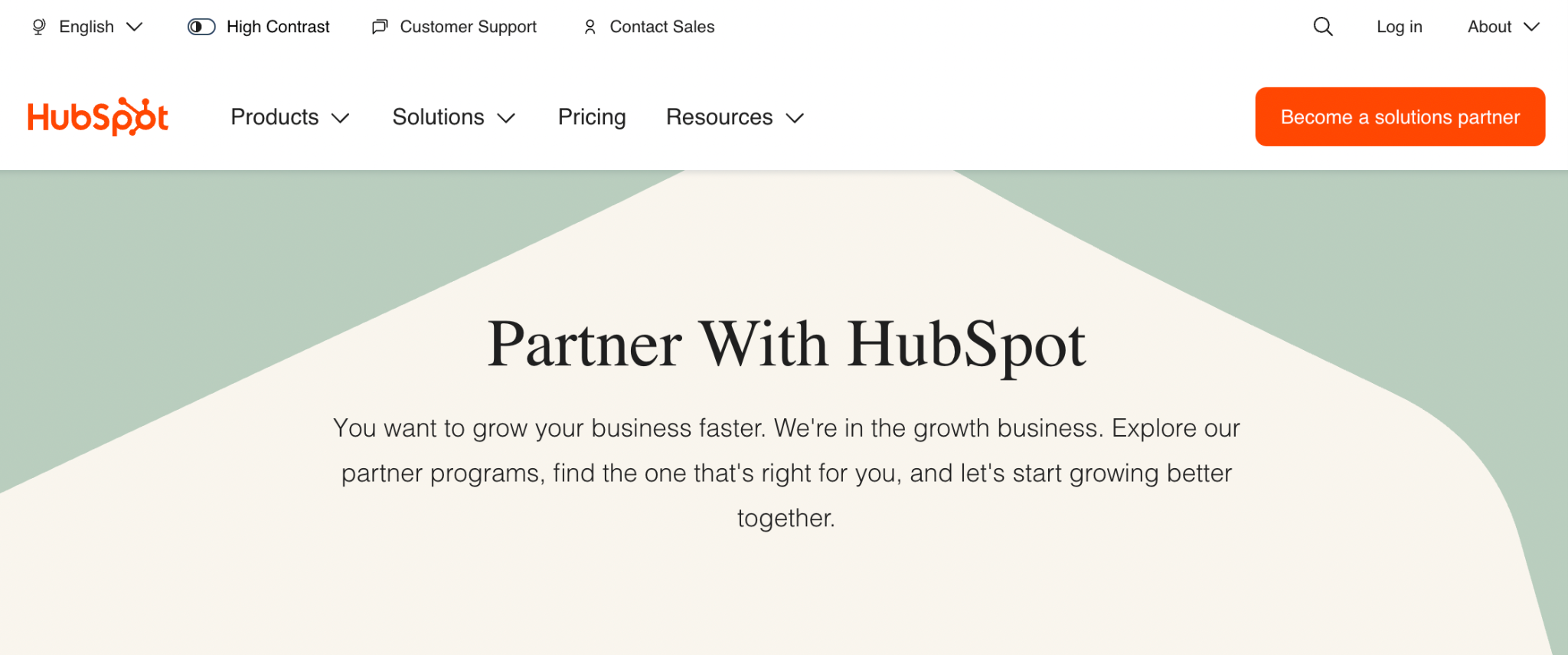
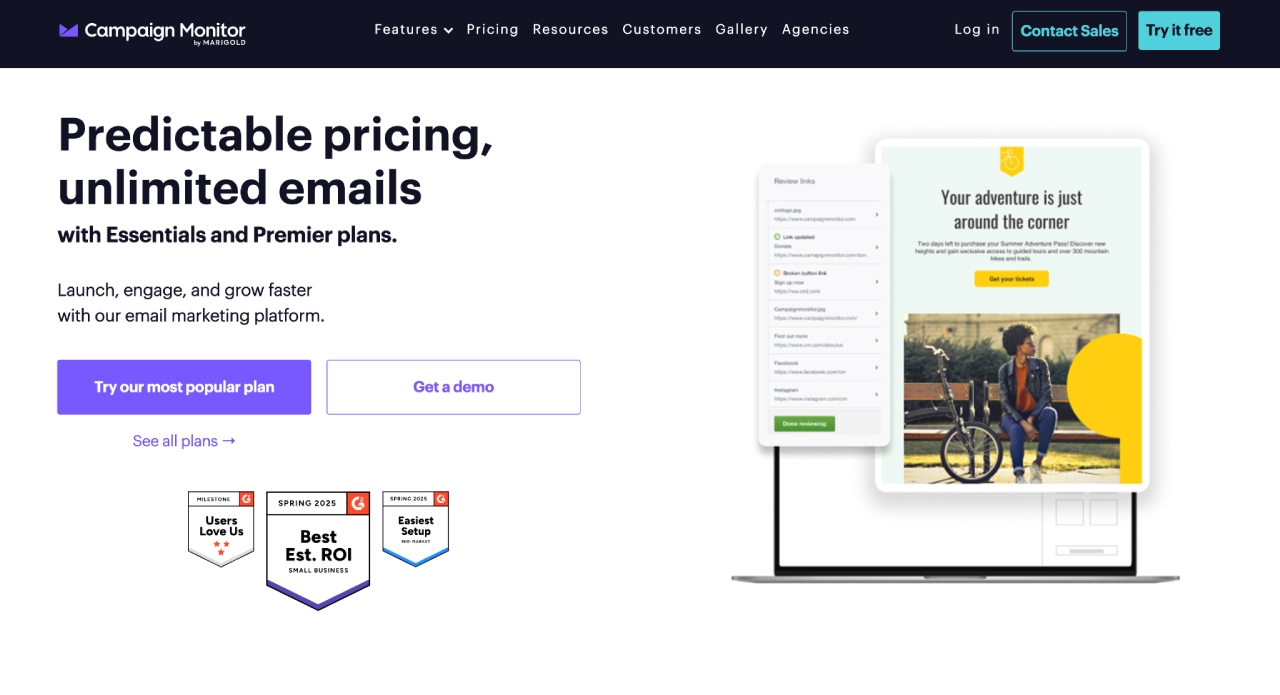
- 2025: The Orchestration Era. AI began to manage entire cross-channel journeys. Tools like Campaign Monitor and HubSpot moved from being "data storage" to "data intelligence" platforms, capable of autonomous segmentation.
- 2026: The Predictive & Generative Maturity. We are now in the age of "Agentic Marketing." AI is not just creating content; it is analyzing performance, identifying churn risks, and autonomously launching A/B tests to optimize conversion rates without human intervention.
Supporting Data: Why AI ROI is No Longer Theoretical
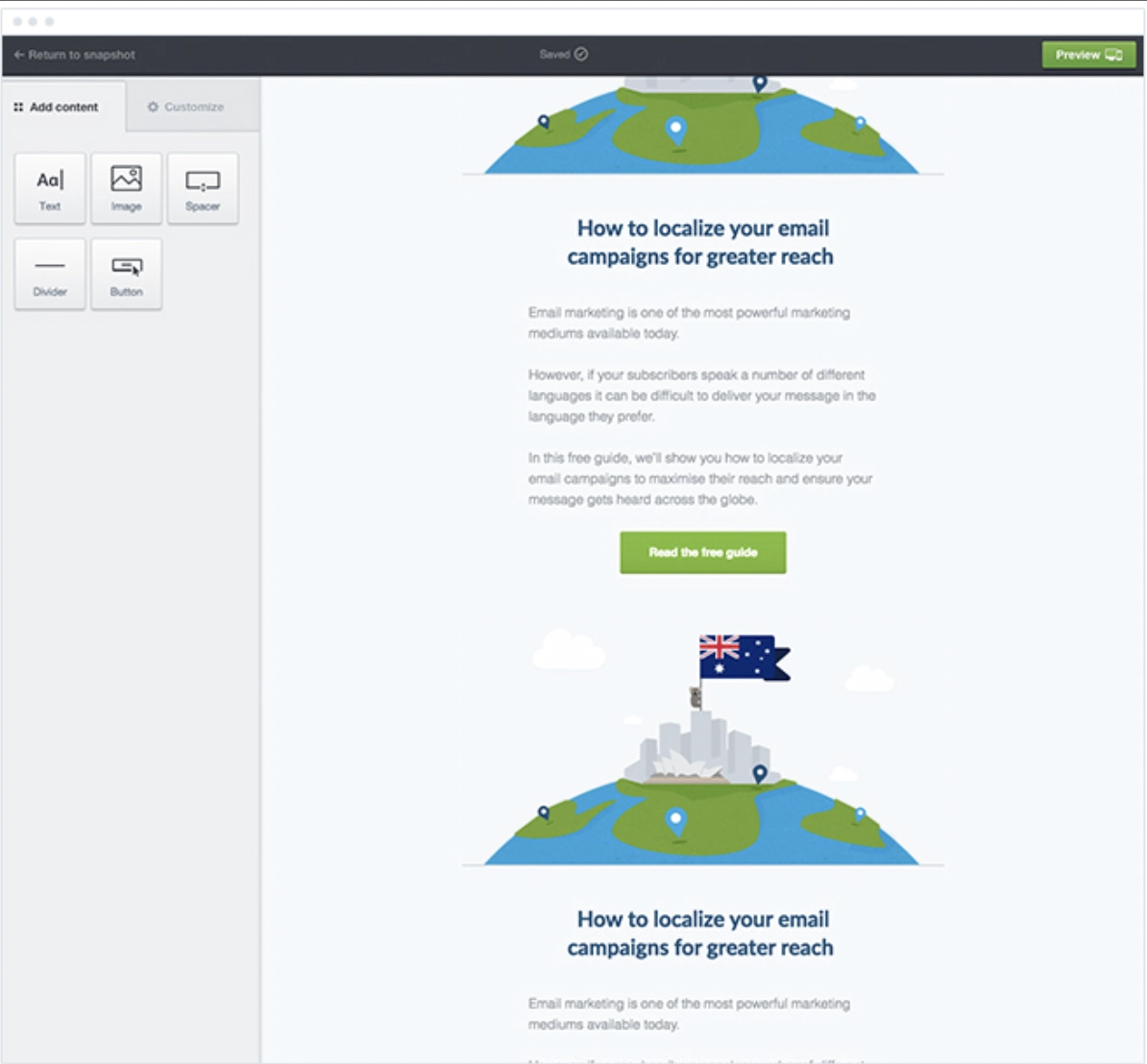
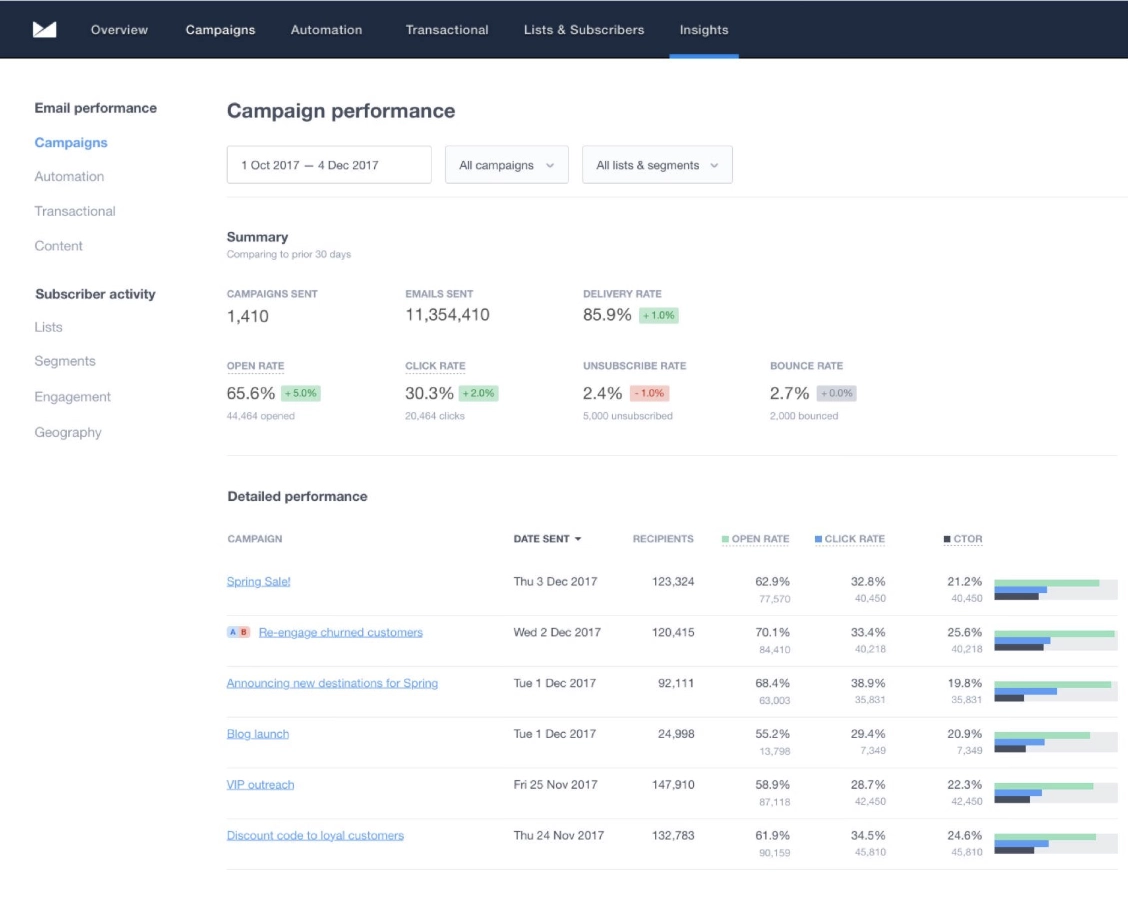
The shift toward AI-driven marketing is backed by tangible performance metrics. For example, brands utilizing advanced email personalization features—such as those found in Campaign Monitor—have reported significant improvements in bottom-line metrics. Specifically, case studies indicate that organizations leveraging AI-driven dynamic content and intelligent segmentation have seen engagement spikes of 10% to 20% compared to static, one-size-fits-all campaigns.
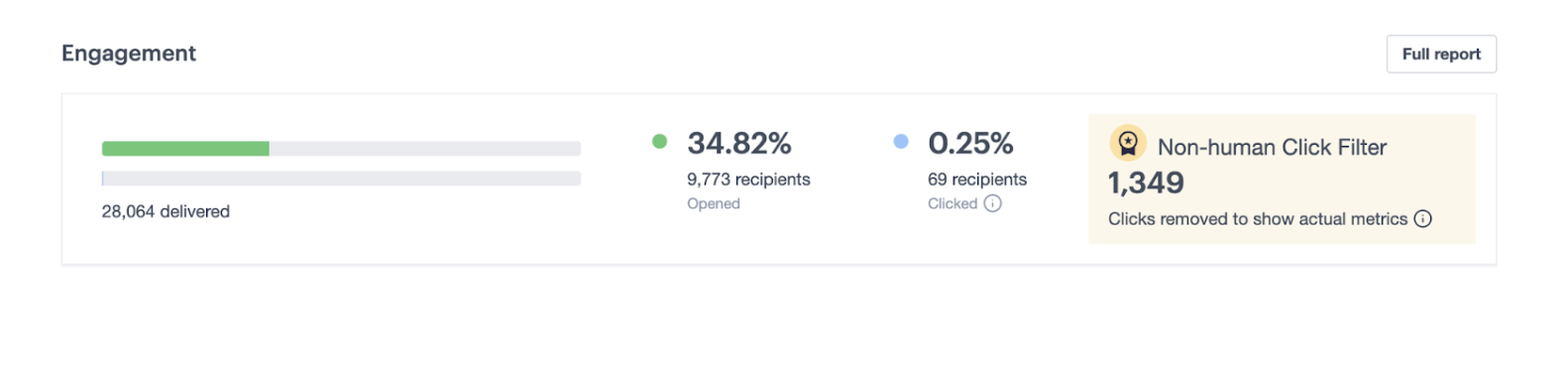
Furthermore, the reduction in "bot-inflated" data is providing a clearer picture of true customer behavior. By utilizing AI to filter out non-human traffic, marketing teams are finally seeing the "signal through the noise," allowing them to double down on high-intent customer segments rather than wasting budget on vanity metrics.
Strategic Implications: Moving Beyond Busywork
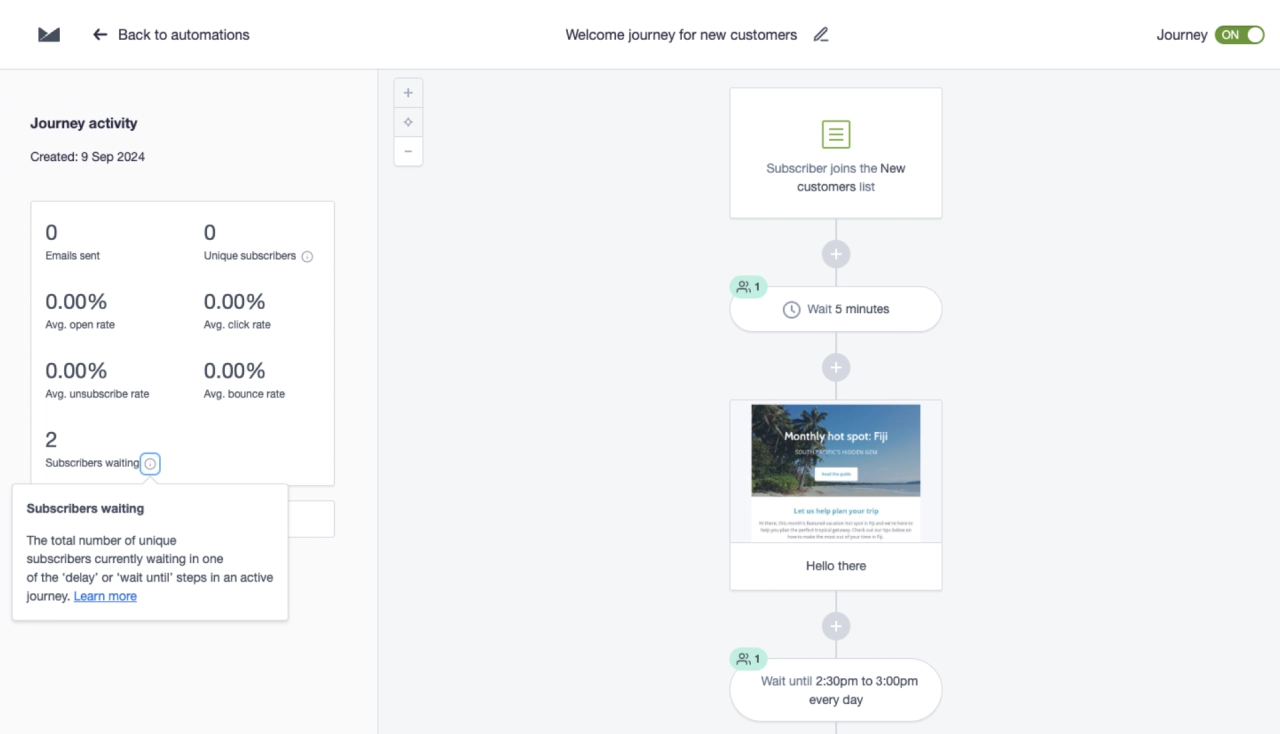
The primary implication for modern marketing teams is the transition from "doers" to "directors." When AI handles the drafting, tagging, and routine journey mapping, the human role evolves into one of high-level strategy, brand governance, and ethical oversight.
The 3P Selection Model for AI Tools
To avoid the trap of "tech debt"—where you accumulate too many disconnected tools—teams should evaluate every potential vendor through the 3P Model:
- Platform Fit: Does the tool integrate seamlessly into your current stack (CRM, SMS, Analytics)? If it requires a bridge of spreadsheets to function, it will ultimately create more work than it saves.
- Predictive Power: Does the tool use your specific historical data to improve future outcomes, or is it just a "wrapper" for a generic LLM?
- Policy & Privacy: Does the tool adhere to your data governance standards? With increasing global privacy regulations, the security of your zero-party data is non-negotiable.
Comprehensive Tool Directory: Marketing Tech for 2026
Email & Customer Journeys
- Campaign Monitor: The industry leader for multi-location brands. Its strength lies in its ability to marry AI-generated copy with strict brand governance, ensuring that while the content is personalized, it never veers off-brand.
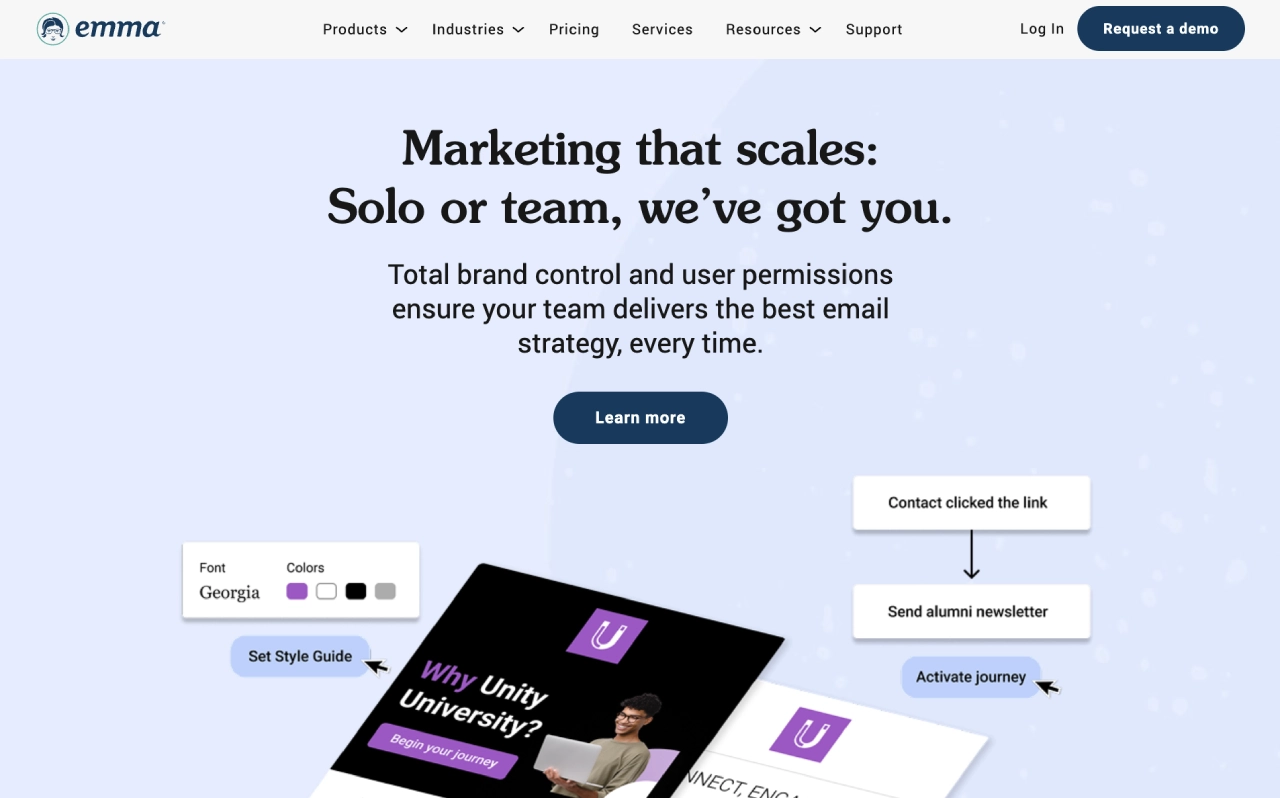
- Emma: Specifically engineered for franchise networks and higher education, providing the necessary "locked template" features that allow local branches to move fast without compromising the parent brand’s identity.
Content Creation & SEO
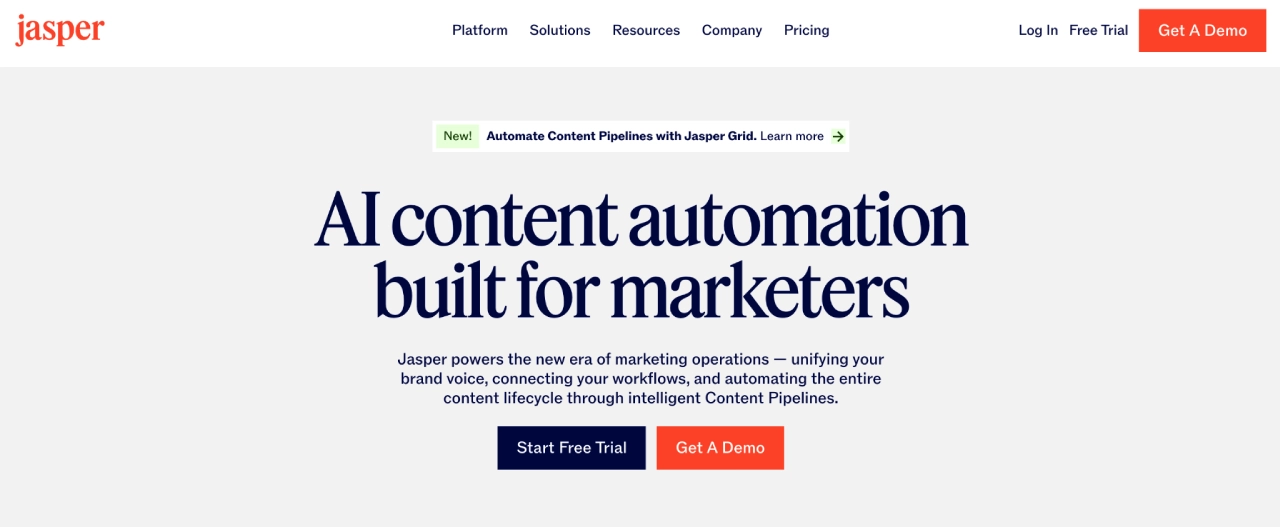
- Jasper: The gold standard for teams needing to maintain a consistent "brand voice" across long-form content.
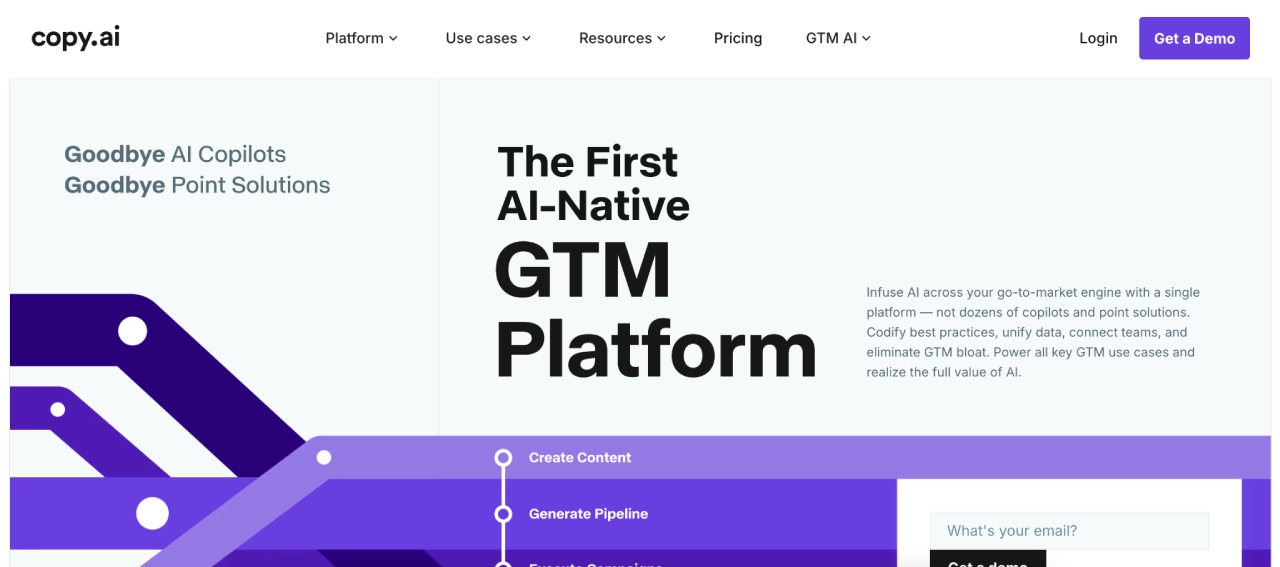
- Copy.ai: The best-in-class solution for teams that need to turn a single brief into a multi-step, multi-channel campaign workflow.
- Clearscope: An essential for SEO-heavy organizations that need AI to score their content against top-ranking search results to ensure maximum discoverability.
On-Site Growth & Conversion
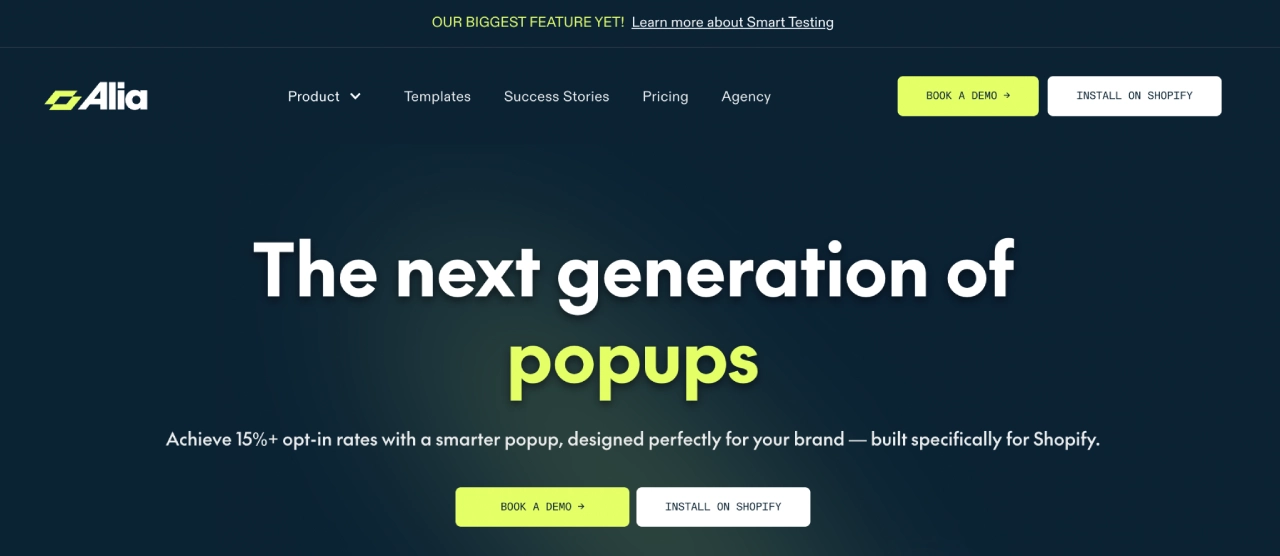
- Alia Popups: Leverages zero-party data to serve highly relevant, AI-optimized offers that increase conversion rates without feeling intrusive.
- Heatmap.com: A critical tool for CRO teams, providing revenue-linked analytics that show exactly which site elements are driving sales.
Enterprise & CRM Orchestration
- HubSpot AI: The comprehensive choice for mid-market and enterprise teams. It effectively unifies the CRM, marketing, and sales automation layers under one AI-assisted umbrella.
- Salesforce Einstein: The powerhouse for large-scale enterprise data, offering predictive lead scoring that can drastically improve the efficiency of sales outreach.
Official Perspective: The Human-AI Hybrid Model
Industry experts agree: AI can produce speed, but it cannot replace intent. The most successful organizations in 2026 are those that treat AI as a "junior associate." The AI handles the heavy lifting—the drafting, the data cleaning, the segmenting—but the final strategic review is always conducted by a human.
This "Human-in-the-Loop" approach prevents the "hallucination" and "tone-drift" that often plague fully automated campaigns. By allowing AI to handle the scale while humans curate the soul of the messaging, brands are achieving a level of performance that was functionally impossible just two years ago.
Conclusion: The Path Forward
The market has reached a critical juncture. Brands that continue to launch campaigns the "slow way"—manually editing templates, guessing at segments, and operating in data silos—are losing ground to competitors who are automating their way to precision.
The Actionable Roadmap for the Next 30 Days:
- Audit: Identify your biggest bottleneck. Is it content production, lead routing, or customer support?
- Shortlist: Pick one category from the directory above that addresses that specific bottleneck.
- Score: Use the 7-point selection framework (Integration, Brand Alignment, Use Case, Data Privacy, Scalability, ROI Tracking, and Ease of Adoption).
- Implement: Begin with a small-scale pilot. Use a tool like Campaign Monitor to test a single segment before rolling out across your entire database.
The technology exists to make your marketing smarter, faster, and more profitable. The question is no longer about the capability of the tools, but about the urgency of your transition. Don’t just save time; reshape what your brand is capable of achieving in the year ahead.
For those ready to move beyond manual workflows, tools like Campaign Monitor provide the necessary bridge to a more automated, high-impact future.
