

The AI Copywriting Revolution: Navigating Efficiency, Accuracy, and Brand Integrity in 2026
As we move deeper into 2026, the marketing landscape has undergone a seismic shift. For the first time in history, the volume of AI-generated content is officially outpacing human-authored material. What was once a niche experiment for tech-savvy early adopters has become a standard operational requirement for businesses globally. However, as the novelty fades, the industry is grappling with a sobering reality: speed is not synonymous with substance.

The Mechanics of Modern Copywriting: How AI Models Function
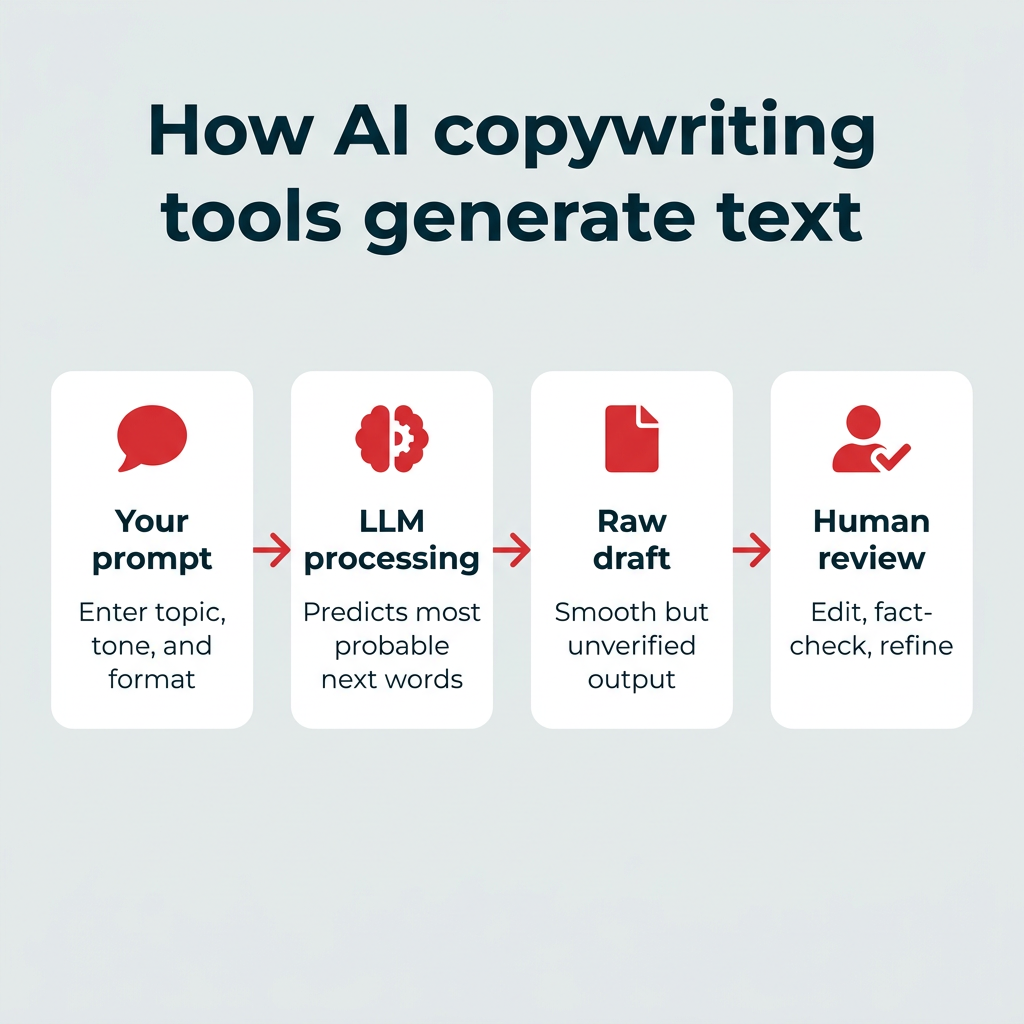
To understand the current state of AI copywriting, one must first demystify the technology. Most professional copywriting tools are built upon Large Language Models (LLMs) that function as sophisticated pattern-recognition engines. These systems do not "think," "feel," or possess genuine intent. Instead, they operate by predicting the most statistically probable next word in a sequence based on vast datasets of human writing.

This predictive nature is both the engine of their efficiency and the root of their greatest weakness. Because these models lack a conceptual understanding of reality, they are prone to "hallucinations"—the confident assertion of false facts, invented statistics, or non-existent citations. In a professional marketing context, an AI tool is effectively a high-speed, hyper-literal intern. It can generate a draft in seconds, but it lacks the strategic oversight, emotional nuance, and ethical grounding required to represent a brand accurately.
A Chronology of Adoption: From Novelty to Necessity
The evolution of AI in marketing has been rapid, moving from experimental toy to boardroom staple in less than three years:
- 2023: The "Gold Rush" phase. Companies experimented with ChatGPT and early specialized tools to reduce overhead. Content volume exploded, but quality remained inconsistent.
- 2024: The "Governance" shift. Organizations began realizing that unedited AI content could lead to SEO penalties and brand dilution. Enterprise-grade tools began integrating compliance filters.
- 2025: The "Integration" era. AI was no longer a standalone tool but a feature embedded within larger platforms (like Hootsuite’s OwlyWriter or HubSpot’s Content Hub), allowing for seamless scheduling and publication.
- 2026: The "Human-in-the-Loop" standard. As consumer sentiment shifts, businesses are prioritizing human-vetted, high-quality content to distinguish themselves from the deluge of generic AI-generated noise.
Supporting Data: The Accuracy Gap and Consumer Sentiment
The industry is currently facing a "trust deficit." Recent data from the advertising sector reveals that 60% of professionals cite accuracy as the primary barrier to broader AI adoption. This hesitation is well-founded. When an AI confidently inserts an off-brand phrase or a fabricated statistic into a campaign, the cost of correction often outweighs the time saved during the initial drafting phase.
Furthermore, consumer sentiment is hardening against machine-generated content. According to a 2026 Gartner survey, 50% of consumers explicitly state they prefer brands that avoid using Generative AI in their consumer-facing communications. This creates a strategic paradox: brands must use AI to remain cost-competitive, yet they must mask that usage with enough human editorial oversight to maintain authenticity and trust.
The Pros and Cons: A Strategic Balancing Act
For marketing managers, the decision to integrate AI is a calculation of risk versus reward.
| Pros | Cons |
|---|---|
| Rapid Scaling: Drafts in seconds, hours of work saved. | Hallucinations: Inaccurate facts and invented data. |
| Creative Spark: Overcoming writer’s block instantly. | Generic Output: Often lacks brand-specific depth. |
| Cost Efficiency: Lowering overhead for content production. | Human Oversight: Requires constant fact-checking. |
| Localization: Scaling multi-language campaigns. | SEO Risks: Unedited content can hurt search rankings. |
Practical Applications for 2026 Workflows
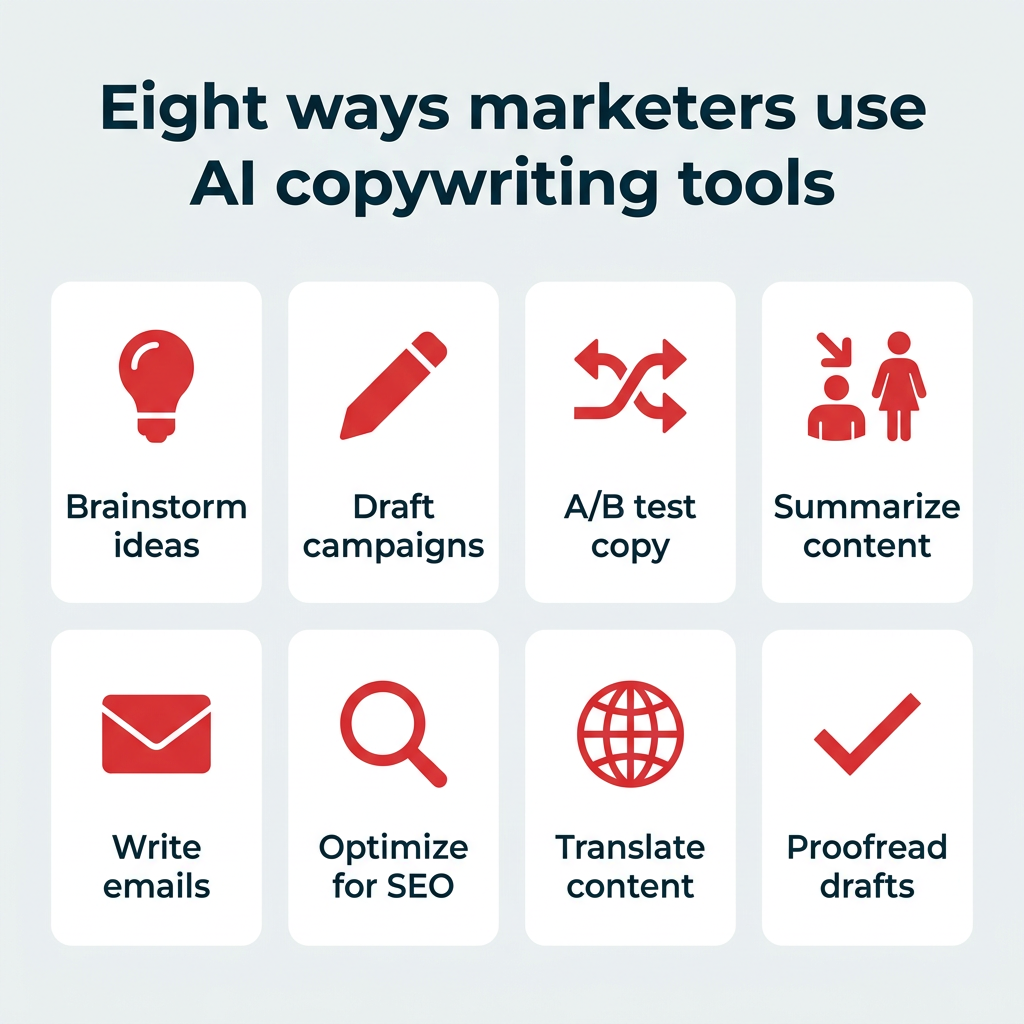
While the risks are clear, the benefits are too significant to ignore. Marketing teams are currently utilizing AI in eight key areas to maintain a competitive edge:

- Social Media Ideation: Using tools like OwlyWriter to brainstorm campaign themes.
- Long-form Repurposing: Converting a single whitepaper into multiple social posts.
- Drafting Initial Outlines: Providing a structural framework for blog posts.
- Tone Transformation: Adjusting copy to sound more professional or playful.
- SEO Meta-Data: Automating the generation of descriptions and alt-text.
- Email A/B Testing: Generating variations of subject lines for engagement testing.
- Ad Copy Variations: Testing dozens of hook variations in real-time.
- Compliance Scanning: Using AI to check copy against pre-set brand guidelines.
Spotlight: The Leading Tools of 2026
The market has matured into a mix of specialized tools and all-in-one platforms:
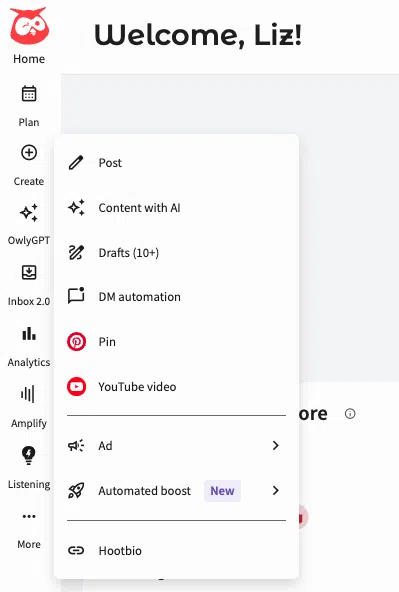
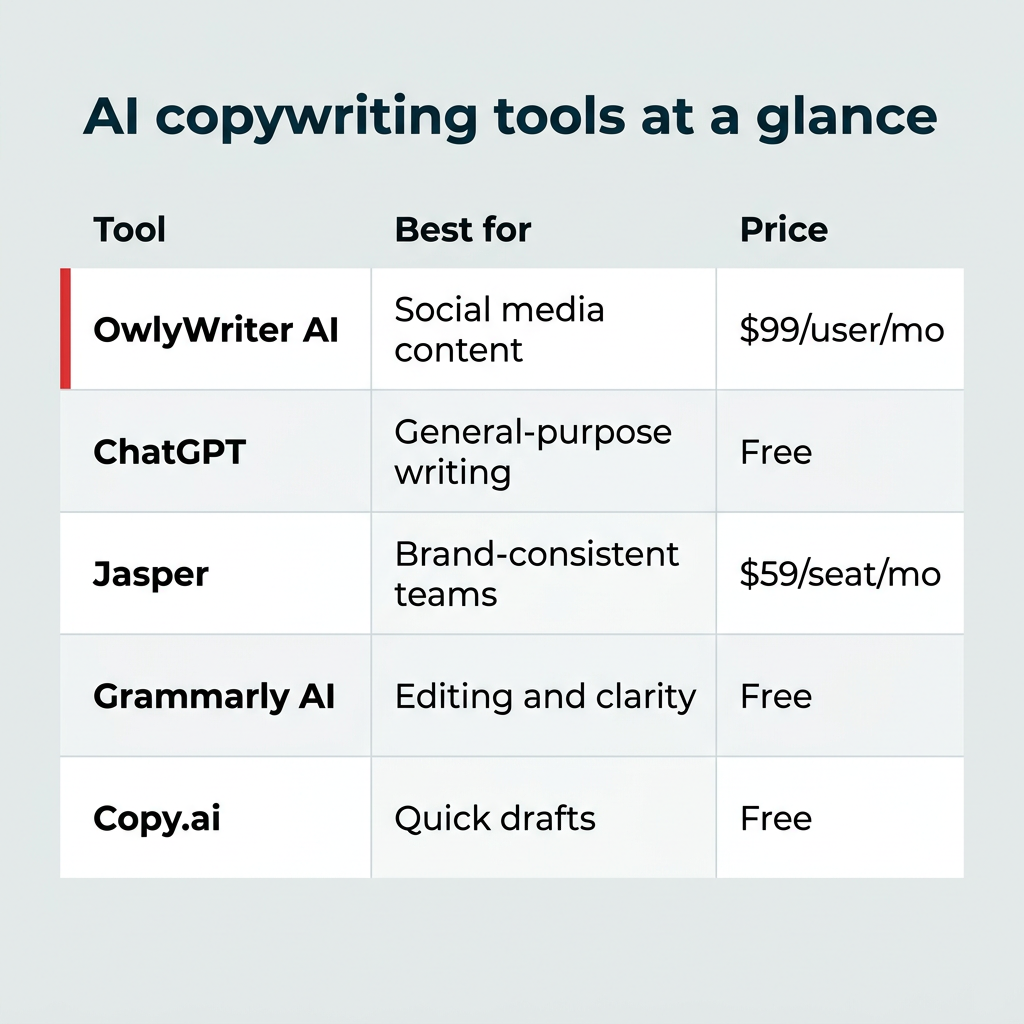
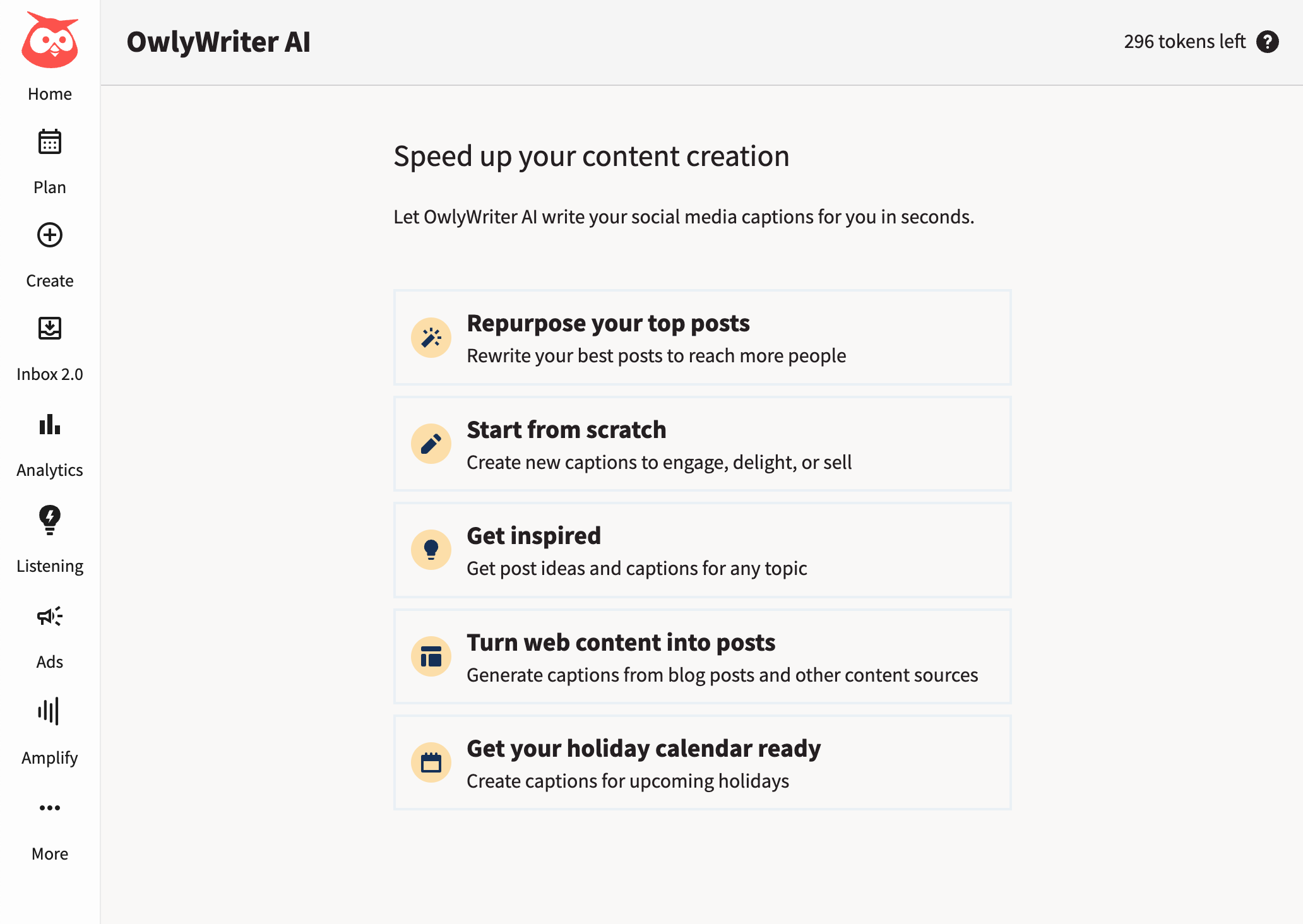
- OwlyWriter AI: Integrated directly into Hootsuite, it is the premier choice for social-first brands. Its ability to turn web content into social posts and its adherence to brand voice makes it a standout.
- ChatGPT (OpenAI): The gold standard for versatility and conversational ideation.
- HubSpot AI: Ideal for CRM-integrated marketing, where content needs to be connected to sales funnels.
- Grammarly AI: Essential for teams prioritizing clarity, tone, and grammatical precision.
- Jasper: The go-to for enterprise teams focused on collaborative brand-voice management.
- Copy.ai: Favored for its ability to generate "almost-ready" drafts through a brief-driven workflow.
- Writesonic: Distinguished by its real-time web access, allowing for more factual, current content.
- Rytr: A favorite for agile teams who need to generate content on the fly via browser extensions.
- QuillBot: The definitive tool for paraphrasing and refining existing text.
- DeepL Write: Excellent for those who want simple, high-quality stylistic improvements without complex prompt engineering.
Implications for the Future: Why Human Strategy Remains King
The most critical takeaway for 2026 is that AI copywriting tools are, and will remain, "drafting partners" rather than creative replacements. The strategic nuance required to understand a brand’s positioning, the emotional intelligence to connect with a target audience, and the ethical responsibility to ensure factual truth are uniquely human traits.

For enterprise teams, the mandate is clear: build a workflow where AI does the heavy lifting of production, but where a human editor acts as the final gatekeeper. The brands that win in this new era will not be those that use the most AI, but those that use AI most effectively to augment—rather than replace—the human touch.

Frequently Asked Questions
What should enterprise teams prioritize when choosing AI tools?
Prioritize integration with your existing tech stack, robust governance features, and the ability to train the model on your specific brand voice.

How can you prevent brand damage?
Implement a mandatory "human-in-the-loop" policy. Never publish without human verification of facts, links, and tone.

Can AI replace copywriters?
No. It cannot replicate the strategic, emotional, or creative foresight required for high-level brand positioning. It is a productivity multiplier, not a replacement for talent.

How accurate are AI statistics?
Often poor. Because models are trained to be "plausible" rather than "correct," they frequently hallucinate. Always treat AI-generated data as a placeholder that must be verified against primary sources.
