
The AI Agent Frontier: Why Your Website’s Architecture is the New Bottleneck
The modern web is currently undergoing a silent, tectonic shift. While human traffic remains the primary focus of web design, an invisible workforce of over 50 billion automated requests per day is hitting the world’s servers. These AI agents—powered by the likes of ChatGPT, Claude, Gemini, and Perplexity—are no longer just scraping content; they are acting on behalf of users to browse, compare, and execute complex tasks.
However, a critical gap has emerged: the web was built for human eyes and mouse clicks, not for autonomous digital agents. As businesses rush to adapt, they are discovering that their sites are often "blind" or hostile to these new visitors. When an agent fails to navigate your site, you aren’t just losing a bot—you are losing a potential customer.
The Chronology of an AI Interaction
To understand why agents frequently fail, one must look at the "Agentic Lifecycle." Unlike a search engine crawler that simply indexes text, an AI agent must simulate a user’s journey. This process typically follows a six-stage path, where failure at any point causes the entire operation to crash.
1. Discovery and Navigation: Mapping the Labyrinth
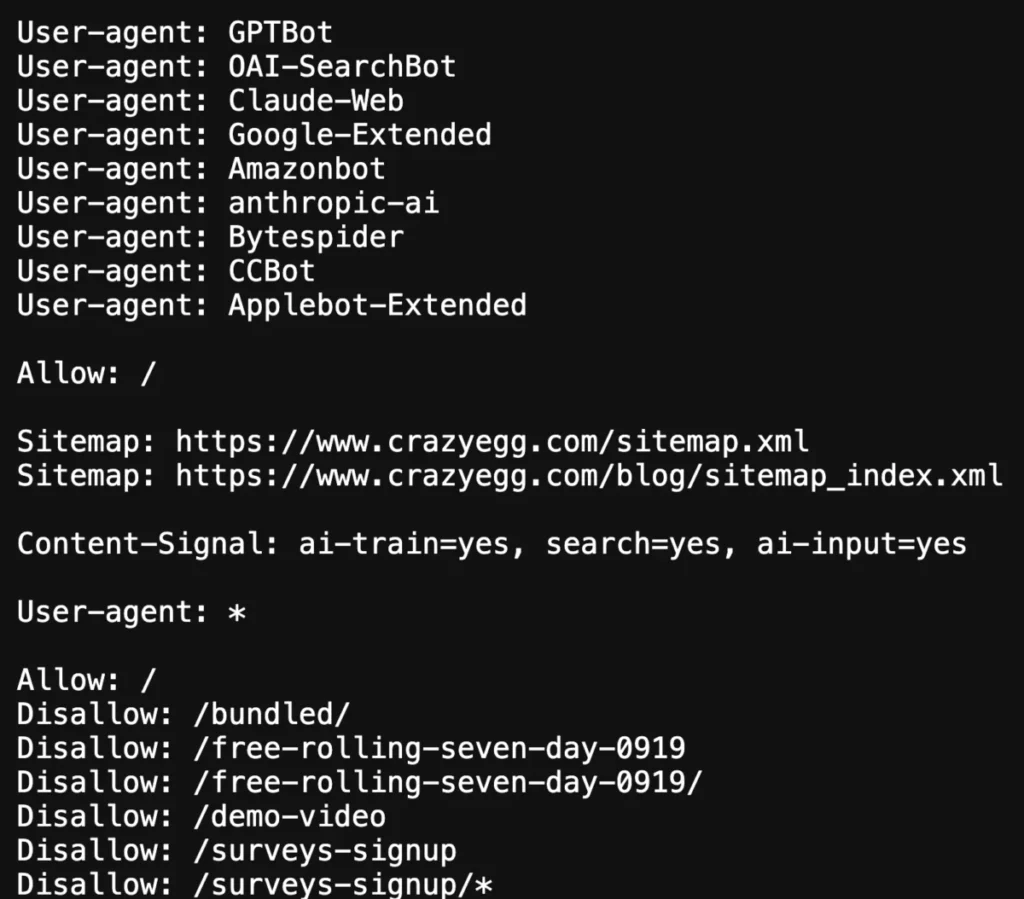
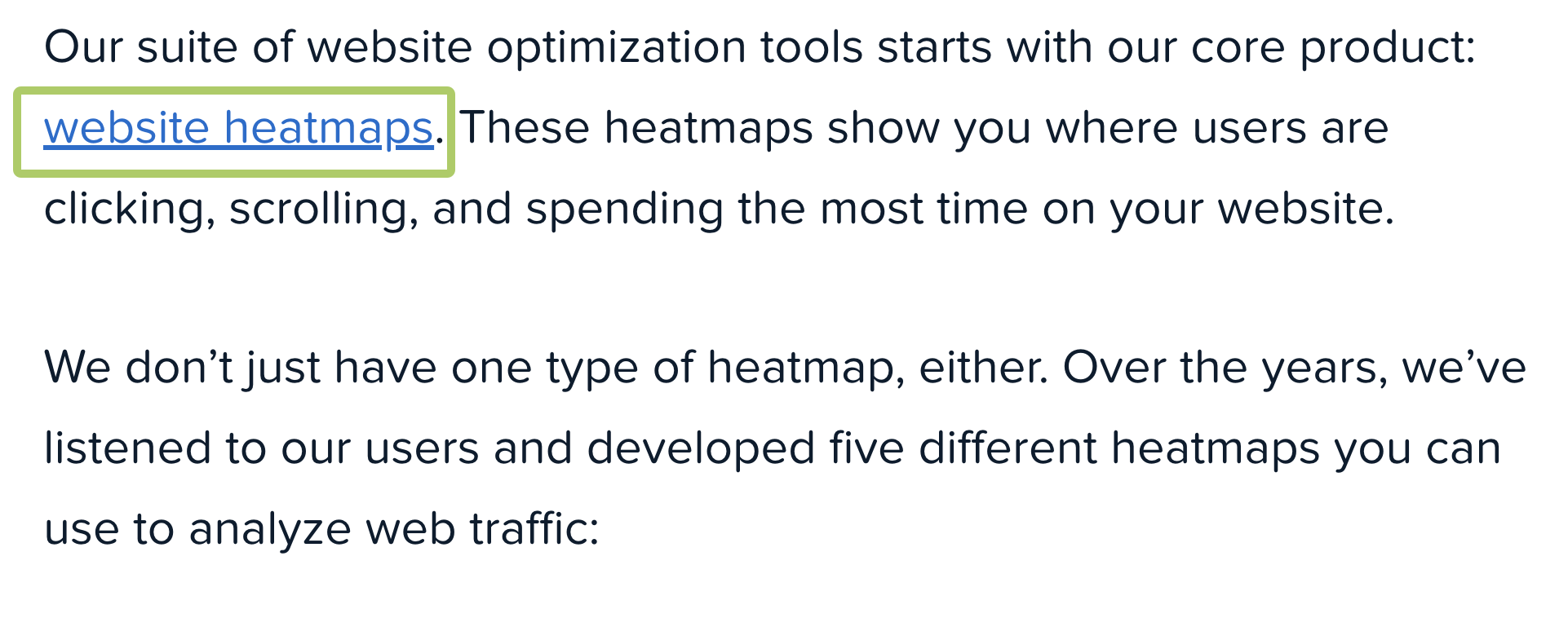
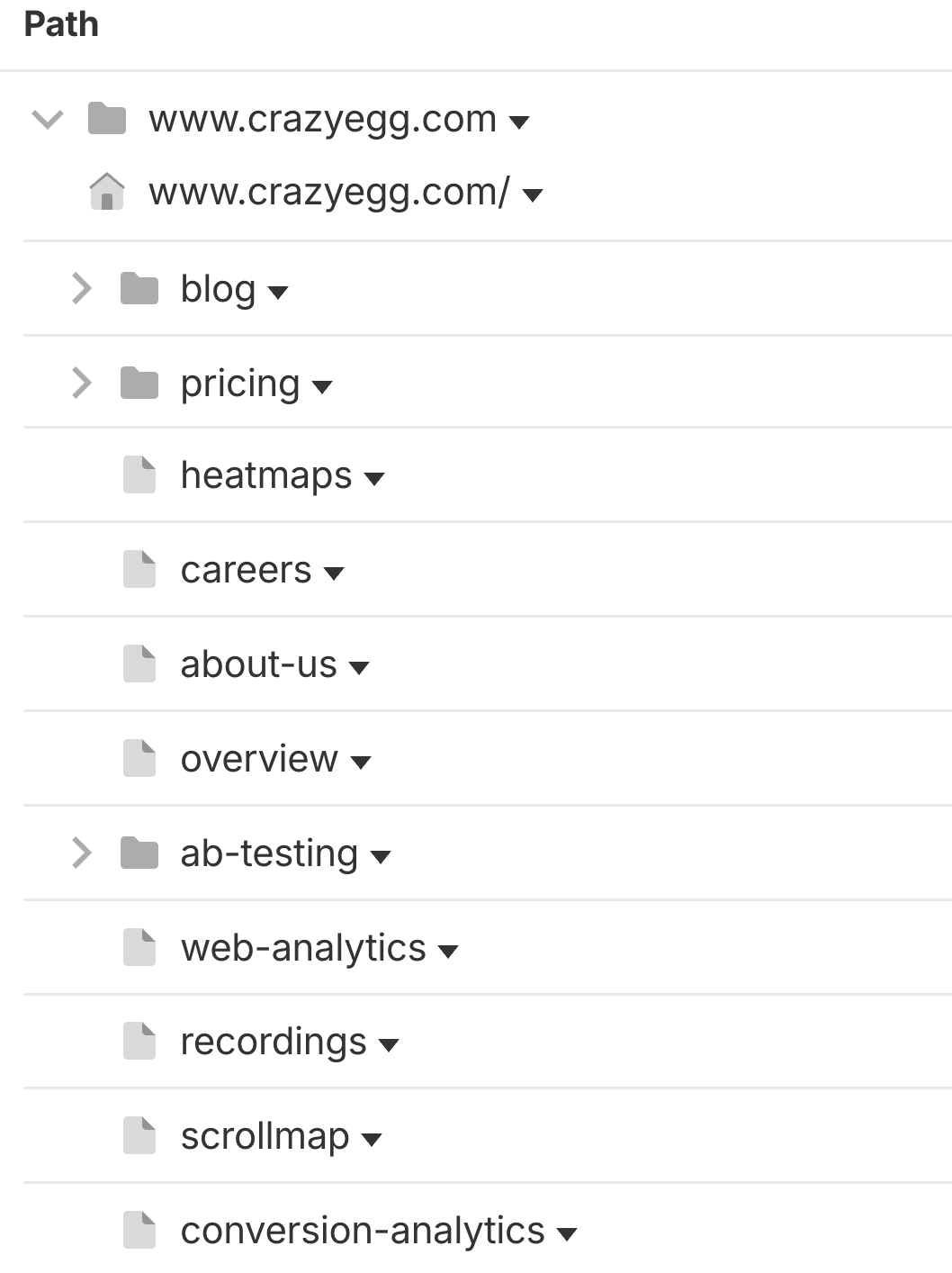
Before an agent can perform a task, it must find your content. It relies on traditional infrastructure—XML sitemaps, robots.txt files, and internal link architecture. If your site structure is hidden behind JavaScript-only menus or complex hover states, the agent hits a wall.
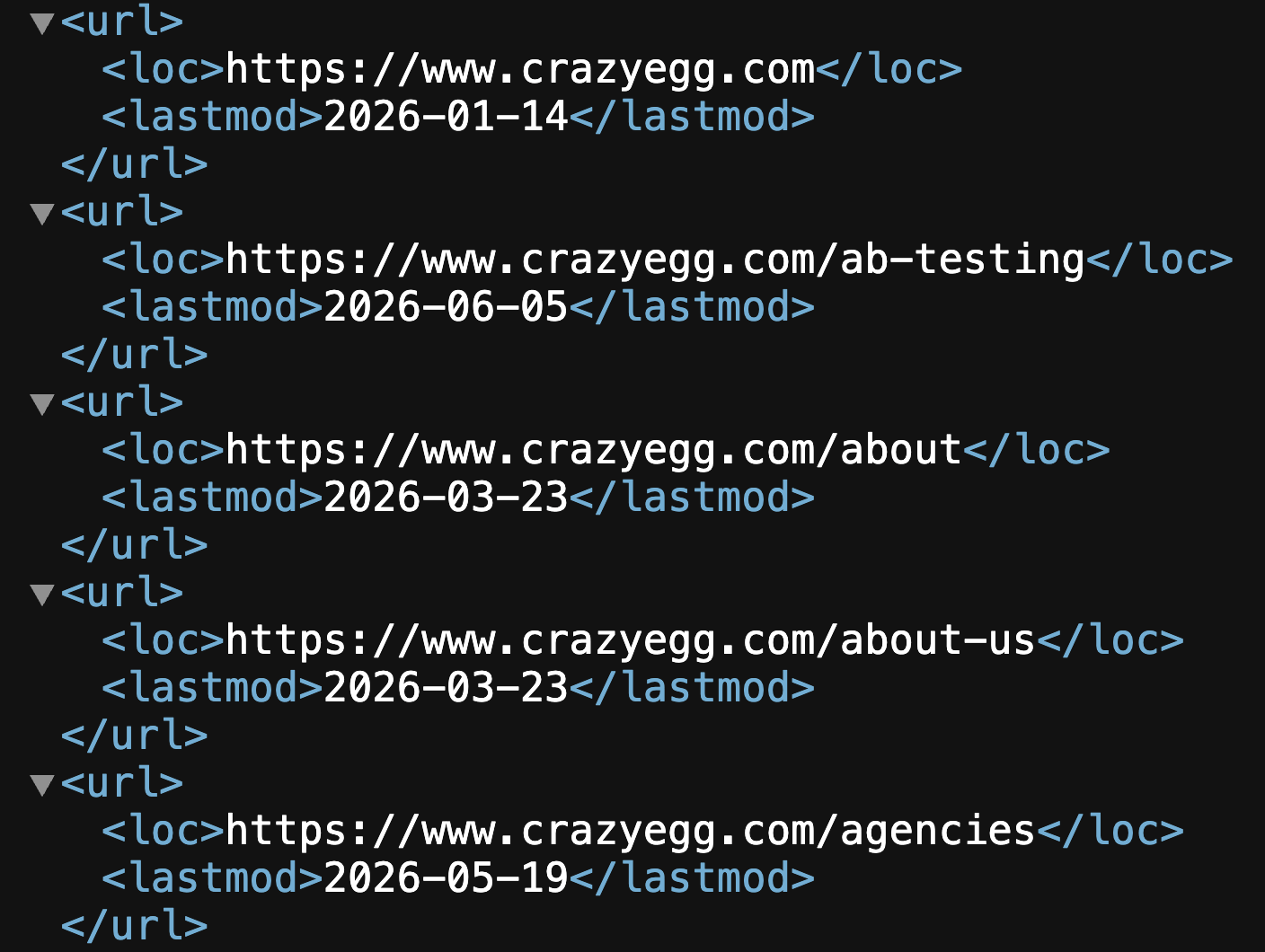
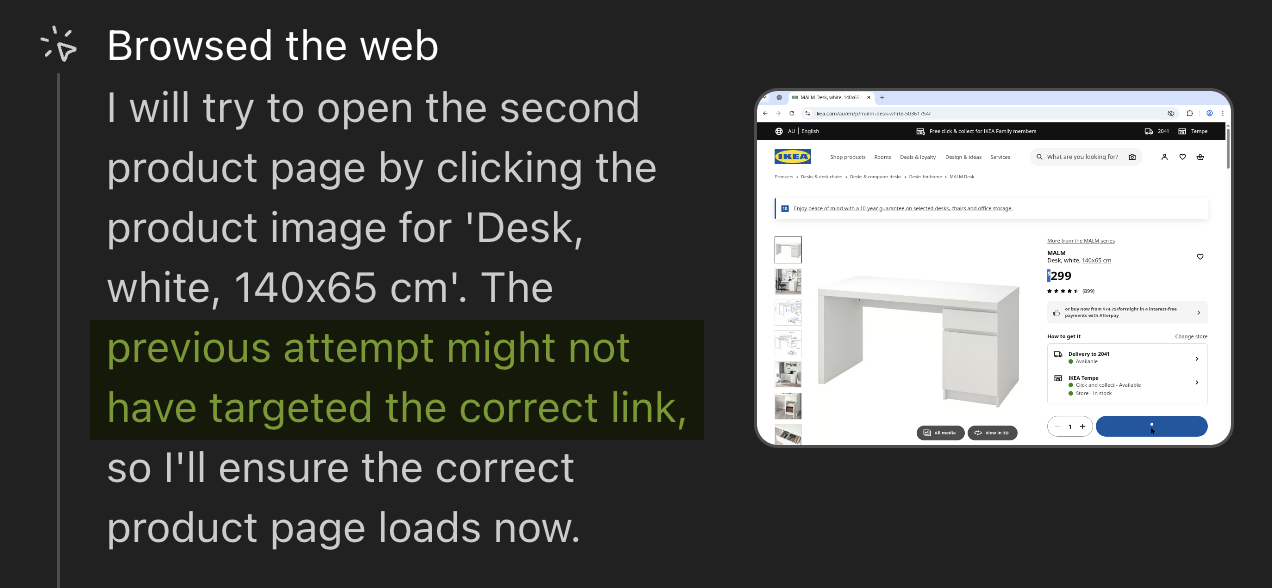
A site that cannot be mapped effectively is, to an AI, effectively a single-page landing site. Recent tests in agentic shopping show that even advanced models struggle to reach product pages on poorly structured sites, highlighting that the "technical ducks" of SEO—sitemaps and clear navigation—are now more vital than ever.
2. Access and Fetching: The Bot-Management Barrier
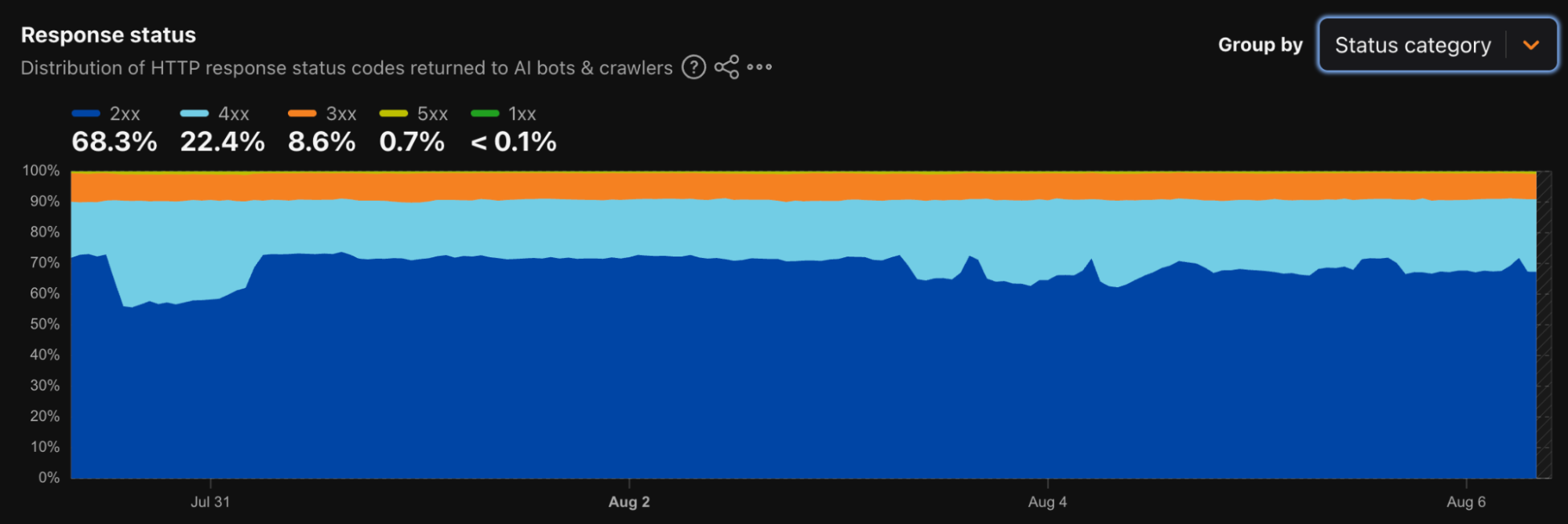
Once an agent finds a page, it must clear the gatekeeper. Cloudflare’s AI Insights report indicates that 22% of all AI crawler requests are rejected globally. Many e-commerce sites, fearing scrapers or data harvesters, deploy aggressive bot-management tools that trigger CAPTCHAs or outright block non-human user agents.
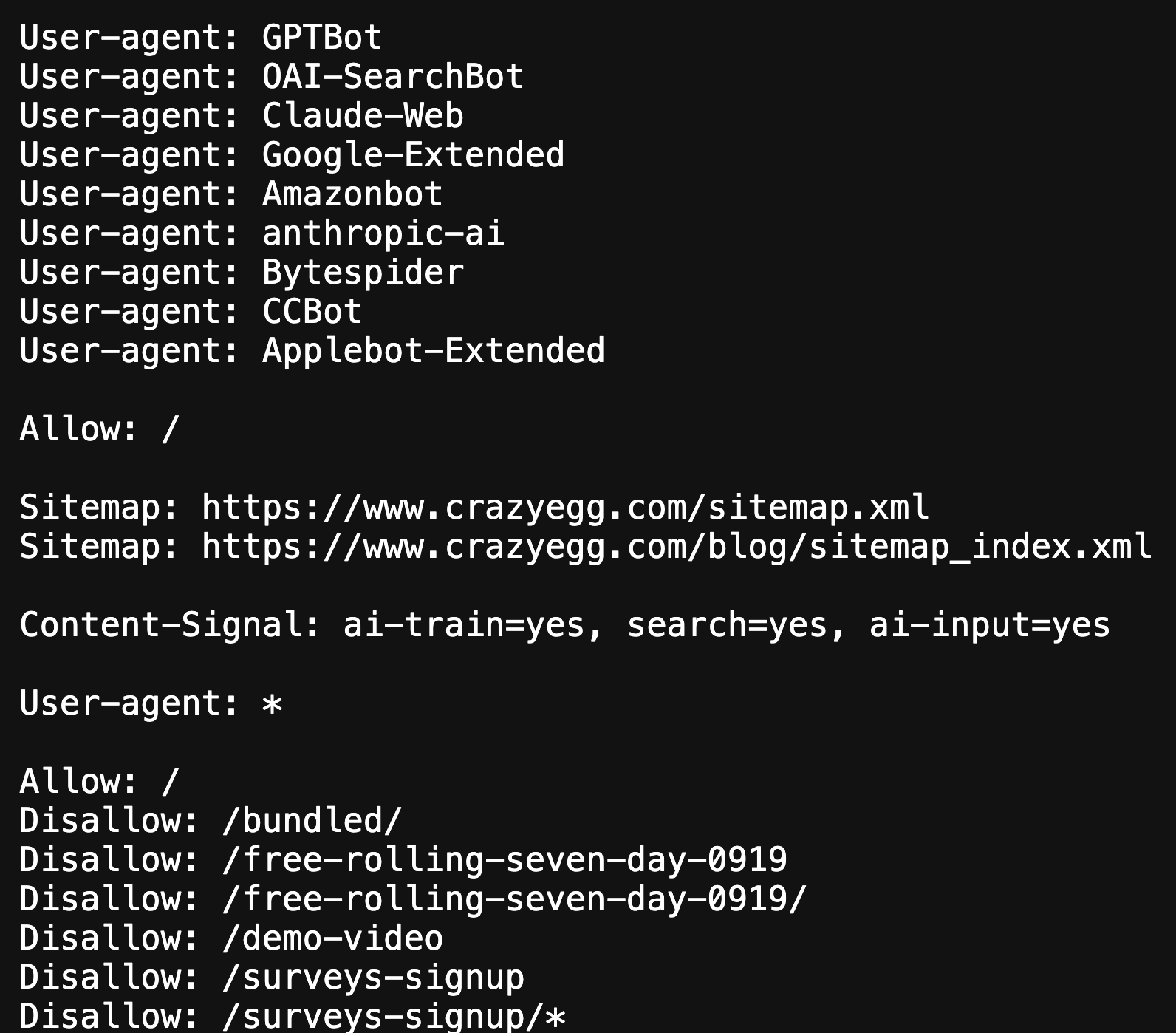
When 41% of e-commerce sites block AI readiness scanners, they aren’t just protecting their data; they are preventing legitimate agents from facilitating transactions. Furthermore, inefficient crawling, where bots waste 35% of their bandwidth on 404 error pages, creates a technical "debt" that slows down the entire ecosystem.
3. Rendering: The Great "Invisible Page" Problem
Perhaps the most shocking discovery in recent analysis is that most AI agents do not execute JavaScript. A joint study by Vercel and MERJ found zero evidence of JavaScript execution across 500 million GPTBot fetches. If your content is rendered client-side, the agent sees a blank page. While Google’s Gemini is an exception due to its deep integration with Google’s own rendering stack, other models remain blind to any content that isn’t present in the raw HTML.
4. Parsing: Extracting Meaning
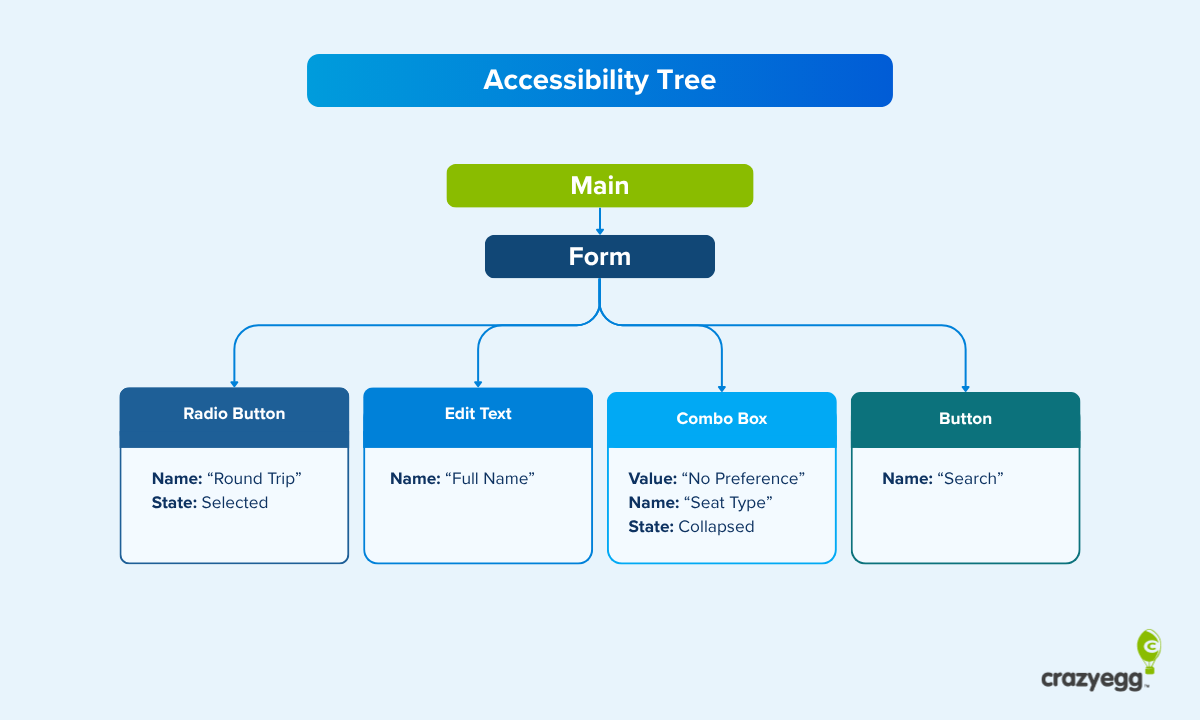
If an agent can see the page, it must then "understand" it. Agents build an "accessibility tree"—a structural map of the page—to identify buttons, forms, and headings. This is the exact same structure used by screen readers for the visually impaired. When sites use generic <div> tags instead of semantic HTML (buttons, navigation elements, article tags), the agent’s map becomes a jumbled mess, leading to unresponsive buttons and failed interactions.
5. Authentication: The Security Dilemma
What happens when an agent needs to log in? Currently, there is no standardized, secure protocol for agents to handle credentials. When users are forced to share passwords or active session tokens, the risk of identity theft skyrockets. Data from the 2026 Sophos State of Identity Security report links nearly 41% of identity-related breaches to the mismanagement of non-human credentials.
6. Content Interaction: The Transactional Close
The final hurdle is task completion. Whether it is adding an item to a cart or submitting a booking form, agents struggle with the "mouse-driven" nature of the modern web. A new wave of agentic commerce protocols is emerging to solve this, aiming to standardize how bots interact with checkout flows. Until these are widely adopted, developers must rely on providing clear, label-driven form fields that agents can predictably navigate.
Supporting Data and Evidence
The data confirms that the "AI-ready" web is currently in a state of infancy. Research from UC Berkeley and the University of Michigan (CHI 2026) demonstrated that Claude’s task success rate dropped from 78% to 42% when restricted to keyboard-only navigation—a proxy for how an agent interacts with a page’s underlying code.
Furthermore, the failure of schema markup to act as a definitive guide for agents (as proven by experiments where models accepted fake, broken schema as truth) reinforces the idea that structure matters more than metadata.
Official Responses and Industry Shifts
Major players are already reacting to these systemic failures. OpenAI has confirmed that its "Atlas" agent specifically utilizes ARIA tags to interpret page structure, moving away from relying on visual cues. Similarly, Perplexity has shifted its architecture to favor clean, tabular data structures.

On the security front, a massive push is underway for Web Bot Auth. Backed by a coalition of giants including Amazon, Akamai, and OpenAI, this technology allows agents to cryptographically prove their identity, eliminating the need for password sharing and allowing sites to distinguish between a malicious bot and a helpful assistant.
The Implications: Why You Should Care
The shift toward an "Agent-First" web has profound implications for businesses:
- The Accessibility Intersection: Improving your site for AI agents is functionally identical to improving it for users with disabilities. By using semantic HTML and accessible navigation, you are simultaneously increasing your SEO ranking, improving human accessibility, and enabling AI commerce.
- The Competitive Advantage: As AI agents become the primary way people "search" the internet, a site that is invisible or unresponsive to these agents will simply cease to exist in the new digital funnel.
- Security Risks: Ignoring the need for standard authentication (like OAuth discovery) forces users to take unsafe risks with their login credentials. Businesses that fail to provide secure "agent-handoffs" will eventually be viewed as unreliable or archaic.
Conclusion: Preparing for the Future
The path forward is not to build a separate "bot-only" version of your website, but to return to the fundamentals of clean, semantic, and server-side rendered code.
By prioritizing server-side rendering, adopting emerging authentication protocols like Web Bot Auth, and ensuring your site’s hierarchy is readable through semantic HTML, you are doing more than just accommodating a surge in traffic. You are future-proofing your business against the next decade of internet evolution. The era of the agentic web is here; the question is no longer whether your site will be visited by an AI, but whether it will be able to complete the task once it arrives.
