
The Agency Intelligence Revolution: Scaling Delivery Without Sacrificing Margins
In the modern marketing landscape, the promise of Artificial Intelligence is intoxicating: infinite scale, instantaneous content, and hyper-personalized engagement. Yet, for many agencies, the reality has been far less polished. The unchecked adoption of AI tools has frequently led to "tool sprawl"—a chaotic ecosystem of disconnected platforms, bloated operational costs, and, most alarmingly, a dilution of brand integrity.
For a marketing agency, the true win is not found in automating for the sake of automation. It is found in building a curated, "margin-friendly" stack that accelerates delivery while protecting the quality of work shipped to clients. To succeed in this new era, agencies must move beyond the hype and adopt a framework that balances the raw power of machine learning with the strategic oversight of human expertise.
The State of Agency Operations: Main Facts
The primary challenge facing agencies today is a fundamental shift in the economics of creative production. AI has effectively commoditized output; the barrier to entry for generating a blog post, an ad creative, or a social media caption has dropped to near zero.
However, the barrier to effective delivery remains high. Agencies are now tasked with managing a complex web of generative tools while maintaining strict adherence to client brand guidelines. According to industry analysis, the most successful agencies are those that anchor their operations on a "reliable core"—a primary platform like Campaign Monitor—and utilize specialized AI tools as satellite extensions. By centralizing communication and data, these agencies ensure that the efficiency gained by AI is not lost in the friction of manual cross-platform management.
The Evolution of the Stack: A Chronological Perspective
The trajectory of agency tooling has evolved rapidly over the last thirty-six months.
- The Pre-AI Era: Agencies relied on manual workflows, rigid CMS platforms, and heavy human-capital investments. Quality was high, but scalability was limited by the billable hour.
- The "Gold Rush" Phase (2023–2024): Agencies experimented with everything. "Tool sprawl" became the defining characteristic of the year as teams signed up for every LLM, image generator, and auto-scheduler that promised a shortcut.
- The Consolidation Phase (2025–Present): We are now in a period of maturation. Agencies are shedding redundant subscriptions and focusing on integrated stacks. The focus has shifted from "How many tools can we use?" to "How can we orchestrate these tools to produce predictable revenue?"
Supporting Data: The Cost of Complexity
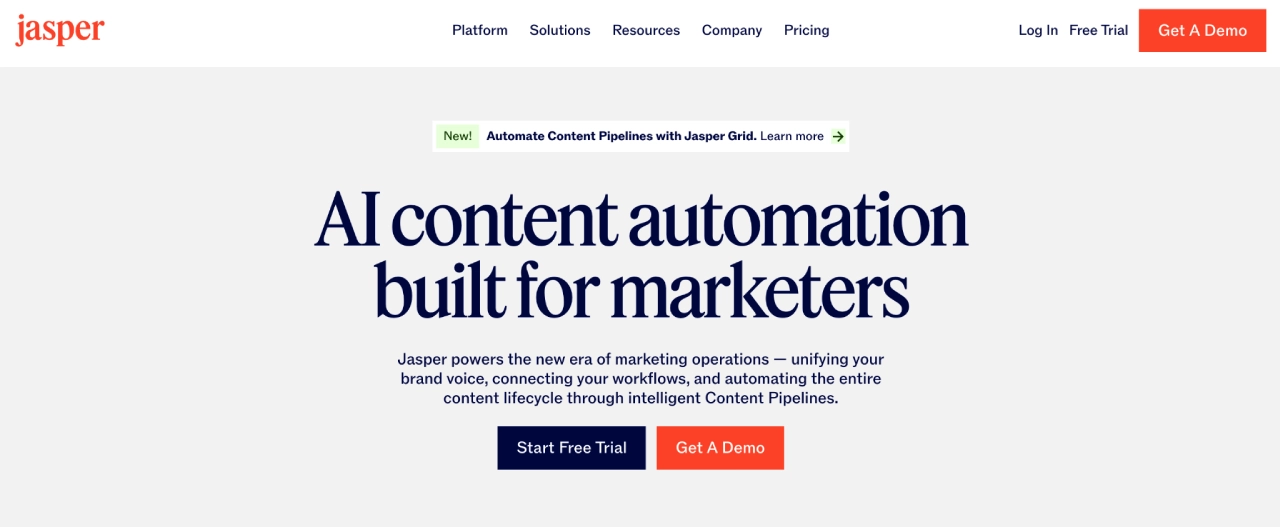
The Total Cost of Ownership (TCO) for an agency’s tech stack is often underestimated. While individual subscriptions like Jasper or Midjourney may seem modest at $59 or $60 per month, the "hidden" costs—training, integration maintenance, data security audits, and the inevitable "context switching" tax—can erode profit margins significantly.
A balanced stack, as outlined in the following analysis, prioritizes tools that offer high integration capabilities. For example, using Campaign Monitor as a hub allows an agency to pipe in data from CRM tools like HubSpot and ad-management platforms like Madgicx, ensuring that the email communication—the final step in the conversion funnel—is informed by the totality of the customer journey.
Top-Tier AI Tools for Modern Agencies
1. The Communications Foundation: Campaign Monitor
Campaign Monitor remains a cornerstone for agencies because it solves the "last mile" problem. While other tools generate ideas, Campaign Monitor executes them. With features like prebuilt journeys, dynamic content, and advanced segmentation, it allows agencies to maintain a high-touch, personalized feel across thousands of client recipients without manual intervention.
2. Content Creation and Ops: Jasper and Copy.ai
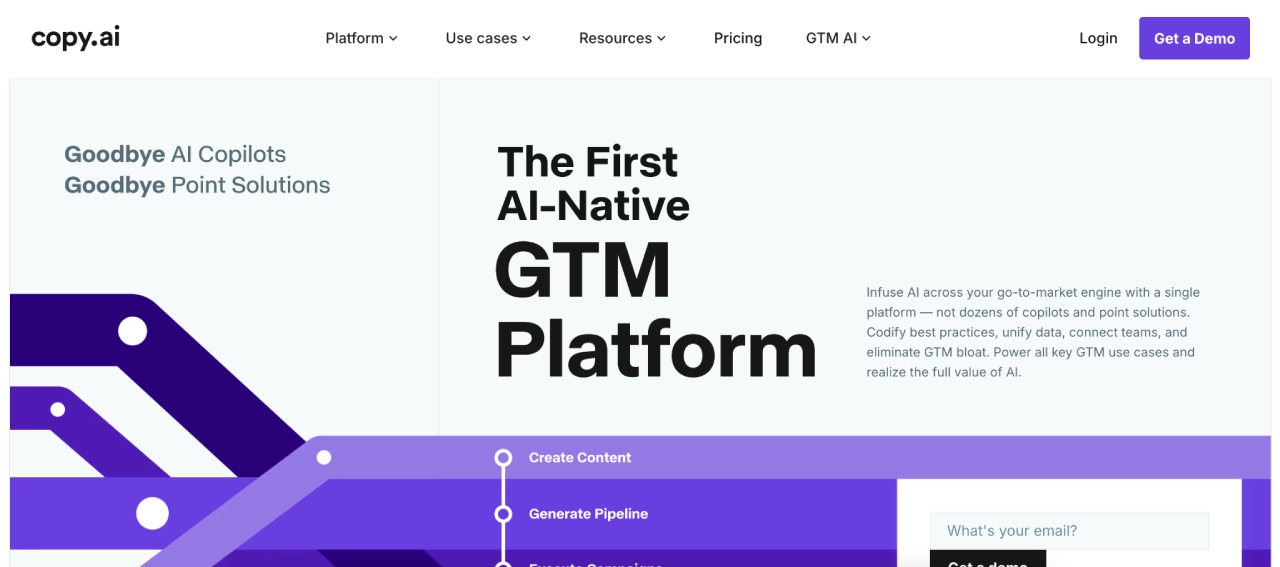
Jasper’s "Brand Voice" capabilities are critical for agencies managing multiple distinct clients. Similarly, Copy.ai’s ability to create custom workflows—codifying a specific client’s GTM playbook—transforms AI from a simple writing assistant into a functional, repeatable engine.
3. Visuals and Ad Performance: Madgicx, AdCreative.ai, and Midjourney
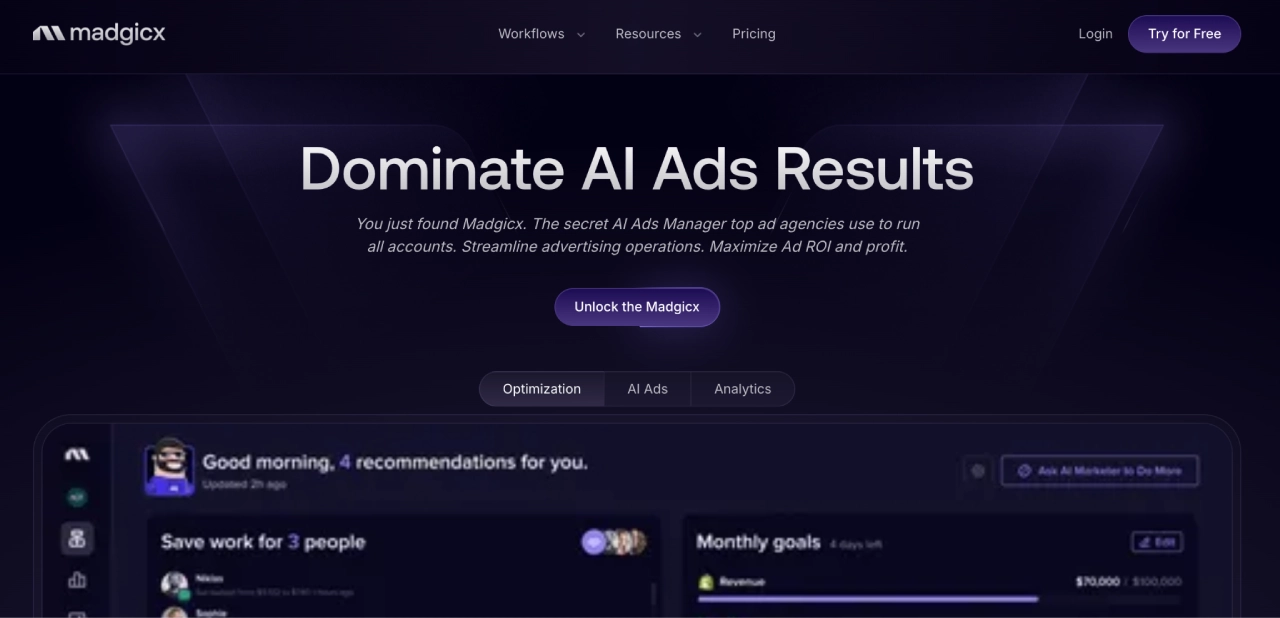
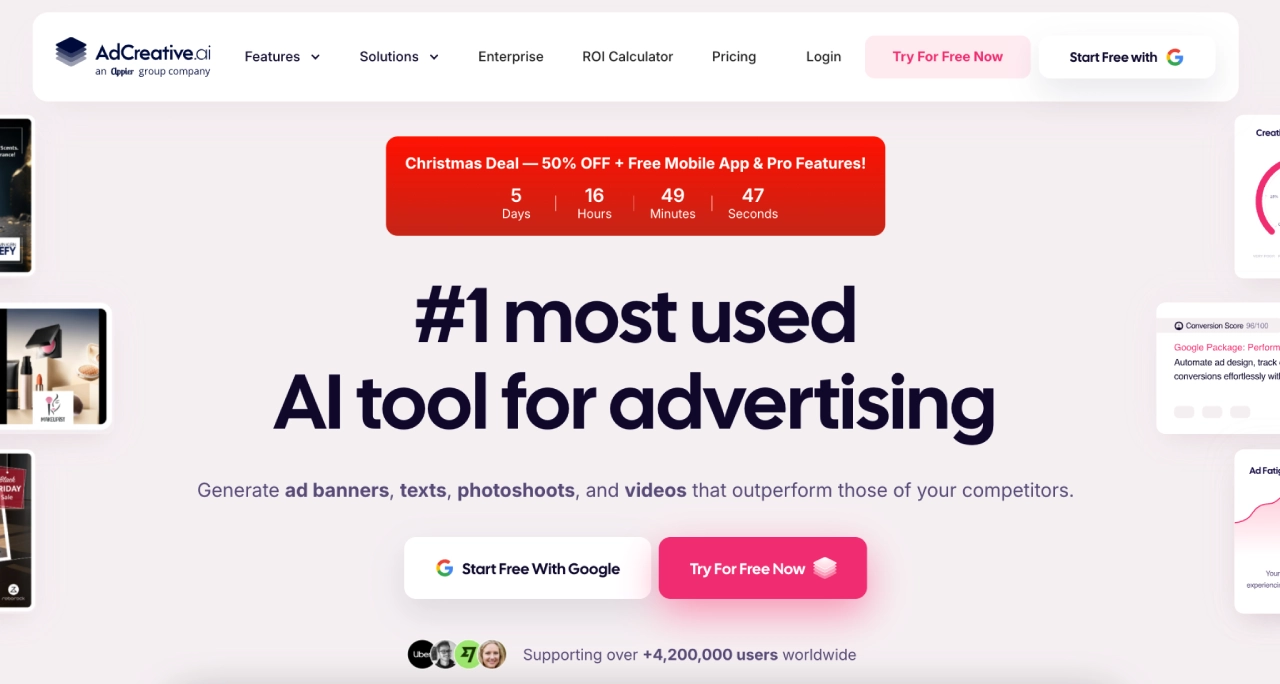
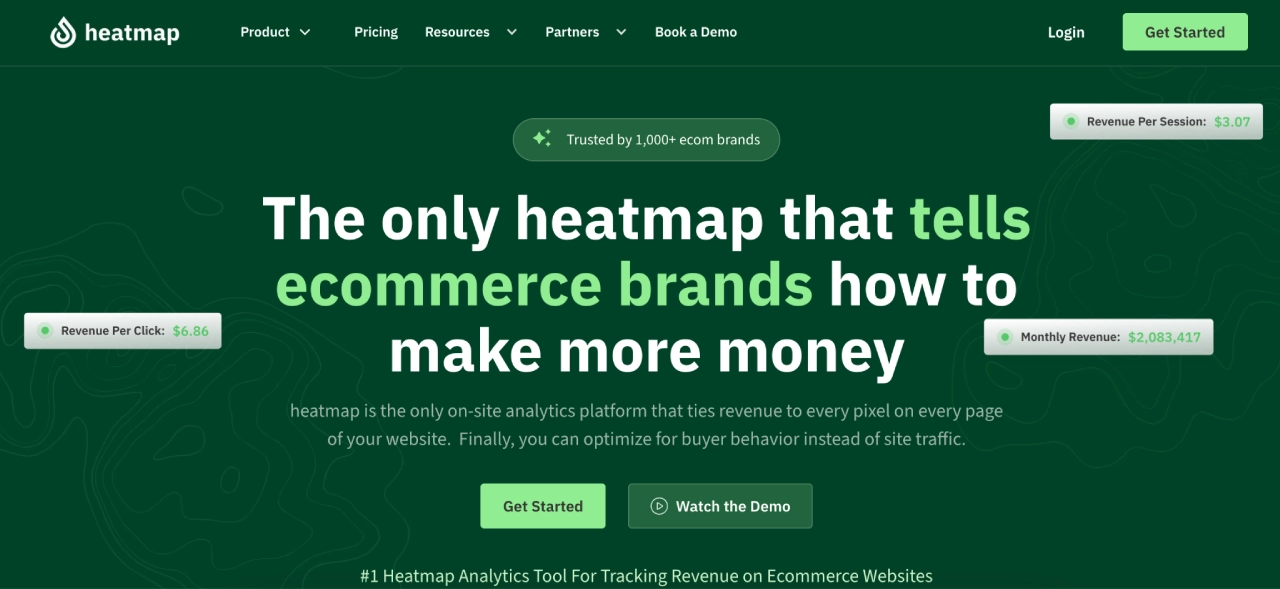
For performance agencies, the goal is to fight creative fatigue. Madgicx uses AI to detect when ad performance is dipping, while AdCreative.ai generates high-conversion static and video assets. For more conceptual or artistic needs, Midjourney provides the polish that differentiates a high-end agency from a generic content mill.
4. Analytics and Attribution: Supermetrics and WhatConverts
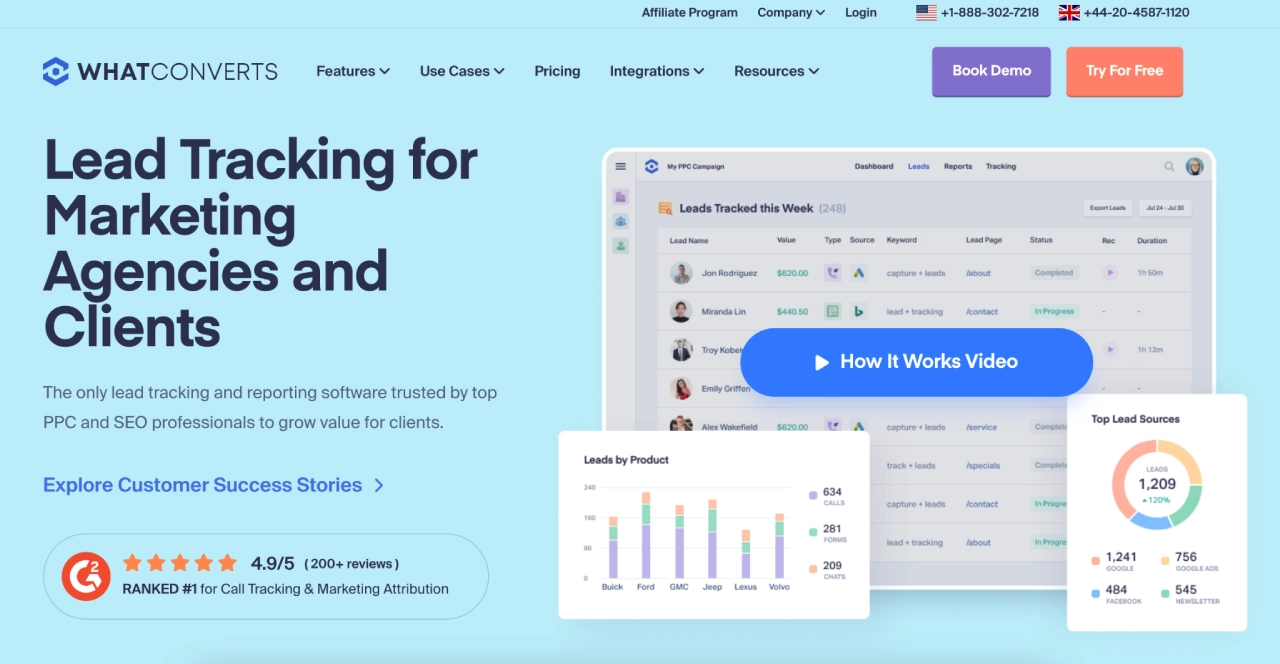
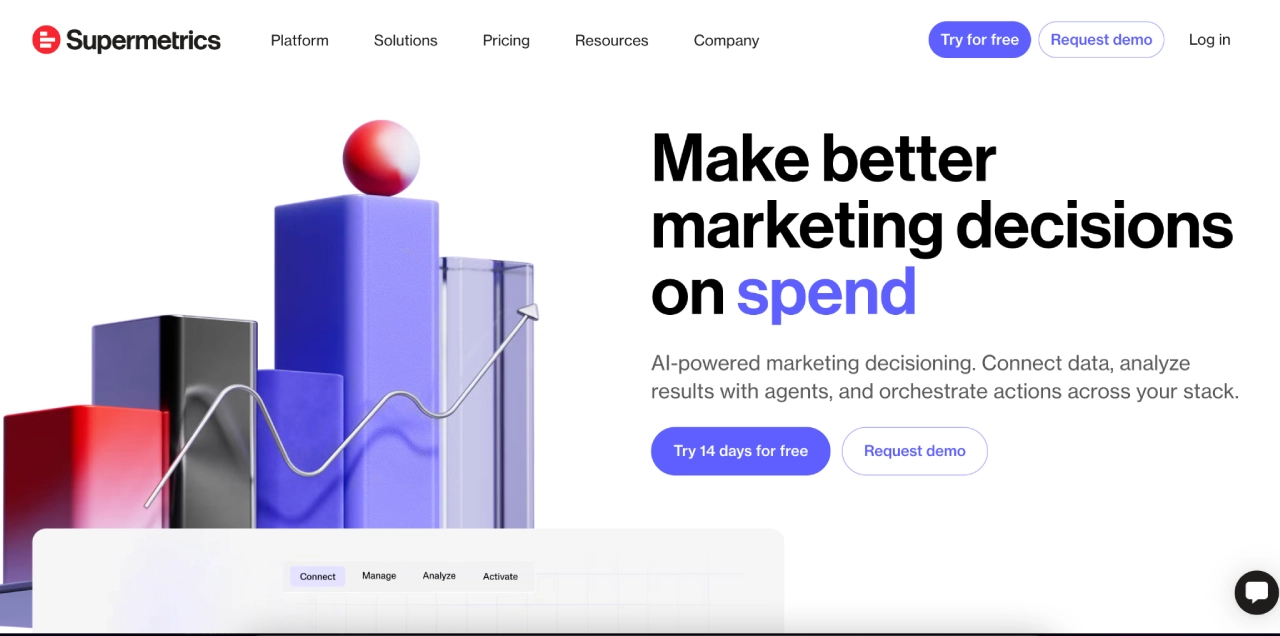
AI is only as good as the data feeding it. Supermetrics acts as the connective tissue, piping cross-channel data into centralized warehouses. WhatConverts closes the loop, attributing leads back to the original source, which is the only way to prove value to skeptical clients.
Implications for Agency Strategy
The strategic shift required for agencies is the adoption of the "3C Model": Context, Content, and Control.
- Context: Agencies must centralize their client data. Without a single source of truth, AI agents will hallucinate or offer irrelevant suggestions.
- Content: This is where the AI works its magic. Use it to generate, iterate, and draft, but never to finalize.
- Control: This is the human differentiator. Agencies must maintain strict oversight of AI outputs to ensure compliance, brand safety, and factual accuracy.
Managing Risks and Safety
The risks of an AI-driven agency are well-documented: hallucinations, copyright infringement, and data leakage. To mitigate these, agencies should adopt a strict "Human-in-the-Loop" (HITL) protocol. Every piece of AI-generated content—especially that which touches client data or carries a brand’s reputation—must pass through a multi-stage review. Furthermore, agencies should prioritize enterprise-grade plans for AI tools, as these often include better protections for data privacy and intellectual property.
How to Choose Your Stack
Not every agency requires the same arsenal. A "lean" agency should focus on multi-functional tools. For instance, if you are a small agency, a subscription to a CRM like HubSpot, combined with a powerful email engine like Campaign Monitor, might cover 80% of your needs.
Conversely, a large performance agency should lean into specialized tools like AgencyAnalytics for reporting and Supermetrics for data integration. The goal is to build a stack that grows with the agency, not one that adds overhead before you have the revenue to support it.
The Future of Agency Profitability
The "all-in-one" platform myth is perhaps the most dangerous trap for agencies. While these platforms promise simplicity, they often lock agencies into rigid, sub-optimal features. A best-of-breed approach, anchored by robust, flexible tools like Campaign Monitor, allows agencies to swap out individual components as the market changes without rebuilding their entire operation.
Ultimately, the goal of an AI-powered agency is to spend less time "doing" the work and more time "directing" it. By automating the mundane, agencies can focus on what clients actually pay for: high-level strategy, creative direction, and the delivery of measurable, profitable results.
Conclusion: Turning Activity into Revenue
The transition to an AI-augmented agency is not a one-time project; it is an iterative process. By selecting tools that prioritize reliability and integration, and by maintaining human control over the final output, agencies can ensure that their AI investment pays off in both margin and quality.
If you are ready to stop chasing every shiny new tool and start building a foundation that scales, look to your email and automation engine as your headquarters. Once you have that locked down, the rest of your AI stack can be built around it to create a seamless, high-performance workflow.
For further insights on building high-converting email workflows, visit Campaign Monitor to explore how their tools can integrate with your existing AI stack.
Disclaimer: This article provides general information regarding agency AI adoption and should not be construed as professional legal, financial, or tax advice. Agencies are encouraged to consult with professionals before implementing new software or changing operational processes.
