

The Agency Architecture: How to Build a Tech Stack That Scales Without Burning Out
Marketing agencies rarely collapse due to a lack of talent or a shortage of clients. More often, they implode under the weight of their own "tool sprawl." As an agency scales, the initial excitement of adding a new, specialized software solution quickly gives way to a chaotic ecosystem of disconnected dashboards, overlapping subscriptions, and fragmented data. When your team spends more time toggling between tabs than they do executing strategy, your profit margins suffer, and your service consistency evaporates.
This guide explores the anatomy of an "agency-ready" tech stack—a lean, interoperable, and scalable framework designed to prioritize speed, clarity, and, most importantly, bottom-line profitability.
The Core Philosophy: Why "Agency-Ready" Matters
For a boutique firm or a mid-sized agency, a tool is only as good as its ability to be managed at scale. As client volume increases, the primary operational risk shifts from "Can we deliver this?" to "Can we deliver this consistently, profitably, and without human error?"
An agency-ready tool is distinguished by four non-negotiable traits:
- Multi-Tenant Architecture: The ability to manage multiple client workspaces from a single login.
- Granular Governance: Permission controls that allow staff access while protecting sensitive client data.
- Repeatable Workflows: Features that allow for templates, automation, and standardized reporting.
- Operational Transparency: Reporting that requires zero manual data manipulation at the end of the month.
Chronology of an Agency Stack: From Startup to Scale
The lifecycle of an agency stack typically follows a three-stage evolution. Recognizing which stage your agency is in is the first step toward avoiding over-investment.
Stage 1: The "Lean" Foundation (0–10 Clients)
At this stage, speed is the only currency that matters. You need an "all-in-one" approach to keep overhead low.
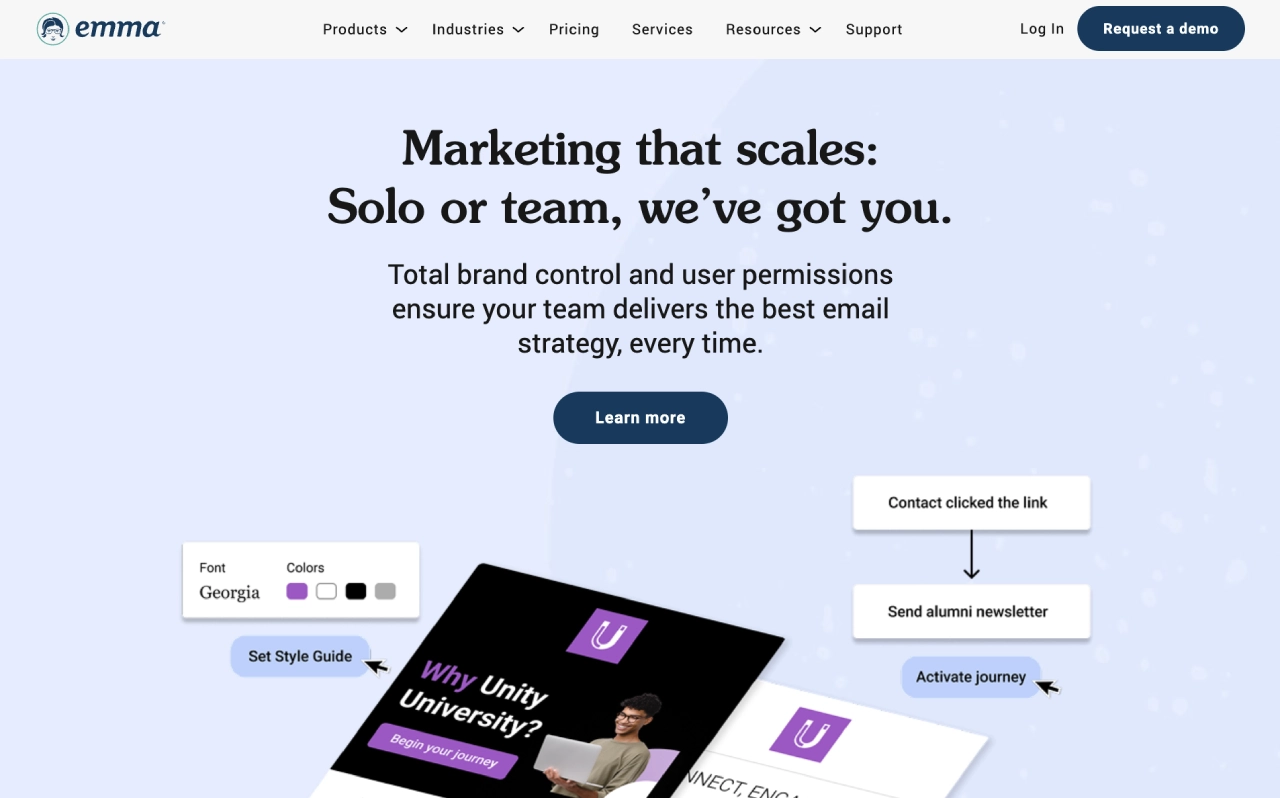
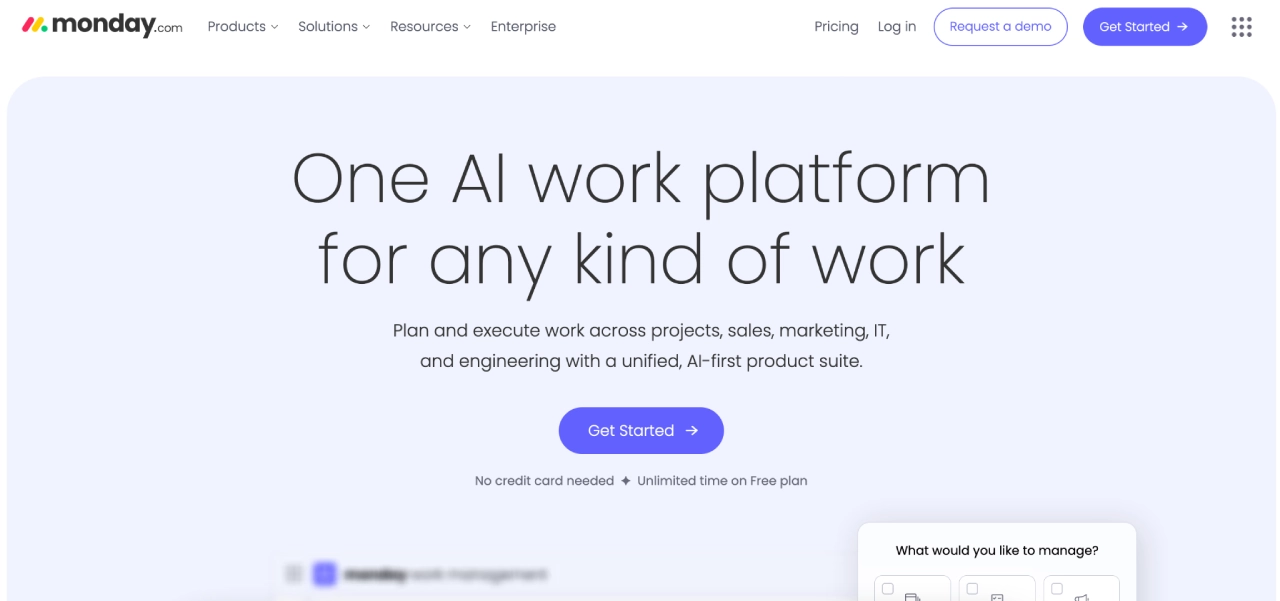
- Focus: Communication (Slack) and basic project management (Asana or monday.com).
- The Trap: Avoid early adoption of enterprise-tier CRMs or complex reporting suites. Focus on getting the work done.
Stage 2: The "Operational" Pivot (10–30 Clients)
As your team grows, individual accountability becomes difficult to track.
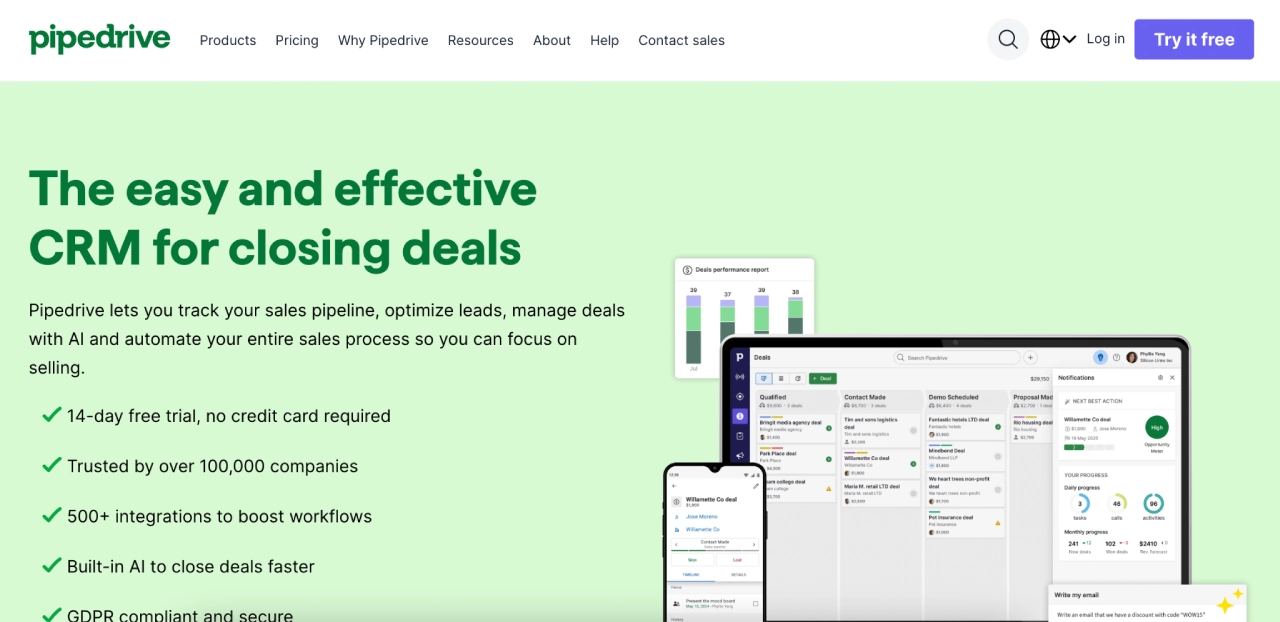
- Focus: Introducing specialized tools for sales (Pipedrive) and standardized email delivery (Campaign Monitor).
- The Transition: Begin moving toward white-label solutions that allow you to present a cohesive brand to your clients.
Stage 3: The "Governance" Phase (30+ Clients)
Complexity is your enemy. You now require strict brand controls, automated reporting, and sophisticated automation logic.
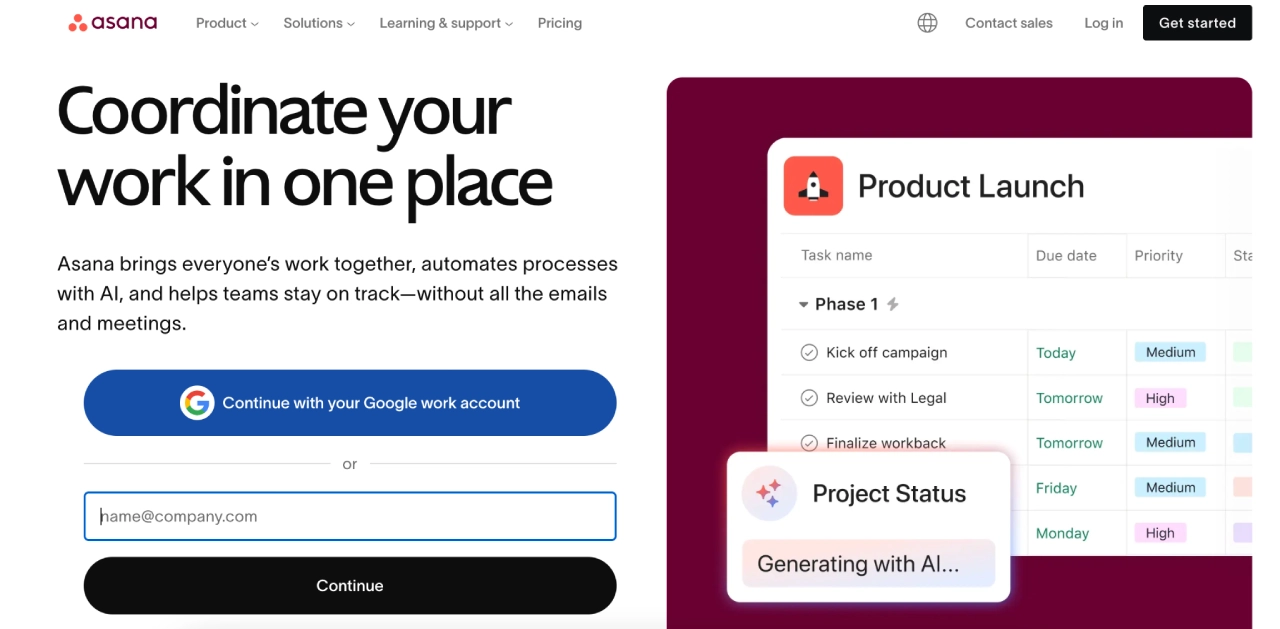
- Focus: Enterprise-grade email management (Emma), advanced automation (Make), and consolidated client portals (AgencyHandy).
Supporting Data: The Cost of Tool Sprawl
While software is an investment, it is also a silent profit-killer. Agency software costs scale in three ways: by seat, by number of clients, or by usage volume. A tool that costs $50/month for one client may become a $2,000/month liability at scale.
| Category | Tool | Agency Advantage | Typical Pricing Model |
|---|---|---|---|
| Campaign Monitor | Multi-client, white-label, billing | $12–$159/mo | |
| Project Mgmt | Asana | Dependencies & structured delivery | $10.99+/user/mo |
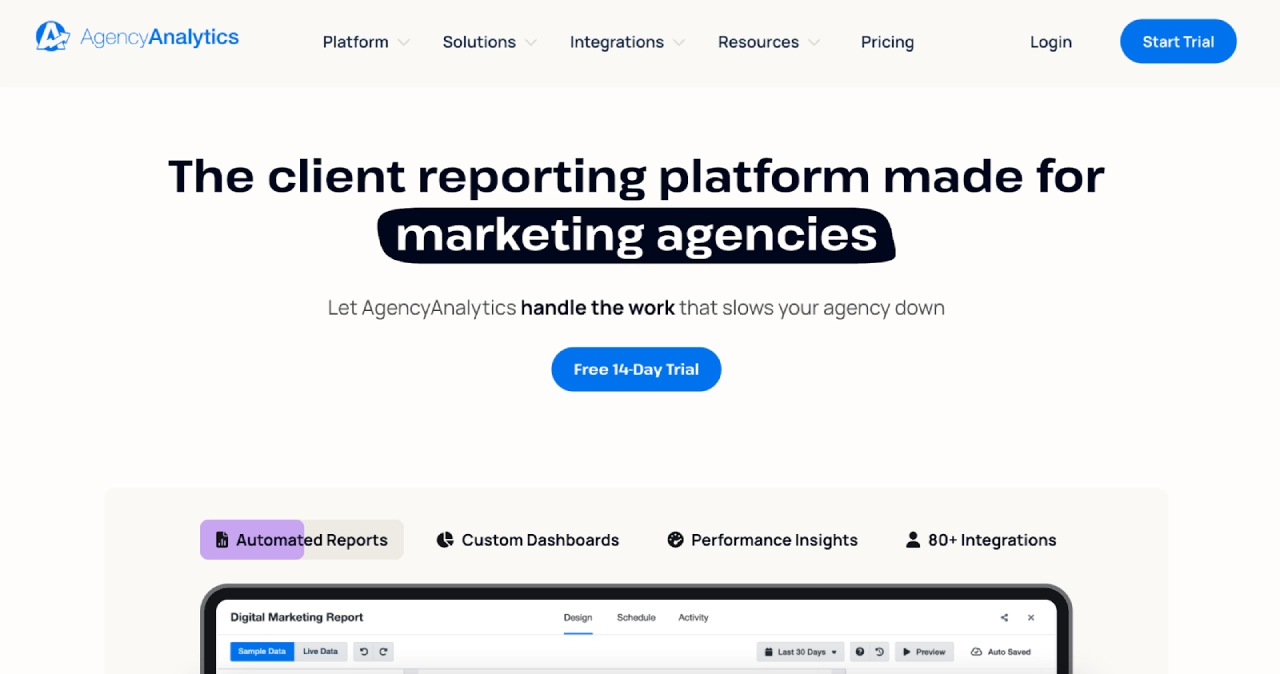
| Reporting | AgencyAnalytics | Automated white-label reports | $79–$479/mo |
| Automation | Make | Logic-heavy, multi-step workflows | $34+/mo |
Note: Pricing data reflects market averages as of late 2025.
In-Depth Analysis: The Pillars of Your Stack
1. Email Marketing: The Case for Multi-Client Control
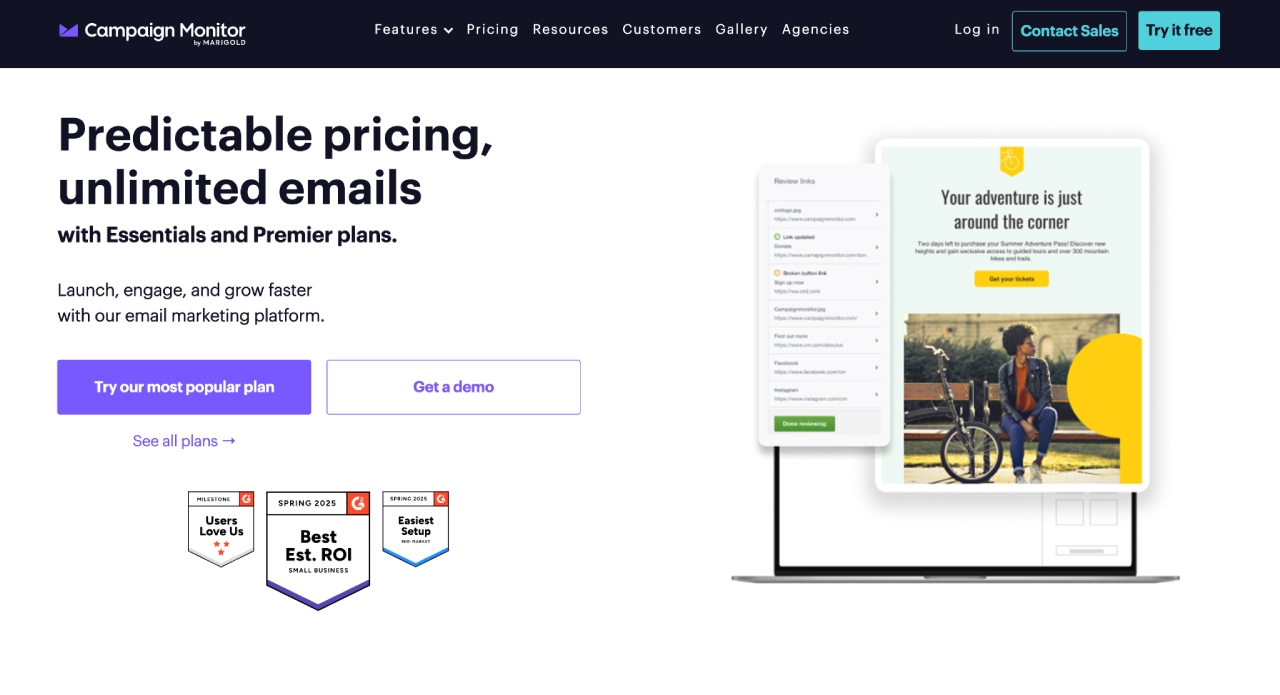
Email remains the most reliable channel for consistent agency revenue. Platforms like Campaign Monitor are specifically engineered for this. Unlike standard ESPs, they allow agencies to act as a "hub," managing 40+ client accounts from a single dashboard. This eliminates the need for team members to constantly log in and out, reducing the risk of security breaches and ensuring that templates can be pushed across the entire client roster in minutes.
2. Project Management: Disciplined Delivery
The difference between a profitable project and a money-loser is scope creep. Platforms like Asana and monday.com provide the structure necessary to enforce boundaries. By using templates, agencies can ensure that every campaign launch follows a standardized checklist, effectively eliminating the "forgotten step" that leads to client dissatisfaction.

3. Reporting: The End of "Busywork"
If your team is spending the first three days of every month manually exporting data from Facebook or Google Ads into Excel, you are losing thousands of dollars in billable hours. AgencyAnalytics and Looker Studio turn this burden into an automated utility. By providing clients with a live dashboard, you transition from "reporting service" to "strategic partner."
Official Industry Perspectives: The "Contrarian" View
Industry experts often argue that agencies fail because they prioritize tools before processes. "A tool will not fix a broken process," says one veteran agency consultant. "If you don’t have a standardized SOP for how a campaign is launched, adding a sophisticated project management tool will only make your chaos more expensive."
The consensus is clear: Define your delivery model first. Choose tools that reinforce your existing workflow rather than forcing your team to adapt to a tool’s limitations.
Strategic Implications: Building for Profitability
The primary implication of a well-designed stack is the restoration of your agency’s margins. When you minimize the time spent on "operational friction," you maximize the time spent on "value-add" services.
The "Quick-Fit" Selection Guide
- If you are Reporting-Heavy (SEO/PPC): Focus your budget on AgencyAnalytics and Semrush. Your value is in the data.
- If you are Service-Heavy (Content/Email): Focus on Campaign Monitor and Canva. Your value is in the execution speed and brand consistency.
- If you are Scale-Heavy (High Client Count): Focus on AgencyHandy and Make. Your value is in client experience and operational efficiency.
Conclusion: Orchestrating Your Tech Ecosystem
The goal of your agency’s tech stack is not to impress prospects with a list of subscriptions; it is to create an invisible, high-performance infrastructure that allows your team to focus on creative strategy and client relationships.
Start by auditing your current tools. Ask yourself: Does this tool solve a specific operational problem, or is it just an expensive feature we rarely use? If it’s the latter, cut it. Your profitability is hiding in that excess.

For agencies looking to standardize their email delivery, the answer isn’t a massive, complex enterprise suite, but a streamlined system that offers control without the bloat. Campaign Monitor stands out as an example of this design philosophy—providing the multi-client access and granular permissions that growing agencies need to keep their email marketing profitable, scalable, and, most importantly, consistent.
Ready to streamline your agency’s email operations? Explore Campaign Monitor’s agency-focused features here.
Disclaimer: This article provides general information regarding agency operations and is not intended to constitute financial, legal, or tax advice. Always consult with professional advisors before making significant structural changes to your business operations.
