
The 2026 State of Email Marketing: Choosing the Right Newsletter Platform for Your Growth
In the digital landscape of 2026, the email newsletter has transcended its origins as a simple broadcast medium to become the backbone of modern content-to-revenue strategies. While countless "best of" lists saturate the web with generic feature dumps, most fail to address the critical variables that dictate success: deliverability, human-centric support, and the speed at which a creator or business can convert an idea into a tangible financial result.
Whether you are an agency managing a dozen diverse client portfolios, a nonprofit aiming to maximize donor retention, or a solopreneur building a media empire, your choice of email software is a foundational strategic decision. This analysis cuts through the marketing noise to evaluate the top-tier platforms defining the market today.
The 4P Fit Framework: A New Way to Evaluate Tools
Most software comparisons stop at pricing and feature counts—a methodology that ignores the reality of business operations. To make a decision that won’t require a migration in six months, we recommend applying the 4P Fit Framework:
- Personalization: Does the platform offer dynamic content blocks and granular behavioral tagging, or are you limited to "First Name" placeholders?
- Performance: Can you access real-time analytics that filter out bot activity and provide clear revenue attribution?
- Platform: How well does the tool integrate with your existing tech stack (Shopify, Salesforce, etc.)?
- Partnership: When an IP address is blacklisted or a critical campaign fails, do you have access to human expertise, or are you relegated to a public forum?
Market Leaders: A Comparative Overview
The following table summarizes the competitive landscape for 2026, highlighting the best use cases for the industry’s most prominent players.
| Tool | Best For | Key Advantage | Starting Price |
|---|---|---|---|
| Campaign Monitor | Agencies & Design-Led Teams | Pixel-precise control & brand consistency | $12/mo |
| Mailchimp | Small Biz & eCommerce | All-in-one CRM integration | $13/mo |
| Brevo | Multichannel/Transactional | Unlimited contacts on free plan | $9/mo |
| ActiveCampaign | Advanced Automation | AI-driven customer journeys | $15/mo |
| Beehiiv | Content Creators | Built-in monetization/referrals | Free (tiers apply) |
| MailerLite | Budget-focused Beginners | Simple, intuitive interface | $10/mo |
| Constant Contact | Nonprofits & Local Biz | Event management tools | $12/mo |
| GetResponse | Lead Gen/Webinar Hosts | Built-in funnel builder | $15/mo |
| AWeber | Solopreneurs | Dependable support & ease of use | $15/mo |
Deep Dive: Top-Tier Platforms
1. Campaign Monitor: The Gold Standard for Professionalism
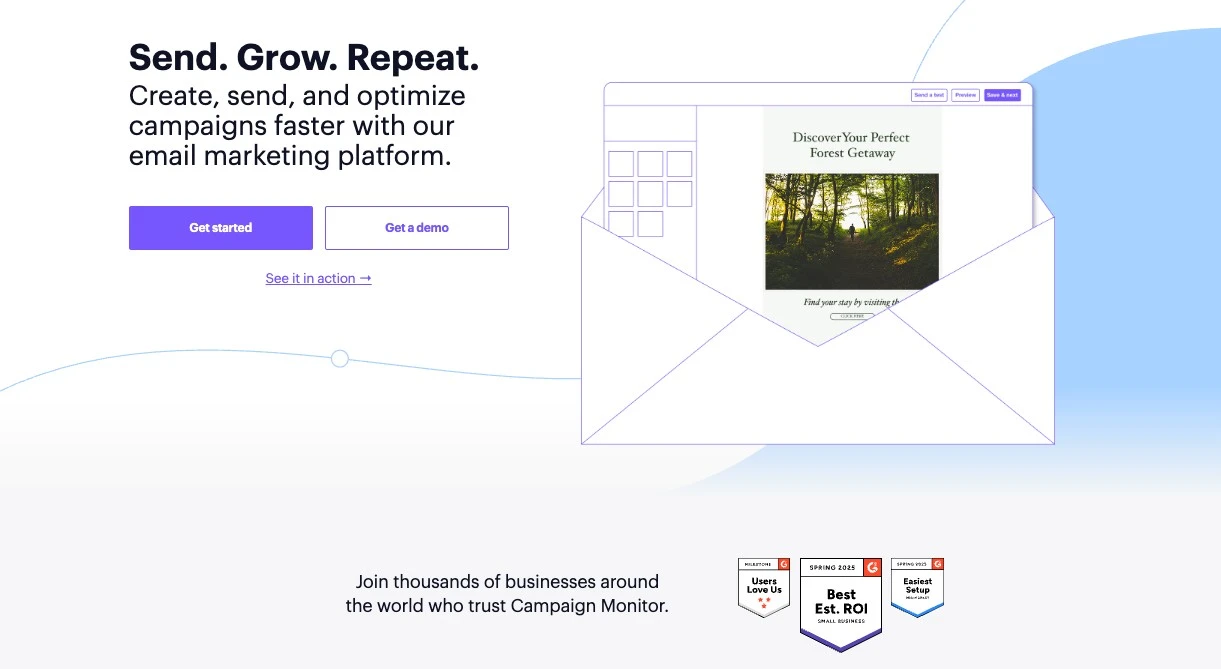
Campaign Monitor stands out for its uncompromising focus on design and deliverability. It is built specifically for teams that view their email as a brand extension rather than a utility. With a drag-and-drop editor that prevents "design drift" and robust, bot-filtered analytics, it remains the preferred choice for agencies that must ensure client success across hundreds of campaigns.
2. Mailchimp: The "All-in-One" Workhorse
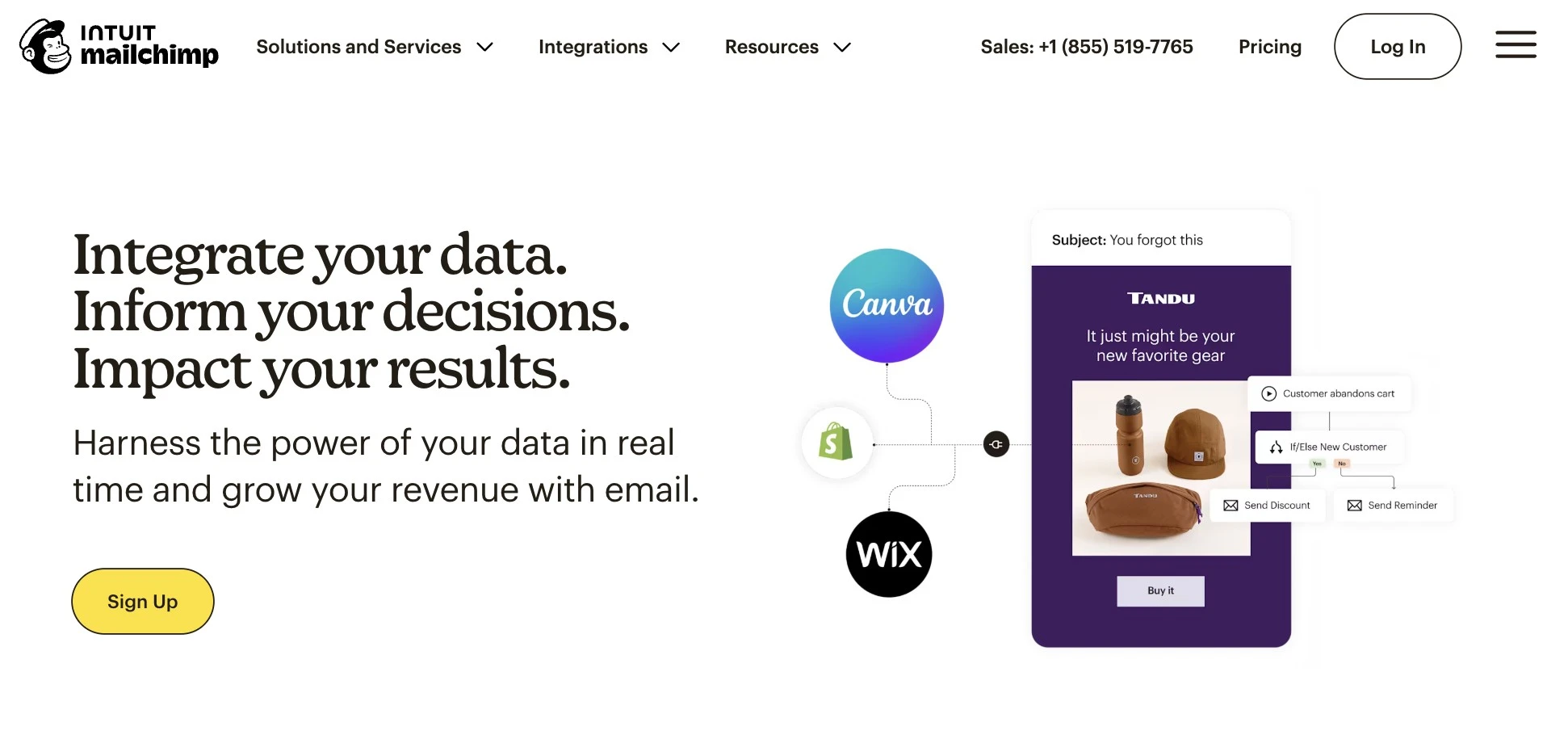
Mailchimp has evolved from a simple email tool into a comprehensive marketing platform. Its strength lies in its ecosystem; if you run an eCommerce store and want your email marketing, CRM, and basic social ads in one login, Mailchimp offers unmatched convenience. However, as your complexity increases, some users find the platform’s pricing and rigid templates can become a barrier.
3. Beehiiv: The Creator’s Engine
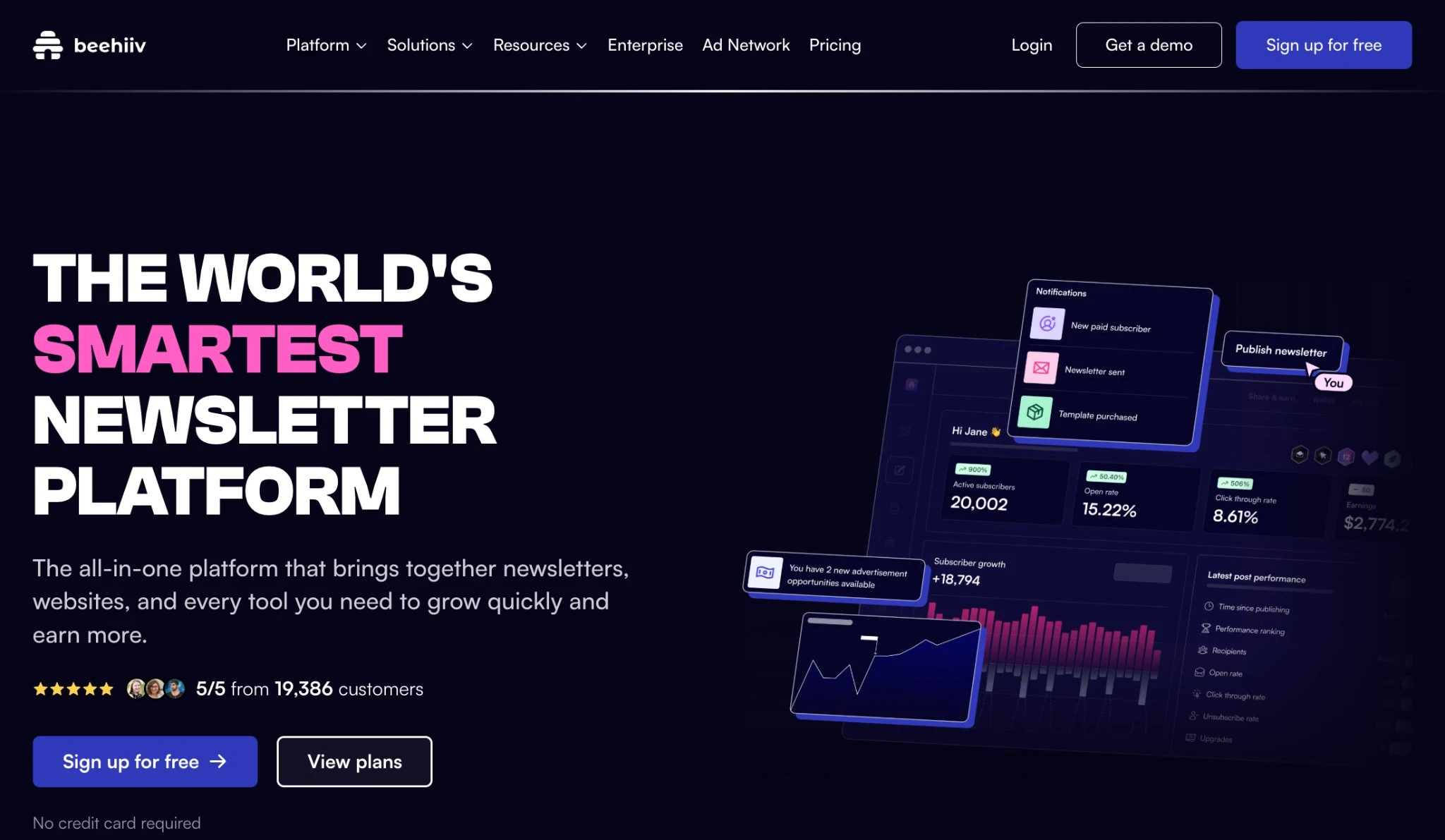
For those building media-first businesses, Beehiiv is the clear front-runner. It treats the newsletter as the product, integrating features like referral programs, paid subscription gates, and dynamic ad insertion natively. It is specifically designed for writers and media brands that need to grow an audience while maintaining a high-performance content engine.
Implications of Current Technical Trends
The Death of "Vanity" Metrics
In 2026, privacy-focused updates from major mailbox providers have made "open rates" increasingly unreliable. The industry has shifted toward Conversion and Click-Through Attribution. When choosing a platform, ensure the tool provides deep integration with your CRM or eCommerce backend. If you cannot see how a specific newsletter led to a dollar-value sale, you are flying blind.
The Rise of Behavioral Automation
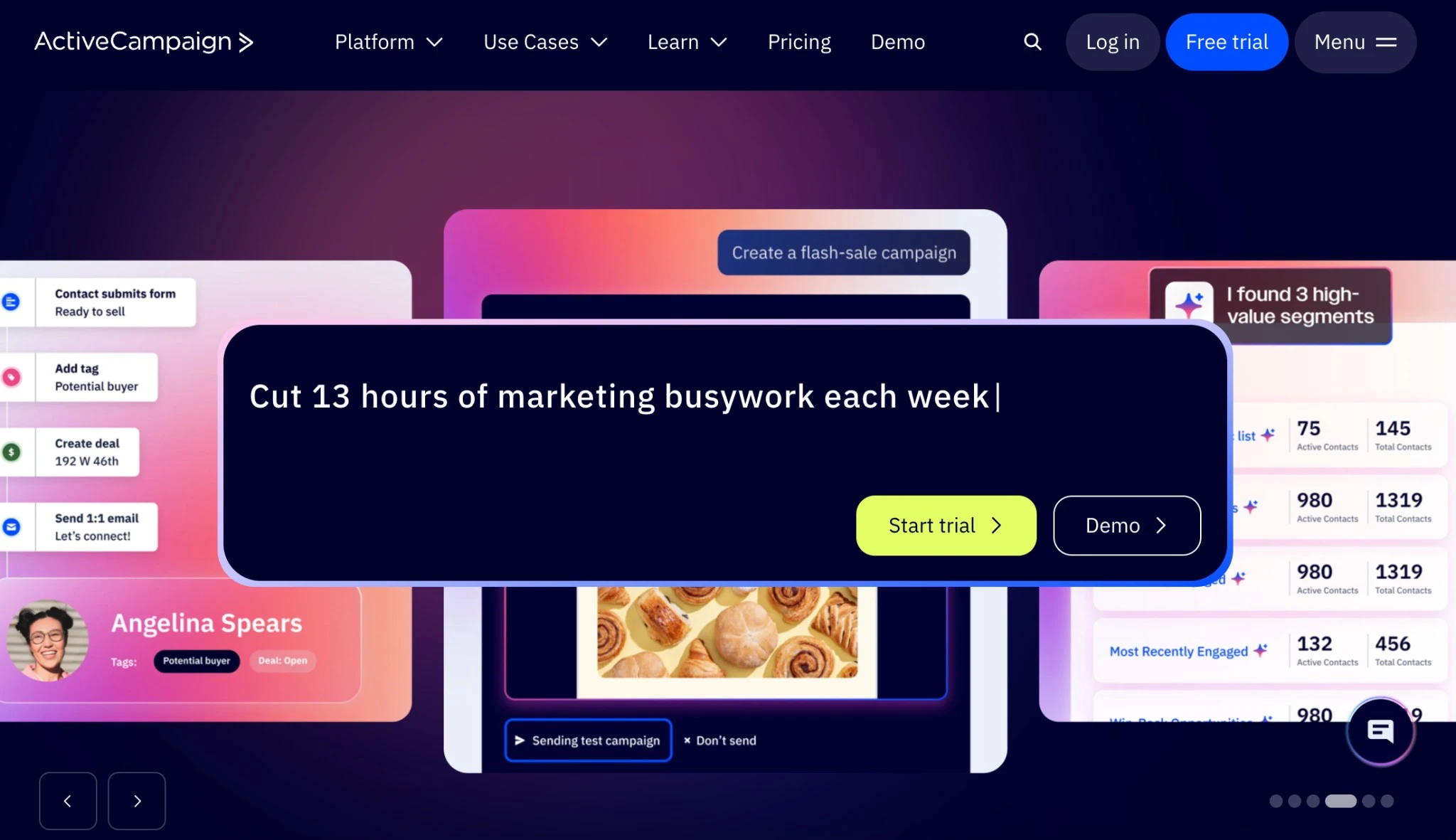
Automation is no longer just about a "welcome series." Modern platforms like ActiveCampaign allow for visual journey builders that respond to real-time user behavior. If a subscriber visits your pricing page but doesn’t convert, the platform should automatically trigger a targeted, value-driven email. This level of sophistication is the difference between a high-bounce newsletter and a loyal community.
How to Execute a Successful Migration
If you are currently using a platform that no longer supports your growth, the migration process can feel daunting. However, following a standard chronology ensures minimal disruption:
- Data Audit: Before exporting, clean your list. Use a verification service (like NeverBounce) to purge invalid or "spam trap" email addresses. This preserves your sender reputation on the new platform.
- Segmentation Mapping: Export your data as a CSV, ensuring all custom fields—such as "join date," "purchase history," and "preference tags"—are clearly labeled.
- The "Mini-Pilot": Do not migrate your entire list at once. Start with a segment of 500–1,000 active subscribers. Send your next campaign through the new tool to test deliverability and engagement before fully cutting ties with your legacy provider.
- Verification: Monitor your bounce rates and "hard bounces" in the first 72 hours. If rates spike, reach out to your new platform’s support team immediately; they are often able to assist in "warming up" your new IP address.
Expert Perspectives: Why Support is the "Secret Sauce"
While features are easy to compare on a spec sheet, the true value of an email provider is revealed during a crisis. As Shaley M., a Strategic Growth Manager, notes regarding her transition to a professional-grade platform: "We’ve used several major platforms, but the ability to keep multiple B2B clients organized while maintaining deliverability is what matters. When we hit a snag, having a support team that understands our business model is the difference between a lost campaign and a successful one."
For agencies and nonprofits, this is not a luxury—it is a requirement. When managing the reputation of multiple brands or handling time-sensitive fundraising appeals, self-service forums are insufficient.
Final Recommendations for 2026
The "best" newsletter software is not the one with the longest feature list; it is the one that aligns with your specific growth goal for the year.
- If you are scaling a media business: Prioritize Beehiiv for its built-in monetization tools.
- If you are an agency prioritizing brand integrity: Campaign Monitor provides the control and design quality your clients demand.
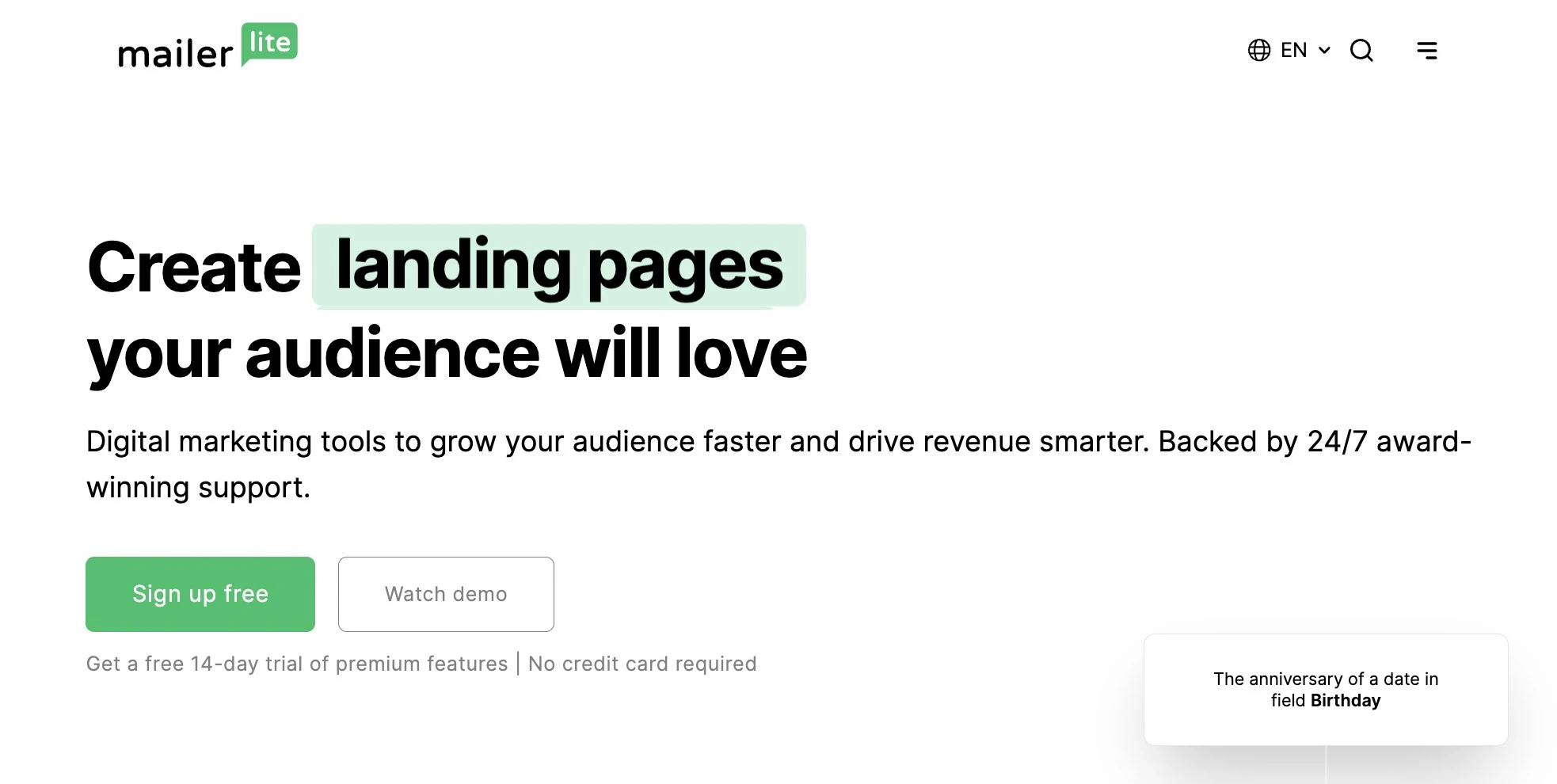
- If you are an SMB needing simplicity: MailerLite offers the most accessible entry point without sacrificing essential functionality.
Before committing to a yearly subscription, take advantage of the free trial periods offered by these providers. Run a small-scale test, stress-test their support team with a hypothetical scenario, and observe how their analytics dashboard answers the only question that truly matters: Did this email drive the desired outcome?
As you look toward the remainder of 2026, remember that your list is your most valuable asset. Treat it with the software that respects your time, your data, and your subscribers’ inbox.
Disclaimer: This article provides general information regarding email marketing software and should not be construed as financial, legal, or tax advice. Always consult with a professional when making significant changes to your business infrastructure or data management practices.
