
Scaling Success: How Modern Agencies Are Eliminating Administrative Bottlenecks in Email Marketing
For digital marketing agencies, growth is a double-edged sword. As the client portfolio expands, so does the complexity of managing disparate campaigns, fragmented audiences, and varying send schedules. What begins as a manageable workflow for a boutique firm can quickly spiral into an administrative nightmare where the lion’s share of billable hours is spent on data entry and reporting rather than high-level strategy.
The core issue facing many modern agencies is a misalignment between their operational needs and the tools at their disposal. Most email marketing platforms are built with a "single-user, single-brand" philosophy. When an agency attempts to force this model onto a multi-client structure, they inadvertently create operational silos.
The Cost of Operational Friction: An Overview
When data is trapped in separate accounts, the "hidden" cost of agency operations skyrockets. Account managers often find themselves toggling between browser tabs, manually extracting CSV files, and wrestling with spreadsheet macros just to build a cohesive view of performance.
This administrative burden creates a "strategy gap." Instead of acting as consultants who interpret data to drive growth, team members become data processors. Clients suffer as well; when account managers are buried in manual reporting, their capacity to provide proactive insights, creative brainstorming, and strategic pivots diminishes.
The Evolution of Agency-Centric Tooling
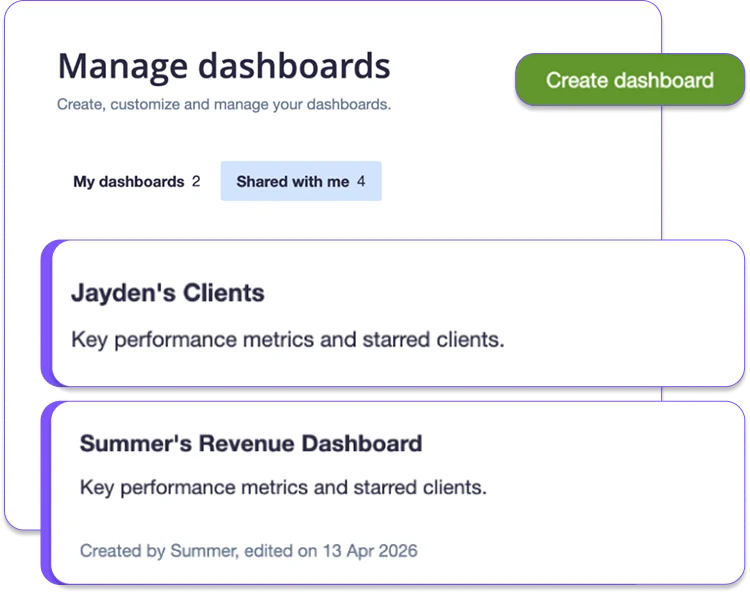
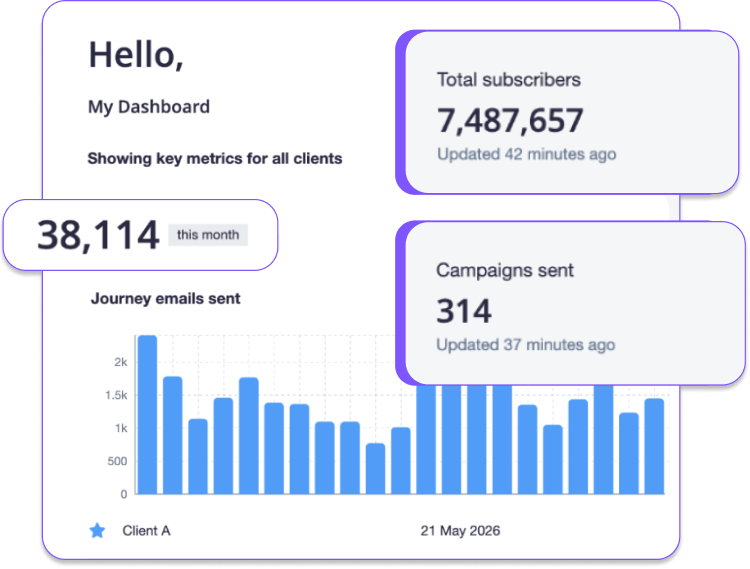
To combat this, the industry is seeing a shift toward "agency-first" platforms—software designed specifically to handle the multi-tenant complexity of professional service firms. Campaign Monitor, for instance, has pioneered features like "My Dashboard," which aim to solve the visibility crisis.
Key Operational Pillars for Agencies
- Centralized Oversight: The ability to view the health of the entire portfolio from a single login.
- Actionable Analytics: Transforming raw metrics into intuitive, client-ready insights.
- Dynamic Prioritization: The flexibility to focus on high-impact accounts without losing sight of the broader portfolio.
- Historical Accessibility: Instant, searchable access to every past campaign and client interaction.
Chronology of the Shift: From Spreadsheets to Integrated Dashboards
The evolution of agency management has followed a distinct timeline. A decade ago, agencies relied on fragmented tools, often requiring a dedicated team member just to aggregate data.
- The Manual Era (Pre-2015): Agencies utilized manual reporting, which was prone to human error and significant time delays.
- The Integration Era (2015–2020): Agencies began using third-party business intelligence (BI) tools to stitch together data from different platforms. While effective, this created an "extra layer" of software that required maintenance and technical expertise.
- The Native Agency Platform Era (Present): Leading providers like Campaign Monitor are now building the agency experience directly into the email platform itself, removing the need for external integrations and manual data manipulation.
Data-Driven Strategy: Turning Metrics into Client Recommendations
The primary value an agency provides is "judgment"—the ability to look at a 15% open rate and understand exactly what it means for the client’s bottom line. However, if 80% of a meeting is spent explaining what happened, there is no time left to discuss why it happened or what to do next.
Leveraging Interactive Widgets
Modern dashboards use interactive widgets to filter noise. By displaying revenue contribution, subscriber growth trends, and campaign performance side-by-side, agencies can identify outliers instantly.
- The Revenue Widget: Allows agencies to quantify their impact, directly correlating email efforts with client ROI.
- Subscriber Trends: Helps identify "churn fatigue," allowing agencies to suggest re-engagement strategies before an audience base begins to crater.
When these metrics are organized into a standardized view, the account manager transitions from a "reporter" to a "strategic advisor." Instead of presenting a static PDF, they can drill down into specific segments during a client call, showing agility and deep expertise.
Managing the Portfolio: The Art of Prioritization
No agency treats all clients with the same level of intensity at all times. A client launching a new product requires daily attention, while a stable, legacy client may only require monthly check-ins.

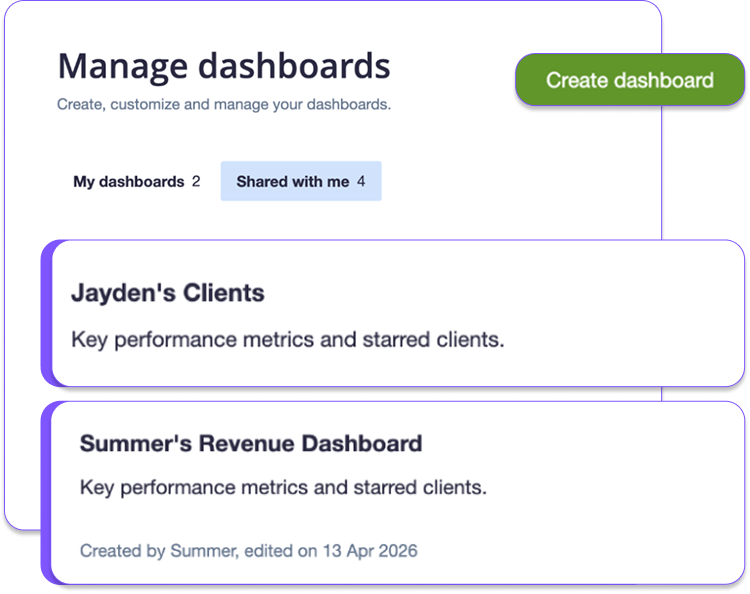
Features like "Starred Clients" or "Pinned Accounts" represent a fundamental change in how account managers navigate their day. By allowing teams to pin up to 30 accounts to a central dashboard, the platform provides a "mission control" view. This ensures that the most critical tasks—whether it’s an upcoming launch or a recovery effort for a struggling list—are always front and center.
Official Perspectives: The Value of Context
In discussions regarding agency infrastructure, industry experts emphasize that the software is only as good as the context it provides. "Clients don’t hire agencies to log into software," notes one industry analyst. "They hire them for the ‘so what?’ behind the data."
By keeping a complete, searchable history—where an agency can instantly pull up a campaign from three years ago or a draft from last month—the platform acts as a corporate memory. This eliminates the "scattered record" problem, where valuable historical context is lost because the person who ran the original campaign left the agency.
Implications for the Future of Agency-Client Relationships
The shift toward more integrated, high-visibility management tools has profound implications for the agency-client relationship:
- Reduced Turnover: When agencies are less stressed and more focused on strategy, they produce better work, leading to higher client retention rates.
- Scalability: Agencies can increase their client-to-manager ratio without a corresponding increase in burnout or a decrease in quality.
- Improved Transparency: Clients feel more secure when their agency can provide instant, transparent answers to questions about past activity or future schedules.
Conclusion: Investing in Expertise
As the digital marketing landscape becomes more competitive, agencies must decide whether to compete on "speed of execution" or "depth of insight." Those that choose to prioritize the latter must invest in systems that handle the former automatically.
The goal of selecting the right email marketing software is to empower the agency to do what it does best: apply expert judgment. When administrative friction is removed, the agency is free to focus on the high-value work—spotting missed opportunities, refining brand messaging, and ultimately driving the revenue growth that keeps clients happy and loyal.
For agencies looking to scale, the choice is clear: stop spending time on the software, and start spending time on the strategy. By adopting platforms that centralize, visualize, and organize client history, agencies can ensure that their team’s talent is directed where it matters most: at the heart of their clients’ business goals.
Summary Checklist for Agency Software Evaluation
- Single Sign-On (SSO): Does the platform support multiple logins with varying permission levels?
- Unified Reporting: Can you pull cross-account reports without exporting raw data?
- Customizable Views: Can individual team members tailor their dashboards to their specific account load?
- Historical Depth: Is there a limit on how far back you can access campaign data?
- Ease of Onboarding: How much training is required to get a new team member up to speed on the agency’s specific setup?
By vetting platforms against these criteria, agencies can move toward a more efficient, profitable, and strategic future.
