

Navigating the Shift: The Best Sellfy Alternatives for 2026
For many digital entrepreneurs, independent creators, and small business owners, Sellfy has long been a go-to solution. Its promise is simple: a "set it and forget it" interface for selling digital products, subscriptions, and basic merchandise. However, as the digital economy evolves and business models become more sophisticated, many users are finding themselves hitting a "growth ceiling."
Whether you are seeking more granular control over site aesthetics, lower transaction fees, or robust integrations to support a global operation, the limitations of an all-in-one platform like Sellfy can eventually become a bottleneck. As we move through 2026, the marketplace for ecommerce infrastructure has matured, offering a diverse array of alternatives tailored to specific business needs.

Main Facts: Why Creators Are Migrating in 2026
The primary driver for the migration away from Sellfy is the trade-off between simplicity and scalability. While Sellfy excels at getting a shop live in minutes, it often lacks the deep-tier marketing automation, advanced SEO tools, and multi-channel inventory management required by businesses reaching six and seven figures in revenue.
In our comprehensive testing of the current market, we have identified that the modern digital merchant requires three things: flexibility, ecosystem connectivity, and cost-efficiency. The following breakdown evaluates the top contenders currently reshaping the landscape.
Comparative Market Data
| Platform | Starting Price (USD) | Primary Strength |
|---|---|---|
| Shopify | $5–$39/mo | Enterprise-grade scalability |
| Wix | $29/mo | Creative drag-and-drop freedom |
| Squarespace | $16–$99/mo | High-end visual aesthetics |
| WooCommerce | Free (+ hosting) | Total SEO and data ownership |
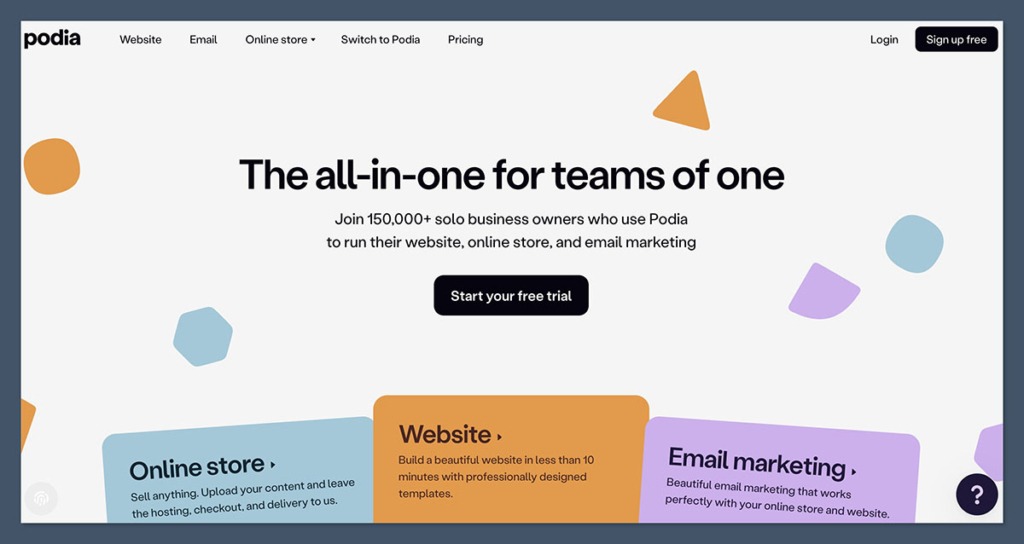
| Podia | $39–$89/mo | Integrated course/community tools |
| Gumroad | 10% fee/sale | Frictionless, zero-setup selling |
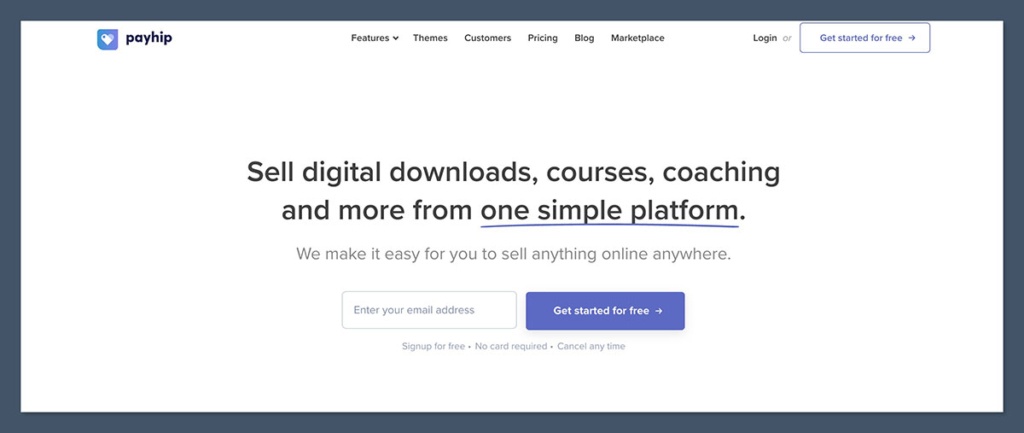
| Payhip | Free–$99/mo | Transparent, tiered fee structures |
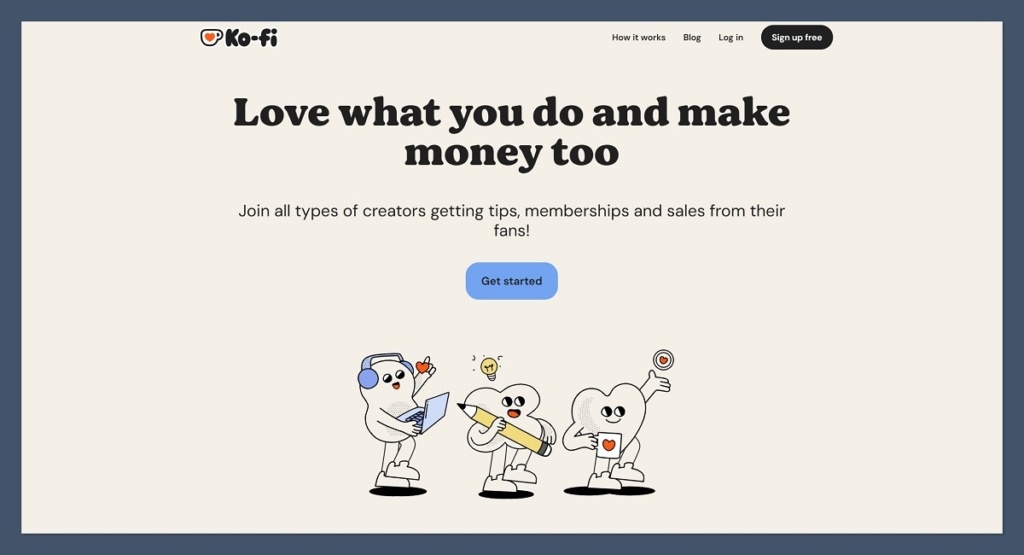
| Ko-fi | Free–$12/mo | Fan-based monetization |
| Fourthwall | Free–$19/mo | Creator-focused merch fulfillment |
| Teachable | $39+/mo | Specialized educational architecture |
| Big Cartel | Free–$30/mo | Micro-inventory artist management |
Chronology of the Shift: From Simple Shop to Digital Ecosystem
The evolution of ecommerce tools can be viewed in three distinct waves. The first wave, which Sellfy captured, was the "Simplicity Era," where speed-to-market was the only metric that mattered.
By 2024, the "Integration Era" began, where sellers realized they couldn’t exist in a silo. They needed their store to talk to their email provider, their accounting software, and their social media platforms. Now, in 2026, we are in the "AI-Assisted Era." Leading platforms like Shopify and Wix have integrated proprietary AI assistants (such as Shopify Sidekick or Wix’s Astro) that do not just build a store, but actively optimize product descriptions, generate marketing copy, and suggest inventory adjustments.
This chronological shift highlights why many Sellfy users feel left behind; while their platform remains focused on basic digital delivery, their competitors are offering an automated, data-driven back office.
Detailed Analysis of Top Alternatives
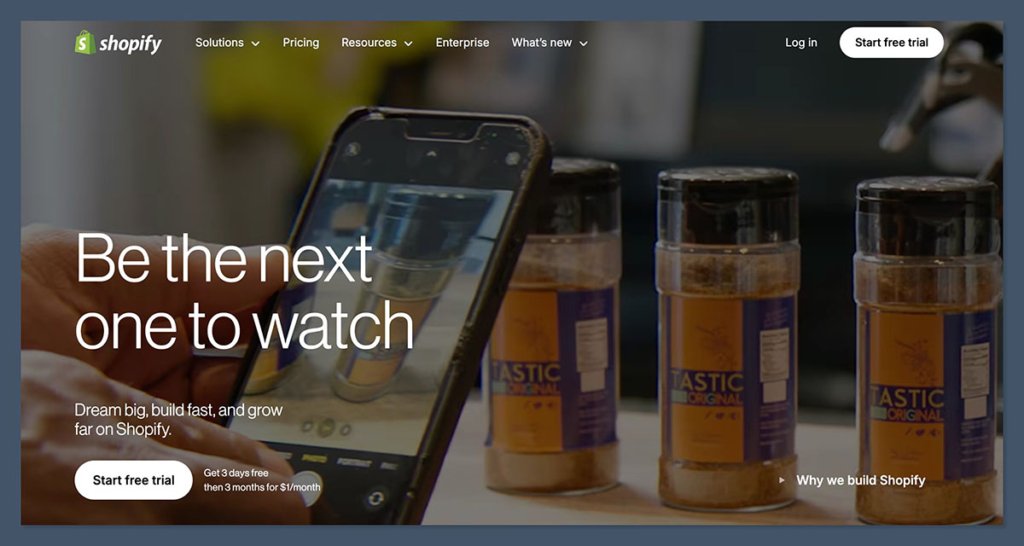
1. Shopify: The Gold Standard for Scaling
Shopify is no longer just for big-box retailers. With the introduction of its "Starter" plan, it has become a formidable competitor for creators.
- Implications: By choosing Shopify, you are choosing an infrastructure that will never force you to migrate again. Its App Store ecosystem is the most robust in the world.
- Why it wins: Its AI assistant, Sidekick, is a game-changer for solo entrepreneurs who lack a marketing team. It can audit your store and suggest conversion rate optimizations in real-time.
2. Wix & Squarespace: The Design-First Approach
For photographers, designers, and boutique brands, the "look" of the store is as important as the checkout process.
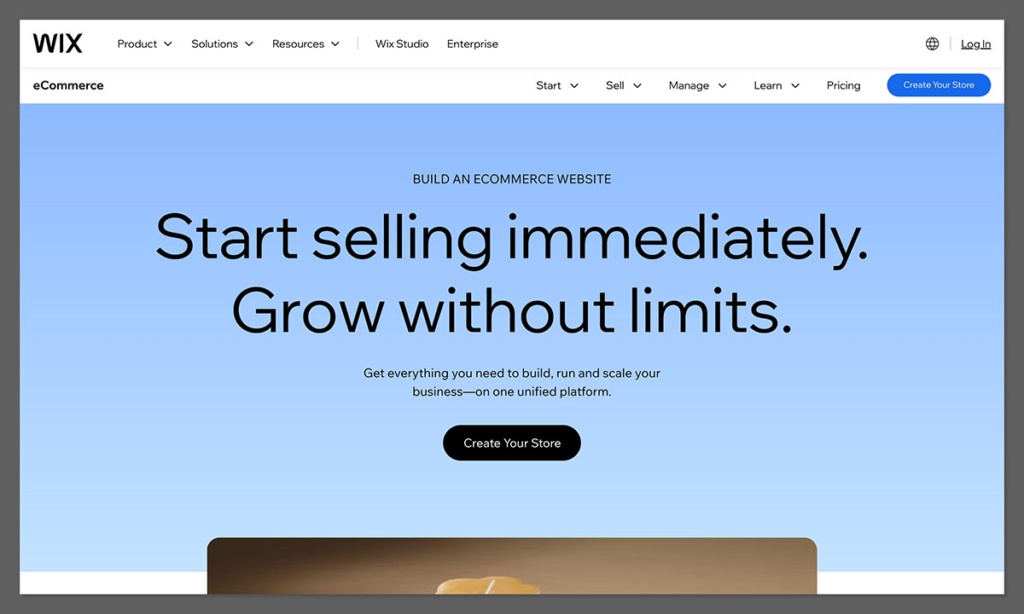
- Wix: Best for those who want total control over every pixel. Its AI site builder is currently the most intuitive in the industry.
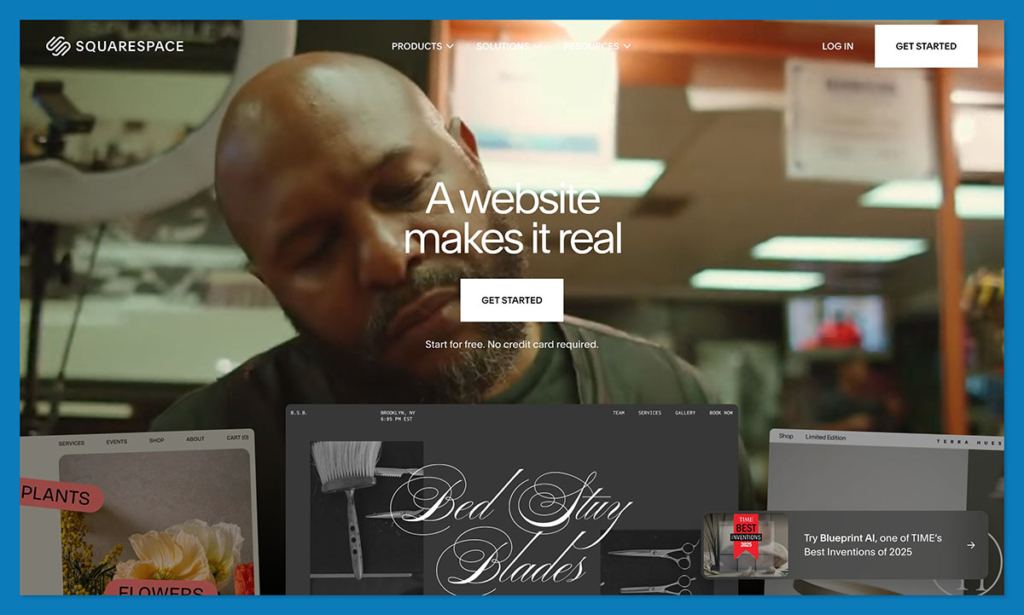
- Squarespace: Best for brand narrative. Their templates are architecturally superior, providing a "premium" feel that naturally justifies higher price points for your digital products.
3. WooCommerce: The Power-User’s Choice
WooCommerce remains the king of SEO. Because it sits on the WordPress ecosystem, you own your data.
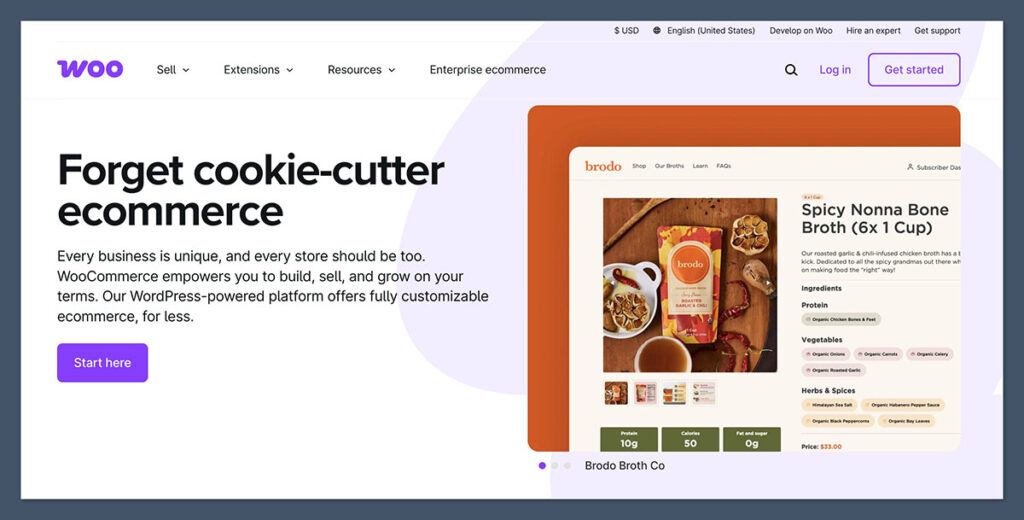
- The Trade-off: It requires a higher technical skill set. You are responsible for your own hosting and security updates. However, for those focused on organic search traffic, the ability to control site structure at the code level is an unmatched advantage.
4. Podia & Teachable: The "Knowledge Economy" Specialists
If your business model is based on "selling what you know," general ecommerce platforms will always feel like a square peg in a round hole.
- Podia: Unites email marketing, community hosting, and digital products. It is the most direct competitor for creators who currently use Sellfy but need more community engagement tools.
- Teachable: The premier choice for structured curriculum. If you have video lessons with quizzes, certifications, and drip-content, Teachable’s infrastructure is specifically engineered to improve student completion rates.
Supporting Data: The Cost of "Ease of Use"
One of the most critical factors in this transition is the "hidden cost" of platforms. While Gumroad or Ko-fi may look "free," their high transaction fees (often 5% to 10%) become a massive tax on your success as you scale.
If you sell $5,000 worth of digital assets per month:
- Gumroad (10% fee): You lose $500/month.
- Shopify (Basic plan): You pay ~$39/month + a lower transaction fee (~2.9%). Your total cost is significantly lower.
The data is clear: The "free" platforms are a tax on your growth. Once your revenue crosses the $1,000 monthly threshold, moving to a subscription-based model with lower transaction fees is almost always the more profitable move.

Official Responses and Industry Outlook
Industry analysts note that platforms are currently in a "feature war." In official communications throughout 2026, major players like Shopify and Wix have emphasized that "conversion rate optimization" is the new priority.
"The goal is no longer just to sell; it’s to reduce the friction between discovery and purchase," says one industry consultant. "Creators who stick with platforms that don’t allow for custom checkout flows, abandoned cart recovery, and sophisticated email automation are leaving significant revenue on the table."
Implications: Making the Switch
Deciding to move your digital storefront is not a task to be taken lightly, but it is often the most significant "growth trigger" a creator can pull.
Steps to evaluate your migration:
- Revenue Audit: Calculate your total transaction fees over the last six months. If they exceed the cost of a premium Shopify or WooCommerce setup, it is time to move.
- Feature Gap Analysis: List the three tasks you currently perform manually that you wish were automated (e.g., sending discount codes, tracking student progress, managing international VAT).
- Content Portability: Ensure your new platform allows for easy CSV imports of your product catalogs and customer lists.
Conclusion
Sellfy served its purpose as a bridge between hobbyist and professional. However, as the digital marketplace becomes more competitive, creators must stop viewing their store as a "file repository" and start viewing it as a "conversion engine." Whether you choose the sheer power of Shopify, the design elegance of Squarespace, or the specialized educational tools of Podia, the goal remains the same: reclaiming control over your brand, your data, and your bottom line. The tools are available—the only thing left to do is choose the one that aligns with where your business is going, not where it has been.
