

Mastering the Social Media Workflow: A Strategic Blueprint for Modern Marketing Teams
In the hyper-competitive digital landscape, social media is no longer an experimental channel; it is the frontline of brand reputation and customer engagement. Yet, for many organizations, the transition from sporadic posting to a sophisticated social presence is hampered by operational chaos. Without a structured workflow, even the most creative teams fall victim to bottlenecks, compliance risks, and missed opportunities.
A social media workflow is a repeatable, step-by-step process that dictates how a team creates, publishes, and promotes content. It is the essential infrastructure that transforms raw ideas into consistent, high-impact digital experiences.

The Foundation of Efficient Operations: Why Workflows Matter
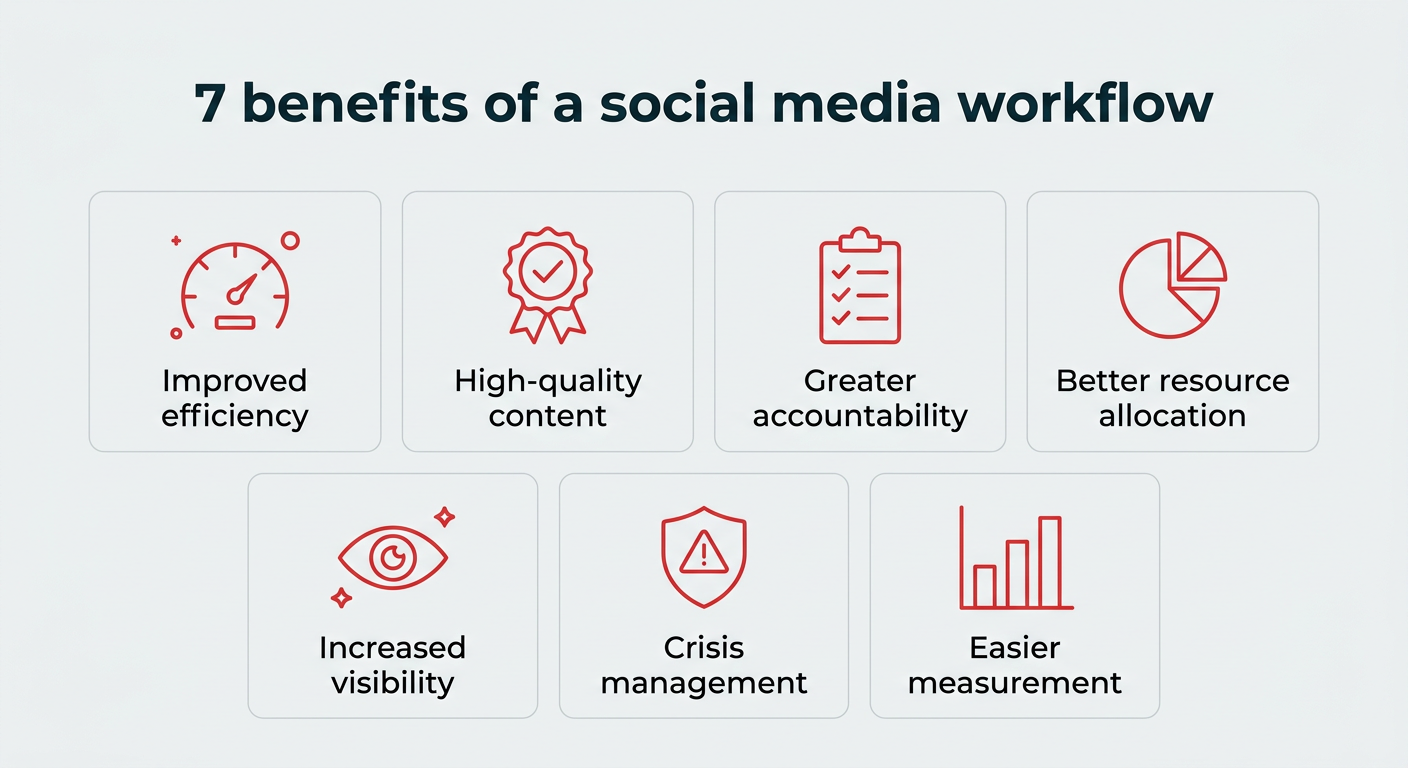
A well-architected social media workflow does more than just organize a calendar; it acts as a force multiplier for a team’s productivity. By establishing clear protocols, teams can work smarter, protect the integrity of their brand, and demonstrate tangible ROI to stakeholders.
Key Benefits of a Robust Workflow:
- Operational Consistency: Ensures your brand voice remains uniform across multiple channels and time zones.
- Risk Mitigation: Provides a structured approval process that prevents non-compliant or damaging content from going live.
- Enhanced Productivity: By reducing the "decision fatigue" associated with daily content creation, teams can focus on high-level strategy.
- Data-Driven Optimization: A standard process creates a natural feedback loop, allowing teams to analyze performance metrics and refine future content.
Chronology of an Effective Social Media Workflow
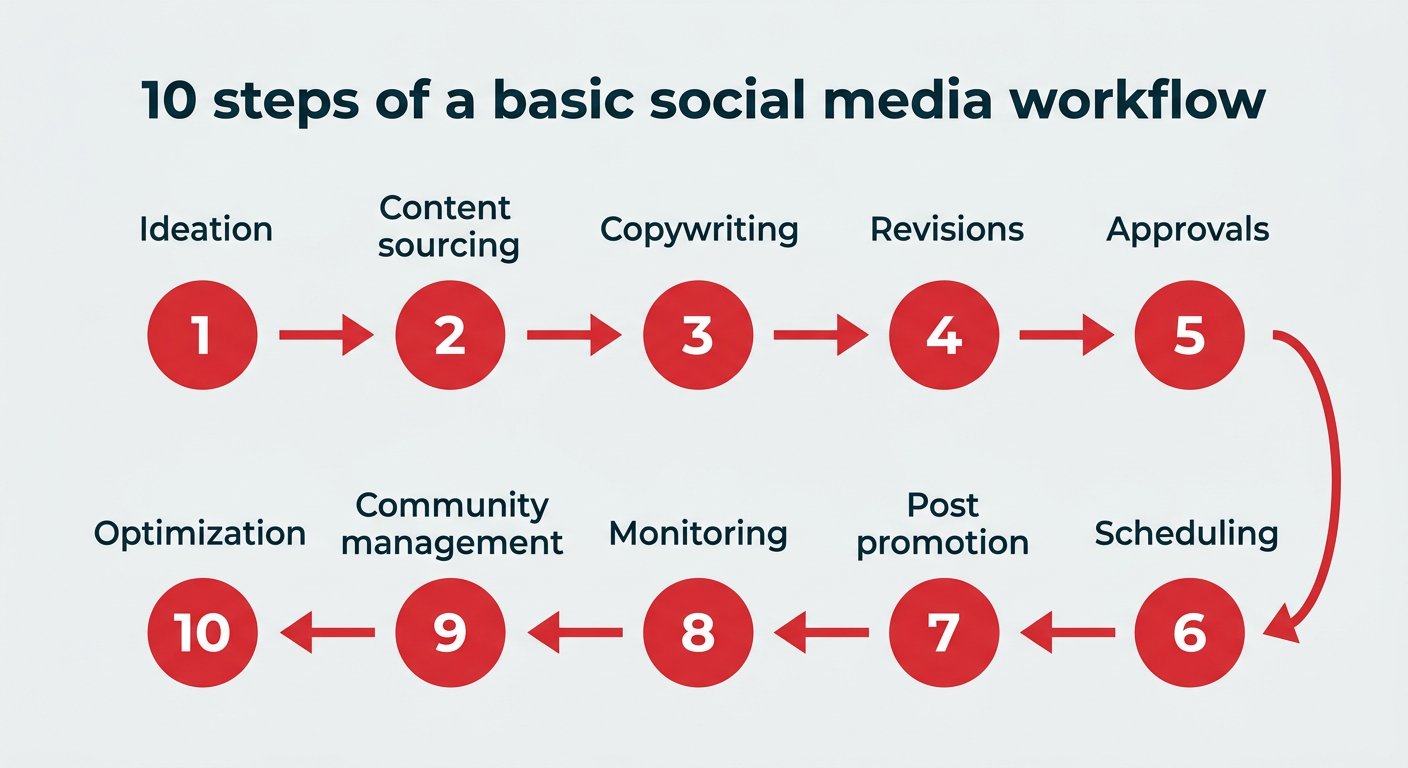
While every organization adapts its process to fit its specific culture, most successful operations rely on a foundational "Basic Workflow." This 10-step lifecycle serves as the bedrock for all other specialized processes:

- Ideation: Brainstorming themes and creative angles.
- Strategy Alignment: Ensuring content serves specific business goals.
- Drafting: Creating the copy and visual assets.
- Internal Review: Initial feedback from team leads.
- Compliance Audit: Review for legal or regulatory adherence.
- Scheduling: Setting the optimal time for publication.
- Publishing: The content goes live.
- Community Management: Engaging with comments and messages.
- Measurement: Tracking performance against KPIs.
- Reporting & Iteration: Synthesizing data to inform the next cycle.
Specialized Workflows for Diverse Needs
Sophisticated teams rarely rely on a single process. Instead, they deploy specialized workflows tailored to specific objectives.
1. The Posting Workflow
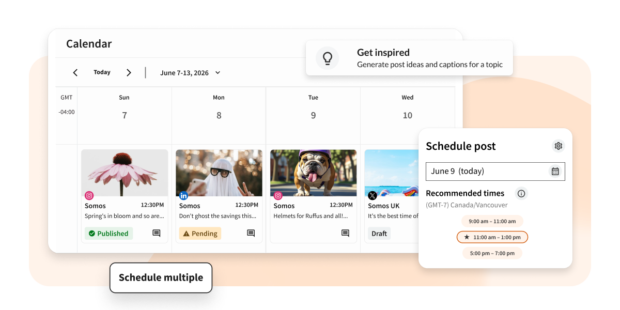
This focuses on the tactical execution of daily content. It is the most frequent process, designed to keep the publishing engine humming without sacrificing the ability to pivot when real-time, viral opportunities arise.
2. The Approval Workflow
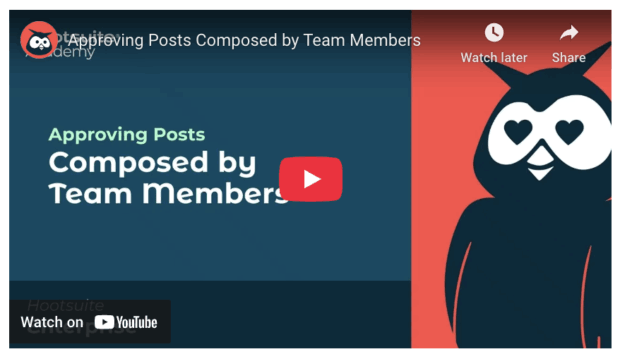
For organizations in regulated industries—such as healthcare, finance, or government—this is the most critical stage. It involves a hierarchical review process that ensures every post adheres to industry-specific guidelines (such as HIPAA or FINRA compliance), effectively neutralizing the risk of a public relations crisis.
3. The Content Batching Workflow
To prevent creator burnout, many teams shift to batching. This involves producing a month’s worth of content in a dedicated, distraction-free window. This requires a "calendar-first" mindset where the strategy is locked before production begins, ensuring creators aren’t guessing at their objectives.
4. The Influencer Collaboration Workflow
Treating influencer partnerships like formal campaigns rather than one-off posts is vital. This workflow involves scouting, contracting, creative brief alignment, content review, and finally, detailed performance tracking to measure the return on investment for the partnership.
Supporting Data and Best Practices
Building a workflow that "actually works" requires a balance between structure and agility. If a process is too rigid, innovation dies; if it is too loose, the brand suffers.
Defining Roles and Responsibilities
Clear accountability is the antidote to project failure. Common roles include:
- The Strategist: Defines the overarching goals and content pillars.
- The Creator: Handles the heavy lifting of design and copywriting.
- The Approver: Holds the final authority to publish and ensures compliance.
- The Community Manager: Monitors inbound DMs and comments.
The Role of AI in Scaling Operations
Artificial Intelligence is currently revolutionizing the social media workflow, but it should be viewed as a tool for acceleration, not a replacement for human judgment. Gartner notes that AI in marketing is increasingly becoming a "governance problem." The most effective teams use AI to draft initial copy or summarize reports, while keeping a human "in the loop" to verify accuracy and brand alignment.

Implications: The Shift Toward Unified Systems
The primary failure point for most teams is the "app-switching tax"—the time and cognitive energy lost moving between spreadsheets, email threads, and social platforms. To mitigate this, industry leaders are shifting toward "Social Operating Systems."
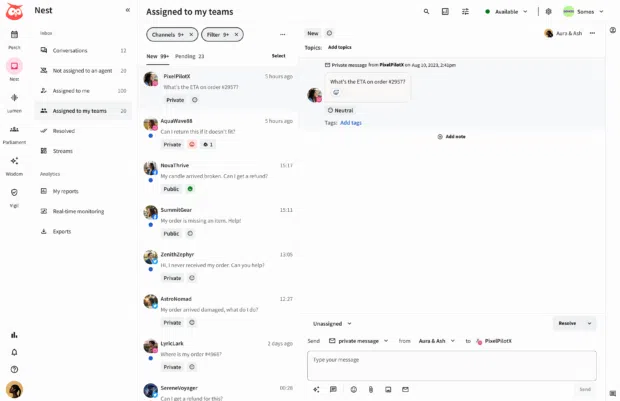
A unified social inbox, for instance, is no longer a luxury. It is a necessity for customer-centric brands. By consolidating DMs, mentions, and comments into a single dashboard, teams can ensure that no customer inquiry goes unanswered. This not only improves response times but also provides a comprehensive view of the customer journey.
Comparative Tooling Analysis
| Tool | Best For | Key Advantage |
|---|---|---|
| Hootsuite | Enterprise/Agency | End-to-end management, compliance, and deep analytics. |
| Google Sheets | Lean Startups | Zero-cost entry and high flexibility for manual tracking. |
| Asana | Project Management | Superior task-dependency tracking and cross-functional visibility. |
| Notion | Knowledge Management | Centralizing SOPs, brand guidelines, and calendars. |
Measuring and Improving Workflow Health
A workflow is not a static document; it is a living process. To keep your system efficient, you must measure its "health." Key metrics to track include:
- Turnaround Time: How long does it take from the initial brief to the final post?
- Bottleneck Frequency: Which stage of the process causes the most delays?
- Approval Rate: How many revisions does a piece of content require before it is approved?
- Compliance Breaches: Are there instances of non-compliant content reaching the public?
If the data suggests that your team is spending more time managing the process than creating content, it is time to simplify. Quarterly reviews are recommended to prune unnecessary steps and integrate new technologies.
Conclusion: The Path Forward
The difference between a brand that struggles to stay relevant and one that thrives is often found in the quiet efficiency of their internal processes. By documenting your SOPs, securing your accounts with proper authentication, and choosing a centralized tool that scales with your needs, you can eliminate the chaos that often defines social media management.
Start by auditing your current process. Identify the steps that consistently cause friction, document the roles that currently lack clarity, and begin building a system that allows your team to focus on what they do best: connecting with the audience.
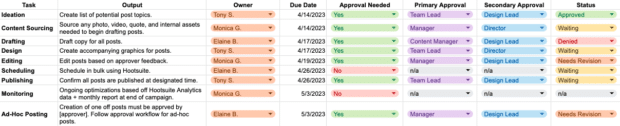
For teams looking to get started, downloading customizable workflow templates can provide the immediate structure needed to standardize production and reclaim valuable hours in the workweek.
